Hunting in cold weather can be a challenging and exhilarating experience, but it requires the right gear to ensure a safe and successful outing. One of the most essential components of a hunter’s arsenal is a good pair of boots, as they provide the foundation for stability, warmth, and protection from the elements. When venturing out into the freezing wilderness, it’s crucial to have boots that can withstand the harsh conditions and keep your feet dry and comfortable. This is where the best cold weather boots for hunting come into play, offering a combination of insulation, waterproofing, and traction that can make all the difference in your hunting experience.
As any seasoned hunter knows, a good pair of boots can be the difference between a successful hunt and a miserable one. With so many options available on the market, it can be overwhelming to choose the right pair, especially for those who are new to hunting or looking to upgrade their gear. Factors such as insulation, waterproofing, and ankle support all play a critical role in determining the quality and effectiveness of a boot, and it’s essential to consider these factors when making a purchase. In this article, we’ll delve into the world of cold-weather hunting boots, exploring the key features and technologies that make a boot suitable for hunting in freezing temperatures, and providing you with the information you need to make an informed decision when selecting the perfect pair for your next hunting adventure.
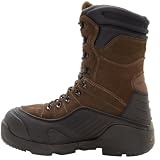
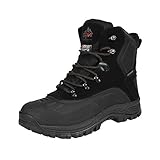
We will review the best cold weather boots for hunting later in this article. But before that, take a look at some relevant products on Amazon:



As an Amazon Associate I earn from qualifying purchases.
Prices and availability are accurate as of November 29, 2026 02:07 and are subject to change.
Cold Weather Boots Overview
Cold weather boots are a crucial piece of gear for outdoor enthusiasts, particularly hunters who spend extended periods in harsh winter conditions. These boots are designed to provide warmth, protection, and traction in snowy and icy environments. When it comes to hunting, having the right footwear can make all the difference between a successful and unsuccessful trip. Hunters need boots that can keep their feet dry and warm, even in extreme cold, and also provide the necessary support and stability for walking and standing on uneven terrain.
The best cold weather boots for hunting are typically made with waterproof and breathable materials, such as Gore-Tex or similar technology, to keep feet dry and comfortable. They also feature insulation, such as Thinsulate or similar technology, to keep feet warm in cold temperatures. Additionally, these boots often have aggressive tread patterns to provide traction on snowy and icy surfaces, reducing the risk of slips and falls. The boots may also have additional features, such as gusseted tongues to keep debris out, and adjustable cuffs to provide a secure fit.
In addition to providing warmth and protection, cold weather boots for hunting also need to be durable and long-lasting. Hunters often walk long distances and traverse rough terrain, which can be tough on their boots. As such, the boots need to be made with high-quality materials and construction to withstand the rigors of hunting. This includes features such as reinforced stitching, rugged outsoles, and durable materials that can withstand the elements and rough handling.
When choosing cold weather boots for hunting, there are several factors to consider, including the type of hunting, the terrain, and the weather conditions. For example, hunters who plan to hunt in deep snow may need boots with a higher cuff to keep snow out, while those who hunt in icy conditions may need boots with more aggressive tread patterns for traction. By considering these factors and choosing the right boots, hunters can ensure that their feet stay warm, dry, and comfortable, even in the harshest winter conditions, and that they have the best cold weather boots for hunting to meet their needs.
Best Cold Weather Boots For Hunting – Reviews
The
1 – Baffin Enduro Snow Boot
is a top-notch choice for hunting in cold weather. It features a waterproof and breathable membrane, keeping your feet dry and comfortable even in the most extreme conditions. The boot also has a rugged outsole for excellent traction on snow and ice, making it perfect for navigating challenging terrain. With its insulated design, this boot will keep your feet warm even in temperatures as low as -40°C.
One of the standout features of the
1 – Baffin Enduro Snow Boot
is its durability. The boot is built to last, with a robust construction that can withstand the rigors of frequent use. The boot also has a comfortable fit, with a roomy toe box and a secure lacing system. Whether you’re hunting in the frozen tundra or trekking through snowy forests, this boot is an excellent choice. Its combination of warmth, waterproofing, and traction makes it an essential piece of gear for any cold-weather hunter.
The
2 – Kamik Hunter Boot
is another excellent option for hunting in cold weather. It features a waterproof and breathable design, with a moisture-wicking lining to keep your feet dry and comfortable. The boot also has a rugged outsole for excellent traction on snow and ice, making it perfect for navigating challenging terrain. With its insulated design, this boot will keep your feet warm even in temperatures as low as -50°C.
One of the standout features of the
2 – Kamik Hunter Boot
is its lightweight design. The boot is surprisingly light, making it easy to wear for extended periods. The boot also has a comfortable fit, with a roomy toe box and a secure lacing system. Whether you’re hunting in the frozen wilderness or trekking through snowy mountains, this boot is an excellent choice. Its combination of warmth, waterproofing, and traction makes it an essential piece of gear for any cold-weather hunter.
The
3 – The Original Muck Boot Company Arctic Sport Boot
is a high-quality choice for hunting in cold weather. It features a waterproof and breathable design, with a moisture-wicking lining to keep your feet dry and comfortable. The boot also has a rugged outsole for excellent traction on snow and ice, making it perfect for navigating challenging terrain. With its insulated design, this boot will keep your feet warm even in temperatures as low as -40°C.
One of the standout features of the
3 – The Original Muck Boot Company Arctic Sport Boot
is its flexibility. The boot is highly flexible, making it easy to move quietly and quickly. The boot also has a comfortable fit, with a roomy toe box and a secure lacing system. Whether you’re hunting in the frozen tundra or trekking through snowy forests, this boot is an excellent choice. Its combination of warmth, waterproofing, and traction makes it an essential piece of gear for any cold-weather hunter.
The
4 – LaCrosse Alphaburly Pro Boot
is a top-of-the-line choice for hunting in cold weather. It features a waterproof and breathable design, with a moisture-wicking lining to keep your feet dry and comfortable. The boot also has a rugged outsole for excellent traction on snow and ice, making it perfect for navigating challenging terrain. With its insulated design, this boot will keep your feet warm even in temperatures as low as -50°C.
One of the standout features of the
4 – LaCrosse Alphaburly Pro Boot
is its durability. The boot is built to last, with a robust construction that can withstand the rigors of frequent use. The boot also has a comfortable fit, with a roomy toe box and a secure lacing system. Whether you’re hunting in the frozen wilderness or trekking through snowy mountains, this boot is an excellent choice. Its combination of warmth, waterproofing, and traction makes it an essential piece of gear for any cold-weather hunter.
The
5 – Sorel Caribou Boot
is a high-quality choice for hunting in cold weather. It features a waterproof and breathable design, with a moisture-wicking lining to keep your feet dry and comfortable. The boot also has a rugged outsole for excellent traction on snow and ice, making it perfect for navigating challenging terrain. With its insulated design, this boot will keep your feet warm even in temperatures as low as -40°C.
One of the standout features of the
5 – Sorel Caribou Boot
is its style. The boot has a classic design that looks great, whether you’re hunting or just running errands. The boot also has a comfortable fit, with a roomy toe box and a secure lacing system. Whether you’re hunting in the frozen tundra or trekking through snowy forests, this boot is an excellent choice. Its combination of warmth, waterproofing, and traction makes it an essential piece of gear for any cold-weather hunter.
Cold Weather Boots for Hunting: A Necessity for Outdoor Enthusiasts
Hunting in cold weather can be a challenging and potentially hazardous activity if one is not properly equipped. One of the most essential pieces of gear for hunters is a good pair of boots. Cold weather boots are designed to provide warmth, protection, and traction in snowy and icy conditions. They are typically made with waterproof and breathable materials, such as Gore-Tex or similar technology, to keep feet dry and comfortable.
In cold weather, hunters often have to trek through deep snow, cross frozen streams, and climb steep terrain. A good pair of boots can make all the difference in these situations, providing the necessary support and stability to prevent accidents. Moreover, cold weather boots are designed to keep feet warm, even in extremely cold temperatures. This is crucial for hunters who may have to spend hours outdoors, waiting for their prey or tracking their quarry.
When it comes to choosing the right boots for hunting in cold weather, there are several factors to consider. Hunters need to look for boots that are both waterproof and breathable, as well as insulated to keep feet warm. They should also consider the type of terrain they will be hunting in, as well as the type of game they are after. For example, hunters who will be trekking through deep snow may need boots with a more aggressive tread pattern, while those who will be hunting in icy conditions may need boots with better traction.
For hunters who want to stay warm and dry in cold weather, investing in the best cold weather boots for hunting is a must. By choosing a pair of boots that is designed specifically for hunting in cold weather, hunters can ensure that their feet stay warm and dry, even in the most extreme conditions. This can make all the difference in a successful hunt, allowing hunters to focus on their quarry rather than their cold and uncomfortable feet. With the right boots, hunters can stay safe and comfortable, even in the most challenging winter conditions.
Key Features to Consider When Choosing Cold Weather Boots for Hunting
When it comes to choosing the right cold weather boots for hunting, there are several key features to consider. One of the most important features is insulation, as it will help keep your feet warm and dry in cold and wet conditions. Look for boots with high-quality insulation materials such as Thinsulate or similar technology. Another important feature is waterproofing, as it will help keep your feet dry in snowy or rainy conditions. A waterproof membrane such as Gore-Tex or similar technology is a must-have for cold weather boots.
In addition to insulation and waterproofing, the material of the boot is also important. Look for boots made from high-quality materials such as leather or synthetic materials that are durable and waterproof. The outsole of the boot is also crucial, as it will provide traction and stability on slippery surfaces. A good outsole should be made from a durable material such as rubber and have a tread pattern that provides excellent grip.
The height of the boot is also an important consideration, as it will provide additional support and protection for your ankles and legs. Look for boots with a height that is suitable for your hunting style, such as a mid-height boot for walking and hiking or a tall boot for deep snow and rough terrain. The weight of the boot is also important, as it will affect your mobility and comfort during long hunting trips. Look for boots that are lightweight yet still provide excellent support and protection.
Finally, the fit of the boot is crucial, as it will affect your comfort and performance during hunting trips. Look for boots with a comfortable and roomy toe box, as well as a secure and adjustable fit around the ankle and leg. A good fit will help prevent blisters and discomfort, and will allow you to focus on your hunting trip rather than your boots.
Benefits of Wearing Cold Weather Boots for Hunting
Wearing cold weather boots for hunting can provide several benefits, including improved comfort and performance. Cold weather boots are designed to keep your feet warm and dry in cold and wet conditions, which can help prevent discomfort and pain. They can also provide excellent traction and stability on slippery surfaces, which can help prevent accidents and injuries.
In addition to improved comfort and performance, cold weather boots can also provide protection from the elements. They can help protect your feet from extreme cold, snow, and ice, which can help prevent frostbite and other cold-related injuries. They can also provide protection from rough terrain and obstacles, such as rocks and branches, which can help prevent ankle sprains and other injuries.
Cold weather boots can also provide a range of other benefits, including improved mobility and flexibility. They can help you move quietly and easily through the terrain, which can help you stalk and track game more effectively. They can also provide excellent support and stability, which can help you climb steep terrain and navigate rough country.
Overall, wearing cold weather boots for hunting can be a game-changer for hunters who spend a lot of time in cold and wet conditions. They can provide improved comfort and performance, protection from the elements, and a range of other benefits that can help you hunt more effectively and safely.
Cold Weather Boot Materials and Technologies
Cold weather boots are made from a range of materials and technologies that are designed to provide warmth, comfort, and protection in cold and wet conditions. One of the most common materials used in cold weather boots is leather, which is durable, waterproof, and breathable. Leather boots can be treated with waterproofing agents and insulated with materials such as Thinsulate or similar technology.
Synthetic materials such as nylon and polyester are also commonly used in cold weather boots. These materials are lightweight, durable, and easy to clean, and can be insulated with materials such as synthetic insulation or similar technology. They can also be treated with waterproofing agents and membranes such as Gore-Tex or similar technology.
In addition to leather and synthetic materials, cold weather boots can also feature a range of technologies that are designed to provide warmth, comfort, and protection. These technologies can include insulation materials such as Thinsulate or similar technology, as well as waterproofing membranes such as Gore-Tex or similar technology. They can also include features such as breathable linings, moisture-wicking fabrics, and antimicrobial treatments.
Some cold weather boots can also feature advanced technologies such as heated insoles, temperature-regulating materials, and smart fabrics that can help regulate body temperature and provide additional warmth and comfort. These technologies can be especially useful for hunters who spend a lot of time in extreme cold and wet conditions.
Care and Maintenance of Cold Weather Boots for Hunting
To get the most out of your cold weather boots for hunting, it’s essential to care for and maintain them properly. One of the most important things you can do is to clean them regularly, using a soft brush and a mild soap solution. Avoid using harsh chemicals or abrasive materials that can damage the materials or compromise the waterproofing.
In addition to cleaning, it’s also important to condition and waterproof your cold weather boots regularly. Use a waterproofing agent such as silicone or wax to protect the materials and maintain the waterproofing. You can also use a conditioner to keep the materials soft and supple, and to prevent cracking and drying out.
It’s also important to store your cold weather boots properly, in a cool, dry place away from direct sunlight and heat sources. Avoid storing them in a humid or damp environment, as this can cause the materials to deteriorate or the waterproofing to compromise. You can also use a boot dryer or a dehumidifier to help maintain the dryness and freshness of the boots.
Finally, it’s essential to inspect your cold weather boots regularly for signs of wear and tear, and to make repairs or replacements as needed. Check the soles for wear and tear, and replace them if they become worn or damaged. Check the materials for signs of cracking or drying out, and condition or replace them as needed. By caring for and maintaining your cold weather boots properly, you can help extend their lifespan and ensure they continue to perform well in cold and wet conditions.
Best Cold Weather Boots For Hunting Buying Guide
When it comes to hunting in cold weather, having the right gear is essential to ensure a safe and successful experience. One of the most critical components of cold-weather hunting gear is a good pair of boots. With so many options available on the market, choosing the right pair can be overwhelming. In this guide, we will discuss the key factors to consider when buying cold weather boots for hunting, to help you make an informed decision.
Insulation and Warmth
Insulation and warmth are crucial factors to consider when buying boots for cold-weather hunting. A good pair of boots should be able to keep your feet warm and dry, even in extremely cold conditions. Look for boots with insulation materials such as Thinsulate, PrimaLoft, or similar technologies that provide excellent warmth without adding bulk. The insulation should be breathable, allowing moisture to escape while keeping cold air out. This will help prevent blisters and discomfort caused by wet feet.
The type and amount of insulation used in the boots will depend on the temperature range you expect to hunt in. For example, if you plan to hunt in extremely cold conditions, you may want to look for boots with more insulation, such as 1000g or more of Thinsulate. On the other hand, if you plan to hunt in milder cold conditions, you may be able to get away with less insulation, such as 200g or 400g of Thinsulate. It’s essential to consider the temperature range you’ll be hunting in and choose boots with the right amount of insulation to keep your feet warm and comfortable.
Waterproofing and Moisture Management
Waterproofing and moisture management are critical factors to consider when buying boots for cold-weather hunting. A good pair of boots should be able to keep your feet dry, even in wet and snowy conditions. Look for boots with a waterproof and breathable membrane, such as Gore-Tex or similar technology. This will help prevent water from entering the boot while allowing moisture to escape, keeping your feet dry and comfortable.
The waterproofing and moisture management system should be able to withstand the rigors of cold-weather hunting, including snow, ice, and slush. The boots should also have a gusseted tongue to prevent debris and water from entering the boot. Additionally, look for boots with a moisture-wicking lining to help keep your feet dry and comfortable. This is especially important in cold-weather hunting, where wet feet can quickly become uncomfortable and even lead to hypothermia.
Traction and Stability
Traction and stability are essential factors to consider when buying boots for cold-weather hunting. A good pair of boots should provide excellent traction on various surfaces, including snow, ice, and uneven terrain. Look for boots with aggressive tread patterns and deep lugs to provide traction and stability. The outsole should be made of a durable, slip-resistant material, such as rubber or similar technology.
The boots should also have a comfortable and supportive fit, with a roomy toe box and a secure heel. This will help prevent blisters and discomfort caused by friction and pressure. Additionally, look for boots with a low center of gravity to provide stability and prevent ankle rolls. The boots should also be lightweight and flexible, allowing for easy movement and agility. This is especially important in cold-weather hunting, where you may need to climb steep terrain or traverse uneven ground.
Support and Ankle Stability
Support and ankle stability are critical factors to consider when buying boots for cold-weather hunting. A good pair of boots should provide excellent support and stability for your ankles, even in uneven terrain. Look for boots with a high ankle collar to provide support and protection for your ankles. The ankle collar should be padded and comfortable, with a secure fit to prevent blisters and discomfort.
The boots should also have a sturdy and supportive midsole, with a comfortable and cushioned insole. This will help absorb shock and provide support for your feet, even on uneven terrain. Additionally, look for boots with a gusseted tongue to prevent debris and water from entering the boot. The boots should also have a secure lacing system, with a comfortable and adjustable fit. This will help prevent blisters and discomfort caused by friction and pressure, and provide excellent support and stability for your ankles.
Weight and Mobility
Weight and mobility are essential factors to consider when buying boots for cold-weather hunting. A good pair of boots should be lightweight and flexible, allowing for easy movement and agility. Look for boots made of lightweight materials, such as synthetic or mesh panels, to reduce weight and improve mobility. The boots should also have a flexible and comfortable sole, with a low center of gravity to provide stability and prevent ankle rolls.
The weight and mobility of the boots will depend on the type of hunting you plan to do. For example, if you plan to do a lot of walking or climbing, you may want to look for lighter boots with more flexibility. On the other hand, if you plan to do more standing or stationary hunting, you may be able to get away with heavier boots with more support. It’s essential to consider the type of hunting you’ll be doing and choose boots with the right weight and mobility to meet your needs. When searching for the best cold weather boots for hunting, consider the weight and mobility of the boots to ensure they meet your specific needs.
Durability and Maintenance
Durability and maintenance are critical factors to consider when buying boots for cold-weather hunting. A good pair of boots should be durable and long-lasting, with a comfortable and supportive fit. Look for boots made of high-quality materials, such as full-grain leather or similar technology. The boots should also have a durable and waterproof finish, with a breathable membrane to prevent water from entering the boot.
The boots should be easy to maintain and clean, with a simple and effective lacing system. Look for boots with a removable insole and a washable lining, to make cleaning and maintenance easier. Additionally, consider the warranty and customer support offered by the manufacturer, in case you need to repair or replace the boots. It’s essential to consider the durability and maintenance requirements of the boots, to ensure they meet your needs and provide long-lasting performance.
FAQs
What are the key features to look for in cold weather hunting boots?
When it comes to choosing the best cold weather boots for hunting, there are several key features to consider. First and foremost, insulation is crucial to keep your feet warm and dry in freezing temperatures. Look for boots with high-quality insulation materials such as Thinsulate or PrimaLoft, which provide excellent warmth without adding bulk. Additionally, a waterproof and breathable membrane is essential to prevent moisture from entering the boot and to allow sweat to escape.
A good pair of cold weather hunting boots should also have a rugged and slip-resistant outsole to provide traction on icy and snowy surfaces. The boot’s upper material should be durable and resistant to abrasion, and the boot should have a comfortable and supportive fit to prevent blisters and fatigue. Other features to consider include a gusseted tongue to keep debris out, a comfortable collar to prevent chafing, and a durable lacing system to ensure a secure fit.
How do I choose the right size and fit for my cold weather hunting boots?
Choosing the right size and fit for your cold weather hunting boots is crucial to ensure comfort and performance. Start by trying on boots in the afternoon, as feet tend to swell throughout the day. Wear the same type of socks you plan to wear while hunting, and try on several different sizes and styles to find the best fit. Make sure the boot is comfortable and supportive, with enough room to wiggle your toes.
It’s also important to consider the type of hunting you’ll be doing and the terrain you’ll be covering. If you’ll be hiking long distances or climbing steep terrain, look for boots with a more athletic fit and a lower profile. If you’ll be standing or walking on flat ground, a more relaxed fit may be suitable. Additionally, consider the break-in period for your boots, and look for features such as a cushioned insole and a soft, breathable lining to enhance comfort and reduce blisters.
What is the best insulation material for cold weather hunting boots?
The best insulation material for cold weather hunting boots depends on several factors, including the temperature range, activity level, and personal preference. Thinsulate and PrimaLoft are two popular insulation materials that provide excellent warmth and lightweight performance. Thinsulate is a synthetic insulation that traps warm air and provides excellent warmth in cold and wet conditions. PrimaLoft, on the other hand, is a synthetic insulation that mimics the warmth and lightweight performance of down insulation.
Both Thinsulate and PrimaLoft are excellent choices for cold weather hunting boots, but they have some differences. Thinsulate is generally more durable and resistant to compression, making it a good choice for boots that will be subjected to heavy use and abuse. PrimaLoft, on the other hand, is more breathable and moisture-wicking, making it a good choice for boots that will be used in wet and humid conditions. Ultimately, the best insulation material will depend on your specific needs and preferences.
Can I wear cold weather hunting boots in warm weather?
While cold weather hunting boots are designed to provide warmth and insulation in cold temperatures, they can be worn in warm weather, but with some limitations. If you plan to wear your cold weather hunting boots in warm weather, look for boots with breathable and moisture-wicking materials to help keep your feet cool and dry. Additionally, consider boots with a more lightweight and athletic design to enhance comfort and performance in warmer temperatures.
However, it’s worth noting that cold weather hunting boots may not be the best choice for warm weather hunting. The insulation and waterproof membranes can make the boots feel hot and sweaty in warm temperatures, and the rugged outsole may not provide the best traction on dry and hard surfaces. If you plan to hunt in warm weather, consider a separate pair of boots that are specifically designed for warm weather hunting. These boots will typically have a more lightweight and breathable design, and will provide better comfort and performance in warmer temperatures.
How do I care for and maintain my cold weather hunting boots?
To extend the life of your cold weather hunting boots, it’s essential to care for and maintain them properly. Start by cleaning the boots regularly with a soft brush and a mild soap solution to remove dirt and debris. Avoid using harsh chemicals or abrasive materials that can damage the boot’s materials and finishes. Additionally, apply a waterproofing treatment to the boot’s upper material to help repel water and stains.
It’s also important to dry the boots properly after use, especially if they have gotten wet. Remove the insoles and laces, and stuff the boots with newspaper or a dry cloth to help absorb moisture. Allow the boots to air dry slowly and naturally, away from direct heat or sunlight. Avoid using a hair dryer or other heat source to speed up the drying process, as this can cause the materials to degrade or become misshapen. By following these care and maintenance tips, you can help extend the life of your cold weather hunting boots and ensure they continue to perform well season after season.
What is the best brand for cold weather hunting boots?
There are several excellent brands that specialize in cold weather hunting boots, each with their own strengths and weaknesses. Some popular brands include The North Face, Columbia, and Sorel, which offer a range of boots with advanced features and technologies. Other brands, such as LaCrosse and Irish Setter, specialize in hunting boots and offer a range of models with features such as waterproof membranes, insulation, and rugged outsoles.
When choosing a brand, consider your specific needs and preferences, as well as the type of hunting you’ll be doing. Look for brands that offer high-quality materials, advanced features, and a comfortable and supportive fit. Additionally, consider the brand’s reputation for durability and performance, as well as their warranty and customer service. By doing your research and choosing a reputable brand, you can find a pair of cold weather hunting boots that will provide excellent performance and comfort in the field.
Are cold weather hunting boots worth the investment?
Cold weather hunting boots are a significant investment, but they are well worth the cost for serious hunters. A good pair of cold weather hunting boots can provide warmth, comfort, and protection in extreme temperatures, and can help you stay safe and successful in the field. Additionally, high-quality boots can last for many years with proper care and maintenance, making them a worthwhile investment for hunters who plan to spend a lot of time in the field.
While it’s possible to find cheaper alternatives, these boots may not provide the same level of performance and comfort as a high-quality pair of cold weather hunting boots. Cheap boots may be more prone to leaks, blisters, and other issues, which can ruin a hunting trip and put your safety at risk. By investing in a high-quality pair of cold weather hunting boots, you can enjoy a more comfortable and successful hunting experience, and can help ensure your safety and well-being in extreme temperatures.
The Bottom Line
As the hunting season approaches, it’s essential to prioritize the right gear to ensure a successful and comfortable experience. A good pair of boots can make all the difference in harsh weather conditions, providing the necessary insulation, waterproofing, and traction to tackle challenging terrain. With numerous options available in the market, selecting the ideal boots can be overwhelming, especially for novice hunters. However, by considering key factors such as insulation, waterproofing, and durability, hunters can make an informed decision that meets their specific needs.
In conclusion, investing in the best cold weather boots for hunting is crucial for a safe and enjoyable hunting experience. By choosing a pair that offers excellent insulation, waterproofing, and traction, hunters can focus on their game rather than worrying about their footwear. Whether you’re a seasoned hunter or just starting out, a good pair of boots can be a game-changer, providing the confidence and comfort needed to navigate challenging terrain and unpredictable weather conditions. With the right boots, hunters can take their skills to the next level, making every hunting trip a memorable and successful one.