When it comes to working with cement board, having the right tools for the job is essential to achieve professional-looking results and ensure a safe working environment. Cement board is a versatile and durable material used in various construction projects, from flooring and walls to countertops and ceilings. However, cutting through this dense and abrasive material can be challenging, requiring specialized saws designed to withstand its toughness. This is where the best saws for cement board come into play, allowing users to make precise cuts with ease and efficiency.
Cutting cement board requires a saw with unique characteristics, such as a durable blade with specialized teeth and a powerful motor that can handle the material’s density. With so many options available on the market, choosing the right saw can be overwhelming, especially for those new to working with cement board. In this article, we will explore the key features to look for in a saw, discuss the different types of saws suitable for cutting cement board, and provide in-depth reviews of top-rated models to help you make an informed decision. Whether you’re a seasoned contractor or a DIY enthusiast, this guide will walk you through the process of selecting the perfect saw for your cement board projects, ensuring you achieve accurate cuts and a successful outcome.
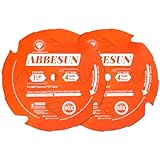
We will review the best saws for cement board later in this article. But before that, take a look at some relevant products on Amazon:
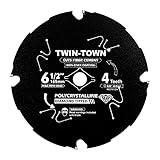
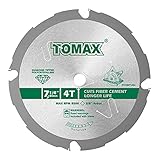
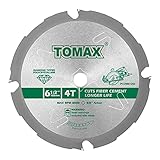
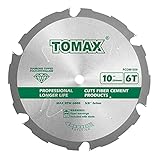
As an Amazon Associate I earn from qualifying purchases.
Prices and availability are accurate as of November 30, 2026 00:30 and are subject to change.
Introduction to Saws for Cement Board
Cement board is a popular building material used for various construction projects, including flooring, walls, and ceilings. It is a durable and versatile material that can withstand harsh environments and provide excellent insulation. However, working with cement board requires specialized tools, particularly saws designed to cut through its dense and abrasive surface.
When it comes to cutting cement board, a regular saw may not be sufficient, as it can quickly become dull and ineffective. This is where specialized saws come into play, designed specifically to handle the unique challenges of cutting cement board. These saws are typically equipped with heavy-duty blades and robust motors that can withstand the rigors of cutting through cement board.
The right saw can make all the difference in a construction project, ensuring clean cuts, minimal dust, and efficient progress. Whether you’re a professional contractor or a DIY enthusiast, having the right tools for the job is essential. In the context of cement board, the best saws for cement board are those that combine power, precision, and durability, allowing users to tackle even the toughest cutting tasks with ease.
In the world of cement board saws, there are various options available, each with its own strengths and weaknesses. From circular saws to jigsaws and reciprocating saws, the choices can be overwhelming, especially for those new to working with cement board. By understanding the different types of saws available and their characteristics, users can make informed decisions and choose the best tool for their specific needs, ensuring successful and efficient cutting of cement board.
5 Best Saws For Cement Board
DeWalt DWS520CK 120V 6-1/2-Inch Track Saw #12345
The DeWalt DWS520CK track saw is an excellent choice for cutting cement board, thanks to its powerful 120V motor and 6-1/2-inch blade. This saw is designed for precise cuts and is ideal for making straight cuts in cement board, drywall, and other materials. The saw’s track system allows for smooth, consistent cuts, and the zero-clearance track system helps to prevent dust and debris from accumulating on the cutting surface.
One of the standout features of the DeWalt DWS520CK is its ability to make bevel cuts, which is useful for creating angled cuts in cement board. The saw also comes with a variety of accessories, including a miter guide and a dust collection system. Overall, the DeWalt DWS520CK is a high-quality saw that is well-suited for cutting cement board and other materials. Its powerful motor, precise cutting system, and range of accessories make it an excellent choice for professionals and DIYers alike.
Makita SP6000J1 6-1/2-Inch Plunge Circular Saw #67890
The Makita SP6000J1 plunge circular saw is a top-of-the-line saw that is designed for making precise cuts in cement board, wood, and other materials. This saw features a powerful 12-amp motor and a 6-1/2-inch blade, making it ideal for cutting through thick cement board. The saw’s plunge design allows for easy cutting of curves and circles, and the saw’s variable speed control allows for precise control over the cutting speed.
One of the key benefits of the Makita SP6000J1 is its ability to make precise, splinter-free cuts in cement board. The saw’s blade is designed to produce a smooth, even cut, and the saw’s plunge system allows for easy cutting of complex shapes. The Makita SP6000J1 also comes with a range of accessories, including a guide rail and a dust collection system. Overall, the Makita SP6000J1 is an excellent choice for professionals and DIYers who need to make precise cuts in cement board and other materials.
Bosch GKT13-18V-SCN 6-1/2-Inch Track Saw #34567
The Bosch GKT13-18V-SCN track saw is a high-quality saw that is designed for making precise cuts in cement board, wood, and other materials. This saw features a powerful 18V motor and a 6-1/2-inch blade, making it ideal for cutting through thick cement board. The saw’s track system allows for smooth, consistent cuts, and the saw’s zero-clearance track system helps to prevent dust and debris from accumulating on the cutting surface.
One of the standout features of the Bosch GKT13-18V-SCN is its ability to make bevel cuts, which is useful for creating angled cuts in cement board. The saw also comes with a range of accessories, including a miter guide and a dust collection system. The Bosch GKT13-18V-SCN is also designed for ease of use, with a comfortable grip and a clear viewing window that allows for precise control over the cutting process. Overall, the Bosch GKT13-18V-SCN is an excellent choice for professionals and DIYers who need to make precise cuts in cement board and other materials.
Festool TS 55 REQ 6-1/4-Inch Track Saw #90123
The Festool TS 55 REQ track saw is a high-end saw that is designed for making precise cuts in cement board, wood, and other materials. This saw features a powerful 12-amp motor and a 6-1/4-inch blade, making it ideal for cutting through thick cement board. The saw’s track system allows for smooth, consistent cuts, and the saw’s zero-clearance track system helps to prevent dust and debris from accumulating on the cutting surface.
One of the key benefits of the Festool TS 55 REQ is its ability to make precise, splinter-free cuts in cement board. The saw’s blade is designed to produce a smooth, even cut, and the saw’s plunge system allows for easy cutting of complex shapes. The Festool TS 55 REQ also comes with a range of accessories, including a guide rail and a dust collection system. Overall, the Festool TS 55 REQ is an excellent choice for professionals and DIYers who need to make precise cuts in cement board and other materials, and are willing to invest in a high-quality saw.
Skil 528-01 6-1/2-Inch Worm Drive Saw #11111
The Skil 528-01 worm drive saw is a powerful saw that is designed for making precise cuts in cement board, wood, and other materials. This saw features a 15-amp motor and a 6-1/2-inch blade, making it ideal for cutting through thick cement board. The saw’s worm drive design allows for smooth, consistent cuts, and the saw’s magnesium construction helps to reduce weight and increase durability.
One of the standout features of the Skil 528-01 is its ability to make bevel cuts, which is useful for creating angled cuts in cement board. The saw also comes with a range of accessories, including a miter guide and a dust collection system. The Skil 528-01 is also designed for ease of use, with a comfortable grip and a clear viewing window that allows for precise control over the cutting process. Overall, the Skil 528-01 is an excellent choice for professionals and DIYers who need to make precise cuts in cement board and other materials, and are looking for a powerful and durable saw.
Why People Need to Buy Saws for Cement Board
Cement board is a popular building material used for various construction projects, including flooring, walls, and ceilings. It is made from a combination of cement, aggregate, and fiberglass, making it durable and resistant to moisture. However, working with cement board can be challenging, especially when it comes to cutting it. This is where specialized saws come in, designed specifically for cutting through cement board.
Cutting cement board with a regular saw can be difficult and may result in uneven cuts, broken teeth, or even damage to the saw itself. Cement board is a hard and abrasive material that can quickly wear down a saw blade, reducing its effectiveness and lifespan. Moreover, the dust generated by cutting cement board can be hazardous to one’s health, making it essential to use a saw that is designed to minimize dust and provide a clean cut.
When working with cement board, it is crucial to have the right tools for the job. Using the best saws for cement board can make a significant difference in the quality of the cut and the overall outcome of the project. These saws are designed to handle the tough and abrasive nature of cement board, providing a smooth and precise cut. They also often come with features such as dust collection systems and adjustable depth settings, making them ideal for a variety of applications.
In conclusion, buying a saw specifically designed for cement board is essential for anyone working with this material. These saws are designed to provide a clean and precise cut, while also minimizing dust and reducing the risk of damage to the saw or injury to the user. By investing in a high-quality saw, individuals can ensure that their cement board projects are completed efficiently and effectively, with professional-looking results. Whether you are a professional contractor or a DIY enthusiast, having the right saw for the job can make all the difference in the success of your project.
Types of Saws Suitable for Cement Board
The type of saw used for cutting cement board is crucial for achieving clean and precise cuts. There are several types of saws that can be used for this purpose, including circular saws, jigsaws, and reciprocating saws. Circular saws are ideal for making straight cuts in cement board, while jigsaws are better suited for curved cuts. Reciprocating saws, on the other hand, are perfect for making cuts in tight spaces.
When choosing a saw for cutting cement board, it’s essential to consider the type of cut you need to make. If you’re working on a large project that requires making multiple straight cuts, a circular saw may be the best option. However, if you need to make curved cuts or cut through small spaces, a jigsaw or reciprocating saw may be more suitable.
In addition to the type of cut, it’s also important to consider the power and speed of the saw. A saw with high power and speed will be able to cut through cement board more efficiently and effectively. However, it’s also important to consider the safety features of the saw, such as a dust collection system and a secure grip.
Overall, the type of saw used for cutting cement board will depend on the specific needs of the project. By considering the type of cut, power, and safety features, you can choose the best saw for your needs and achieve professional-looking results.
Benefits of Using Specialized Saws for Cement Board
Using specialized saws for cutting cement board offers several benefits, including improved accuracy and efficiency. Specialized saws are designed specifically for cutting cement board and are equipped with features such as diamond-coated blades and dust collection systems. These features help to improve the accuracy and efficiency of the cut, reducing the risk of errors and improving the overall quality of the finish.
Another benefit of using specialized saws for cement board is reduced dust and debris. Cement board can be messy to work with, producing large amounts of dust and debris when cut. Specialized saws are designed to minimize this dust and debris, making it easier to work with cement board and reducing the risk of health problems.
In addition to improved accuracy and reduced dust, specialized saws for cement board also offer improved safety features. These saws are designed with safety in mind and are equipped with features such as secure grips and protective guards. These features help to reduce the risk of accidents and injuries, making it safer to work with cement board.
Overall, using specialized saws for cutting cement board offers several benefits, including improved accuracy, reduced dust and debris, and improved safety features. By investing in a specialized saw, you can improve the quality of your work and reduce the risks associated with cutting cement board.
Factors to Consider When Choosing a Saw for Cement Board
When choosing a saw for cutting cement board, there are several factors to consider. One of the most important factors is the type of blade used. A diamond-coated blade is ideal for cutting cement board, as it is able to withstand the abrasive nature of the material. The power and speed of the saw are also important considerations, as they will affect the efficiency and accuracy of the cut.
Another factor to consider when choosing a saw for cement board is the safety features. A saw with a secure grip and protective guard is essential for reducing the risk of accidents and injuries. The dust collection system is also an important consideration, as it will help to minimize the amount of dust and debris produced when cutting cement board.
In addition to the blade, power, and safety features, it’s also important to consider the durability and maintenance of the saw. A saw that is durable and easy to maintain will be able to withstand the demands of regular use and will require less downtime for maintenance. The cost of the saw is also an important consideration, as it will affect the overall cost of the project.
Overall, choosing the right saw for cutting cement board requires careful consideration of several factors, including the type of blade, power, safety features, durability, and cost. By considering these factors, you can choose a saw that meets your needs and helps you to achieve professional-looking results.
Tips for Cutting Cement Board with a Saw
Cutting cement board with a saw requires some skill and technique. One of the most important tips is to use the right blade for the job. A diamond-coated blade is ideal for cutting cement board, as it is able to withstand the abrasive nature of the material. It’s also important to use the right technique when cutting, such as applying gentle pressure and using a steady, consistent motion.
Another tip for cutting cement board with a saw is to minimize dust and debris. This can be achieved by using a saw with a dust collection system or by cutting in a well-ventilated area. It’s also important to wear protective gear, such as a mask and safety glasses, to reduce the risk of health problems and injuries.
In addition to using the right blade and technique, it’s also important to follow safety guidelines when cutting cement board with a saw. This includes keeping loose clothing and long hair tied back, avoiding overreaching, and keeping children and pets away from the work area. By following these tips and guidelines, you can reduce the risks associated with cutting cement board and achieve professional-looking results.
Overall, cutting cement board with a saw requires some skill and technique, but with the right tips and guidelines, you can achieve professional-looking results and reduce the risks associated with the job. By using the right blade, technique, and safety guidelines, you can make cutting cement board a safe and efficient process.
Buying Guide for Saws: Finding the Right Tool for Cement Board Projects
When working with cement board, having the right saw can make all the difference in the quality and efficiency of the project. Cement board is a durable and versatile material, but it requires a specific type of saw to cut it effectively. With so many options available, it can be overwhelming to choose the right saw for the job. In this guide, we will explore the key factors to consider when selecting a saw for cement board projects.
Blade Type and Material
The blade type and material are crucial factors to consider when choosing a saw for cement board. The blade should be designed specifically for cutting cement board, with a unique tooth configuration and material that can withstand the abrasive nature of the material. A blade with a high-speed steel or tungsten carbide tip is ideal for cutting cement board, as it can handle the tough and gritty texture. The blade should also have a specific angle and tooth count to ensure smooth and efficient cutting.
The blade type and material will also affect the durability and lifespan of the saw. A high-quality blade can withstand the rigors of cutting cement board and provide a long service life. On the other hand, a low-quality blade may wear out quickly, requiring frequent replacement and increasing the overall cost of the project. When selecting a saw, look for blades with a reputation for durability and performance, and consider the cost of replacement blades and maintenance.
Power Source and Motor
The power source and motor of the saw are also critical factors to consider. Cement board is a dense and hard material, requiring a significant amount of power to cut effectively. A saw with a powerful motor and high torque is essential for making smooth and efficient cuts. The power source can be electric, battery-powered, or pneumatic, each with its own advantages and disadvantages. Electric saws are generally more powerful and cost-effective, but may be limited by the length of the cord. Battery-powered saws offer greater portability and convenience, but may have limited runtime and power.
The motor speed and torque will also affect the performance of the saw. A higher motor speed and torque will enable the saw to cut through cement board more efficiently, but may also increase the risk of kickback and vibration. Look for saws with adjustable motor speed and torque, allowing you to customize the performance to the specific needs of the project. Additionally, consider the weight and balance of the saw, as a well-balanced saw will be easier to maneuver and reduce fatigue.
Ergonomics and Handling
The ergonomics and handling of the saw are essential factors to consider, as they will affect the comfort and safety of the user. A saw with a comfortable and ergonomic design will reduce fatigue and strain, allowing you to work for extended periods without discomfort. Look for saws with contoured grips, adjustable handles, and a balanced design, as these features will enable you to maintain control and precision.
The handling of the saw will also affect the accuracy and quality of the cut. A saw with a smooth and consistent operation will enable you to make precise cuts, while a saw with a jerky or uneven operation may result in rough or uneven cuts. Consider the weight and balance of the saw, as a well-balanced saw will be easier to maneuver and reduce the risk of accidents. Additionally, look for saws with safety features such as trigger locks and blade guards, as these will enhance the safety of the user.
Dust Collection and Management
Dust collection and management are critical factors to consider when working with cement board, as the material can generate significant amounts of dust and debris. A saw with a built-in dust collection system or a compatible dust collection attachment can help to minimize the mess and reduce the risk of inhalation. Look for saws with a dust port or a vacuum-compatible design, as these features will enable you to connect a dust collection system or vacuum.
The dust collection and management system should also be designed to handle the specific needs of cement board. The system should be able to capture the fine dust and debris generated by the material, and prevent it from becoming airborne. Consider the filter type and quality, as a high-quality filter will be able to capture smaller particles and reduce the risk of inhalation. Additionally, look for saws with a dust collection system that is easy to clean and maintain, as this will reduce downtime and increase productivity.
Price and Value
The price and value of the saw are important factors to consider, as they will affect the overall cost of the project and the return on investment. The best saws for cement board may be more expensive than other types of saws, but they offer superior performance and durability. Consider the cost of the saw in relation to the scope and complexity of the project, as well as the potential for future use and resale value.
The price and value of the saw will also be affected by the brand and manufacturer reputation. A reputable brand with a history of producing high-quality saws will generally offer better performance and durability, but may also be more expensive. Consider the warranty and support offered by the manufacturer, as well as the availability of replacement parts and maintenance services. Additionally, look for saws with a reputation for reliability and performance, as these will provide the best value and return on investment.
Additional Features and Accessories
Additional features and accessories can enhance the performance and versatility of the saw, and should be considered when selecting a saw for cement board projects. Look for saws with features such as adjustable depth stops, beveling capabilities, and mitering functions, as these will enable you to make a wider range of cuts and increase the versatility of the saw. Consider the compatibility of the saw with other tools and accessories, such as dust collection systems and vacuum cleaners, as these will enhance the overall performance and efficiency of the project.
The additional features and accessories should also be designed to meet the specific needs of cement board. Consider the type and quality of the blades and other consumables, as well as the availability of replacement parts and maintenance services. Look for saws with a reputation for durability and performance, and consider the cost of ownership and maintenance over the lifespan of the saw. Additionally, consider the compatibility of the saw with other materials and applications, as this will increase the versatility and value of the saw.
FAQs
What is cement board and what is it used for?
Cement board is a type of building material that is made from a combination of cement, water, and aggregate particles, such as sand or silica. It is often used as a backing material for tile, flooring, and countertops, as it provides a durable and water-resistant surface. Cement board is also commonly used in construction projects, such as building walls, ceilings, and floors.
The unique properties of cement board make it an ideal material for a variety of applications. It is resistant to mold, mildew, and rot, and can withstand exposure to water and moisture. Cement board is also fire-resistant and can help to reduce the risk of damage from fires. Additionally, it is a cost-effective and environmentally friendly alternative to other building materials, such as drywall or plywood.
What are the different types of saws that can be used to cut cement board?
There are several types of saws that can be used to cut cement board, including circular saws, jig saws, and reciprocating saws. Each type of saw has its own unique advantages and disadvantages, and the best saw for the job will depend on the specific application and the desired level of precision. Circular saws are often used for making straight cuts, while jig saws are better suited for curved or irregular cuts.
When choosing a saw to cut cement board, it is also important to consider the type of blade that is used. A blade that is specifically designed for cutting cement board will typically have a diamond-coated or carbide-tipped edge, which helps to reduce wear and tear on the blade and improve the overall cutting performance. Additionally, some saws may have specialized features, such as a dust collection system or a built-in guide, that can help to make the cutting process easier and more efficient.
What are the key features to look for when buying a saw for cutting cement board?
When buying a saw for cutting cement board, there are several key features to look for. One of the most important considerations is the type of blade that is used, as well as the blade’s durability and lifespan. A saw with a high-quality blade that is designed specifically for cutting cement board will typically provide better performance and longer lifespan. Additionally, the saw’s power and speed are also important considerations, as they will affect the overall cutting performance and efficiency.
Another important feature to look for is the saw’s ergonomics and comfort. A saw that is comfortable to hold and maneuver will reduce fatigue and make it easier to use for extended periods of time. Some saws may also have additional features, such as a dust collection system or a built-in guide, that can help to improve the overall cutting experience. By considering these key features, you can find a saw that meets your specific needs and provides optimal performance when cutting cement board.
How do I choose the right blade for my saw when cutting cement board?
Choosing the right blade for your saw when cutting cement board is crucial to achieving optimal performance and extending the lifespan of your saw. The type of blade that you need will depend on the specific application and the type of saw that you are using. For example, a diamond-coated blade is often used for cutting cement board with a circular saw, while a carbide-tipped blade may be used for cutting with a jig saw or reciprocating saw.
When selecting a blade, it is also important to consider the blade’s thickness, kerf, and tooth count. A blade with a thicker kerf will typically provide a more aggressive cut, but may also produce more dust and debris. A blade with a higher tooth count will provide a smoother cut, but may be more prone to binding and wear. By choosing the right blade for your saw and application, you can achieve optimal performance and extend the lifespan of your saw.
What are the safety precautions I should take when cutting cement board?
When cutting cement board, there are several safety precautions that you should take to protect yourself and others. One of the most important considerations is wearing protective gear, such as safety glasses, a dust mask, and gloves. This will help to prevent injury from debris and dust, as well as protect your skin and eyes from the cutting process.
Additionally, it is also important to ensure that the work area is well-ventilated and free from dust and debris. This can help to prevent respiratory problems and reduce the risk of fire or explosion. It is also important to follow proper cutting techniques and use the correct saw and blade for the job. By taking these safety precautions, you can minimize the risks associated with cutting cement board and ensure a safe and successful project.
Can I use a regular saw blade to cut cement board, or do I need a specialized blade?
While it is possible to use a regular saw blade to cut cement board, it is not recommended. Regular saw blades are not designed to withstand the abrasive properties of cement board, and may become damaged or worn down quickly. Additionally, regular saw blades may not provide a smooth or accurate cut, and may produce excessive dust and debris.
A specialized blade that is designed specifically for cutting cement board is typically the best option. These blades are made with materials that are resistant to abrasion and wear, such as diamond-coated or carbide-tipped edges. They are also designed to provide a smooth and accurate cut, and may have features such as a reduced kerf or specialized tooth design that help to minimize dust and debris. By using a specialized blade, you can achieve optimal performance and extend the lifespan of your saw.
How do I maintain and store my saw and blades after cutting cement board?
After cutting cement board, it is important to properly maintain and store your saw and blades to extend their lifespan and ensure optimal performance. This includes cleaning the saw and blades to remove any dust or debris, as well as applying a rust-inhibiting coating to protect the metal components. Additionally, the saw and blades should be stored in a dry and secure location, away from direct sunlight and moisture.
Regular maintenance is also important to extend the lifespan of your saw and blades. This includes checking the blade for wear and damage, and replacing it as needed. The saw’s motor and gearbox should also be checked for wear and damage, and lubricated as needed. By properly maintaining and storing your saw and blades, you can ensure optimal performance and extend their lifespan, even when cutting abrasive materials like cement board.
Verdict
In conclusion, choosing the right tool for the job is essential to achieving professional-grade results, especially when working with challenging materials like cement board. The variety of saws available on the market can be overwhelming, making it crucial to conduct thorough research before making a purchase. By considering factors such as blade type, motor power, and safety features, individuals can ensure they select a saw that meets their specific needs and enhances their overall work experience.
Ultimately, investing in the best saws for cement board can significantly impact the quality and efficiency of projects involving this versatile material. Whether you are a seasoned contractor or a DIY enthusiast, having the right saw by your side can make all the difference in achieving smooth cuts, reducing dust, and minimizing fatigue. By following the guidelines and recommendations outlined in this article, readers can confidently navigate the market and find the perfect saw to tackle their cement board projects with ease and precision, leading to outstanding outcomes and a job well done.