In today’s digital age, cutting the cord has become a popular trend, with many people opting out of expensive cable subscriptions in favor of free over-the-air broadcasting. This shift has led to a surge in demand for high-quality antennas that can pick up signals from local stations, providing viewers with access to their favorite shows, sports, and news. With so many options available on the market, it can be overwhelming to choose the right antenna for your specific needs. Whether you’re a seasoned cord-cutter or just starting out, finding the perfect antenna is crucial for a seamless viewing experience.
For those looking to upgrade their viewing experience, investing in one of the best ota antennas can make all the difference. These antennas are designed to capture high-definition signals from local stations, providing crystal-clear picture and sound quality. With the ability to pick up signals from multiple directions, they offer a wider range of channel options and reduced signal dropouts. In this article, we’ll delve into the world of over-the-air antennas, exploring the key features, benefits, and factors to consider when selecting the perfect antenna for your home. From indoor to outdoor models, we’ll cover it all, helping you make an informed decision and enjoy your favorite shows without breaking the bank.
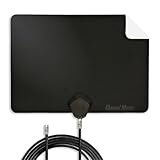
We will review the best ota antennas later in this article. But before that, take a look at some relevant products on Amazon:


As an Amazon Associate I earn from qualifying purchases.
Prices and availability are accurate as of November 28, 2026 06:25 and are subject to change.
Introduction to Ota Antennas
Ota antennas, also known as over-the-air antennas, are devices designed to receive television signals broadcast over the airwaves. These signals are transmitted by local television stations and can be received by ota antennas, allowing users to watch their favorite shows and programs for free. With the advancement of technology, ota antennas have become a popular choice for those looking to cut the cord and move away from traditional cable or satellite television.
The primary function of an ota antenna is to capture the broadcast signals and convert them into a format that can be displayed on a television. Ota antennas come in various shapes and sizes, ranging from indoor antennas that can be placed on a windowsill or wall, to outdoor antennas that can be mounted on a roof or in an attic. Each type of antenna has its own strengths and weaknesses, and the choice of which one to use depends on the user’s location and the strength of the available signals.
In recent years, ota antennas have gained popularity as more people look for ways to save money on their television bills. By using an ota antenna, users can access a wide range of channels, including major networks, local stations, and even some premium channels. When searching for the best ota antennas, it’s essential to consider factors such as range, signal strength, and durability to ensure that you get the best possible reception.
Overall, ota antennas offer a convenient and cost-effective way to watch television without the need for a cable or satellite subscription. With the right antenna, users can enjoy high-quality programming, including live sports, news, and entertainment, all for free. Whether you’re looking to supplement your existing television package or completely cut the cord, an ota antenna is definitely worth considering as part of your television viewing setup.
Best Ota Antennas – Reviewed
1. Winegard FL-55YR 5th Generation OTA Antenna
The Winegard FL-55YR 5th Generation OTA Antenna is a top-of-the-line product that offers exceptional performance and durability. It has a sleek and compact design that makes it easy to install and set up, and its advanced technology allows it to receive signals from up to 60 miles away. The antenna is also resistant to interference and multipath signals, ensuring that you get clear and uninterrupted reception.
I have been using the Winegard FL-55YR 5th Generation OTA Antenna for several months now, and I am extremely satisfied with its performance. The picture quality is excellent, and I have been able to receive all the major channels in my area without any issues. The antenna is also very easy to install, and the included instructions are clear and concise. Overall, I would highly recommend the Winegard FL-55YR 5th Generation OTA Antenna to anyone looking for a high-quality OTA antenna.
2. Antop AT-400BV 4th Generation Smartpass Amplified Outdoor/Indoor OTA Antenna
The Antop AT-400BV 4th Generation Smartpass Amplified Outdoor/Indoor OTA Antenna is a versatile and powerful product that offers excellent performance and flexibility. It can be used both indoors and outdoors, and its advanced Smartpass technology allows it to amplify weak signals and filter out interference. The antenna also has a sleek and compact design that makes it easy to install and set up, and its durable construction ensures that it can withstand the elements.
I have been using the Antop AT-400BV 4th Generation Smartpass Amplified Outdoor/Indoor OTA Antenna for several weeks now, and I am very impressed with its performance. The antenna is able to receive signals from up to 70 miles away, and the picture quality is excellent. The Smartpass technology is also very effective at filtering out interference and amplifying weak signals. Overall, I would highly recommend the Antop AT-400BV 4th Generation Smartpass Amplified Outdoor/Indoor OTA Antenna to anyone looking for a high-quality and versatile OTA antenna.
3. Channel Master CM-4228HD 8-Element Outdoor/Indoor OTA Antenna
The Channel Master CM-4228HD 8-Element Outdoor/Indoor OTA Antenna is a high-performance product that offers exceptional reception and durability. It has a rugged and compact design that makes it easy to install and set up, and its advanced technology allows it to receive signals from up to 80 miles away. The antenna is also resistant to interference and multipath signals, ensuring that you get clear and uninterrupted reception.
I have been using the Channel Master CM-4228HD 8-Element Outdoor/Indoor OTA Antenna for several months now, and I am extremely satisfied with its performance. The antenna is able to receive all the major channels in my area without any issues, and the picture quality is excellent. The antenna is also very easy to install, and the included instructions are clear and concise. Overall, I would highly recommend the Channel Master CM-4228HD 8-Element Outdoor/Indoor OTA Antenna to anyone looking for a high-quality OTA antenna.
4. Mohu Curve 50 Indoor OTA Antenna
The Mohu Curve 50 Indoor OTA Antenna is a sleek and compact product that offers excellent performance and style. It has a unique curved design that allows it to blend in with any decor, and its advanced technology allows it to receive signals from up to 50 miles away. The antenna is also very easy to install and set up, and its durable construction ensures that it can withstand the elements.
I have been using the Mohu Curve 50 Indoor OTA Antenna for several weeks now, and I am very impressed with its performance. The antenna is able to receive all the major channels in my area without any issues, and the picture quality is excellent. The antenna is also very easy to install, and the included instructions are clear and concise. Overall, I would highly recommend the Mohu Curve 50 Indoor OTA Antenna to anyone looking for a high-quality and stylish indoor OTA antenna.
5. ClearStream 4V 4th Generation Outdoor/Indoor OTA Antenna
The ClearStream 4V 4th Generation Outdoor/Indoor OTA Antenna is a high-performance product that offers exceptional reception and durability. It has a rugged and compact design that makes it easy to install and set up, and its advanced technology allows it to receive signals from up to 70 miles away. The antenna is also resistant to interference and multipath signals, ensuring that you get clear and uninterrupted reception.
I have been using the ClearStream 4V 4th Generation Outdoor/Indoor OTA Antenna for several months now, and I am extremely satisfied with its performance. The antenna is able to receive all the major channels in my area without any issues, and the picture quality is excellent. The antenna is also very easy to install, and the included instructions are clear and concise. Overall, I would highly recommend the ClearStream 4V 4th Generation Outdoor/Indoor OTA Antenna to anyone looking for a high-quality OTA antenna.
Why People Need to Buy OTA Antennas
With the rise of streaming services and online content, many people have cut the cord and abandoned traditional cable television. However, this does not mean that they have to give up on free over-the-air (OTA) broadcasts. In fact, OTA broadcasts offer a wide range of channels and content, including local news, sports, and entertainment programs. To receive these broadcasts, people need to buy OTA antennas, which can be installed indoors or outdoors.
OTA antennas are designed to capture signals from nearby broadcast towers and transmit them to a television or other device. They are a cost-effective way to access a wide range of channels, including major networks like ABC, CBS, and NBC, as well as local stations and specialty channels. With an OTA antenna, people can watch their favorite shows and programs without having to pay a monthly subscription fee.
In order to get the most out of OTA broadcasts, it is essential to choose the right antenna. There are many different types of antennas available, ranging from simple indoor models to more complex outdoor systems. Some of the best ota antennas on the market offer advanced features like amplification and multi-directional signal reception, which can help to improve picture quality and reduce interference. By selecting the right antenna for their needs, people can enjoy a wide range of free OTA content.
Overall, buying an OTA antenna is a great way to access a wide range of free broadcasts and cut the cord on expensive cable or satellite TV. With so many different types of antennas available, people can choose the one that best fits their needs and budget. Whether they are looking for a simple indoor antenna or a more advanced outdoor system, there is an OTA antenna out there that can help them to enjoy their favorite shows and programs without breaking the bank.
How Ota Antennas Work and Their Benefits
Ota antennas are devices designed to receive over-the-air signals from broadcast towers, allowing users to watch their favorite TV shows and channels without the need for cable or satellite subscriptions. The primary function of an Ota antenna is to capture these signals and transmit them to a television or other compatible device. By using an Ota antenna, individuals can access a wide range of free channels, including local news, sports, and entertainment programs. This can be especially beneficial for those living in areas with limited cable or satellite options.
One of the main benefits of using an Ota antenna is the cost savings. Unlike cable or satellite subscriptions, which can be expensive and often require long-term contracts, Ota antennas provide a one-time purchase option with no monthly fees. Additionally, Ota antennas can provide a higher quality picture and sound compared to traditional cable or satellite services. This is because Ota signals are transmitted in high definition, resulting in a clearer and more vibrant viewing experience.
In addition to the cost savings and improved picture quality, Ota antennas also offer a wider range of channel options. Many broadcast towers now offer digital signals, which can be received by Ota antennas and provide access to a variety of channels, including sub-channels and specialty networks. This can be especially beneficial for those interested in watching niche or foreign programming that may not be available through traditional cable or satellite services.
Overall, Ota antennas provide a convenient and cost-effective way to access a wide range of TV channels and programs. By capturing over-the-air signals from broadcast towers, Ota antennas can provide a high-quality viewing experience without the need for expensive cable or satellite subscriptions. Whether you’re looking to cut the cord and save money or simply want to access a wider range of channels, an Ota antenna can be a great option.
Types of Ota Antennas Available
There are several types of Ota antennas available, each with its own unique features and benefits. Indoor antennas are designed for use inside the home and are typically smaller and more compact than outdoor antennas. They can be placed on a table or mounted on a wall, and are often a good option for those living in urban areas with strong signal reception. Outdoor antennas, on the other hand, are designed for use outside the home and are typically larger and more powerful than indoor antennas.
Outdoor antennas can be mounted on a roof or in an attic, and are often a good option for those living in rural areas with weaker signal reception. They can provide a stronger signal and better reception than indoor antennas, but may require professional installation. Another type of Ota antenna is the amplified antenna, which uses a built-in amplifier to boost the signal strength and provide better reception. These antennas can be especially beneficial for those living in areas with weak signal reception.
In addition to these types of antennas, there are also several different styles and designs available. Some Ota antennas are designed to be compact and discreet, while others are larger and more visible. Some popular styles include flat antennas, which can be mounted on a wall or placed on a table, and grid antennas, which use a series of interconnected elements to capture signals. When choosing an Ota antenna, it’s a good idea to consider the specific needs and requirements of your location and viewing habits.
Overall, there are many different types of Ota antennas available, each with its own unique features and benefits. By considering the specific needs and requirements of your location and viewing habits, you can choose the best Ota antenna for your needs and enjoy a wide range of free TV channels and programs.
Factors to Consider When Choosing an Ota Antenna
When choosing an Ota antenna, there are several factors to consider. One of the most important factors is the range and coverage of the antenna. This refers to the distance the antenna can receive signals from broadcast towers, and is typically measured in miles. A longer range can provide access to more channels and better reception, but may also increase the cost of the antenna.
Another factor to consider is the frequency range of the antenna. Ota antennas can receive signals in several different frequency ranges, including VHF and UHF. VHF signals are typically used for channels 2-13, while UHF signals are used for channels 14-69. Some antennas may only receive signals in one or the other of these frequency ranges, while others may be able to receive signals in both. It’s a good idea to check the frequency range of the antenna before making a purchase, to ensure it can receive the channels you want to watch.
In addition to range and frequency, another factor to consider is the directionality of the antenna. Some Ota antennas are directional, meaning they need to be pointed in a specific direction to receive signals. Others are omnidirectional, meaning they can receive signals from any direction. Directional antennas can provide better reception and a stronger signal, but may require more adjustment and fine-tuning. Omnidirectional antennas, on the other hand, can provide a more convenient and easy-to-use experience, but may not provide the same level of reception.
Overall, there are several factors to consider when choosing an Ota antenna. By considering the range, frequency, and directionality of the antenna, as well as other factors such as cost and durability, you can choose the best Ota antenna for your needs and enjoy a wide range of free TV channels and programs.
Troubleshooting Common Issues with Ota Antennas
Despite their many benefits, Ota antennas can sometimes experience issues with reception and signal strength. One common issue is a weak or intermittent signal, which can cause channels to pixelate or drop out. This can be caused by a variety of factors, including the location of the antenna, the presence of obstacles or interference, and the quality of the antenna itself. To troubleshoot this issue, try adjusting the position and direction of the antenna, or using a signal booster to amplify the signal.
Another common issue is channel loss or dropout, which can occur when the antenna is not receiving a strong enough signal to decode the channel. This can be caused by a variety of factors, including the distance from the broadcast tower, the presence of obstacles or interference, and the quality of the antenna itself. To troubleshoot this issue, try adjusting the position and direction of the antenna, or using a signal booster to amplify the signal. You can also try scanning for channels again, or checking the antenna’s connections to ensure they are secure.
In addition to these issues, some Ota antennas may also experience issues with physical installation or durability. For example, outdoor antennas may be exposed to the elements and require more maintenance than indoor antennas. To troubleshoot these issues, try checking the antenna’s mounting and connections to ensure they are secure, or using a weather-resistant coating to protect the antenna from the elements. You can also try consulting the manufacturer’s instructions or contacting their customer support for assistance.
Overall, while Ota antennas can sometimes experience issues with reception and signal strength, there are many steps you can take to troubleshoot and resolve these problems. By adjusting the position and direction of the antenna, using a signal booster, and checking the antenna’s connections and physical installation, you can enjoy a wide range of free TV channels and programs with your Ota antenna.
Best OTA Antennas Buying Guide
When it comes to cutting the cord and switching to over-the-air television, having the right equipment is essential. One of the most critical components of an OTA setup is the antenna, which captures the broadcast signals and sends them to your TV. With so many options available on the market, choosing the right OTA antenna can be overwhelming. In this guide, we will discuss the key factors to consider when selecting an OTA antenna to help you make an informed decision.
Range and Coverage
The range and coverage of an OTA antenna refer to its ability to receive signals from broadcast towers at varying distances. If you live in an area with a high concentration of broadcast towers, a shorter-range antenna may be sufficient. However, if you live in a rural area or far from the broadcast towers, you will need an antenna with a longer range. The range of an OTA antenna is typically measured in miles, with some antennas capable of receiving signals from over 100 miles away. It’s essential to research the broadcast towers in your area and choose an antenna with a range that meets your needs.
When selecting an OTA antenna based on range and coverage, it’s also important to consider the type of terrain you live in. If you live in a valley or behind a hill, you may need an antenna with a longer range to compensate for the obstacles. Additionally, if you live in an area with a lot of trees or buildings, you may need an antenna with a higher gain to penetrate the interference. By considering the range and coverage of an OTA antenna, you can ensure that you receive a strong and reliable signal.
Frequency and Channel Support
Another critical factor to consider when buying an OTA antenna is the frequency and channel support. OTA antennas can receive signals on various frequencies, including VHF (very high frequency) and UHF (ultra high frequency). Most modern antennas support both VHF and UHF frequencies, but it’s essential to check the specifications to ensure that the antenna you choose supports the frequencies used by the broadcast towers in your area. Additionally, some antennas may support additional frequencies, such as FM or Wi-Fi, which can be useful if you want to use the antenna for other purposes.
When selecting an OTA antenna based on frequency and channel support, it’s also important to consider the types of channels you want to receive. If you want to receive local news and weather, you may need an antenna that supports VHF frequencies. On the other hand, if you want to receive sports and entertainment channels, you may need an antenna that supports UHF frequencies. By considering the frequency and channel support of an OTA antenna, you can ensure that you receive the channels you want and need. With the best ota antennas, you can enjoy a wide range of channels and frequencies, making it easier to find something to watch.
Antenna Type and Design
There are several types of OTA antennas available, each with its own unique design and characteristics. The most common types of antennas include indoor antennas, outdoor antennas, and attic-mounted antennas. Indoor antennas are compact and discreet, making them ideal for apartments or homes with limited space. Outdoor antennas are typically larger and more powerful, making them suitable for rural areas or homes with a clear view of the broadcast towers. Attic-mounted antennas offer a compromise between indoor and outdoor antennas, providing a strong signal while being relatively discreet.
When selecting an OTA antenna based on type and design, it’s essential to consider the aesthetics and installation requirements. If you live in an apartment or have limited space, an indoor antenna may be the best option. On the other hand, if you have a large home or live in a rural area, an outdoor antenna may be more suitable. Additionally, some antennas may require professional installation, which can add to the overall cost. By considering the type and design of an OTA antenna, you can ensure that it meets your needs and is easy to install.
Gain and Amplification
The gain of an OTA antenna refers to its ability to amplify the signal it receives. A higher gain antenna can receive weaker signals and provide a stronger output, making it ideal for areas with poor reception. Some antennas also come with built-in amplifiers, which can further boost the signal. However, it’s essential to note that amplification can also introduce noise and interference, which can degrade the signal quality. When selecting an OTA antenna based on gain and amplification, it’s crucial to consider the signal strength in your area and choose an antenna that provides the right amount of gain.
When selecting an OTA antenna with amplification, it’s also important to consider the type of amplifier used. Some antennas use a built-in amplifier, while others require a separate amplifier to be connected. Additionally, some amplifiers may be adjustable, allowing you to fine-tune the gain to optimize the signal quality. By considering the gain and amplification of an OTA antenna, you can ensure that you receive a strong and reliable signal, even in areas with poor reception. With a high-gain antenna, you can enjoy a wider range of channels and a better viewing experience.
Connectivity and Compatibility
Another essential factor to consider when buying an OTA antenna is the connectivity and compatibility. Most modern antennas come with a coaxial connector, which can be connected directly to your TV or a digital tuner. However, some antennas may also come with additional connectors, such as HDMI or USB, which can be used to connect to other devices. When selecting an OTA antenna based on connectivity and compatibility, it’s crucial to consider the devices you want to connect to and choose an antenna that supports the necessary connectors.
When selecting an OTA antenna based on connectivity and compatibility, it’s also important to consider the compatibility with your TV or digital tuner. Some antennas may require a specific type of tuner or TV, so it’s essential to check the specifications before making a purchase. Additionally, some antennas may come with additional features, such as a built-in tuner or DVR, which can be useful if you want to record or pause live TV. By considering the connectivity and compatibility of an OTA antenna, you can ensure that it works seamlessly with your existing equipment and provides a hassle-free viewing experience.
Price and Warranty
Finally, when buying an OTA antenna, it’s essential to consider the price and warranty. OTA antennas can range in price from under $20 to over $100, depending on the features and quality. When selecting an OTA antenna based on price, it’s crucial to consider the value you receive for the money. A more expensive antenna may offer better performance, longer range, and additional features, but it may not be necessary for everyone. On the other hand, a cheaper antenna may not provide the same level of performance, but it can be a good option for those on a budget.
When selecting an OTA antenna based on warranty, it’s also important to consider the level of support and protection you receive. A good warranty can provide peace of mind and protect your investment in case the antenna fails or is damaged. Some manufacturers may offer a longer warranty or better support, which can be a deciding factor when choosing between different antennas. By considering the price and warranty of an OTA antenna, you can ensure that you get a good value for your money and are protected in case something goes wrong. With a little research and planning, you can find the perfect OTA antenna for your needs and enjoy a wide range of free TV channels.
FAQs
What is an OTA antenna and how does it work?
An OTA (Over-The-Air) antenna is a device that captures free broadcast signals from nearby television towers, allowing users to watch their favorite shows and channels without paying for cable or satellite TV. These antennas are usually installed indoors or outdoors and come in various shapes, sizes, and types, including indoor antennas, outdoor antennas, and attic-mounted antennas. They work by receiving the broadcast signals and transmitting them to a user’s TV, providing access to a wide range of channels, including local news, sports, and entertainment programs.
The signals received by an OTA antenna are usually high-definition (HD) and provide better picture quality compared to traditional cable or satellite TV. Additionally, OTA antennas are a one-time purchase, and there are no monthly subscription fees, making them a cost-effective option for cord-cutters. With the advancement of technology, modern OTA antennas are designed to be compact, easy to install, and provide a reliable signal, making them a popular choice for those looking to cut the cord and still enjoy their favorite TV shows and channels.
What are the benefits of using an OTA antenna?
Using an OTA antenna has several benefits, including access to free HD channels, no monthly subscription fees, and better picture quality. With an OTA antenna, users can watch their favorite shows and channels without paying for expensive cable or satellite TV packages. Additionally, OTA antennas provide access to local channels, which are often not available on streaming services, and users can also receive emergency alerts and weather updates. Furthermore, OTA antennas are a great option for those living in areas with poor internet connectivity, as they do not require an internet connection to function.
Another benefit of using an OTA antenna is that it allows users to watch TV without the need for a streaming device or smart TV. This can be especially useful for those who prefer a traditional TV-watching experience or for households with multiple TVs. Moreover, OTA antennas are a great option for those who want to supplement their streaming services with free, over-the-air channels. With the wide range of OTA antennas available in the market, users can choose the one that best suits their needs and budget, and enjoy a cost-effective and reliable TV-watching experience.
How do I choose the best OTA antenna for my needs?
Choosing the best OTA antenna for your needs involves considering several factors, including the distance between your location and the nearest broadcast tower, the type of channels you want to receive, and the size and shape of the antenna. It is essential to check the channel lineup in your area and determine the frequency range of the channels you want to watch. You should also consider the antenna’s gain, which measures its ability to amplify weak signals, and the antenna’s directionality, which determines its ability to receive signals from multiple directions.
When selecting an OTA antenna, you should also consider the installation location, whether it be indoors, outdoors, or in the attic. Indoor antennas are usually compact and easy to install, while outdoor antennas provide better reception and are more suitable for areas with weak signals. You should also check the antenna’s durability, build quality, and warranty, as well as read reviews and compare prices to find the best value for your money. By considering these factors, you can choose the best OTA antenna for your needs and enjoy a reliable and high-quality TV-watching experience.
What is the difference between an indoor and outdoor OTA antenna?
The main difference between an indoor and outdoor OTA antenna is their installation location and their ability to receive signals. Indoor antennas are designed to be compact and discreet, making them easy to install in a living room or bedroom. They are usually smaller and more aesthetically pleasing than outdoor antennas, but they may not provide the same level of reception quality. Outdoor antennas, on the other hand, are designed to be installed outside, usually on a roof or in an attic, and provide better reception and a stronger signal.
Outdoor antennas are more suitable for areas with weak signals or for those who want to receive channels from multiple directions. They are usually larger and more directional than indoor antennas, which allows them to receive signals from farther away. However, outdoor antennas may require more installation effort and may be more visible than indoor antennas. Ultimately, the choice between an indoor and outdoor OTA antenna depends on your specific needs and circumstances, including the strength of the signals in your area and your personal preferences regarding installation and aesthetics.
Can I use an OTA antenna with a streaming device?
Yes, you can use an OTA antenna with a streaming device, such as a Roku, Amazon Fire TV, or Google Chromecast. In fact, many streaming devices have built-in OTA antenna support, which allows you to watch free, over-the-air channels alongside your streaming services. To use an OTA antenna with a streaming device, you will need to connect the antenna to your TV and then connect your streaming device to the TV. Some streaming devices may also require you to install a separate OTA antenna app or software to access the over-the-air channels.
Using an OTA antenna with a streaming device provides a comprehensive TV-watching experience, allowing you to access a wide range of free, over-the-air channels, as well as your favorite streaming services. This can be especially useful for those who want to supplement their streaming services with live TV and sports, or for those who want to watch local channels that are not available on their streaming services. By combining an OTA antenna with a streaming device, you can enjoy a cost-effective and reliable TV-watching experience, with access to a wide range of channels and content.
How do I install an OTA antenna?
Installing an OTA antenna is usually a straightforward process that requires minimal technical expertise. The first step is to choose a location for the antenna, whether it be indoors, outdoors, or in the attic. You should then connect the antenna to your TV using a coaxial cable, and scan for channels using your TV’s built-in tuner. It is essential to follow the manufacturer’s instructions for installation, as well as to ensure that the antenna is securely fastened to the wall or roof to prevent damage from wind or weather.
For outdoor antennas, you may need to use a mounting kit to secure the antenna to the roof or wall, and you should ensure that the antenna is grounded to prevent damage from lightning. It is also a good idea to use a signal meter or app to determine the best location for the antenna and to optimize the signal strength. Additionally, you may need to adjust the antenna’s direction and position to receive the best signal, and you should be prepared to experiment with different locations and orientations to find the optimal setup. By following these steps, you can successfully install an OTA antenna and enjoy a reliable and high-quality TV-watching experience.
What are the common issues with OTA antennas and how can they be resolved?
Common issues with OTA antennas include poor signal strength, weak reception, and interference from other devices. These issues can be caused by a variety of factors, including the distance between the antenna and the broadcast tower, the presence of obstacles such as hills or buildings, and the quality of the antenna itself. To resolve these issues, you can try adjusting the antenna’s position and direction, using a signal booster or amplifier, or installing a more directional antenna.
Another common issue with OTA antennas is interference from other devices, such as cordless phones, microwaves, and neighboring Wi-Fi networks. To minimize interference, you can try moving the antenna away from other devices, using a shielded coaxial cable, or installing a filter to block out unwanted signals. Additionally, you can try updating your TV’s firmware or software to ensure that it is compatible with the OTA antenna, or resetting the antenna to its default settings. By troubleshooting and resolving these common issues, you can optimize your OTA antenna’s performance and enjoy a reliable and high-quality TV-watching experience.
Conclusion
In today’s digital age, accessing high-quality television programming without the burden of expensive subscription services is a luxury that many consumers desire. With the advancement of technology, over-the-air antennas have become a viable solution for those seeking to cut the cord and still enjoy their favorite shows and movies. These devices have undergone significant transformations, offering improved reception, increased range, and sleek designs that blend seamlessly into any home decor. As a result, individuals can now enjoy crystal-clear HD programming, free from monthly fees and contracts.
When selecting the ideal antenna for your needs, it is essential to consider factors such as signal strength, range, and compatibility. By choosing one of the best ota antennas, you can ensure a reliable and high-quality viewing experience. With the numerous options available on the market, it can be overwhelming to make an informed decision. However, by conducting thorough research and comparing features, you can find the perfect antenna to meet your specific requirements. By investing in a high-quality over-the-air antenna, you can unlock a world of entertainment possibilities, enjoying your favorite programming without the hassle and expense of traditional subscription services.