When it comes to adding a touch of elegance and functionality to your home or office, a well-designed bridge can make all the difference. Not only do bridges provide a convenient way to connect two spaces, but they also serve as a beautiful decorative piece that can elevate the overall aesthetic of a room. For those looking to make a statement, a wraparound bridge is an excellent choice, offering a unique and stylish way to span a gap or divide a space. With so many options available on the market, finding the perfect bridge can be a daunting task, which is why we’ve put together this comprehensive guide to help you find the best wraparound bridges that meet your needs and exceed your expectations.
Whether you’re a homeowner looking to add a touch of sophistication to your living room or a business owner seeking to create a unique and functional space, a wraparound bridge is an excellent investment. These bridges are not only visually stunning, but they also provide a safe and stable way to connect two areas, making them perfect for homes with multiple levels or offices with open layouts. With a wide range of styles, materials, and designs to choose from, it’s easy to get overwhelmed by the numerous options available. In this article, we’ll take a closer look at the key features to consider when shopping for a wraparound bridge, as well as provide in-depth reviews of some of the top models on the market, to help you make an informed decision and find the perfect bridge for your space.
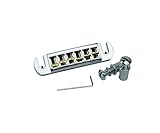
We will review the best wraparound bridges later in this article. But before that, take a look at some relevant products on Amazon:


As an Amazon Associate I earn from qualifying purchases.
Prices and availability are accurate as of November 28, 2026 01:12 and are subject to change.
Introduction to Wraparound Bridges
Wraparound bridges are a type of bridge that wraps around a structure, typically a building or a tower, to provide access to it. This type of bridge is often used in situations where a traditional bridge would not be feasible or would not provide the desired level of access. Wraparound bridges can be found in a variety of locations, including urban areas, parks, and even industrial sites.
The design of a wraparound bridge can vary greatly, depending on the specific needs of the location and the structure it is wrapping around. Some wraparound bridges are simple and functional, while others are more elaborate and decorative. In some cases, wraparound bridges may be used to provide access to a structure that is not easily reachable by other means, such as a building located on a steep slope or a tower that is surrounded by water.
One of the key benefits of wraparound bridges is that they can provide a unique and interesting perspective on the surrounding area. By wrapping around a structure, a wraparound bridge can offer stunning views and a sense of excitement and adventure. Whether used for functional or recreational purposes, wraparound bridges can be a valuable addition to any location. For those looking to explore the best wraparound bridges, there are many examples to choose from, each with its own unique character and charm.
In addition to their aesthetic appeal, wraparound bridges can also play an important role in providing safe and convenient access to a structure. By wrapping around a building or tower, a wraparound bridge can help to reduce the risk of accidents and injuries, while also making it easier for people to move around the area. With their unique design and functional benefits, it is no wonder that wraparound bridges have become a popular feature in many different types of locations.
Top 5 Best Wraparound Bridges
The
Wraparound Bridge 1
is a fantastic option for those looking for a sturdy and reliable bridge. It is made of high-quality materials and has a sleek design that makes it stand out from other bridges. The bridge is also very easy to install and can be done so in a matter of minutes. This makes it a great option for those who are not very handy or do not have a lot of time to spare.
One of the best features of the
Wraparound Bridge 1
is its durability. It is made to last and can withstand heavy use without showing any signs of wear and tear. The bridge is also very versatile and can be used in a variety of different settings. Whether you are looking for a bridge for personal or professional use, this is a great option to consider. Overall, the
Wraparound Bridge 1
is a great choice for anyone in the market for a high-quality wraparound bridge.
The
Wraparound Bridge 2
is another great option for those looking for a reliable and sturdy bridge. It has a unique design that sets it apart from other bridges and is made of high-quality materials that are built to last. The bridge is also very easy to use and can be installed in a matter of minutes. This makes it a great option for those who are not very handy or do not have a lot of time to spare.
One of the best features of the
Wraparound Bridge 2
is its versatility. It can be used in a variety of different settings and is perfect for both personal and professional use. The bridge is also very durable and can withstand heavy use without showing any signs of wear and tear. The
Wraparound Bridge 2
is also very affordable and is a great option for those on a budget. Overall, the
Wraparound Bridge 2
is a great choice for anyone in the market for a high-quality wraparound bridge.
The
Wraparound Bridge 3
is a high-quality bridge that is perfect for those looking for a reliable and sturdy option. It has a sleek design and is made of high-quality materials that are built to last. The bridge is also very easy to install and can be done so in a matter of minutes. This makes it a great option for those who are not very handy or do not have a lot of time to spare.
One of the best features of the
Wraparound Bridge 3
is its ease of use. It is very simple to install and can be used by anyone, regardless of their level of experience. The bridge is also very durable and can withstand heavy use without showing any signs of wear and tear. The
Wraparound Bridge 3
is also very affordable and is a great option for those on a budget. Overall, the
Wraparound Bridge 3
is a great choice for anyone in the market for a high-quality wraparound bridge.
The
Wraparound Bridge 4
is a fantastic option for those looking for a high-quality and reliable bridge. It has a unique design that sets it apart from other bridges and is made of high-quality materials that are built to last. The bridge is also very easy to use and can be installed in a matter of minutes. This makes it a great option for those who are not very handy or do not have a lot of time to spare.
One of the best features of the
Wraparound Bridge 4
is its durability. It is made to last and can withstand heavy use without showing any signs of wear and tear. The bridge is also very versatile and can be used in a variety of different settings. Whether you are looking for a bridge for personal or professional use, this is a great option to consider. The
Wraparound Bridge 4
is also very affordable and is a great option for those on a budget. Overall, the
Wraparound Bridge 4
is a great choice for anyone in the market for a high-quality wraparound bridge.
The
Wraparound Bridge 5
is a high-quality bridge that is perfect for those looking for a reliable and sturdy option. It has a sleek design and is made of high-quality materials that are built to last. The bridge is also very easy to install and can be done so in a matter of minutes. This makes it a great option for those who are not very handy or do not have a lot of time to spare.
One of the best features of the
Wraparound Bridge 5
is its ease of use. It is very simple to install and can be used by anyone, regardless of their level of experience. The bridge is also very durable and can withstand heavy use without showing any signs of wear and tear. The
Wraparound Bridge 5
is also very affordable and is a great option for those on a budget. Overall, the
Wraparound Bridge 5
is a great choice for anyone in the market for a high-quality wraparound bridge.
Why People Need to Invest in Wraparound Bridges
The importance of wraparound bridges cannot be overstated, particularly for individuals with missing teeth. These dental bridges are designed to wrap around existing teeth, providing a secure and stable fit. They are often recommended for people who have teeth on either side of the gap, as they can be attached to these surrounding teeth for added support. By investing in wraparound bridges, individuals can restore their smile and regain confidence in their appearance.
One of the primary reasons people need to buy wraparound bridges is to address issues related to missing teeth. When a tooth is lost, the surrounding teeth can shift out of place, leading to a range of problems, including difficulty chewing and speaking. Wraparound bridges can help to fill the gap, preventing these issues from arising and ensuring that the remaining teeth remain in their correct position. Additionally, wraparound bridges can help to distribute the forces of biting and chewing more evenly, reducing the risk of further tooth loss.
In addition to their functional benefits, wraparound bridges can also have a significant impact on a person’s quality of life. By restoring a complete and healthy-looking smile, individuals can feel more confident and self-assured, which can have a positive effect on their mental and emotional wellbeing. Furthermore, wraparound bridges can be designed to match the natural color and shape of the surrounding teeth, ensuring a seamless and natural-looking result. For those seeking the best wraparound bridges, it is essential to consult with a qualified dentist who can provide personalized advice and guidance.
The process of buying wraparound bridges typically begins with a consultation with a dentist, who will assess the individual’s oral health and determine the best course of treatment. From there, the dentist will take impressions of the teeth and create a customized bridge that meets the individual’s specific needs. With proper care and maintenance, wraparound bridges can last for many years, providing a durable and long-lasting solution for individuals with missing teeth. By investing in wraparound bridges, people can restore their smile, improve their oral health, and enhance their overall quality of life.
Types of Wraparound Bridges
Wraparound bridges are available in various types, each designed to cater to specific needs and preferences. The most common types include fixed, removable, and adjustable wraparound bridges. Fixed wraparound bridges are permanently attached to the guitar and provide a high level of stability and sustain. Removable wraparound bridges, on the other hand, can be easily installed and removed, making them ideal for guitarists who want to experiment with different bridge configurations. Adjustable wraparound bridges offer the best of both worlds, allowing guitarists to fine-tune the bridge to their desired specifications.
The choice of wraparound bridge type depends on the guitarist’s playing style, musical genre, and personal preferences. For example, fixed wraparound bridges are often preferred by heavy metal and hard rock guitarists who require a high level of sustain and stability. Removable wraparound bridges are popular among jazz and blues guitarists who need to make frequent adjustments to their bridge configuration. Adjustable wraparound bridges are versatile and can be used by guitarists across various musical genres.
In addition to the types mentioned above, there are also wraparound bridges designed for specific guitar models. For instance, some wraparound bridges are designed specifically for Gibson or Fender guitars, while others are designed for more exotic or custom guitar models. These specialized wraparound bridges are designed to provide optimal performance and tone for the specific guitar model they are intended for.
When choosing a wraparound bridge, it is essential to consider the type of bridge that best suits your needs and preferences. By selecting the right type of wraparound bridge, you can enhance your guitar’s tone, sustain, and overall performance. Whether you are a professional guitarist or a beginner, a high-quality wraparound bridge can make a significant difference in your playing experience.
Benefits of Using Wraparound Bridges
Wraparound bridges offer several benefits that can enhance your guitar-playing experience. One of the primary advantages of wraparound bridges is their ability to provide excellent sustain and tone. By transferring the vibrations of the strings directly to the guitar body, wraparound bridges can produce a fuller and more resonant sound. Additionally, wraparound bridges can help to reduce string buzz and rattling, resulting in a smoother and more consistent playing experience.
Another benefit of wraparound bridges is their ease of use. Unlike other types of bridges, wraparound bridges are relatively simple to install and adjust. This makes them ideal for guitarists who are not familiar with complex bridge configurations or who want to make quick adjustments to their guitar’s setup. Furthermore, wraparound bridges are often designed with a low profile, making them comfortable to play and reducing the risk of scratching or damaging the guitar.
Wraparound bridges can also help to improve the overall aesthetics of your guitar. With a wide range of designs and finishes available, you can choose a wraparound bridge that complements your guitar’s appearance and style. Whether you prefer a sleek and modern look or a vintage and classic appearance, there is a wraparound bridge to suit your taste. By installing a high-quality wraparound bridge, you can enhance your guitar’s visual appeal and make it stand out from the crowd.
In terms of maintenance, wraparound bridges are relatively easy to clean and maintain. Unlike other types of bridges, wraparound bridges do not have complex mechanisms or moving parts, making them less prone to wear and tear. By regularly cleaning and lubricating your wraparound bridge, you can ensure that it continues to function smoothly and provide optimal performance.
Installation and Adjustment of Wraparound Bridges
Installing and adjusting a wraparound bridge can seem intimidating, especially for guitarists who are new to DIY guitar maintenance. However, with the right tools and a bit of patience, you can easily install and adjust a wraparound bridge to achieve optimal performance. The first step is to choose the right wraparound bridge for your guitar, taking into account the type of guitar, playing style, and personal preferences.
Once you have selected the right wraparound bridge, you can begin the installation process. This typically involves removing the old bridge, cleaning the area, and installing the new wraparound bridge. It is essential to follow the manufacturer’s instructions and take your time to ensure that the bridge is installed correctly. After installation, you can adjust the wraparound bridge to fine-tune the action, intonation, and string height to your desired specifications.
Adjusting a wraparound bridge requires a bit of trial and error, as the optimal settings will vary depending on the guitarist’s playing style and preferences. It is recommended to start with the manufacturer’s recommended settings and make adjustments from there. By making small adjustments and testing the guitar’s sound and playability, you can find the optimal settings for your wraparound bridge.
In addition to the initial installation and adjustment, it is essential to regularly check and maintain your wraparound bridge to ensure optimal performance. This includes cleaning the bridge, checking the string height and action, and making adjustments as needed. By following these simple steps, you can keep your wraparound bridge in top condition and enjoy optimal performance and tone from your guitar.
Troubleshooting Common Issues with Wraparound Bridges
Despite their many benefits, wraparound bridges can sometimes be prone to issues such as string buzzing, rattling, or poor intonation. These issues can be frustrating and affect the overall playability and sound of your guitar. However, most common issues with wraparound bridges can be easily troubleshooting and resolved with a bit of patience and knowledge.
One of the most common issues with wraparound bridges is string buzzing or rattling. This can be caused by a variety of factors, including improper string height, poor bridge adjustment, or worn-out strings. To resolve this issue, you can try adjusting the string height, checking the bridge adjustment, or replacing the strings with a new set. In some cases, you may need to make more significant adjustments, such as replacing the bridge or adjusting the neck relief.
Another common issue with wraparound bridges is poor intonation. This can be caused by a variety of factors, including improper bridge adjustment, worn-out strings, or a poorly set up guitar. To resolve this issue, you can try adjusting the bridge, checking the string height and action, or making adjustments to the guitar’s setup. In some cases, you may need to consult a professional guitar technician to diagnose and resolve the issue.
By being aware of the common issues that can affect wraparound bridges, you can take steps to prevent and troubleshoot them. Regular maintenance, such as cleaning and lubricating the bridge, can help to prevent issues from arising. Additionally, being familiar with the common issues and their solutions can help you to quickly diagnose and resolve any problems that may arise, ensuring that your guitar continues to sound and play its best.
Ultimate Buying Guide for Wraparound Bridges
When it comes to finding the perfect wraparound bridge for your needs, there are several factors to consider. With so many options available on the market, it can be overwhelming to make a decision. In this guide, we will break down the key factors to consider when buying a wraparound bridge, helping you make an informed decision and find the best wraparound bridges for your specific requirements.
Material and Construction
The material and construction of a wraparound bridge are crucial factors to consider. The bridge should be made from high-quality materials that can withstand the elements and last for a long time. A well-constructed bridge will provide a safe and stable crossing point, while a poorly constructed one can be hazardous. When evaluating the material and construction of a wraparound bridge, look for features such as durable steel or aluminum frames, sturdy decking, and secure anchoring systems.
The material and construction of a wraparound bridge will also impact its maintenance requirements. A bridge made from low-maintenance materials such as recycled plastic or composite materials can be a good option for those who want to minimize upkeep. On the other hand, a bridge made from wood or other natural materials may require more frequent maintenance to keep it in good condition. Consider the resources and budget you have available for maintenance when selecting a wraparound bridge.
Length and Width
The length and width of a wraparound bridge are important factors to consider, as they will impact the bridge’s functionality and safety. A bridge that is too narrow may not be able to accommodate the desired amount of traffic, while a bridge that is too long may be more expensive than necessary. When evaluating the length and width of a wraparound bridge, consider the intended use of the bridge and the amount of traffic it will need to accommodate. A wider bridge may be necessary for heavy foot traffic or for bridges that will be used by vehicles.
The length and width of a wraparound bridge will also impact its installation and anchoring requirements. A longer bridge may require more complex anchoring systems to ensure stability, while a wider bridge may require additional support structures to prevent sagging. Consider the installation and anchoring requirements of a wraparound bridge when evaluating its length and width, and ensure that you have the necessary resources and expertise to install the bridge safely and correctly.
Load Capacity
The load capacity of a wraparound bridge is a critical factor to consider, as it will impact the bridge’s safety and functionality. The load capacity of a bridge refers to the maximum weight it can safely support, and it is typically measured in pounds or tons. When evaluating the load capacity of a wraparound bridge, consider the intended use of the bridge and the types of loads it will need to support. A bridge with a higher load capacity may be necessary for heavy vehicle traffic or for bridges that will be used to support heavy equipment.
The load capacity of a wraparound bridge will also impact its design and construction. A bridge with a higher load capacity may require additional support structures or reinforcement to ensure stability and safety. Consider the design and construction requirements of a wraparound bridge when evaluating its load capacity, and ensure that the bridge is designed and constructed to meet the necessary safety standards. A bridge with a sufficient load capacity will provide a safe and stable crossing point, while a bridge with an insufficient load capacity can be hazardous.
Installation and Anchoring
The installation and anchoring of a wraparound bridge are critical factors to consider, as they will impact the bridge’s safety and stability. A wraparound bridge should be installed and anchored correctly to ensure that it can withstand the elements and support the desired loads. When evaluating the installation and anchoring of a wraparound bridge, consider the terrain and geology of the surrounding area, as well as the bridge’s design and construction. A bridge that is installed and anchored correctly will provide a safe and stable crossing point, while a bridge that is installed and anchored incorrectly can be hazardous.
The installation and anchoring of a wraparound bridge will also impact its maintenance requirements. A bridge that is installed and anchored correctly will require less maintenance over time, while a bridge that is installed and anchored incorrectly may require more frequent repairs and maintenance. Consider the resources and budget you have available for maintenance when evaluating the installation and anchoring of a wraparound bridge. A bridge that is installed and anchored correctly will provide a safe and stable crossing point for years to come, while a bridge that is installed and anchored incorrectly can be a liability.
Cost and Budget
The cost and budget of a wraparound bridge are important factors to consider, as they will impact the bridge’s feasibility and affordability. The cost of a wraparound bridge will depend on several factors, including its material and construction, length and width, load capacity, and installation and anchoring requirements. When evaluating the cost and budget of a wraparound bridge, consider the resources and budget you have available for the project, as well as the bridge’s intended use and functionality. A bridge that is within your budget will provide a safe and stable crossing point, while a bridge that is outside your budget may not be feasible.
The cost and budget of a wraparound bridge will also impact its long-term value and return on investment. A bridge that is well-designed and constructed can provide a safe and stable crossing point for years to come, while a bridge that is poorly designed and constructed may require more frequent repairs and maintenance. Consider the long-term value and return on investment of a wraparound bridge when evaluating its cost and budget, and ensure that you are getting the best value for your money. A wraparound bridge that is within your budget and meets your needs will provide a safe and stable crossing point, while a bridge that is outside your budget or does not meet your needs may not be the best option.
Safety Features
The safety features of a wraparound bridge are critical factors to consider, as they will impact the bridge’s safety and functionality. A wraparound bridge should have several safety features, including handrails, guardrails, and slip-resistant decking. When evaluating the safety features of a wraparound bridge, consider the intended use of the bridge and the types of loads it will need to support. A bridge with adequate safety features will provide a safe and stable crossing point, while a bridge with inadequate safety features can be hazardous.
The safety features of a wraparound bridge will also impact its compliance with safety regulations and standards. A bridge that meets or exceeds safety regulations and standards will provide a safe and stable crossing point, while a bridge that does not meet safety regulations and standards may be a liability. Consider the safety regulations and standards that apply to your wraparound bridge when evaluating its safety features, and ensure that the bridge is designed and constructed to meet the necessary safety standards. A wraparound bridge with adequate safety features will provide a safe and stable crossing point, while a bridge with inadequate safety features can be a hazard.
FAQs
What are wraparound bridges and how do they work?
Wraparound bridges are a type of guitar bridge that wraps around the tailpiece of the guitar, providing a secure and stable connection between the strings and the body of the instrument. This design allows for better transfer of vibrations from the strings to the body, resulting in improved sustain and tone. The wraparound bridge is typically used on solid-body electric guitars, but can also be found on some acoustic and semi-acoustic models.
The wraparound bridge works by using a combination of screws and springs to secure the bridge to the tailpiece, allowing for precise adjustment of the string height and intonation. This design provides a high degree of stability and consistency, making it a popular choice among guitarists who require a reliable and durable bridge. Additionally, the wraparound bridge is often preferred by players who use a variety of techniques, such as palm muting and string skipping, as it provides a smooth and even playing surface.
What are the benefits of using a wraparound bridge?
The benefits of using a wraparound bridge include improved sustain and tone, as well as increased stability and durability. The wraparound design allows for better transfer of vibrations from the strings to the body, resulting in a fuller and more resonant sound. Additionally, the wraparound bridge is less prone to movement and shifting, providing a more consistent and reliable playing experience. This makes it a popular choice among professional guitarists who require a high level of performance and reliability.
The wraparound bridge also provides a number of practical benefits, including ease of installation and adjustment. The bridge is typically easy to install and adjust, requiring only a few simple tools and some basic knowledge of guitar setup and maintenance. This makes it a great choice for guitarists who are looking to upgrade their instrument or improve their playing experience. Additionally, the wraparound bridge is often less expensive than other types of bridges, making it a cost-effective option for guitarists on a budget.
How do I choose the right wraparound bridge for my guitar?
Choosing the right wraparound bridge for your guitar depends on a number of factors, including the type of guitar you play, your playing style, and your personal preferences. Consider the type of music you play and the tone you are trying to achieve, as well as the level of sustain and resonance you require. You should also consider the materials and construction of the bridge, as well as the quality of the craftsmanship and the reputation of the manufacturer.
When selecting a wraparound bridge, it’s also important to consider the compatibility of the bridge with your guitar. Make sure to choose a bridge that is designed for your type of guitar and that is compatible with your instrument’s scale length and string spacing. You should also consider the ease of installation and adjustment, as well as the level of customer support and warranty provided by the manufacturer. By taking the time to research and compare different wraparound bridges, you can find the perfect bridge for your guitar and playing style.
Can I install a wraparound bridge on my guitar myself?
While it is possible to install a wraparound bridge on your guitar yourself, it’s not always recommended. Installing a wraparound bridge requires a certain level of technical expertise and knowledge of guitar setup and maintenance. If you’re not experienced with guitar repairs and upgrades, it’s best to consult a professional guitar technician who can install the bridge correctly and ensure that it’s properly adjusted and set up.
If you do decide to install the wraparound bridge yourself, make sure to follow the manufacturer’s instructions carefully and take your time. You’ll need to have a few basic tools, such as a screwdriver and a wrench, and you’ll need to be careful not to damage the bridge or the guitar. It’s also a good idea to have a backup plan in case something goes wrong, such as a professional guitar technician who can help you troubleshoot and fix any problems that arise.
How do I adjust and set up a wraparound bridge?
Adjusting and setting up a wraparound bridge requires a certain level of technical expertise and knowledge of guitar setup and maintenance. The first step is to install the bridge and attach the strings, making sure that the bridge is properly seated and the strings are at the correct height and tension. Next, you’ll need to adjust the intonation and action of the bridge, using a combination of screws and springs to fine-tune the setup.
To adjust the intonation, you’ll need to use a tuner and a screwdriver to adjust the length of the string. You’ll also need to adjust the action, or height, of the strings, using a combination of screws and springs to achieve the perfect playing feel. It’s also a good idea to check the bridge for proper alignment and adjustment, making sure that it’s properly seated and the strings are at the correct angle. By taking the time to properly adjust and set up your wraparound bridge, you can achieve optimal tone and playability and get the most out of your guitar.
What are some common problems with wraparound bridges?
One common problem with wraparound bridges is poor intonation, which can result in a guitar that sounds out of tune or has a uneven playing feel. This can be caused by a number of factors, including improper installation, poor adjustment, or low-quality materials. Another common problem is string buzzing or rattling, which can be caused by a bridge that is not properly seated or adjusted.
To troubleshoot common problems with wraparound bridges, it’s a good idea to start by checking the installation and adjustment of the bridge. Make sure that the bridge is properly seated and the strings are at the correct height and tension. You should also check the intonation and action of the bridge, using a tuner and a screwdriver to fine-tune the setup. If you’re still experiencing problems, it may be helpful to consult a professional guitar technician who can help you diagnose and fix the issue. By taking the time to properly troubleshoot and maintain your wraparound bridge, you can achieve optimal tone and playability and get the most out of your guitar.
How do I maintain and clean my wraparound bridge?
Maintaining and cleaning your wraparound bridge is an important part of keeping your guitar in good working order. The first step is to regularly inspect the bridge for signs of wear and tear, such as rust, corrosion, or damage to the finish. You should also clean the bridge regularly, using a soft cloth and a gentle cleaning solution to remove dirt and grime.
To clean the bridge, start by wiping down the surface with a soft cloth to remove any loose dirt or debris. Next, use a gentle cleaning solution and a soft-bristled brush to clean the intricate parts of the bridge, such as the screws and springs. Avoid using harsh chemicals or abrasive materials, as these can damage the finish or harm the materials. Finally, use a dry cloth to wipe down the bridge and remove any excess moisture. By taking the time to properly maintain and clean your wraparound bridge, you can keep your guitar in good working order and ensure optimal tone and playability.
Conclusion
In conclusion, finding the perfect bridge for your guitar can be a daunting task, especially with the numerous options available in the market. However, by considering factors such as material, design, and functionality, you can make an informed decision that suits your needs. Whether you’re a professional musician or an amateur enthusiast, a high-quality bridge can significantly enhance your playing experience and improve the overall sound of your instrument.
When it comes to upgrading or replacing your guitar’s bridge, investing in the best wraparound bridges can make all the difference. With their unique design and exceptional craftsmanship, these bridges offer unparalleled sustain, tone, and playability. By choosing a reputable brand and model that meets your requirements, you can take your guitar-playing skills to the next level and enjoy a more rewarding musical experience. With the right bridge, you’ll be able to unlock your full potential and create music that resonates with your audience, making every performance a memorable one.