There’s something undeniably comforting about sipping a warm cup of tea, especially when it’s sweetened to perfection. For many of us, adding a sweetener to our tea is an essential part of the experience, elevating the flavor and creating a sense of coziness. With so many options available, from traditional sugars to natural alternatives, it can be overwhelming to decide which one to use. Whether you’re a fan of black, green, or herbal tea, finding the right sweetener can make all the difference in bringing out the unique flavors and aromas of your favorite brew.
When it comes to choosing the best sweeteners for tea, there are several factors to consider, including taste, calorie content, and potential health benefits. Some sweeteners can overpower the delicate flavors of tea, while others can add a subtle sweetness without altering the overall taste. In this article, we’ll delve into the world of tea sweeteners, exploring the various options available and providing you with the information you need to make an informed decision. From classic sugars to innovative natural sweeteners, we’ll review the top options and provide a comprehensive buying guide to help you find the perfect sweetener to complement your tea-drinking experience.
We will review the best sweeteners for tea later in this article. But before that, take a look at some relevant products on Amazon:

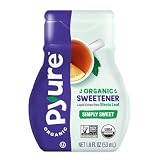
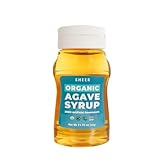


As an Amazon Associate I earn from qualifying purchases.
Prices and availability are accurate as of November 27, 2026 16:06 and are subject to change.
Introduction to Sweeteners for Tea
Sweeteners for tea have been a staple in many cultures for centuries, with various options available to cater to different tastes and dietary needs. From traditional sugar to modern alternatives, the choices can be overwhelming, especially for those looking to explore the world of tea. With the rise of health-conscious consumers, the demand for low-calorie and natural sweeteners has increased significantly.
The history of sweeteners dates back to ancient times, when honey and sugar were the primary sources of sweetness. As trade and exploration expanded, new sweeteners like maple syrup and agave nectar were introduced, offering unique flavors and textures. Today, the market is flooded with a wide range of sweeteners, each with its own set of benefits and drawbacks. Whether you’re a fan of black tea, green tea, or herbal tea, there’s a sweetener out there to suit your taste preferences.
When it comes to selecting the best sweeteners for tea, several factors come into play. Some sweeteners, like stevia and erythritol, are low in calories and suitable for those watching their sugar intake. Others, like honey and maple syrup, offer distinct flavors and potential health benefits. With so many options available, it’s essential to consider factors like taste, calorie content, and potential health effects when choosing a sweetener for your tea.
Ultimately, the choice of sweetener depends on personal preference, dietary needs, and the type of tea being consumed. By exploring the various options available, tea enthusiasts can find the perfect sweetener to enhance their tea-drinking experience. Whether you’re a seasoned tea connoisseur or just starting to explore the world of tea, understanding the different types of sweeteners can help you make informed decisions and enjoy your tea to the fullest, with the best sweeteners for tea being a matter of individual taste and preference.
Best Sweeteners For Tea – Reviewed
1. Stevia Sweetener
Stevia sweetener is a popular choice for tea due to its natural origin and zero-calorie content. It is derived from the Stevia rebaudiana plant and is 200-300 times sweeter than sugar, making it a great option for those who want to reduce their sugar intake. Stevia sweetener is available in various forms, including liquid, powder, and tablets, making it easy to use in tea.
The taste of stevia sweetener is unique and may take some getting used to, but many people enjoy its sweetness without the bitterness of sugar. It is also a great option for those who are watching their blood sugar levels, as it does not raise blood sugar levels. Overall, stevia sweetener is a great choice for tea due to its natural origin, zero-calorie content, and unique taste.
2. Honey Sweetener
Honey sweetener is a natural and healthy choice for tea, with its rich, distinct flavor and numerous health benefits. It contains antioxidants, vitamins, and minerals, making it a great option for those who want to add a touch of sweetness to their tea while also benefiting from its nutritional value. Honey sweetener is available in various types, including raw, organic, and flavored, making it easy to find one that suits your taste preferences.
The taste of honey sweetener is rich and distinct, with a hint of floral and nutty flavors. It is also a great option for those who are looking for a natural energy booster, as it contains natural sugars that can help increase energy levels. Overall, honey sweetener is a great choice for tea due to its natural origin, distinct flavor, and numerous health benefits.
3. Monk Fruit Sweetener
Monk fruit sweetener is a natural and zero-calorie sweetener that is 150-200 times sweeter than sugar. It is derived from the Siraitia grosvenorii plant and is a great option for those who want to reduce their sugar intake without sacrificing taste. Monk fruit sweetener is available in various forms, including powder, liquid, and tablets, making it easy to use in tea.
The taste of monk fruit sweetener is sweet and clean, without any bitterness or aftertaste. It is also a great option for those who are watching their blood sugar levels, as it does not raise blood sugar levels. Overall, monk fruit sweetener is a great choice for tea due to its natural origin, zero-calorie content, and clean taste.
4. Yacon Syrup Sweetener
Yacon syrup sweetener is a natural and low-calorie sweetener that is rich in prebiotic fibers and minerals. It is derived from the yacon plant and is a great option for those who want to add a touch of sweetness to their tea while also benefiting from its nutritional value. Yacon syrup sweetener is available in various forms, including liquid and powder, making it easy to use in tea.
The taste of yacon syrup sweetener is rich and molasses-like, with a hint of sweet and earthy flavors. It is also a great option for those who are looking for a natural digestive aid, as it contains prebiotic fibers that can help support gut health. Overall, yacon syrup sweetener is a great choice for tea due to its natural origin, low-calorie content, and rich nutritional value.
5. Erythritol Sweetener
Erythritol sweetener is a natural and zero-calorie sweetener that is derived from the fermentation of glucose. It is 60-80% as sweet as sugar and is a great option for those who want to reduce their sugar intake without sacrificing taste. Erythritol sweetener is available in various forms, including powder and granules, making it easy to use in tea.
The taste of erythritol sweetener is clean and sweet, without any bitterness or aftertaste. It is also a great option for those who are watching their blood sugar levels, as it does not raise blood sugar levels. Overall, erythritol sweetener is a great choice for tea due to its natural origin, zero-calorie content, and clean taste.
Why People Need to Buy Sweeteners for Tea
The need to buy sweeteners for tea arises from the fact that many people prefer their tea to be sweet. Tea, in its natural form, can be quite bitter, and adding a sweetener helps to balance out the flavor. For those who enjoy a sweeter cup of tea, using a sweetener is essential to enhance their drinking experience. Whether it’s a traditional sugar or an alternative sweetener, the options are vast, and people often look for the best sweeteners for tea to suit their taste preferences.
One of the primary reasons people buy sweeteners for tea is to cater to their individual taste preferences. Some like their tea very sweet, while others prefer it just slightly sweetened. The type and amount of sweetener used can greatly impact the overall taste of the tea. With so many different types of sweeteners available, from natural options like honey and stevia to artificial sweeteners, consumers have a wide range of choices to find the perfect sweetener that complements their tea without overpowering it.
In addition to personal taste, health considerations also play a significant role in the decision to buy sweeteners for tea. Many people are looking for low-calorie or sugar-free alternatives to traditional sugar due to dietary restrictions or health concerns. This has led to an increased demand for sugar substitutes that can provide sweetness without the calories. As a result, the market for sweeteners has expanded, offering a variety of options that cater to different health needs and preferences.
The variety of sweeteners available for tea also reflects the diversity of tea cultures around the world. Different regions have their unique preferences when it comes to sweetening tea, ranging from the use of milk and sugar in traditional British tea to the use of honey in some herbal teas. This cultural aspect of tea drinking contributes to the demand for various sweeteners, as people seek to replicate or experiment with different tea traditions. By having access to a range of sweeteners, tea enthusiasts can explore different flavors and methods of preparation, enhancing their overall tea experience.
Types of Sweeteners Suitable for Tea
When it comes to sweetening tea, there are several options to choose from. Natural sweeteners like honey, stevia, and maple syrup are popular choices due to their unique flavors and potential health benefits. Honey, for instance, contains antioxidants and has antimicrobial properties, making it a great addition to tea. Stevia, on the other hand, is a low-calorie sweetener that is 200-300 times sweeter than sugar, making it a great option for those watching their calorie intake. Maple syrup, derived from the sap of maple trees, has a rich, distinct flavor and contains minerals like manganese and zinc.
In addition to natural sweeteners, there are also artificial sweeteners like aspartame and sucralose that can be used to sweeten tea. These sweeteners are often lower in calories and can be a good option for those who want to reduce their sugar intake. However, some artificial sweeteners have been linked to potential health risks, so it’s essential to consume them in moderation. Other types of sweeteners, like sugar substitutes and syrup sweeteners, can also be used to sweeten tea. Sugar substitutes, such as xylitol and erythritol, are low-calorie sweeteners that can be used as a 1:1 substitute for sugar.
The type of sweetener used can greatly impact the flavor and nutritional content of tea. For example, using a sweetener like honey or maple syrup can add a rich, complex flavor to tea, while using an artificial sweetener like aspartame can result in a more neutral flavor. When choosing a sweetener for tea, it’s essential to consider the type of tea being consumed, as well as any dietary restrictions or preferences. By selecting the right sweetener, tea drinkers can enhance their tea-drinking experience and enjoy a delicious, satisfying cup of tea.
Ultimately, the type of sweetener used is a matter of personal preference. Some tea drinkers may prefer the unique flavor of a natural sweetener, while others may prefer the convenience and low calorie count of an artificial sweetener. By understanding the different types of sweeteners available and their characteristics, tea drinkers can make informed decisions about which sweetener to use and enjoy their tea to the fullest.
Benefits of Using Sweeteners in Tea
Using sweeteners in tea can have several benefits, from enhancing flavor to providing potential health benefits. One of the primary benefits of using sweeteners in tea is that it can add flavor and depth to the tea. Natural sweeteners like honey and maple syrup contain unique flavor compounds that can complement the flavor of tea, while artificial sweeteners can provide a sweet flavor without adding calories. Additionally, some sweeteners like stevia and honey have potential health benefits, such as reducing inflammation and improving digestive health.
Another benefit of using sweeteners in tea is that it can make tea more enjoyable to drink. For many people, tea can be a bitter or unpleasant beverage, but adding a sweetener can make it more palatable. This can be especially beneficial for those who are trying to incorporate more tea into their diet for its potential health benefits. By making tea more enjoyable to drink, sweeteners can encourage people to drink more tea and reap its rewards. Furthermore, using sweeteners in tea can also be a convenient way to add sweetness without having to use refined sugar.
The benefits of using sweeteners in tea can also extend to potential health benefits. Some sweeteners, like honey and stevia, have antimicrobial and anti-inflammatory properties that can help to boost the immune system and reduce inflammation. Other sweeteners, like maple syrup, contain minerals like manganese and zinc that are essential for maintaining good health. By choosing a sweetener that has potential health benefits, tea drinkers can enhance the nutritional content of their tea and enjoy a healthier beverage.
In addition to the benefits mentioned above, using sweeteners in tea can also be a way to customize the flavor and nutritional content of tea to suit individual preferences. With so many different types of sweeteners available, tea drinkers can experiment with different flavors and ingredients to find the perfect combination for their taste buds. By using sweeteners in tea, tea drinkers can enjoy a delicious, satisfying cup of tea that meets their unique needs and preferences.
How to Choose the Right Sweetener for Your Tea
Choosing the right sweetener for tea can be a daunting task, especially with so many options available. To choose the right sweetener, it’s essential to consider the type of tea being consumed, as well as any dietary restrictions or preferences. For example, if drinking black tea, a robust sweetener like honey or maple syrup may be a good choice, while a more delicate tea like green tea may require a lighter sweetener like stevia or erythritol.
Another factor to consider when choosing a sweetener is the flavor profile of the tea. If the tea has a strong, bold flavor, a sweetener with a robust flavor may be a good choice, while a tea with a delicate flavor may require a sweetener with a more subtle flavor. Additionally, considering the nutritional content of the sweetener is also essential, especially for those with dietary restrictions or preferences. For example, those watching their calorie intake may prefer a low-calorie sweetener like stevia or sucralose, while those with dietary restrictions may prefer a natural sweetener like honey or maple syrup.
The brand and quality of the sweetener can also impact the flavor and nutritional content of the tea. Choosing a high-quality sweetener from a reputable brand can ensure that the sweetener is pure and free from additives or contaminants. Additionally, considering the price and value of the sweetener is also essential, especially for those on a budget. By weighing the pros and cons of different sweeteners and considering individual preferences and needs, tea drinkers can choose the right sweetener for their tea and enjoy a delicious, satisfying cup.
Ultimately, choosing the right sweetener for tea is a matter of personal preference. By considering the type of tea, flavor profile, nutritional content, brand, and price, tea drinkers can make an informed decision about which sweetener to use. Experimenting with different sweeteners and flavor combinations can also be a fun and rewarding experience, allowing tea drinkers to discover new flavors and preferences. By choosing the right sweetener, tea drinkers can enhance their tea-drinking experience and enjoy a delicious, satisfying cup of tea.
Common Mistakes to Avoid When Using Sweeteners in Tea
When using sweeteners in tea, there are several common mistakes to avoid. One of the most common mistakes is using too much sweetener, which can overpower the flavor of the tea and make it overly sweet. This can be especially problematic when using sweeteners like stevia or sucralose, which are much sweeter than sugar. To avoid this mistake, it’s essential to start with a small amount of sweetener and adjust to taste.
Another common mistake is not considering the type of tea being consumed. Different types of tea have unique flavor profiles and may require different types of sweeteners. For example, a strong, bold tea like black tea may require a robust sweetener like honey or maple syrup, while a delicate tea like green tea may require a lighter sweetener like stevia or erythritol. By considering the type of tea and choosing a sweetener that complements its flavor, tea drinkers can avoid overpowering the tea and enjoy a balanced flavor.
Using low-quality sweeteners is another common mistake to avoid. Low-quality sweeteners can contain additives or contaminants that can affect the flavor and nutritional content of the tea. Choosing a high-quality sweetener from a reputable brand can ensure that the sweetener is pure and free from additives or contaminants. Additionally, not experimenting with different sweeteners and flavor combinations can also be a mistake, as it can limit the range of flavors and experiences that tea drinkers can enjoy.
By avoiding these common mistakes, tea drinkers can enjoy a delicious, satisfying cup of tea that meets their unique needs and preferences. Whether using natural or artificial sweeteners, considering the type of tea, flavor profile, and nutritional content can help tea drinkers make informed decisions about which sweetener to use and how to use it. By being mindful of these factors and experimenting with different sweeteners and flavor combinations, tea drinkers can enhance their tea-drinking experience and enjoy a wider range of flavors and experiences.
Ultimate Buying Guide to Sweeteners for Tea
When it comes to sweetening your tea, there are numerous options available in the market. With so many choices, it can be overwhelming to decide which one is the most suitable for your needs. Whether you are a fan of traditional sugar or looking for a healthier alternative, this buying guide will help you navigate through the various options and find the perfect sweetener to enhance your tea-drinking experience.
Calorie Content
The calorie content of a sweetener is a crucial factor to consider, especially for those who are watching their weight or managing diabetes. Some sweeteners are high in calories, while others are low-calorie or even calorie-free. If you are looking to reduce your calorie intake, it is essential to opt for a sweetener that is low in calories. For instance, stevia and erythritol are popular low-calorie sweeteners that can be used to sweeten tea without adding extra calories.
When choosing a sweetener based on calorie content, it is also important to consider the serving size. Some sweeteners may be low in calories per serving, but the serving size may be smaller than you expect. Always check the nutrition label to ensure that you are getting the right amount of sweetness without exceeding your daily calorie limit. Additionally, be mindful of the potential impact of low-calorie sweeteners on your overall health, as some studies have raised concerns about their effects on gut health and metabolism.
Natural vs. Artificial Sweeteners
Another key factor to consider when buying sweeteners for tea is whether they are natural or artificial. Natural sweeteners, such as honey and maple syrup, are derived from plants and are generally considered to be healthier than artificial sweeteners. Artificial sweeteners, on the other hand, are man-made and may contain chemicals that can be harmful to your health. If you are looking for a more natural way to sweeten your tea, consider opting for a natural sweetener like honey or agave nectar.
However, it is worth noting that some natural sweeteners can be high in calories and may not be suitable for those who are watching their weight. Artificial sweeteners, on the other hand, can be low in calories but may contain chemicals that can be detrimental to your health. Ultimately, the choice between natural and artificial sweeteners depends on your personal preferences and health goals. If you are looking for the best sweeteners for tea, consider opting for a natural sweetener that is low in calories and rich in nutrients.
Flavor Profile
The flavor profile of a sweetener can greatly impact the taste of your tea. Some sweeteners, such as sugar and honey, have a distinct flavor that can complement the taste of tea. Others, such as stevia and erythritol, have a more neutral flavor that won’t affect the taste of your tea. If you are looking for a sweetener that will enhance the flavor of your tea, consider opting for a sweetener with a distinct flavor profile.
On the other hand, if you prefer a sweetener that won’t alter the taste of your tea, consider opting for a sweetener with a neutral flavor profile. Some sweeteners, such as monk fruit sweetener, have a sweet flavor without any aftertaste, making them an excellent choice for those who want to sweeten their tea without affecting its flavor. Additionally, consider the type of tea you are drinking, as some sweeteners may be more suitable for certain types of tea than others.
Glycemic Index
The glycemic index (GI) of a sweetener is a measure of how quickly it raises blood sugar levels. Some sweeteners, such as sugar and honey, have a high GI, which means they can cause a rapid spike in blood sugar levels. Others, such as stevia and erythritol, have a low GI, which means they won’t affect blood sugar levels. If you are managing diabetes or prediabetes, it is essential to opt for a sweetener with a low GI to avoid causing a spike in blood sugar levels.
When choosing a sweetener based on GI, it is also important to consider the potential impact on your overall health. Some sweeteners with a low GI may still contain calories or other nutrients that can affect your health. Always check the nutrition label and consult with a healthcare professional if you have any concerns about the impact of a sweetener on your health. Additionally, be mindful of the potential effects of low-GI sweeteners on your gut health and metabolism, as some studies have raised concerns about their long-term effects.
Price and Availability
The price and availability of a sweetener can also impact your purchasing decision. Some sweeteners, such as sugar and honey, are widely available and relatively affordable. Others, such as stevia and monk fruit sweetener, may be more expensive and harder to find. If you are on a budget, consider opting for a sweetener that is affordable and widely available.
However, it is worth noting that some sweeteners may be more expensive due to their high quality or unique production process. For instance, some natural sweeteners may be more expensive due to the cost of harvesting and processing the raw materials. Additionally, consider the potential long-term savings of opting for a more expensive sweetener that is low in calories and rich in nutrients, as it may help you avoid health problems and reduce your healthcare costs in the long run.
Certifications and Labels
Finally, consider the certifications and labels on the sweetener packaging. Some sweeteners may be labeled as “organic” or “non-GMO,” which can impact your purchasing decision. If you are looking for a sweetener that is free from pesticides and genetically modified organisms, consider opting for a sweetener with these labels. Additionally, look for certifications from reputable organizations, such as the USDA or the Non-GMO Project, to ensure that the sweetener meets your standards.
When choosing a sweetener based on certifications and labels, it is also important to consider the potential impact on your health and the environment. Some sweeteners may be labeled as “natural” or “eco-friendly,” but may still contain ingredients that can harm your health or the environment. Always check the ingredient list and consult with a healthcare professional if you have any concerns about the impact of a sweetener on your health. Additionally, consider the potential long-term effects of opting for a sweetener with certifications and labels that align with your values and priorities.
FAQ
What are the different types of sweeteners available for tea?
There are several types of sweeteners available for tea, including natural sweeteners like honey, stevia, and monk fruit, as well as artificial sweeteners like aspartame and sucralose. Each type of sweetener has its own unique characteristics and benefits, and some may be better suited to certain types of tea or personal preferences.
When choosing a sweetener for tea, it’s a good idea to consider factors like the flavor profile of the tea, as well as any dietary restrictions or preferences you may have. For example, if you’re looking for a natural sweetener that won’t add any calories to your tea, stevia or monk fruit may be a good option. On the other hand, if you’re looking for a sweetener that will add a rich, caramel-like flavor to your tea, honey may be a better choice.
How do I choose the best sweetener for my tea?
Choosing the best sweetener for your tea depends on several factors, including the type of tea you’re drinking, your personal taste preferences, and any dietary restrictions or preferences you may have. If you’re looking for a sweetener that will complement the flavor of your tea without overpowering it, you may want to consider a sweetener like honey or agave nectar.
On the other hand, if you’re looking for a sweetener that will add a bold, sweet flavor to your tea, you may want to consider a sweetener like stevia or monk fruit. It’s also a good idea to consider the calorie content of the sweetener, as well as any potential health benefits or drawbacks. For example, some sweeteners like honey and stevia have been shown to have potential health benefits, while others like aspartame and sucralose have been linked to potential health risks.
Are natural sweeteners better than artificial sweeteners for tea?
Natural sweeteners like honey, stevia, and monk fruit are often considered a better choice than artificial sweeteners like aspartame and sucralose for several reasons. For one thing, natural sweeteners tend to have a more nuanced, complex flavor profile that can complement the flavor of tea without overpowering it.
In addition, natural sweeteners are often considered a healthier choice than artificial sweeteners, since they are less likely to be linked to potential health risks like cancer, diabetes, and obesity. However, it’s worth noting that some natural sweeteners like honey and agave nectar are high in calories, so they should be consumed in moderation. On the other hand, artificial sweeteners like aspartame and sucralose are often zero-calorie, but they may have a more bitter, chemical aftertaste that some people find unpleasant.
Can I use sugar as a sweetener for tea?
Yes, sugar can be used as a sweetener for tea, although it’s not always the best choice. Sugar is a high-calorie sweetener that can add a lot of calories to your tea, which may be a concern for people who are watching their weight or managing conditions like diabetes.
However, sugar can also be a good choice for tea if you’re looking for a sweetener that will add a rich, caramel-like flavor to your tea. For example, some types of tea like chai and latte are often sweetened with sugar to bring out the flavors of the spices and milk. It’s also worth noting that some types of sugar like brown sugar and turbinado sugar have a more nuanced, complex flavor profile than white sugar, which can make them a better choice for tea.
How much sweetener should I add to my tea?
The amount of sweetener you should add to your tea depends on several factors, including the type of tea you’re drinking, the type of sweetener you’re using, and your personal taste preferences. As a general rule, it’s a good idea to start with a small amount of sweetener and adjust to taste.
For example, if you’re using a sweetener like stevia or monk fruit, you may only need to add a tiny amount to your tea, since these sweeteners are very potent. On the other hand, if you’re using a sweetener like honey or sugar, you may need to add a bit more to get the desired level of sweetness. It’s also a good idea to consider the flavor profile of the tea, as well as any other ingredients you’re adding to your tea, like milk or spices.
Are there any health benefits to using sweeteners in tea?
Some sweeteners like honey and stevia have been shown to have potential health benefits when consumed in moderation. For example, honey has antibacterial and anti-inflammatory properties, which can help to soothe a sore throat and calm digestive issues.
Stevia, on the other hand, has been shown to have potential benefits for blood sugar control and weight management, since it is zero-calorie and does not raise blood sugar levels. However, it’s worth noting that other sweeteners like aspartame and sucralose have been linked to potential health risks, so it’s a good idea to choose your sweetener carefully and consume it in moderation. It’s also a good idea to talk to a healthcare professional before making any changes to your diet or adding new sweeteners to your tea.
Can I use sweeteners in cold tea or iced tea?
Yes, you can use sweeteners in cold tea or iced tea, although some sweeteners may be better suited to cold tea than others. For example, sweeteners like honey and agave nectar can be difficult to dissolve in cold tea, so you may need to stir them in well or add them to the tea while it’s still warm.
On the other hand, sweeteners like stevia and monk fruit are highly soluble and can be easily added to cold tea or iced tea. It’s also a good idea to consider the flavor profile of the tea, as well as any other ingredients you’re adding to your tea, like lemon or mint. Some sweeteners like honey and sugar can add a rich, caramel-like flavor to cold tea, while others like stevia and monk fruit can add a bold, sweet flavor.
Final Verdict
In conclusion, the world of tea sweeteners has evolved significantly, offering a wide range of options to cater to diverse tastes and dietary requirements. With the increasing awareness of health and wellness, consumers are now more discerning than ever when it comes to choosing the perfect sweetener to complement their favorite brew. Whether you’re a fan of traditional sugar or prefer alternative sweeteners, there’s a product out there that’s sure to satisfy your cravings.
Ultimately, finding the best sweeteners for tea is a matter of personal preference, and our comprehensive guide has aimed to provide you with the necessary insights to make an informed decision. By considering factors such as taste, calorie content, and environmental impact, you can now confidently select a sweetener that not only enhances the flavor of your tea but also aligns with your values and lifestyle. With the right sweetener, you can elevate your tea-drinking experience and indulge in the perfect blend of flavor and nutrition, every time.