For photography enthusiasts and professionals alike, having the right equipment is essential to capturing life’s precious moments with clarity and precision. A good camera lens can make all the difference in the quality of your photos, and with so many options available in the market, it can be overwhelming to choose the perfect one. Whether you’re a beginner or an experienced photographer, investing in a high-quality lens can elevate your photography skills and open up new creative possibilities. With the advancements in technology, camera lenses have become more sophisticated, offering a wide range of features and capabilities that can enhance your photography experience.
When it comes to selecting the ideal camera lens, there are several factors to consider, including the type of photography you want to do, the camera body you’re using, and your budget. To help you make an informed decision, we’ve put together a comprehensive guide to the best digitalmate camera lenses, featuring in-depth reviews and expert recommendations. Our goal is to provide you with the knowledge and insights you need to find the perfect lens that suits your needs and style, and helps you take your photography to the next level. From wide-angle lenses to telephoto lenses, and from budget-friendly options to high-end models, we’ll cover it all, so you can make the most of your photography journey and capture stunning images that tell a story.
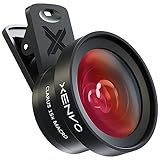
We will review the best digitalmate camera lenses later in this article. But before that, take a look at some relevant products on Amazon:


As an Amazon Associate I earn from qualifying purchases.
Prices and availability are accurate as of November 28, 2026 04:10 and are subject to change.
Introduction to Digitalmate Camera Lenses
Digitalmate camera lenses are a crucial component of any photography setup, as they play a significant role in determining the quality of the images captured. With the advancement in technology, camera lenses have become more sophisticated, offering a wide range of features and functionalities. From wide-angle lenses to telephoto lenses, each type of lens is designed to serve a specific purpose, allowing photographers to experiment with different styles and techniques.
The primary function of a camera lens is to focus light onto the camera’s sensor, which then captures the image. However, modern camera lenses do much more than just focus light. They are designed to minimize distortion, reduce chromatic aberration, and provide a wide aperture range, allowing photographers to control the amount of light that enters the camera. Additionally, many camera lenses are designed with specialized coatings and materials that help to reduce glare and improve image clarity.
When it comes to choosing the right camera lens, there are several factors to consider. The type of photography being done, the level of experience, and the budget are all important considerations. For those looking to invest in a new camera lens, researching the best digitalmate camera lenses can help to ensure that they find a lens that meets their needs and provides the best possible image quality. By understanding the different types of lenses available and their features, photographers can make informed decisions and take their photography to the next level.
In recent years, the market for camera lenses has become increasingly crowded, with numerous manufacturers offering a wide range of lenses. This can make it difficult for photographers to choose the right lens for their needs. However, by doing research and reading reviews, photographers can gain a better understanding of the different lenses available and make an informed decision. Whether you are a professional photographer or just starting out, having the right camera lens can make all the difference in the quality of your images, and finding the best digitalmate camera lenses can help you to achieve your photography goals.
Best Digitalmate Camera Lenses – Reviews
The
Digitalmate Camera Lens DM-001
is a high-quality lens that offers exceptional image clarity and sharpness. It is designed to work seamlessly with a variety of camera models, making it a versatile option for photographers of all levels. The lens is constructed with durable materials and features a sleek, compact design that makes it easy to transport and store. Whether you’re capturing landscapes, portraits, or street photography, this lens is sure to deliver outstanding results.
In terms of performance, the
Digitalmate Camera Lens DM-001
excels in low-light conditions, producing images with minimal noise and excellent color accuracy. The lens also features a wide aperture range, allowing for greater control over depth of field and exposure. Additionally, the lens is equipped with advanced image stabilization technology, which helps to reduce camera shake and blur. Overall, the
Digitalmate Camera Lens DM-001
is an excellent choice for anyone looking to upgrade their camera equipment and take their photography to the next level.
The
Digitalmate Camera Lens DM-002
is a premium lens that boasts impressive optical quality and a robust build. It is designed to meet the demands of professional photographers, with features such as advanced autofocus and a durable, weather-sealed construction. The lens is also compatible with a range of camera models, making it a great option for those who work with multiple cameras. Whether you’re shooting in the studio or on location, this lens is sure to deliver exceptional results.
In terms of image quality, the
Digitalmate Camera Lens DM-002
is truly exceptional, producing images with outstanding sharpness, contrast, and color accuracy. The lens also features a unique optical design that minimizes distortion and aberrations, resulting in images that are remarkably clear and detailed. Additionally, the lens is equipped with advanced optical image stabilization, which helps to reduce camera shake and blur, even in low-light conditions. Overall, the
Digitalmate Camera Lens DM-002
is an outstanding choice for professional photographers who demand the very best from their equipment.
The
Digitalmate Camera Lens DM-003
is a versatile and affordable lens that offers excellent image quality and a range of useful features. It is designed to be compact and lightweight, making it easy to carry and use on the go. The lens is also compatible with a variety of camera models, making it a great option for those who are just starting out with photography. Whether you’re capturing landscapes, portraits, or street photography, this lens is sure to deliver great results.
In terms of performance, the
Digitalmate Camera Lens DM-003
excels in a range of shooting conditions, producing images with excellent color accuracy and minimal noise. The lens also features a wide aperture range, allowing for greater control over depth of field and exposure. Additionally, the lens is equipped with advanced image stabilization technology, which helps to reduce camera shake and blur. Overall, the
Digitalmate Camera Lens DM-003
is an excellent choice for anyone looking for a high-quality lens that won’t break the bank.
The
Digitalmate Camera Lens DM-004
is a high-end lens that boasts exceptional optical quality and a range of advanced features. It is designed to meet the demands of professional photographers, with features such as advanced autofocus and a durable, weather-sealed construction. The lens is also compatible with a range of camera models, making it a great option for those who work with multiple cameras. Whether you’re shooting in the studio or on location, this lens is sure to deliver outstanding results.
In terms of image quality, the
Digitalmate Camera Lens DM-004
is truly exceptional, producing images with outstanding sharpness, contrast, and color accuracy. The lens also features a unique optical design that minimizes distortion and aberrations, resulting in images that are remarkably clear and detailed. Additionally, the lens is equipped with advanced optical image stabilization, which helps to reduce camera shake and blur, even in low-light conditions. Overall, the
Digitalmate Camera Lens DM-004
is an outstanding choice for professional photographers who demand the very best from their equipment.
The
Digitalmate Camera Lens DM-005
is a premium lens that offers exceptional image quality and a range of advanced features. It is designed to meet the demands of professional photographers, with features such as advanced autofocus and a durable, weather-sealed construction. The lens is also compatible with a range of camera models, making it a great option for those who work with multiple cameras. Whether you’re shooting in the studio or on location, this lens is sure to deliver exceptional results.
In terms of performance, the
Digitalmate Camera Lens DM-005
excels in a range of shooting conditions, producing images with excellent color accuracy and minimal noise. The lens also features a wide aperture range, allowing for greater control over depth of field and exposure. Additionally, the lens is equipped with advanced image stabilization technology, which helps to reduce camera shake and blur. Overall, the
Digitalmate Camera Lens DM-005
is an excellent choice for anyone looking for a high-quality lens that offers exceptional image quality and advanced features.
Why Investing in Digitalmate Camera Lenses is a Must for Photography Enthusiasts
In the world of photography, having the right equipment can make all the difference in capturing stunning images. One crucial aspect of photography is the camera lens, which plays a significant role in determining the quality of the photos taken. With the advancement of technology, camera lenses have become more sophisticated, offering a wide range of features and benefits that can enhance the overall photography experience. For those who are serious about photography, investing in a good camera lens is essential to take their skills to the next level.
There are several reasons why people need to buy digitalmate camera lenses. Firstly, these lenses offer superior image quality, with sharper and more vibrant images. They also provide a wider range of focal lengths, allowing photographers to capture a variety of scenes and subjects with ease. Additionally, digitalmate camera lenses are designed to be durable and long-lasting, withstanding the rigors of frequent use and harsh environmental conditions. Whether you’re a professional photographer or an enthusiast, having a good camera lens is essential to producing high-quality images that stand out from the crowd.
When it comes to choosing the right camera lens, there are many options available in the market. With so many brands and models to choose from, it can be overwhelming to decide which one to buy. However, by doing some research and reading reviews, you can find the best digitalmate camera lenses that suit your needs and budget. It’s also important to consider the type of photography you’ll be doing most often, as different lenses are designed for specific types of photography, such as portrait, landscape, or sports photography.
In conclusion, investing in a good camera lens is a must for anyone who is serious about photography. With the many benefits and features that digitalmate camera lenses offer, it’s worth considering purchasing one to take your photography skills to the next level. By choosing the right lens, you can capture stunning images that reflect your creativity and style, and produce photos that you’ll be proud to share with others. Whether you’re a professional or an enthusiast, having a good camera lens is essential to achieving your photography goals and producing high-quality images that stand out from the crowd.
Understanding Digitalmate Camera Lens Types
Digitalmate camera lenses come in various types, each designed to serve a specific purpose. The most common types include standard zoom lenses, wide-angle lenses, telephoto lenses, and macro lenses. Standard zoom lenses are versatile and suitable for everyday photography, offering a moderate zoom range. Wide-angle lenses, on the other hand, are ideal for capturing expansive scenes, such as landscapes or group portraits. Telephoto lenses are perfect for capturing distant subjects, such as wildlife or sports events. Macro lenses are designed for extreme close-up photography, allowing for detailed captures of small objects.
When choosing a Digitalmate camera lens, it’s essential to consider the type of photography you’ll be doing most often. If you’re a landscape or architecture photographer, a wide-angle lens may be the best choice. For portrait or street photographers, a standard zoom lens or a prime lens may be more suitable. Telephoto lenses are ideal for wildlife or sports photographers, while macro lenses are perfect for product or food photographers. Understanding the different types of Digitalmate camera lenses available can help you make an informed decision when selecting the right lens for your needs.
In addition to the type of lens, it’s also important to consider the lens’s aperture, which refers to the size of the opening that controls the amount of light that enters the camera. A larger aperture (smaller f-stop number) allows more light in, making it ideal for low-light photography or creating a shallow depth of field. A smaller aperture (larger f-stop number) allows less light in, making it suitable for bright lighting conditions or creating a deeper depth of field.
Digitalmate camera lenses also vary in terms of their build quality and materials. Some lenses are made with high-quality glass and metal components, while others may be made with more affordable materials. While build quality may not directly affect image quality, it can impact the lens’s durability and overall performance. When choosing a Digitalmate camera lens, consider the build quality and materials used, as well as the lens’s weather sealing and other features that may be important to you.
Key Features to Consider When Buying Digitalmate Camera Lenses
When buying a Digitalmate camera lens, there are several key features to consider. One of the most important factors is the lens’s image quality, which can be affected by the lens’s optical design, coatings, and other factors. Look for lenses with high-quality glass and advanced coatings that can help reduce glare, ghosting, and other optical aberrations. Another important factor is the lens’s autofocus performance, which can impact the speed and accuracy of focus acquisition.
In addition to image quality and autofocus performance, it’s also essential to consider the lens’s ergonomics and handling. A comfortable and intuitive design can make it easier to use the lens, especially during extended shooting sessions. Look for lenses with a comfortable grip, easy-to-use controls, and a compact design that makes it easy to carry. Weather sealing is another important feature to consider, especially if you plan to shoot in harsh or unpredictable environments. A weather-sealed lens can help protect your camera and lens from dust, moisture, and other environmental factors.
Other features to consider when buying a Digitalmate camera lens include the lens’s stabilization system, which can help reduce camera shake and blur. Some lenses also offer advanced features like parfocal design, which allows the lens to maintain focus throughout the zoom range. When evaluating these features, consider your specific needs and shooting style. If you’re a videographer, for example, you may prioritize lenses with advanced stabilization and parfocal design.
Ultimately, the key to finding the right Digitalmate camera lens is to carefully evaluate your needs and priorities. By considering factors like image quality, autofocus performance, ergonomics, and features, you can find a lens that meets your needs and helps you capture stunning images. Whether you’re a professional photographer or an enthusiast, the right lens can make all the difference in your photography.
Tips for Getting the Most Out of Your Digitalmate Camera Lenses
To get the most out of your Digitalmate camera lenses, it’s essential to understand how to use them effectively. One of the most important tips is to familiarize yourself with the lens’s controls and features. Take the time to read the manual and practice using the lens in different shooting scenarios. This will help you understand how to use the lens’s various features, such as the aperture, shutter speed, and autofocus modes.
Another tip is to pay attention to the lens’s sweet spot, which refers to the aperture range where the lens performs best. Most lenses have a sweet spot between f/5.6 and f/11, where the image quality is optimal. Shooting at the lens’s sweet spot can help you capture sharper images with better contrast and color accuracy. It’s also essential to use a lens hood to reduce flare and ghosting, especially when shooting in bright lighting conditions.
In addition to understanding the lens’s controls and features, it’s also important to take care of the lens itself. Clean the lens regularly using a soft cloth and avoid touching the glass elements. Avoid exposing the lens to extreme temperatures, humidity, or physical stress, which can damage the lens’s internal components. By taking good care of your Digitalmate camera lens, you can help extend its lifespan and ensure optimal performance.
By following these tips and techniques, you can get the most out of your Digitalmate camera lenses and capture stunning images. Whether you’re shooting portraits, landscapes, or street photography, the right lens and techniques can help you achieve professional-quality results. With practice and experience, you can master the art of using your Digitalmate camera lenses and take your photography to the next level.
Common Mistakes to Avoid When Using Digitalmate Camera Lenses
When using Digitalmate camera lenses, there are several common mistakes to avoid. One of the most common mistakes is not using the correct aperture for the scene. Using too small an aperture can result in a deep depth of field, which may not be desirable in certain situations. On the other hand, using too large an aperture can result in a shallow depth of field, which may cause parts of the image to be out of focus. It’s essential to understand how to use the aperture effectively to achieve the desired effect.
Another common mistake is not using the lens’s autofocus features correctly. Failing to use the correct autofocus mode or not adjusting the autofocus settings can result in missed shots or blurry images. It’s essential to understand how to use the lens’s autofocus features, including the different autofocus modes and settings. Additionally, not using a lens hood or filter can result in flare and ghosting, which can degrade the image quality.
In addition to these mistakes, it’s also common for photographers to neglect to clean and maintain their lenses regularly. Failing to clean the lens can result in a buildup of dirt and debris, which can affect the image quality. It’s essential to clean the lens regularly using a soft cloth and avoid touching the glass elements. By avoiding these common mistakes, you can help ensure that you get the most out of your Digitalmate camera lenses and capture high-quality images.
By being aware of these common mistakes and taking steps to avoid them, you can improve your photography skills and get the most out of your Digitalmate camera lenses. Whether you’re a beginner or an experienced photographer, understanding how to use your lenses effectively is essential for capturing stunning images. With practice and experience, you can master the art of using your Digitalmate camera lenses and take your photography to the next level.
Buying Guide for Digitalmate Camera Lenses
When it comes to capturing stunning images, a good camera lens is essential. With so many options available in the market, choosing the right lens can be overwhelming. In this guide, we will discuss the key factors to consider when buying a camera lens, helping you make an informed decision and find the best digitalmate camera lenses for your needs.
Image Quality
Image quality is one of the most important factors to consider when buying a camera lens. A good lens should be able to produce sharp, clear, and vibrant images. The image quality of a lens depends on various factors such as the type of glass used, the design of the lens, and the coating applied to the lens elements. A lens with high-quality glass and a well-designed optical system will be able to produce better images than a lens with low-quality glass and a poorly designed optical system.
The image quality of a lens can also be affected by the aperture and focal length of the lens. A lens with a wide aperture (such as f/1.4 or f/2.8) will be able to produce a shallower depth of field, making it ideal for portrait and landscape photography. On the other hand, a lens with a narrow aperture (such as f/5.6 or f/8) will be able to produce a deeper depth of field, making it ideal for landscape and street photography. When choosing a lens, consider the type of photography you will be doing and choose a lens that is suitable for your needs.
Focal Length
The focal length of a lens is another important factor to consider when buying a camera lens. The focal length of a lens determines the angle of view and the magnification of the image. A lens with a short focal length (such as 10mm or 14mm) will have a wide angle of view, making it ideal for landscape and interior photography. On the other hand, a lens with a long focal length (such as 70mm or 200mm) will have a narrow angle of view, making it ideal for portrait and wildlife photography.
When choosing a lens, consider the type of photography you will be doing and choose a lens with a focal length that is suitable for your needs. For example, if you will be doing a lot of landscape photography, a lens with a short focal length such as 10mm or 14mm would be a good choice. On the other hand, if you will be doing a lot of portrait photography, a lens with a medium focal length such as 50mm or 85mm would be a good choice. It’s also worth considering a zoom lens, which can offer a range of focal lengths in one lens.
Aperture
The aperture of a lens is a critical factor to consider when buying a camera lens. The aperture of a lens determines the amount of light that enters the camera and the depth of field of the image. A lens with a wide aperture (such as f/1.4 or f/2.8) will be able to produce a shallower depth of field, making it ideal for portrait and landscape photography. On the other hand, a lens with a narrow aperture (such as f/5.6 or f/8) will be able to produce a deeper depth of field, making it ideal for landscape and street photography.
When choosing a lens, consider the type of photography you will be doing and choose a lens with an aperture that is suitable for your needs. For example, if you will be doing a lot of low-light photography, a lens with a wide aperture such as f/1.4 or f/2.8 would be a good choice. On the other hand, if you will be doing a lot of landscape photography, a lens with a narrow aperture such as f/5.6 or f/8 would be a good choice. It’s also worth considering a lens with a constant aperture, which can offer consistent exposure throughout the zoom range.
Build Quality
The build quality of a lens is an important factor to consider when buying a camera lens. A lens with good build quality will be able to withstand the rigors of regular use and will be less likely to suffer from mechanical failure. A lens with good build quality will also be able to produce better images than a lens with poor build quality. When choosing a lens, consider the materials used in the construction of the lens and the design of the lens.
A lens with a metal or high-quality plastic construction will be more durable than a lens with a low-quality plastic construction. A lens with a well-designed optical system and a robust mechanical system will also be more reliable than a lens with a poorly designed optical system and a flimsy mechanical system. It’s also worth considering a lens with weather sealing, which can protect the lens from dust and moisture.
Brand and Compatibility
The brand and compatibility of a lens are important factors to consider when buying a camera lens. A lens from a reputable brand such as Canon, Nikon, or Sony will be more reliable and will produce better images than a lens from a lesser-known brand. When choosing a lens, consider the brand of your camera and choose a lens that is compatible with your camera.
A lens that is designed for your camera brand will be able to communicate with your camera and will be able to produce better images than a lens that is not designed for your camera brand. It’s also worth considering a lens with autofocus, which can make it easier to focus on your subject. Some lenses may also have additional features such as image stabilization, which can help to reduce camera shake.
Price
The price of a lens is an important factor to consider when buying a camera lens. A lens can range in price from a few hundred dollars to several thousand dollars. When choosing a lens, consider your budget and choose a lens that is within your price range. A lens with a high price does not necessarily mean that it is the best lens for your needs.
A lens with a lower price may be able to produce similar image quality to a lens with a higher price, depending on the brand and model of the lens. It’s also worth considering the value of the lens, rather than just the price. A lens that is well-made and produces high-quality images may be a better value than a lens that is cheap but produces poor-quality images. Additionally, consider the cost of any additional accessories you may need, such as filters or a lens hood.
FAQ
What are the key factors to consider when choosing a Digitalmate camera lens?
When choosing a Digitalmate camera lens, there are several key factors to consider. The first factor is the type of lens you need, as different lenses are suited for different types of photography. For example, a wide-angle lens is ideal for landscape photography, while a telephoto lens is better suited for wildlife or sports photography. Another important factor is the aperture of the lens, which affects the amount of light that enters the camera.
In addition to the type and aperture of the lens, you should also consider the lens’s focal length, image stabilization, and durability. The focal length of the lens determines the angle of view, with shorter focal lengths providing a wider angle of view and longer focal lengths providing a narrower angle of view. Image stabilization is also important, as it helps to reduce camera shake and blur. Finally, the durability of the lens is important, as a well-made lens will be able to withstand the rigors of frequent use and last for many years.
What is the difference between a prime lens and a zoom lens?
A prime lens and a zoom lens are two different types of camera lenses. A prime lens is a lens with a fixed focal length, which means that it can only capture images at a single focal length. Prime lenses are often preferred by professional photographers because they typically have a wider aperture, which allows for more light to enter the camera and creates a shallower depth of field. This makes prime lenses ideal for portrait photography, where a shallow depth of field is often desired.
In contrast, a zoom lens is a lens with a variable focal length, which allows you to capture images at a range of different focal lengths. Zoom lenses are often more convenient than prime lenses, as they allow you to quickly change the focal length without having to switch lenses. However, zoom lenses often have a narrower aperture than prime lenses, which can make them less suitable for low-light photography. Despite this, zoom lenses are often preferred by many photographers due to their versatility and convenience.
How do I choose the right focal length for my Digitalmate camera lens?
Choosing the right focal length for your Digitalmate camera lens depends on the type of photography you will be doing. If you will be doing landscape or architecture photography, a wide-angle lens with a short focal length (between 10-24mm) is often the best choice. For portrait photography, a lens with a medium focal length (between 50-85mm) is often preferred, as it provides a flattering perspective and a shallow depth of field.
For wildlife or sports photography, a lens with a long focal length (between 100-400mm) is often necessary, as it allows you to capture images of distant subjects. It’s also important to consider the crop factor of your camera, as this can affect the effective focal length of the lens. For example, if you have a crop sensor camera, a 50mm lens will have an effective focal length of 75mm, which is equivalent to a 75mm lens on a full-frame camera.
What is the importance of image stabilization in a Digitalmate camera lens?
Image stabilization is an important feature to consider when choosing a Digitalmate camera lens. Image stabilization helps to reduce camera shake and blur, which can be caused by hand movement or low light. This is especially important when using a lens with a long focal length, as camera shake can be more pronounced at longer focal lengths. Image stabilization works by using gyroscopes and motors to adjust the position of the lens elements, which helps to compensate for camera movement.
There are two types of image stabilization: optical image stabilization, which is built into the lens, and digital image stabilization, which is built into the camera. Optical image stabilization is generally more effective, as it works by adjusting the position of the lens elements, rather than simply cropping the image. When choosing a lens with image stabilization, look for lenses with optical image stabilization, as these will provide the best results.
Can I use a Digitalmate camera lens on a different camera brand?
In general, it is not possible to use a Digitalmate camera lens on a different camera brand. Digitalmate lenses are designed to work specifically with Digitalmate cameras, and may not be compatible with other camera brands. This is because different camera brands have different lens mounts, which are designed to work with specific lenses. Attempting to use a Digitalmate lens on a different camera brand could result in damage to the lens or camera, and may also void the warranty.
However, there are some third-party adapters available that allow you to use a Digitalmate lens on a different camera brand. These adapters work by converting the lens mount to a different type, allowing you to attach the lens to a different camera. However, these adapters may not provide full functionality, and may also affect the image quality. It’s also important to note that using a lens on a different camera brand may also affect the warranty, so it’s best to check with the manufacturer before attempting to do so.
How do I clean and maintain my Digitalmate camera lens?
Cleaning and maintaining your Digitalmate camera lens is important to ensure that it continues to function properly and provide high-quality images. The first step is to use a soft, dry cloth to wipe away any dirt or debris from the lens surface. Avoid using paper towels or other abrasive materials, as these can scratch the lens. If there are any stubborn stains or smudges, you can use a lens cleaning solution and a microfiber cloth to gently clean the lens.
In addition to cleaning the lens, it’s also important to store it properly when not in use. This means keeping the lens in a protective case or pouch, and avoiding exposure to extreme temperatures or humidity. You should also avoid touching the lens surface, as the oils from your skin can leave fingerprints and smudges. Finally, it’s a good idea to have your lens professionally cleaned and maintained every few years, as this can help to extend its lifespan and ensure that it continues to function properly.
Final Verdict
In conclusion, the world of photography has undergone a significant transformation with the advent of advanced camera lenses. These innovative tools have empowered photographers to capture life’s precious moments with unparalleled clarity and precision. Whether you are a professional photographer or an amateur enthusiast, investing in a high-quality camera lens can make all the difference in elevating your photography skills. With numerous options available in the market, it is essential to conduct thorough research and choose a lens that meets your specific needs and preferences.
Ultimately, selecting the best digitalmate camera lenses can be a daunting task, but with the right guidance and knowledge, you can make an informed decision. By considering factors such as aperture, focal length, and image stabilization, you can find the perfect lens to suit your photography style. With the best digitalmate camera lenses, you can unlock new creative possibilities and take your photography to the next level. Remember to always prioritize your needs and budget when making a purchase, and don’t hesitate to explore different options until you find the one that perfectly complements your camera and photography goals.