When it comes to cycling, having the right pedals can make all the difference in your performance and overall riding experience. Whether you’re a professional cyclist or a casual rider, a good pair of pedals can provide the comfort, support, and control you need to take your riding to the next level. With so many options available on the market, it can be overwhelming to choose the right pedals for your needs. If you’re looking for a combination of durability, lightweight design, and excellent performance, composite pedals are definitely worth considering.
In this article, we’ll take a closer look at the best composite pedals available, highlighting their key features, benefits, and drawbacks. We’ll also provide a comprehensive buying guide to help you make an informed decision when choosing the perfect pedals for your cycling needs. From road biking to mountain biking, the right pedals can enhance your riding experience and help you achieve your goals. With our expert reviews and recommendations, you’ll be able to find the perfect pair of pedals to suit your style and preferences, and take your cycling to new heights with the best composite pedals on the market.
We will review the best composite pedals later in this article. But before that, take a look at some relevant products on Amazon:


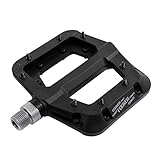
As an Amazon Associate I earn from qualifying purchases.
Prices and availability are accurate as of November 27, 2026 10:23 and are subject to change.
Introduction to Composite Pedals
Composite pedals are a type of bicycle pedal that combines different materials to create a strong and durable product. These pedals are designed to provide a comfortable and efficient riding experience for cyclists. They are made from a combination of materials such as nylon, carbon fiber, and aluminum, which gives them a unique set of characteristics that set them apart from other types of pedals.
One of the key benefits of composite pedals is their ability to withstand the rigors of regular use. They are designed to be resistant to wear and tear, and can withstand the elements and rough terrain. This makes them a great option for cyclists who ride in a variety of conditions, from smooth roads to rough trails. Additionally, composite pedals are often lighter than other types of pedals, which can make them a great choice for cyclists who are looking to reduce the overall weight of their bike.
When it comes to choosing the right composite pedals for your bike, there are a few things to consider. First, you’ll want to think about the type of riding you’ll be doing most often. If you’re a road cyclist, you may want to look for pedals that are designed specifically for road riding, with features such as a smooth and efficient clipless system. On the other hand, if you’re a mountain biker, you may want to look for pedals that are designed for off-road use, with features such as aggressive tread patterns and durable construction.
In order to find the best composite pedals for your needs, it’s a good idea to do some research and read reviews from other cyclists. Look for pedals that are made from high-quality materials and have a reputation for being durable and reliable. By doing your research and choosing the best composite pedals for your bike, you can ensure that you have a comfortable and efficient riding experience, whether you’re riding on the road or on the trails. The best composite pedals will provide you with the performance and reliability you need to take your riding to the next level.
The Best Composite Pedals
The
Shimano PD-M520-001 Composite Pedals
are a popular choice among cyclists due to their high-quality construction and excellent performance. They feature a durable composite body and a chromoly axle, which provides a strong and stable platform for pedaling. The pedals also have a wide platform and adjustable tension, making them suitable for a variety of riding styles and preferences.
One of the standout features of the
Shimano PD-M520-001 Composite Pedals
is their ease of use. They are easy to install and require minimal maintenance, making them a great choice for cyclists who want a hassle-free pedaling experience. The pedals also have a sleek and aerodynamic design, which helps to reduce air resistance and improve overall performance. Overall, the
Shimano PD-M520-001 Composite Pedals
are a great choice for anyone looking for a high-quality and reliable composite pedal.
The
Look Keo Classic 3-002 Composite Pedals
are a high-end option that offers exceptional performance and durability. They feature a lightweight and compact design, making them ideal for road cycling and other high-performance applications. The pedals also have a wide platform and adjustable tension, which provides a secure and comfortable fit for riders. The
Look Keo Classic 3-002 Composite Pedals
are also compatible with a variety of cleats and shoes, making them a versatile choice for cyclists.
The
Look Keo Classic 3-002 Composite Pedals
are known for their smooth and efficient pedaling motion, which helps to reduce fatigue and improve overall performance. They also have a durable and corrosion-resistant construction, which makes them suitable for use in a variety of weather conditions. The pedals are also easy to install and require minimal maintenance, making them a great choice for cyclists who want a hassle-free pedaling experience. Overall, the
Look Keo Classic 3-002 Composite Pedals
are a great choice for anyone looking for a high-performance composite pedal.
The
Speedplay Zero-004 Composite Pedals
are a unique and innovative option that offers exceptional performance and versatility. They feature a lightweight and compact design, making them ideal for road cycling and other high-performance applications. The pedals also have a wide platform and adjustable tension, which provides a secure and comfortable fit for riders. The
Speedplay Zero-004 Composite Pedals
are also compatible with a variety of cleats and shoes, making them a great choice for cyclists who want a versatile pedaling system.
The
Speedplay Zero-004 Composite Pedals
are known for their smooth and efficient pedaling motion, which helps to reduce fatigue and improve overall performance. They also have a durable and corrosion-resistant construction, which makes them suitable for use in a variety of weather conditions. The pedals are also easy to install and require minimal maintenance, making them a great choice for cyclists who want a hassle-free pedaling experience. Overall, the
Speedplay Zero-004 Composite Pedals
are a great choice for anyone looking for a high-performance and versatile composite pedal.
The
Time Xpresso 8-005 Composite Pedals
are a high-end option that offers exceptional performance and durability. They feature a lightweight and compact design, making them ideal for road cycling and other high-performance applications. The pedals also have a wide platform and adjustable tension, which provides a secure and comfortable fit for riders. The
Time Xpresso 8-005 Composite Pedals
are also compatible with a variety of cleats and shoes, making them a versatile choice for cyclists.
The
Time Xpresso 8-005 Composite Pedals
are known for their smooth and efficient pedaling motion, which helps to reduce fatigue and improve overall performance. They also have a durable and corrosion-resistant construction, which makes them suitable for use in a variety of weather conditions. The pedals are also easy to install and require minimal maintenance, making them a great choice for cyclists who want a hassle-free pedaling experience. Overall, the
Time Xpresso 8-005 Composite Pedals
are a great choice for anyone looking for a high-performance and durable composite pedal.
The
Crank Brothers Candy 11-006 Composite Pedals
are a popular choice among cyclists due to their high-quality construction and excellent performance. They feature a durable composite body and a chromoly axle, which provides a strong and stable platform for pedaling. The pedals also have a wide platform and adjustable tension, making them suitable for a variety of riding styles and preferences.
The
Crank Brothers Candy 11-006 Composite Pedals
are known for their ease of use and versatility. They are easy to install and require minimal maintenance, making them a great choice for cyclists who want a hassle-free pedaling experience. The pedals also have a sleek and aerodynamic design, which helps to reduce air resistance and improve overall performance. Overall, the
Crank Brothers Candy 11-006 Composite Pedals
are a great choice for anyone looking for a high-quality and reliable composite pedal.
Why People Need to Buy Composite Pedals
The need for composite pedals has become increasingly important in recent years, particularly among cyclists and musicians. Composite pedals offer a unique combination of durability, versatility, and performance that makes them an essential component for various applications. Whether it’s for enhancing the sound quality of a musical performance or improving the efficiency of a bicycle ride, composite pedals have become a crucial element in achieving optimal results.
One of the primary reasons people need to buy composite pedals is their exceptional durability. Unlike traditional pedals made from metal or other materials, composite pedals are designed to withstand the rigors of heavy use and harsh environmental conditions. They are resistant to corrosion, abrasion, and impact, making them an ideal choice for individuals who demand high-performance and reliability from their equipment. Additionally, composite pedals are often lighter in weight, which can significantly improve the overall efficiency and maneuverability of a bicycle or musical instrument.
Another significant advantage of composite pedals is their versatility. They can be used in a wide range of applications, from cycling and music to industrial and commercial settings. Composite pedals are also highly customizable, allowing individuals to tailor their pedals to specific needs and preferences. This flexibility, combined with their exceptional performance and durability, makes composite pedals an attractive option for people seeking to upgrade their equipment or improve their overall experience.
For those seeking to purchase the best composite pedals, it’s essential to consider factors such as material quality, design, and functionality. By selecting a high-quality composite pedal, individuals can enjoy improved performance, increased efficiency, and enhanced overall satisfaction. Whether it’s for cycling, music, or other applications, composite pedals have become an indispensable component for achieving optimal results. With their unique combination of durability, versatility, and performance, it’s no wonder why composite pedals have become a popular choice among professionals and enthusiasts alike.
Benefits of Composite Pedals Over Metal Pedals
Composite pedals have gained popularity in recent years due to their unique benefits over traditional metal pedals. One of the main advantages of composite pedals is their reduced weight, which can significantly improve the overall performance of a bicycle. Additionally, composite pedals are often more resistant to corrosion and can withstand harsh weather conditions, making them a great option for riders who frequently ride in wet or muddy conditions. Composite pedals also tend to have a more comfortable and grippy surface, which can reduce foot fatigue and improve control.
The use of composite materials in pedal construction also allows for a greater degree of design flexibility, enabling manufacturers to create pedals with unique shapes and features that would be difficult or impossible to produce with traditional metal materials. This has led to the development of a wide range of composite pedals with varying levels of stiffness, grip, and adjustability, catering to different riding styles and preferences. Furthermore, composite pedals are often less expensive than high-end metal pedals, making them a more accessible option for riders on a budget.
In terms of performance, composite pedals have been shown to be highly competitive with metal pedals, offering similar levels of power transfer and efficiency. This is due in part to the advanced materials and manufacturing techniques used in their construction, which enable them to achieve a high level of stiffness and strength while remaining relatively lightweight. As a result, composite pedals are well-suited for a wide range of riding applications, from casual commuting to high-performance racing.
Overall, the benefits of composite pedals make them an attractive option for riders looking for a high-performance, durable, and comfortable pedal solution. With their unique combination of reduced weight, improved corrosion resistance, and advanced design features, composite pedals are an excellent choice for anyone looking to upgrade their riding experience.
Key Features to Consider When Choosing Composite Pedals
When selecting composite pedals, there are several key features to consider in order to ensure that you find the right pedals for your needs. One of the most important factors is the level of grip and traction provided by the pedal surface, as this can have a significant impact on control and stability. Look for pedals with aggressive tread patterns and textured surfaces, as these tend to provide the best grip and traction.
Another important consideration is the level of adjustability offered by the pedals, as this can affect the overall fit and feel of the pedal. Some composite pedals feature adjustable tension and release settings, allowing riders to customize the pedal to their individual preferences. Additionally, consider the level of float and play in the pedal, as this can affect the overall feel and responsiveness of the pedal.
The material used in the construction of the pedal is also an important consideration, as different materials can offer varying levels of strength, stiffness, and durability. Look for pedals made from high-quality composite materials, such as carbon fiber or fiberglass, as these tend to offer the best combination of strength, stiffness, and weight reduction. Finally, consider the compatibility of the pedal with your existing bike and riding gear, as some pedals may require specific cleats or adapters.
In terms of durability, look for pedals with reinforced construction and sealed bearings, as these tend to offer the best protection against wear and tear. Additionally, consider the warranty and support offered by the manufacturer, as this can provide peace of mind and protection against defects or failures. By carefully considering these key features, you can find the perfect composite pedals to meet your riding needs and preferences.
Composite Pedal Maintenance and Repair
Proper maintenance and repair are essential to ensuring the longevity and performance of composite pedals. One of the most important maintenance tasks is regular cleaning, as this can help to prevent the buildup of dirt and debris that can affect the pedal’s performance. Use a soft brush and mild soap to clean the pedal surface, and avoid using harsh chemicals or abrasive materials that can damage the composite material.
In addition to regular cleaning, it’s also important to inspect the pedals regularly for signs of wear and damage. Check the pedal bearings for smooth rotation and proper adjustment, and look for any signs of cracks or damage to the composite material. If you notice any damage or wear, address it promptly to prevent further damage or failure. For example, if the pedal bearings are worn or damaged, replace them with new ones to maintain smooth rotation and prevent further wear.
For more extensive repairs, such as replacing a damaged pedal body or rebuilding the bearing assembly, it’s often best to consult the manufacturer’s instructions or seek the advice of a professional mechanic. Many manufacturers offer repair kits and replacement parts specifically designed for their composite pedals, making it easier to perform repairs and maintenance. By following proper maintenance and repair procedures, you can help to extend the life of your composite pedals and ensure optimal performance.
Regular maintenance and repair can also help to prevent common issues such as pedal play, bearing failure, and damage to the composite material. By staying on top of maintenance and addressing any issues promptly, you can help to ensure that your composite pedals continue to perform at their best. This can be especially important for riders who put their pedals through heavy use or harsh conditions, as proper maintenance can help to prevent costly repairs or replacements.
Future Developments in Composite Pedal Technology
The development of composite pedal technology is an ongoing process, with manufacturers continually working to improve performance, durability, and design. One area of focus is the use of advanced materials and manufacturing techniques, such as 3D printing and nanotechnology, to create pedals with unique properties and features. For example, some manufacturers are experimenting with the use of graphene and other advanced materials to create pedals with improved strength, stiffness, and weight reduction.
Another area of development is the integration of electronic and digital technologies into composite pedals. This can include features such as power meters, cadence sensors, and wireless connectivity, which can provide riders with valuable data and insights to improve their performance. Additionally, some manufacturers are exploring the use of advanced composites and smart materials to create pedals that can adapt to different riding conditions and styles.
The use of sustainable and eco-friendly materials is also becoming increasingly important in the development of composite pedals. Many manufacturers are now using recycled materials, bioplastics, and other sustainable materials in their pedal constructions, reducing waste and minimizing environmental impact. As consumer demand for sustainable products continues to grow, it’s likely that we’ll see even more innovative and eco-friendly composite pedal designs in the future.
As composite pedal technology continues to evolve, we can expect to see even more advanced and innovative designs that push the boundaries of performance, durability, and sustainability. With the ongoing development of new materials, manufacturing techniques, and digital technologies, the future of composite pedals looks bright, and riders can expect to see even more exciting and innovative products in the years to come.
Buying Guide for Composite Pedals
When it comes to choosing the right pedals for your bike, there are several factors to consider. With so many options available in the market, it can be overwhelming to decide which one is the most suitable for your needs. In this guide, we will discuss the key factors to consider when buying composite pedals, helping you make an informed decision.
Material and Construction
The material and construction of the pedals are crucial in determining their durability and performance. Composite pedals are made from a combination of materials, such as carbon fiber, plastic, and metal. The quality of the materials used can affect the overall weight, strength, and resistance to wear and tear of the pedals. It is essential to look for pedals made from high-quality materials that can withstand the rigors of regular use.
The construction of the pedals is also important, as it can affect the overall feel and responsiveness of the pedals. A well-constructed pedal should have a smooth and consistent mechanism, allowing for easy engagement and disengagement of the cleats. Additionally, the pedals should be designed to provide a comfortable and secure platform for the feet, with features such as a large platform area and adjustable tension.
Platform Size and Shape
The platform size and shape of the pedals can affect the comfort and stability of the rider. A larger platform area can provide more support and stability, especially for riders with larger feet. However, a larger platform can also make the pedals heavier and more cumbersome. On the other hand, a smaller platform can be lighter and more responsive, but may not provide enough support for riders with larger feet.
The shape of the platform is also important, as it can affect the overall feel and responsiveness of the pedals. A platform with a concave shape can provide a more secure and comfortable fit, while a platform with a convex shape can provide more support and stability. Some pedals also feature a adjustable platform, allowing riders to customize the fit and feel of the pedals to their preferences.
Cleat System and Compatibility
The cleat system and compatibility of the pedals are critical in determining their usability and versatility. The cleat system refers to the mechanism that attaches the pedals to the shoes, and different pedals use different types of cleats. It is essential to choose pedals that are compatible with your existing shoes and cleats, or to purchase new shoes and cleats that are compatible with the pedals.
The compatibility of the pedals with different types of bikes and riding styles is also important. Some pedals are designed specifically for road bikes, while others are designed for mountain bikes or commuting. Additionally, some pedals may be more suitable for aggressive riding styles, while others may be more suitable for casual cruising. When choosing the best composite pedals, it is essential to consider the specific needs and requirements of your riding style and bike.
Adjustability and Customization
The adjustability and customization of the pedals can affect the overall fit and feel of the pedals. Adjustable pedals allow riders to customize the fit and feel of the pedals to their preferences, with features such as adjustable tension, float, and platform height. This can be especially useful for riders with specific preferences or requirements, such as riders with foot or ankle issues.
The customization options of the pedals can also affect the overall usability and versatility of the pedals. Some pedals feature interchangeable parts, such as different types of cleats or platform plates, allowing riders to customize the pedals to their specific needs and preferences. Additionally, some pedals may be more compatible with certain types of shoes or riding styles, making them more suitable for specific types of riders.
Weight and Portability
The weight and portability of the pedals can affect the overall performance and usability of the pedals. Lighter pedals can provide a more responsive and efficient ride, especially for riders who prioritize speed and agility. However, lighter pedals may also be more prone to wear and tear, and may not be as durable as heavier pedals.
The portability of the pedals is also important, especially for riders who need to transport their bikes frequently. Pedals with a compact design and lightweight construction can be easier to transport and store, making them more convenient for riders who need to take their bikes on the go. Additionally, some pedals may feature a quick-release mechanism, allowing riders to quickly and easily remove the pedals from the bike.
Price and Value
The price and value of the pedals can affect the overall cost and usability of the pedals. Pedals can range in price from under $50 to over $200, depending on the quality, features, and brand. It is essential to consider the specific needs and requirements of your riding style and bike, and to choose pedals that provide the best value and performance for your budget.
The value of the pedals can also be affected by the warranty and customer support provided by the manufacturer. A good warranty and customer support can provide peace of mind and protection against defects or issues with the pedals. Additionally, some manufacturers may offer additional features or services, such as free shipping or a satisfaction guarantee, which can add value to the pedals and make them more attractive to potential buyers.
Frequently Asked Questions
What are composite pedals and how do they differ from other types of pedals?
Composite pedals are a type of bicycle pedal made from a combination of materials, such as plastic, nylon, and other synthetic compounds. They are designed to provide a durable and lightweight platform for riders to push against, while also offering a range of benefits including improved traction, comfort, and ease of use. Composite pedals are often preferred by riders who want a pedal that can withstand the rigors of frequent use, but don’t want to pay the high cost of metal pedals.
In comparison to other types of pedals, composite pedals offer a unique combination of strength, weight, and affordability. They are generally lighter than metal pedals, but more durable than plastic pedals. Additionally, composite pedals often feature a more comfortable and grippy surface than other types of pedals, making them ideal for riders who want to stay connected to their bike. Whether you’re a casual rider or a serious enthusiast, composite pedals are a great option for anyone looking to upgrade their bike with a high-quality, reliable pedal system.
What are the benefits of using composite pedals on my bike?
The benefits of using composite pedals on your bike are numerous. For one, they offer improved traction and grip, which can help to reduce the risk of slipping off the pedal while riding. This is especially important for riders who frequent wet or muddy terrain, as composite pedals can provide a secure connection to the bike even in slippery conditions. Additionally, composite pedals are often designed with comfort in mind, featuring a range of shapes, sizes, and textures to suit different riding styles and preferences.
In addition to their practical benefits, composite pedals can also enhance the overall riding experience. By providing a smooth, consistent interface between the rider’s foot and the bike, composite pedals can help to reduce fatigue and improve pedaling efficiency. This can be especially beneficial for long-distance riders or those who engage in high-intensity cycling activities. Furthermore, composite pedals are often easy to install and maintain, making them a great option for riders who want a hassle-free pedal system that can keep up with their active lifestyle.
How do I choose the right composite pedal for my bike and riding style?
Choosing the right composite pedal for your bike and riding style involves considering a range of factors, including the type of riding you’ll be doing, your personal comfort preferences, and the specific features you need. For example, if you’re a mountain biker, you may want a pedal with aggressive tread and a secure retention system to keep your feet in place. On the other hand, if you’re a road cyclist, you may prefer a pedal with a smoother surface and a more minimalist design.
To find the right composite pedal for your needs, start by researching different models and reading reviews from other riders. Consider factors such as the pedal’s weight, size, and material composition, as well as its compatibility with your bike and riding style. You may also want to visit a local bike shop or try out different pedals in person to get a feel for how they perform. By taking the time to find the right composite pedal, you can enjoy a more comfortable, efficient, and enjoyable riding experience.
What are the key features to look for in a composite pedal?
When shopping for a composite pedal, there are several key features to look for. First and foremost, consider the pedal’s material composition and construction. A high-quality composite pedal should be made from durable, lightweight materials that can withstand the rigors of frequent use. You should also look for a pedal with a comfortable, grippy surface that provides a secure connection to the bike. Other important features to consider include the pedal’s weight, size, and adjustability, as well as its compatibility with your bike and riding style.
In addition to these basic features, you may also want to consider a range of advanced features and technologies that can enhance the performance and functionality of your composite pedal. For example, some pedals feature adjustable tension and float, which can help to customize the fit and feel of the pedal to your individual preferences. Others may include advanced materials or designs that provide improved durability, traction, or comfort. By considering these features and technologies, you can find a composite pedal that meets your unique needs and riding style.
Can I use composite pedals with clipless shoes and cleats?
Yes, many composite pedals are designed to be compatible with clipless shoes and cleats. In fact, some composite pedals are specifically designed to work with popular clipless systems, such as Shimano SPD or Crankbrothers. These pedals typically feature a recessed area or clipless mechanism that allows you to securely attach your cleats and enjoy the benefits of a clipless system. However, it’s always important to check the compatibility of your composite pedal with your specific clipless system and shoes before making a purchase.
To use composite pedals with clipless shoes and cleats, you’ll typically need to attach the cleats to your shoes and then clip into the pedal. This provides a secure, efficient connection to the bike that can help to improve your pedaling performance and reduce the risk of slipping off the pedal. When choosing a composite pedal for use with clipless shoes and cleats, be sure to consider factors such as the pedal’s compatibility, adjustability, and float, as well as its overall durability and performance.
How do I install and maintain my composite pedals?
Installing and maintaining your composite pedals is relatively straightforward. To install, simply thread the pedal onto the crank arm and tighten it in place using an Allen wrench or other tool. Be sure to follow the manufacturer’s instructions and torque specifications to ensure a secure, proper installation. Once installed, your composite pedals will require periodic maintenance to keep them running smoothly and effectively. This may include cleaning the pedals to remove dirt and debris, lubricating the bearings or other moving parts, and adjusting the tension or float to maintain a comfortable, secure fit.
To get the most out of your composite pedals, it’s also important to inspect them regularly for signs of wear or damage. Check the pedals for cracks, dents, or other damage, and replace them immediately if you notice any problems. You should also keep the pedals clean and dry to prevent corrosion or other damage. By following these simple installation and maintenance steps, you can enjoy a long, trouble-free life from your composite pedals and get the most out of your riding experience.
What is the average lifespan of a composite pedal and how can I extend its lifespan?
The average lifespan of a composite pedal can vary depending on a range of factors, including the quality of the pedal, the type of riding you’re doing, and how well you maintain the pedal. On average, a high-quality composite pedal can last for several years or thousands of miles, providing a durable, reliable platform for your feet. However, the lifespan of the pedal can be affected by factors such as excessive wear, damage, or neglect, which can reduce its performance and overall lifespan.
To extend the lifespan of your composite pedal, be sure to follow the manufacturer’s maintenance and installation instructions, and take steps to protect the pedal from damage or excessive wear. This may include cleaning the pedal regularly, lubricating the bearings or other moving parts, and avoiding extreme temperatures or conditions. You should also inspect the pedal regularly for signs of wear or damage, and replace it immediately if you notice any problems. By taking these simple steps, you can help to extend the lifespan of your composite pedal and enjoy a long, trouble-free life from your bike.
Final Thoughts
In conclusion, the world of cycling is filled with numerous accessories that can enhance the overall riding experience, and pedals are undoubtedly one of the most critical components. A good pair of pedals can make a significant difference in terms of performance, comfort, and safety. With the numerous options available in the market, it can be overwhelming to choose the right one, especially for those who are new to cycling. However, by considering factors such as material, design, and compatibility, cyclists can make an informed decision that meets their specific needs and preferences.
Ultimately, finding the best composite pedals can be a game-changer for cyclists, providing a perfect blend of durability, lightweight design, and optimal power transfer. By investing in a high-quality pair of composite pedals, cyclists can enjoy a more efficient and enjoyable ride, whether they are casual riders or competitive athletes. With the information provided in this article, cyclists can now make a more informed decision when it comes to choosing the perfect pedals for their cycling needs, and take their riding experience to the next level with the best composite pedals that suit their style and preferences.