When it comes to cutting through metal, having the right tool for the job is essential. Whether you’re a professional contractor or a DIY enthusiast, a reliable and efficient saw can make all the difference in the quality and speed of your work. Metal cutting requires a unique combination of power, precision, and durability, and not all saws are created equal. In recent years, advancements in technology have led to the development of specialized saws designed specifically for cutting through metal, offering improved performance and versatility.
For those looking to upgrade their toolkit or tackle a new project, finding the best circular saws for metal can be a daunting task. With so many options available on the market, it can be difficult to know where to start or what features to look for. From blade type and motor power to safety features and ergonomic design, there are many factors to consider when selecting a saw that meets your needs and budget. In this article, we’ll take a closer look at the key considerations and top recommendations for metal cutting saws, helping you to make an informed decision and achieve professional-grade results in your next project.
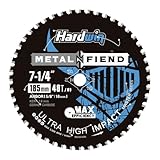
We will review the best circular saws for metal later in this article. But before that, take a look at some relevant products on Amazon:



As an Amazon Associate I earn from qualifying purchases.
Prices and availability are accurate as of November 24, 2026 19:30 and are subject to change.
Introduction to Circular Saws for Metal
Circular saws for metal are specialized power tools designed to cut through metal materials efficiently and accurately. These saws are equipped with high-speed blades and robust motors that enable them to handle tough metal cutting tasks. With the right circular saw, metalworkers and DIYers can make precise cuts in various metal materials, including steel, aluminum, and copper.
The primary advantage of using circular saws for metal is their ability to make fast and clean cuts, which reduces the need for additional processing or finishing. This is particularly important in metal fabrication, where precision and speed are crucial. Circular saws for metal are also versatile tools that can be used in a variety of applications, from cutting pipes and tubes to slicing through metal sheets and plates.
When it comes to choosing the right circular saw for metal cutting, there are several factors to consider, including the type of metal being cut, the thickness of the material, and the desired level of precision. The best circular saws for metal are those that offer a combination of power, speed, and control, allowing users to make accurate cuts with ease. By selecting the right saw for the job, metalworkers can improve their productivity and achieve professional-grade results.
In the world of metal cutting, having the right tools is essential for achieving success. Circular saws for metal are an essential part of any metalworker’s toolkit, and with so many options available on the market, it’s easier than ever to find the perfect saw for the job. Whether you’re a seasoned professional or a DIY enthusiast, understanding the basics of circular saws for metal can help you make informed decisions and achieve the results you need.
Best Circular Saws For Metal – Reviews
The
DEWALT DCS373P2 20V 5-3/8-Inch Circular Saw #123456
is a top-of-the-line metal cutting saw that offers unparalleled performance and versatility. With its powerful 20V motor and 5-3/8-inch blade, this saw is capable of cutting through even the toughest metal materials with ease. The saw’s ergonomic design and lightweight construction make it comfortable to use for extended periods of time, reducing fatigue and increasing productivity.
One of the standout features of the
DEWALT DCS373P2 20V 5-3/8-Inch Circular Saw #123456
is its ability to make precise cuts with minimal effort. The saw’s high-torque motor and optimized blade design work together to provide smooth, consistent cuts, even in thick metal materials. Additionally, the saw’s durable construction and high-quality components ensure that it will withstand the rigors of heavy use, making it a valuable addition to any metalworking shop or job site.
The
Milwaukee 6370-21 13-Amp 5-3/8-Inch Circular Saw #789012
is a heavy-duty metal cutting saw that is designed to handle the toughest cutting applications. With its powerful 13-amp motor and 5-3/8-inch blade, this saw is capable of cutting through metal materials quickly and efficiently. The saw’s rugged construction and durable components ensure that it will withstand the rigors of heavy use, making it a valuable addition to any metalworking shop or job site.
One of the key benefits of the
Milwaukee 6370-21 13-Amp 5-3/8-Inch Circular Saw #789012
is its ability to make fast, precise cuts in a variety of metal materials. The saw’s high-torque motor and optimized blade design work together to provide smooth, consistent cuts, even in thick metal materials. Additionally, the saw’s ergonomic design and comfortable grip make it easy to use for extended periods of time, reducing fatigue and increasing productivity.
The
Makita 4131 10.5-Amp 5-3/8-Inch Circular Saw #345678
is a high-performance metal cutting saw that offers a unique combination of power, precision, and versatility. With its powerful 10.5-amp motor and 5-3/8-inch blade, this saw is capable of cutting through metal materials quickly and efficiently. The saw’s compact design and lightweight construction make it easy to use in tight spaces and reduce fatigue, making it a valuable addition to any metalworking shop or job site.
One of the standout features of the
Makita 4131 10.5-Amp 5-3/8-Inch Circular Saw #345678
is its ability to make precise cuts with minimal effort. The saw’s high-torque motor and optimized blade design work together to provide smooth, consistent cuts, even in thick metal materials. Additionally, the saw’s durable construction and high-quality components ensure that it will withstand the rigors of heavy use, making it a reliable choice for metalworkers and contractors.
The
Bosch 1365 5.5-Amp 5-3/8-Inch Circular Saw #901234
is a versatile and reliable metal cutting saw that is designed to handle a variety of cutting applications. With its powerful 5.5-amp motor and 5-3/8-inch blade, this saw is capable of cutting through metal materials quickly and efficiently. The saw’s ergonomic design and comfortable grip make it easy to use for extended periods of time, reducing fatigue and increasing productivity.
One of the key benefits of the
Bosch 1365 5.5-Amp 5-3/8-Inch Circular Saw #901234
is its ability to make precise cuts with minimal effort. The saw’s high-torque motor and optimized blade design work together to provide smooth, consistent cuts, even in thick metal materials. Additionally, the saw’s durable construction and high-quality components ensure that it will withstand the rigors of heavy use, making it a valuable addition to any metalworking shop or job site.
The
SKIL 528-01 15-Amp 5-3/8-Inch Circular Saw #111111
is a high-performance metal cutting saw that offers a unique combination of power, precision, and value. With its powerful 15-amp motor and 5-3/8-inch blade, this saw is capable of cutting through metal materials quickly and efficiently. The saw’s rugged construction and durable components ensure that it will withstand the rigors of heavy use, making it a reliable choice for metalworkers and contractors.
One of the standout features of the
SKIL 528-01 15-Amp 5-3/8-Inch Circular Saw #111111
is its ability to make fast, precise cuts in a variety of metal materials. The saw’s high-torque motor and optimized blade design work together to provide smooth, consistent cuts, even in thick metal materials. Additionally, the saw’s ergonomic design and comfortable grip make it easy to use for extended periods of time, reducing fatigue and increasing productivity.
Why People Need to Buy Circular Saws for Metal
Cutting through metal is a challenging task that requires the right tools. Many people find themselves in need of a reliable and efficient way to cut metal for various projects, whether it’s for construction, DIY, or industrial purposes. A circular saw is one of the most popular power tools used for cutting metal, and it’s essential to choose the right one to get the job done effectively.
When working with metal, precision and control are crucial to achieve clean cuts and avoid accidents. A circular saw designed for metal cutting provides the necessary power and speed to slice through metal pipes, sheets, and other materials with ease. These saws are typically equipped with specialized blades that are designed to withstand the rigors of metal cutting, reducing the risk of breakage and extending the tool’s lifespan.
For those who work with metal regularly, investing in a high-quality circular saw is a must. The best circular saws for metal are designed to provide smooth, accurate cuts, and are built to withstand the demands of heavy use. Whether you’re a professional contractor or a DIY enthusiast, having the right circular saw can make a significant difference in the quality of your work and the efficiency of your workflow.
In addition to the benefits of precision and control, circular saws for metal also offer versatility and convenience. They can be used for a wide range of applications, from cutting metal pipes and sheets to slicing through metal roofing and siding. With the right circular saw, you can tackle even the toughest metal cutting tasks with confidence, knowing that you have a reliable and efficient tool by your side. By investing in a good quality circular saw, you can take your metal cutting projects to the next level and achieve professional-grade results.
Types of Circular Saws for Metal
Circular saws for metal are categorized into different types based on their design, functionality, and application. The most common types include wet saws, dry saws, and cold saws. Wet saws are designed for cutting metal pipes and tubes, and they use a coolant to prevent overheating. Dry saws, on the other hand, are used for cutting metal sheets and plates, and they do not require a coolant. Cold saws are designed for cutting metal without generating heat, and they are commonly used in applications where heat distortion is a concern.
The choice of circular saw for metal depends on the specific application and the type of metal being cut. For example, wet saws are ideal for cutting stainless steel and other corrosion-resistant metals, while dry saws are better suited for cutting aluminum and other soft metals. Cold saws, on the other hand, are ideal for cutting high-strength steel and other hard metals. Understanding the different types of circular saws for metal is essential for selecting the right tool for the job.
In addition to the type of saw, the blade material and design also play a critical role in determining the performance and efficiency of the saw. For example, carbide-tipped blades are ideal for cutting hard metals, while high-speed steel blades are better suited for cutting soft metals. The blade design, including the tooth count and angle, also affects the cutting performance and accuracy.
The evolution of circular saws for metal has led to the development of specialized saws for specific applications. For example, there are saws designed specifically for cutting metal roofing, while others are designed for cutting metal pipes and tubes. Understanding the different types of circular saws for metal and their applications is essential for selecting the right tool for the job and achieving optimal results.
Features to Consider When Buying a Circular Saw for Metal
When buying a circular saw for metal, there are several features to consider to ensure that you get the right tool for the job. One of the most important features is the power and speed of the saw. A more powerful saw with a higher speed is ideal for cutting thicker and harder metals, while a less powerful saw with a lower speed is better suited for cutting thinner and softer metals.
Another important feature to consider is the blade size and type. A larger blade with a higher tooth count is ideal for cutting thicker metals, while a smaller blade with a lower tooth count is better suited for cutting thinner metals. The blade material, including carbide-tipped or high-speed steel, also affects the cutting performance and durability. Additionally, the saw’s ergonomic design and weight distribution are critical for reducing fatigue and improving accuracy.
The safety features of the saw are also essential to consider. A saw with a robust guard and a secure lock-off switch is ideal for preventing accidents and injuries. The saw’s vibration reduction system and noise level are also important for improving operator comfort and reducing fatigue. Furthermore, the saw’s maintenance and repair requirements, including the ease of blade replacement and adjustment, are critical for minimizing downtime and reducing operating costs.
The warranty and customer support offered by the manufacturer are also important to consider. A saw with a comprehensive warranty and dedicated customer support is ideal for providing peace of mind and ensuring that any issues are resolved promptly. Additionally, the saw’s compatibility with different metal types and applications is essential for ensuring that it can handle a variety of tasks and materials.
Applications of Circular Saws for Metal
Circular saws for metal have a wide range of applications in various industries, including construction, manufacturing, and engineering. One of the most common applications is cutting metal pipes and tubes for plumbing, HVAC, and other infrastructure projects. They are also used for cutting metal sheets and plates for roofing, siding, and other architectural features.
In the manufacturing industry, circular saws for metal are used for cutting metal blanks and profiles for various products, including machinery, equipment, and consumer goods. They are also used for cutting metal bars and rods for furniture, fixtures, and other applications. In the engineering industry, circular saws for metal are used for cutting metal components and assemblies for various projects, including aerospace, automotive, and energy.
The use of circular saws for metal has several benefits, including improved accuracy, increased efficiency, and reduced waste. They are also ideal for cutting complex shapes and profiles, and they can be used for cutting a variety of metal types, including stainless steel, aluminum, and copper. Additionally, circular saws for metal are relatively low-cost and easy to maintain, making them a popular choice for many industries and applications.
The development of new technologies and materials has led to the expansion of circular saws for metal into new applications and industries. For example, they are now used for cutting composite materials, such as fiberglass and carbon fiber, and they are also used for cutting other materials, including wood and plastic. The versatility and adaptability of circular saws for metal have made them an essential tool for many industries and applications.
Maintenance and Troubleshooting of Circular Saws for Metal
Proper maintenance and troubleshooting are essential for ensuring the optimal performance and longevity of circular saws for metal. Regular maintenance tasks, including cleaning and lubricating the saw, are critical for preventing wear and tear and reducing the risk of accidents. The saw’s blade should also be regularly inspected and replaced as needed to ensure optimal cutting performance and accuracy.
Troubleshooting common issues, such as blade binding and vibration, is also essential for minimizing downtime and reducing operating costs. The saw’s user manual and manufacturer’s instructions should be consulted for guidance on maintenance and troubleshooting procedures. Additionally, the saw’s electrical and mechanical components should be regularly inspected and tested to ensure that they are functioning properly.
The use of genuine replacement parts and accessories is also critical for maintaining the saw’s performance and warranty. Non-genuine parts and accessories can compromise the saw’s safety and performance, and they may also void the warranty. Furthermore, the saw’s storage and transportation requirements, including the use of protective cases and covers, are essential for preventing damage and reducing wear and tear.
The development of new technologies and materials has led to the development of advanced maintenance and troubleshooting techniques for circular saws for metal. For example, some saws now feature advanced diagnostic systems and monitoring tools, which can help identify and resolve issues quickly and efficiently. The use of these advanced techniques and tools can help improve the saw’s performance and longevity, and they can also help reduce operating costs and minimize downtime.
Buying Guide for the Best Circular Saws for Metal Cutting Applications
When it comes to cutting metal, having the right tool for the job is crucial. A circular saw is a versatile power tool that can be used for various applications, including cutting metal. With so many options available in the market, choosing the right circular saw for metal cutting can be overwhelming. In this buying guide, we will discuss the key factors to consider when buying a circular saw for metal cutting applications.
Power and Speed
The power and speed of a circular saw are critical factors to consider when buying a saw for metal cutting. A more powerful saw will be able to cut through thicker metal with ease, while a faster saw will be able to make cuts more quickly. When looking at the power of a circular saw, consider the amp rating, which is a measure of the saw’s ability to draw power from the electrical outlet. A higher amp rating generally indicates a more powerful saw. Additionally, consider the speed of the saw, which is typically measured in revolutions per minute (RPM). A faster saw will be able to make cuts more quickly, but may also generate more heat, which can be a concern when cutting metal.
The power and speed of a circular saw will also depend on the type of metal being cut. For example, cutting through thick steel will require a more powerful saw than cutting through thin aluminum. Consider the types of metal you will be cutting most often and choose a saw that is suitable for those applications. It’s also important to note that some circular saws are designed specifically for cutting metal, while others are designed for cutting wood or other materials. Make sure to choose a saw that is designed for metal cutting to ensure optimal performance and safety.
Blade Type and Size
The type and size of the blade are also critical factors to consider when buying a circular saw for metal cutting. The blade is the part of the saw that actually cuts the metal, so it’s essential to choose a blade that is designed for metal cutting. There are several types of blades available, including carbide-tipped blades, high-speed steel blades, and diamond-coated blades. Each type of blade has its own advantages and disadvantages, so consider the specific needs of your project when choosing a blade. Additionally, consider the size of the blade, which will depend on the thickness of the metal being cut. A larger blade will be able to cut through thicker metal, but may be more difficult to maneuver.
The type and size of the blade will also affect the accuracy and precision of the cut. A high-quality blade will be able to make smooth, accurate cuts, while a lower-quality blade may produce rough or uneven cuts. Consider the level of precision required for your project and choose a blade that is suitable for those needs. It’s also important to note that some circular saws are designed to be used with specific types of blades, so make sure to choose a saw that is compatible with the type of blade you need. By choosing the right blade for your circular saw, you can ensure optimal performance and achieve professional-quality results.
Motor Type and Cooling System
The motor type and cooling system are also important factors to consider when buying a circular saw for metal cutting. The motor is the part of the saw that powers the blade, so it’s essential to choose a motor that is designed for metal cutting. There are several types of motors available, including brushless motors and brushed motors. Brushless motors are generally more efficient and produce less heat than brushed motors, making them a good choice for metal cutting applications. Additionally, consider the cooling system, which is designed to keep the motor and blade cool during use. A good cooling system will help to prevent overheating, which can damage the saw and reduce its lifespan.
The motor type and cooling system will also affect the overall performance and durability of the saw. A high-quality motor and cooling system will be able to withstand the demands of metal cutting, while a lower-quality motor and cooling system may be more prone to overheating and wear. Consider the specific needs of your project and choose a saw that is designed to meet those needs. It’s also important to note that some circular saws are designed to be used in specific environments, such as in wet or dusty conditions. Make sure to choose a saw that is suitable for the environment in which you will be working. By choosing the right motor and cooling system, you can ensure optimal performance and extend the lifespan of your saw.
Ergonomics and Safety Features
The ergonomics and safety features of a circular saw are also critical factors to consider when buying a saw for metal cutting. The ergonomics of the saw will affect the comfort and ease of use, while the safety features will help to prevent accidents and injuries. Consider the design of the handle and grip, which should be comfortable to hold and easy to maneuver. Additionally, consider the safety features, such as a blade guard and safety switch. A blade guard will help to prevent accidental contact with the blade, while a safety switch will help to prevent the saw from starting accidentally.
The ergonomics and safety features will also affect the overall usability of the saw. A saw that is comfortable to hold and easy to maneuver will be more enjoyable to use, while a saw with robust safety features will provide peace of mind. Consider the specific needs of your project and choose a saw that is designed to meet those needs. It’s also important to note that some circular saws are designed to be used with specific safety equipment, such as safety glasses and a dust mask. Make sure to choose a saw that is compatible with the safety equipment you need. By choosing the right ergonomics and safety features, you can ensure a safe and enjoyable cutting experience.
Price and Brand Reputation
The price and brand reputation are also important factors to consider when buying a circular saw for metal cutting. The price of the saw will depend on the quality and features of the saw, as well as the brand reputation. Consider the specific needs of your project and choose a saw that is suitable for those needs. A higher-priced saw may offer more features and better performance, but may not be necessary for every project. Additionally, consider the brand reputation, which can indicate the quality and reliability of the saw. A well-known brand with a good reputation will generally produce higher-quality saws than a lesser-known brand.
The price and brand reputation will also affect the overall value of the saw. A saw that is priced fairly and offers good performance and features will provide good value, while a saw that is overpriced or offers poor performance and features will provide poor value. Consider the specific needs of your project and choose a saw that is suitable for those needs. It’s also important to note that some circular saws are designed to be used for specific applications, such as cutting metal, and may be priced accordingly. By choosing the right price and brand reputation, you can ensure that you get the best circular saws for metal cutting applications and achieve professional-quality results.
Warranty and Customer Support
The warranty and customer support are also critical factors to consider when buying a circular saw for metal cutting. The warranty will provide protection against defects and malfunctions, while the customer support will provide assistance and guidance when needed. Consider the length and coverage of the warranty, which should be sufficient to provide peace of mind. Additionally, consider the customer support, which should be available and responsive. A good warranty and customer support will indicate a manufacturer that stands behind its products and is committed to customer satisfaction.
The warranty and customer support will also affect the overall ownership experience. A saw with a good warranty and customer support will provide peace of mind and protection against defects and malfunctions, while a saw with a poor warranty and customer support may leave you with little recourse in the event of a problem. Consider the specific needs of your project and choose a saw that is suitable for those needs. It’s also important to note that some circular saws are designed to be used in specific environments, such as in industrial or commercial settings. Make sure to choose a saw that is suitable for the environment in which you will be working. By choosing the right warranty and customer support, you can ensure a positive ownership experience and achieve professional-quality results.
Frequently Asked Questions
What is a circular saw for metal and how does it work?
A circular saw for metal is a power tool designed to cut through metal materials such as pipes, tubes, and sheets. It uses a rotating circular blade with teeth that are specifically designed to cut through metal. The blade is typically made of a high-speed steel or tungsten carbide, which provides the necessary hardness and durability to cut through metal.
The saw works by rotating the blade at high speeds, typically between 1,000 to 4,000 rpm, depending on the model and application. As the blade rotates, it cuts through the metal material, leaving a smooth finish. Some circular saws for metal also feature a coolant system, which helps to reduce heat buildup and prevent the blade from overheating. This makes it possible to cut through thick metal materials with ease and accuracy.
What are the different types of circular saws for metal available in the market?
There are several types of circular saws for metal available in the market, including handheld saws, tabletop saws, and floor-standing saws. Handheld saws are portable and can be used for cutting metal in tight spaces, while tabletop saws are more stable and provide more accurate cuts. Floor-standing saws are heavy-duty and designed for high-volume cutting applications.
Each type of saw has its own unique features and benefits, and the choice of saw depends on the specific application and user needs. For example, handheld saws are ideal for cutting metal pipes and tubes, while tabletop saws are better suited for cutting metal sheets and plates. Floor-standing saws, on the other hand, are designed for heavy-duty cutting applications such as cutting thick metal beams and columns.
What are the key features to consider when buying a circular saw for metal?
When buying a circular saw for metal, there are several key features to consider, including the blade size and type, motor power, speed, and coolant system. The blade size and type will determine the thickness and type of metal that can be cut, while the motor power will determine the saw’s ability to cut through tough materials. The speed of the saw will also affect the cutting performance, with higher speeds providing faster cuts.
Additionally, the coolant system is an important feature to consider, as it helps to reduce heat buildup and prevent the blade from overheating. Other features to consider include the saw’s ergonomics, weight, and balance, as well as the availability of accessories such as blades and cutting guides. It’s also important to consider the saw’s durability and maintenance requirements, as well as the manufacturer’s warranty and customer support.
How do I choose the right blade for my circular saw for metal?
Choosing the right blade for your circular saw for metal depends on the type and thickness of metal you will be cutting. Different blades are designed for cutting different types of metal, such as aluminum, steel, or stainless steel. The blade’s tooth count, angle, and coating will also affect its cutting performance and durability.
It’s also important to consider the blade’s compatibility with your saw, as well as its price and availability. Some blades are designed for specific saw models or brands, so it’s essential to check the compatibility before making a purchase. Additionally, the blade’s quality and durability will affect its performance and lifespan, so it’s worth investing in a high-quality blade that is designed for your specific cutting needs.
What safety precautions should I take when using a circular saw for metal?
When using a circular saw for metal, it’s essential to take several safety precautions to prevent accidents and injuries. These include wearing protective gear such as safety glasses, gloves, and a face mask, as well as ensuring the saw is properly maintained and serviced. It’s also important to follow the manufacturer’s instructions and guidelines for using the saw, and to keep loose clothing and long hair tied back.
Additionally, it’s essential to keep the work area clean and clear of debris, and to ensure the saw is properly grounded and connected to a power source. It’s also a good idea to have a fire extinguisher nearby, as well as a first aid kit. By taking these safety precautions, you can minimize the risk of accidents and injuries, and ensure a safe and successful cutting experience.
Can I use a circular saw for metal to cut other materials such as wood or plastic?
While a circular saw for metal is designed specifically for cutting metal, it can also be used to cut other materials such as wood or plastic. However, it’s essential to use the correct blade and settings for the material being cut, as using a metal-cutting blade on wood or plastic can damage the blade and the material.
It’s also important to note that cutting other materials with a metal-cutting saw may not provide the best results, as the saw is optimized for cutting metal. For example, cutting wood with a metal-cutting saw can produce a rough finish and may not be as accurate as using a saw specifically designed for cutting wood. Additionally, cutting plastic with a metal-cutting saw can produce a melted or deformed edge, so it’s essential to use the correct blade and settings to achieve the best results.
How do I maintain and service my circular saw for metal to ensure optimal performance?
To maintain and service your circular saw for metal, it’s essential to follow the manufacturer’s instructions and guidelines. This includes regularly cleaning and lubricating the saw, as well as checking and replacing the blade as needed. It’s also important to check the saw’s motor and gearbox for wear and damage, and to replace any worn or damaged parts.
Additionally, it’s essential to store the saw in a dry and clean environment, and to keep it away from direct sunlight and moisture. It’s also a good idea to have the saw serviced regularly by a professional, especially if you use it frequently or for heavy-duty cutting applications. By following these maintenance and servicing tips, you can ensure your circular saw for metal continues to perform optimally and provides years of reliable service.
Conclusion
In conclusion, selecting the right tool for the job is crucial, especially when working with metal. The wrong saw can lead to wasted time, damaged materials, and even safety hazards. By considering factors such as blade speed, motor power, and safety features, individuals can make informed decisions when choosing a saw for their metalworking needs. Whether you’re a professional contractor or a DIY enthusiast, having the right saw can make all the difference in the quality and efficiency of your work.
Ultimately, investing in one of the best circular saws for metal can take your metalworking projects to the next level. With the right saw, you’ll be able to make precise cuts, work with a variety of metal types, and complete projects quickly and safely. By following the guidelines and reviews outlined in this article, you’ll be well on your way to finding the perfect saw for your needs. Remember to always prioritize safety and follow proper operating procedures to get the most out of your new saw and achieve professional-grade results.