Tennis is a demanding sport that requires quick movements, sharp turns, and rapid changes in direction, which can put a significant amount of stress on the feet. For women who enjoy playing tennis, finding the right shoes is crucial to prevent injuries and alleviate existing conditions such as plantar fasciitis. Plantar fasciitis is a common condition that causes pain and inflammation in the heel and bottom of the foot, making it essential to wear shoes that provide adequate support and cushioning. Women who suffer from plantar fasciitis need to be particularly careful when choosing their tennis shoes, as the wrong pair can exacerbate the condition and hinder their performance on the court.
When it comes to finding the perfect tennis shoes, women with plantar fasciitis have a unique set of requirements. They need shoes that offer excellent arch support, cushioning, and stability to reduce the stress on their feet and prevent further injury. With so many options available in the market, it can be overwhelming to choose the right pair. That’s why we’ve put together a comprehensive guide to help women find the best women’s tennis shoes for plantar fasciitis. Our guide will walk you through the key features to look for, the benefits of different types of shoes, and our top picks for the best tennis shoes that cater to the specific needs of women with plantar fasciitis. Whether you’re a professional tennis player or a recreational enthusiast, our guide will help you make an informed decision and find the perfect shoes to support your feet and enhance your game.
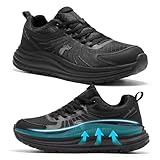
We will review the best women’s tennis shoes for plantar fasciitis later in this article. But before that, take a look at some relevant products on Amazon:



As an Amazon Associate I earn from qualifying purchases.
Prices and availability are accurate as of November 17, 2026 11:12 and are subject to change.
Introduction to Women’s Tennis Shoes for Plantar Fasciitis
Plantar fasciitis is a common condition that affects the heel and bottom of the foot, causing pain and discomfort. It is often caused by repetitive strain on the plantar fascia, a band of tissue that supports the arch of the foot. For women who enjoy playing tennis, this condition can be particularly problematic, as it can make it difficult to move around the court and perform at their best.
Women who suffer from plantar fasciitis need to take extra care when choosing their tennis shoes. They require shoes that provide adequate support and cushioning to reduce the strain on their feet and alleviate pain. A good pair of tennis shoes can make all the difference in their game, allowing them to move freely and comfortably around the court.
When looking for the best women’s tennis shoes for plantar fasciitis, there are several factors to consider. These include the level of arch support, the amount of cushioning, and the overall fit of the shoe. Shoes with good arch support can help to reduce the strain on the plantar fascia, while cushioning can help to absorb the impact of each step. A comfortable fit is also essential, as ill-fitting shoes can exacerbate the condition.
In order to find the right pair of shoes, women with plantar fasciitis should look for shoes that are specifically designed to provide support and comfort. They should also consider their personal preferences and playing style when making their selection. By choosing the right pair of shoes, women with plantar fasciitis can enjoy playing tennis without discomfort or pain, and can perform at their best on the court.
5 Best Women’S Tennis Shoes For Plantar Fasciitis
1. Brooks Ghost 1 Women’s Tennis Shoe
The Brooks Ghost 1 Women’s Tennis Shoe is an excellent choice for women who suffer from plantar fasciitis. This shoe features a supportive and cushioned ride, which helps to reduce the stress and strain on the feet and ankles. The shoe also has a segmented crash pad that allows for smooth heel-to-toe transition, which can help to reduce the pain and discomfort associated with plantar fasciitis. Additionally, the shoe has a breathable mesh upper that helps to keep the feet cool and dry during play.
The Brooks Ghost 1 Women’s Tennis Shoe is also very durable and can withstand the demands of regular tennis play. The shoe has a rubber outsole that provides excellent traction and durability, and the midsole is made of a high-quality material that can withstand the impact of repeated footstrikes. Overall, the Brooks Ghost 1 Women’s Tennis Shoe is an excellent choice for women with plantar fasciitis who are looking for a supportive and cushioned shoe that can help to reduce their pain and discomfort. With its excellent support, cushioning, and durability, this shoe is sure to be a great option for many women tennis players.
2. ASICS Gel-Resolution 2 Women’s Tennis Shoe
The ASICS Gel-Resolution 2 Women’s Tennis Shoe is another excellent option for women with plantar fasciitis. This shoe features a gel cushioning system that helps to absorb the impact of footstrikes and reduce the stress and strain on the feet and ankles. The shoe also has a spacious toe box that allows for a full range of motion, which can help to reduce the pain and discomfort associated with plantar fasciitis. Additionally, the shoe has a breathable mesh upper that helps to keep the feet cool and dry during play.
The ASICS Gel-Resolution 2 Women’s Tennis Shoe is also very supportive and stable, making it an excellent choice for women who need a little extra support in their shoe. The shoe has a high-quality midsole that provides excellent arch support and stability, and the outsole is made of a durable rubber material that provides excellent traction and durability. Overall, the ASICS Gel-Resolution 2 Women’s Tennis Shoe is an excellent choice for women with plantar fasciitis who are looking for a supportive and cushioned shoe that can help to reduce their pain and discomfort. With its excellent support, cushioning, and stability, this shoe is sure to be a great option for many women tennis players.
3. New Balance 896 3 Women’s Tennis Shoe
The New Balance 896 3 Women’s Tennis Shoe is a great option for women with plantar fasciitis who are looking for a supportive and cushioned shoe. This shoe features a supportive and cushioned ride, which helps to reduce the stress and strain on the feet and ankles. The shoe also has a breathable mesh upper that helps to keep the feet cool and dry during play, and a rubber outsole that provides excellent traction and durability. Additionally, the shoe has a spacious toe box that allows for a full range of motion, which can help to reduce the pain and discomfort associated with plantar fasciitis.
The New Balance 896 3 Women’s Tennis Shoe is also very durable and can withstand the demands of regular tennis play. The shoe has a high-quality midsole that provides excellent arch support and stability, and the outsole is made of a durable rubber material that provides excellent traction and durability. Overall, the New Balance 896 3 Women’s Tennis Shoe is an excellent choice for women with plantar fasciitis who are looking for a supportive and cushioned shoe that can help to reduce their pain and discomfort. With its excellent support, cushioning, and durability, this shoe is sure to be a great option for many women tennis players.
4. Nike Air Zoom Vapor X 4 Women’s Tennis Shoe
The Nike Air Zoom Vapor X 4 Women’s Tennis Shoe is a great option for women with plantar fasciitis who are looking for a lightweight and responsive shoe. This shoe features a full-length Zoom Air unit that provides excellent cushioning and responsiveness, which can help to reduce the pain and discomfort associated with plantar fasciitis. The shoe also has a breathable mesh upper that helps to keep the feet cool and dry during play, and a rubber outsole that provides excellent traction and durability. Additionally, the shoe has a spacious toe box that allows for a full range of motion, which can help to reduce the pain and discomfort associated with plantar fasciitis.
The Nike Air Zoom Vapor X 4 Women’s Tennis Shoe is also very supportive and stable, making it an excellent choice for women who need a little extra support in their shoe. The shoe has a high-quality midsole that provides excellent arch support and stability, and the outsole is made of a durable rubber material that provides excellent traction and durability. Overall, the Nike Air Zoom Vapor X 4 Women’s Tennis Shoe is an excellent choice for women with plantar fasciitis who are looking for a lightweight and responsive shoe that can help to reduce their pain and discomfort. With its excellent support, cushioning, and responsiveness, this shoe is sure to be a great option for many women tennis players.
5. Babolat SFX 3 Women’s Tennis Shoe
The Babolat SFX 3 Women’s Tennis Shoe is a great option for women with plantar fasciitis who are looking for a supportive and cushioned shoe. This shoe features a supportive and cushioned ride, which helps to reduce the stress and strain on the feet and ankles. The shoe also has a breathable mesh upper that helps to keep the feet cool and dry during play, and a rubber outsole that provides excellent traction and durability. Additionally, the shoe has a spacious toe box that allows for a full range of motion, which can help to reduce the pain and discomfort associated with plantar fasciitis.
The Babolat SFX 3 Women’s Tennis Shoe is also very durable and can withstand the demands of regular tennis play. The shoe has a high-quality midsole that provides excellent arch support and stability, and the outsole is made of a durable rubber material that provides excellent traction and durability. Overall, the Babolat SFX 3 Women’s Tennis Shoe is an excellent choice for women with plantar fasciitis who are looking for a supportive and cushioned shoe that can help to reduce their pain and discomfort. With its excellent support, cushioning, and durability, this shoe is sure to be a great option for many women tennis players.
Why People Need to Buy Women’s Tennis Shoes for Plantar Fasciitis
Plantar fasciitis is a common condition that affects the heel and bottom of the foot, causing pain and discomfort. It occurs when the plantar fascia, a band of tissue that supports the arch of the foot, becomes inflamed or irritated. This condition can be caused by a variety of factors, including overuse, poor foot mechanics, and wearing shoes that do not provide adequate support. Women who suffer from plantar fasciitis often find it difficult to perform daily activities, let alone engage in sports or exercise.
Women who enjoy playing tennis or other high-impact sports are particularly susceptible to plantar fasciitis. The repetitive strain and stress on the feet can exacerbate the condition, making it even more painful and uncomfortable. To alleviate the symptoms of plantar fasciitis, it is essential to wear shoes that provide excellent arch support and cushioning. Women’s tennis shoes are designed to meet these needs, with features such as sturdy heel counters, supportive midsoles, and cushioned insoles.
The best women’s tennis shoes for plantar fasciitis are designed to reduce stress and strain on the plantar fascia, allowing women to play tennis and engage in other activities without experiencing pain or discomfort. These shoes typically feature advanced technology, such as gel cushioning, air units, and orthotic-friendly designs. By wearing these shoes, women can help to alleviate the symptoms of plantar fasciitis and prevent further irritation.
In addition to providing relief from plantar fasciitis, women’s tennis shoes can also help to improve overall foot health. By wearing shoes that provide adequate support and cushioning, women can reduce their risk of developing other foot problems, such as bunions, hammertoes, and ankle sprains. Furthermore, women’s tennis shoes can also enhance performance and comfort on the court, allowing women to play their best game without being held back by foot pain or discomfort. By investing in a good pair of women’s tennis shoes, women can take the first step towards alleviating plantar fasciitis and improving their overall foot health.
Causes and Symptoms of Plantar Fasciitis in Tennis Players
Plantar fasciitis is a common condition that affects the heel and bottom of the foot, causing pain and discomfort. It occurs when the plantar fascia, a band of tissue that supports the arch of the foot, becomes inflamed or irritated. Tennis players are particularly prone to plantar fasciitis due to the repetitive stress and strain on their feet during matches and training sessions. The symptoms of plantar fasciitis can vary from mild to severe and may include pain in the heel or bottom of the foot, swelling, and stiffness.
The pain associated with plantar fasciitis can be debilitating and may affect a player’s performance on the court. It is essential for tennis players to take preventive measures to reduce the risk of developing plantar fasciitis. This can include wearing proper footwear, stretching and exercising the feet and ankles, and avoiding overtraining. By taking these precautions, tennis players can reduce their risk of developing plantar fasciitis and stay healthy and competitive on the court.
In addition to preventive measures, there are also various treatments available for plantar fasciitis. These can include rest, ice, and physical therapy, as well as orthotics and shoe inserts. In severe cases, surgery may be necessary to relieve the pain and inflammation. However, with proper treatment and care, most cases of plantar fasciitis can be managed, and players can return to their normal activities.
Tennis players who experience symptoms of plantar fasciitis should seek medical attention to determine the best course of treatment. A doctor or podiatrist can diagnose plantar fasciitis and recommend a treatment plan to alleviate the pain and inflammation. By seeking medical attention and taking preventive measures, tennis players can reduce their risk of developing plantar fasciitis and stay healthy and competitive on the court.
Features to Look for in Women’s Tennis Shoes for Plantar Fasciitis
When it comes to choosing the best women’s tennis shoes for plantar fasciitis, there are several features to look for. One of the most important features is a supportive and cushioned arch. This can help reduce the stress and strain on the plantar fascia, alleviating pain and discomfort. A good pair of tennis shoes should also have a comfortable and breathable upper material, such as mesh or synthetic leather.
Another essential feature to look for is a sturdy and stable sole. This can help provide support and stability for the foot, reducing the risk of injury and alleviating pain. The sole should also be non-marking and have a good grip to prevent slipping and sliding on the court. Additionally, a good pair of tennis shoes should have a roomy toe box to allow for toe movement and flexibility.
The midsole of the shoe is also crucial in reducing the impact on the plantar fascia. A midsole with good cushioning and shock absorption can help reduce the stress and strain on the foot, alleviating pain and discomfort. Some tennis shoes also feature technology such as gel or air cushioning, which can provide extra support and comfort.
In terms of specific features, some tennis shoes may have a more substantial heel-to-toe offset, which can help reduce the stress on the plantar fascia. Others may have a more flexible forefoot, which can help promote a natural stride and reduce the risk of injury. By looking for these features, women can find the best tennis shoes for plantar fasciitis and stay comfortable and competitive on the court.
Benefits of Wearing Women’s Tennis Shoes for Plantar Fasciitis
Wearing women’s tennis shoes specifically designed for plantar fasciitis can have numerous benefits for tennis players. One of the most significant advantages is reduced pain and discomfort. By providing support and cushioning for the plantar fascia, these shoes can help alleviate the pain and inflammation associated with plantar fasciitis.
Another benefit of wearing women’s tennis shoes for plantar fasciitis is improved performance on the court. When players are not distracted by pain and discomfort, they can focus on their game and perform at their best. These shoes can also help reduce the risk of injury, as they provide support and stability for the foot and ankle. By wearing the right shoes, players can stay healthy and competitive, and enjoy their time on the court.
In addition to the physical benefits, wearing women’s tennis shoes for plantar fasciitis can also have mental benefits. When players feel comfortable and confident in their shoes, they can focus on their game and enjoy the experience of playing tennis. This can help reduce stress and anxiety, and promote a positive and enjoyable experience on the court.
Overall, wearing women’s tennis shoes specifically designed for plantar fasciitis can have a significant impact on a player’s game and overall well-being. By providing support, cushioning, and stability, these shoes can help reduce pain and discomfort, improve performance, and promote a positive and enjoyable experience on the court.
How to Choose the Right Size and Fit for Women’s Tennis Shoes for Plantar Fasciitis
Choosing the right size and fit for women’s tennis shoes for plantar fasciitis is crucial to ensure comfort and support on the court. The first step is to try on several different sizes and styles to find the one that fits best. It is essential to wear the same type of socks that you plan to wear during matches and training sessions to ensure a accurate fit.
When trying on shoes, pay attention to the length, width, and depth of the toe box. The toe box should be roomy enough to allow for toe movement and flexibility, but not so roomy that the foot slides around. The heel should fit snugly, but not too tightly, and the midfoot should be secure and supportive. It is also essential to consider the arch support and cushioning, as these features can help alleviate pain and discomfort associated with plantar fasciitis.
In addition to trying on shoes, it is also a good idea to consult with a shoe fitter or a podiatrist to ensure the best possible fit. They can help you determine your foot type and recommend the best style and size of shoe for your needs. They can also help you choose shoes with the right amount of support and cushioning for your plantar fascia.
By taking the time to choose the right size and fit for women’s tennis shoes for plantar fasciitis, players can ensure a comfortable and supportive fit that will help alleviate pain and discomfort on the court. This can help improve performance, reduce the risk of injury, and promote a positive and enjoyable experience playing tennis.
Buying Guide for Women’s Tennis Shoes to Alleviate Plantar Fasciitis
When it comes to playing tennis with plantar fasciitis, the right shoes can make all the difference. Plantar fasciitis is a common condition that causes pain and inflammation in the heel and bottom of the foot, and it can be exacerbated by activities that involve running, jumping, and quick changes of direction, such as tennis. The best women’s tennis shoes for plantar fasciitis can help to reduce pain and discomfort, and improve overall performance on the court.
Support and Stability
The level of support and stability provided by a tennis shoe is crucial for players with plantar fasciitis. Shoes that offer adequate support and stability can help to reduce stress and strain on the plantar fascia, which can help to alleviate pain and discomfort. Look for shoes that have a sturdy and supportive upper material, such as leather or synthetic materials, and a midsole that provides excellent cushioning and shock absorption. A good tennis shoe should also have a stable and supportive heel counter, which can help to prevent excessive heel movement and reduce stress on the plantar fascia.
When evaluating the support and stability of a tennis shoe, consider the type of playing style and the surface on which you will be playing. For example, if you are a aggressive player who likes to make quick movements and sharp turns, you may need a shoe with a more supportive and stable upper material. On the other hand, if you are a player who likes to play on softer surfaces, such as clay or grass, you may be able to get away with a shoe that has a less supportive upper material.
Cushioning and Shock Absorption
Cushioning and shock absorption are also critical factors to consider when buying tennis shoes for plantar fasciitis. Shoes with good cushioning and shock absorption can help to reduce the impact of each step, which can help to alleviate pain and discomfort in the heel and bottom of the foot. Look for shoes that have a thick and responsive midsole, which can provide excellent cushioning and shock absorption. Some tennis shoes also feature specialized cushioning systems, such as gel or air pockets, which can provide additional comfort and support.
When evaluating the cushioning and shock absorption of a tennis shoe, consider the type of playing surface and the level of impact that you will be experiencing. For example, if you are playing on a hard surface, such as a concrete or asphalt court, you may need a shoe with more cushioning and shock absorption to reduce the impact of each step. On the other hand, if you are playing on a softer surface, such as a clay or grass court, you may be able to get away with a shoe that has less cushioning and shock absorption.
Arch Support and Pronation Control
Arch support and pronation control are also important factors to consider when buying tennis shoes for plantar fasciitis. Shoes with good arch support can help to reduce stress and strain on the plantar fascia, which can help to alleviate pain and discomfort. Look for shoes that have a supportive and stable arch system, which can provide excellent support and stability for the foot. Some tennis shoes also feature specialized pronation control systems, which can help to reduce excessive pronation and supination, which can exacerbate plantar fasciitis.
When evaluating the arch support and pronation control of a tennis shoe, consider the type of foot that you have and the level of pronation or supination that you experience. For example, if you have a flat foot or a low arch, you may need a shoe with more supportive arch system to reduce stress and strain on the plantar fascia. On the other hand, if you have a high arch or a rigid foot, you may be able to get away with a shoe that has less supportive arch system.
Fit and Comfort
The fit and comfort of a tennis shoe are also critical factors to consider when buying shoes for plantar fasciitis. Shoes that fit well and are comfortable can help to reduce stress and strain on the foot, which can help to alleviate pain and discomfort. Look for shoes that have a comfortable and breathable upper material, which can provide excellent ventilation and moisture management. A good tennis shoe should also have a comfortable and supportive collar, which can help to prevent blisters and hotspots.
When evaluating the fit and comfort of a tennis shoe, consider the type of foot that you have and the level of comfort that you need. For example, if you have a wider or narrower foot, you may need a shoe that is specifically designed to accommodate your foot shape. On the other hand, if you have a foot that is prone to blisters or hotspots, you may need a shoe that has a more comfortable and supportive collar.
Materials and Construction
The materials and construction of a tennis shoe are also important factors to consider when buying shoes for plantar fasciitis. Shoes that are made with high-quality materials and have a sturdy construction can provide excellent support and stability for the foot. Look for shoes that are made with breathable and moisture-wicking materials, which can provide excellent ventilation and moisture management. A good tennis shoe should also have a durable and long-lasting outsole, which can provide excellent traction and durability.
When evaluating the materials and construction of a tennis shoe, consider the type of playing surface and the level of wear and tear that you will be experiencing. For example, if you are playing on a hard surface, such as a concrete or asphalt court, you may need a shoe with a more durable and long-lasting outsole to provide excellent traction and durability. On the other hand, if you are playing on a softer surface, such as a clay or grass court, you may be able to get away with a shoe that has a less durable outsole.
Price and Value
Finally, the price and value of a tennis shoe are also important factors to consider when buying shoes for plantar fasciitis. Shoes that are priced reasonably and offer excellent value can provide a great combination of support, stability, and comfort. Look for shoes that are priced between $50 and $150, which can provide a great balance of quality and affordability. Some tennis shoes may also offer additional features, such as customizable insoles or specialized cushioning systems, which can provide additional comfort and support. When looking for the best women’s tennis shoes for plantar fasciitis, consider all of these factors to find the perfect shoe for your needs.
When evaluating the price and value of a tennis shoe, consider the level of quality and performance that you need, as well as the level of durability and longevity that you expect. For example, if you are a serious tennis player who needs a high-level of support and stability, you may be willing to pay more for a shoe that offers excellent quality and performance. On the other hand, if you are a casual player who just needs a shoe for occasional play, you may be able to get away with a shoe that is priced lower and offers more basic features.
Frequently Asked Questions
What are the best women’s tennis shoes for plantar fasciitis?
The best women’s tennis shoes for plantar fasciitis are those that provide excellent arch support and cushioning. Shoes with a sturdy heel counter and a comfortable toe box can help reduce the stress on the plantar fascia, allowing for a more comfortable playing experience. Some popular brands that offer high-quality tennis shoes for plantar fasciitis include ASICS, Brooks, and New Balance.
When shopping for tennis shoes for plantar fasciitis, look for features such as a rocker sole, which can help reduce the stress on the heel and ankle. Additionally, shoes with a breathable mesh upper can help keep the foot cool and dry, reducing the risk of blisters and discomfort. It’s also important to consider the type of playing surface you’ll be on, as well as your personal playing style, when selecting the best shoe for your needs.
How do I know if I have plantar fasciitis?
Plantar fasciitis is a common condition that causes pain and inflammation in the heel and bottom of the foot. If you’re experiencing pain or stiffness in your heel, especially after playing tennis or other high-impact activities, you may have plantar fasciitis. Other symptoms of plantar fasciitis include swelling, redness, and warmth in the affected area, as well as limited mobility or stiffness in the foot or ankle.
If you suspect you have plantar fasciitis, it’s a good idea to consult with a medical professional for a proper diagnosis and treatment plan. In the meantime, you can try stretching and strengthening exercises to help alleviate the pain and discomfort. Wearing shoes with good arch support and cushioning, such as those designed for plantar fasciitis, can also help reduce the stress on the plantar fascia and promote healing.
Can I play tennis with plantar fasciitis?
Yes, you can play tennis with plantar fasciitis, but it’s essential to take steps to manage your condition and prevent further injury. Wearing shoes with good arch support and cushioning, as well as using orthotics or shoe inserts, can help reduce the stress on the plantar fascia. Additionally, stretching and strengthening exercises, such as calf raises and toe curls, can help improve flexibility and reduce pain.
It’s also important to modify your playing style to avoid exacerbating the condition. This may include taking regular breaks to stretch and rest, as well as avoiding activities that aggravate the condition, such as jumping or quick changes of direction. By taking a proactive approach to managing your plantar fasciitis, you can continue to enjoy playing tennis while minimizing the risk of further injury or discomfort.
How do I choose the right size and fit for my tennis shoes?
Choosing the right size and fit for your tennis shoes is crucial to ensuring a comfortable and supportive playing experience. To find the right size, try on shoes at the end of the day, when your feet are at their largest. Wear the same type of socks you plan to wear during play, and try on both shoes to ensure a comfortable fit. You should have about a half inch of space between the end of your longest toe and the front of the shoe.
When trying on shoes, pay attention to the width and depth of the toe box, as well as the comfort and support of the heel counter. You should feel secure and supported in the shoe, without feeling too tight or constricted. It’s also a good idea to walk around the store or try out some movements to ensure the shoe feels comfortable and stable during play. By taking the time to find the right size and fit, you can help prevent blisters, discomfort, and other issues that can affect your performance on the court.
What features should I look for in a tennis shoe for plantar fasciitis?
When shopping for a tennis shoe for plantar fasciitis, there are several key features to look for. First and foremost, look for shoes with excellent arch support and cushioning, as these can help reduce the stress on the plantar fascia. A sturdy heel counter and a comfortable toe box can also help provide stability and support during play. Additionally, consider shoes with a rocker sole, which can help reduce the stress on the heel and ankle.
Other features to consider include a breathable mesh upper, which can help keep the foot cool and dry, and a supportive midfoot, which can help stabilize the foot during quick movements. Some shoes may also feature additional technologies, such as gel cushioning or orthotics, which can provide extra support and comfort for players with plantar fasciitis. By considering these features and finding a shoe that meets your needs, you can help manage your condition and enjoy a more comfortable and supportive playing experience.
Can I wear tennis shoes for plantar fasciitis for other activities?
Yes, you can wear tennis shoes for plantar fasciitis for other activities, such as walking, jogging, or cross-training. In fact, many tennis shoes are designed to be versatile and can be worn for a variety of activities. However, it’s essential to consider the specific demands of the activity and choose a shoe that is suitable for the task. For example, if you plan to do a lot of running or jumping, you may want to consider a shoe with more substantial cushioning and support.
When wearing tennis shoes for plantar fasciitis for other activities, be sure to pay attention to the terrain and playing surface. For example, if you’re walking on trails or uneven terrain, you may want to consider a shoe with more aggressive tread and traction. Additionally, be mindful of the intensity and duration of the activity, and take regular breaks to stretch and rest your feet. By choosing the right shoe and taking a proactive approach to managing your plantar fasciitis, you can enjoy a variety of activities while minimizing the risk of discomfort or injury.
How often should I replace my tennis shoes for plantar fasciitis?
The frequency with which you should replace your tennis shoes for plantar fasciitis depends on several factors, including the quality of the shoe, the intensity and frequency of play, and your personal comfort and support needs. As a general rule, it’s recommended to replace your tennis shoes every 3-6 months or every 300-500 miles, whichever comes first. This can help ensure that the shoe continues to provide adequate support and cushioning, and can help prevent the onset of discomfort or injury.
When considering replacing your tennis shoes, pay attention to the condition of the sole, the cushioning, and the overall support and stability of the shoe. If you notice that the shoe is showing signs of wear, such as excessive sole wear or a breakdown in the cushioning, it may be time to consider replacing them. Additionally, if you’re experiencing increased discomfort or pain during play, it may be a sign that the shoe is no longer providing adequate support, and it’s time to consider a new pair. By replacing your shoes regularly, you can help manage your plantar fasciitis and enjoy a more comfortable and supportive playing experience.
Final Words
In conclusion, finding the right footwear is essential for individuals who suffer from plantar fasciitis, particularly for those who engage in high-impact activities like tennis. The condition can be debilitating and affect one’s performance on the court, which is why it is crucial to invest in shoes that provide adequate support and cushioning. By considering factors such as arch support, cushioning, and stability, individuals can reduce the risk of exacerbating the condition and improve their overall comfort and performance.
Ultimately, selecting the best women’s tennis shoes for plantar fasciitis can make a significant difference in one’s tennis experience. With the numerous options available in the market, it is essential to conduct thorough research and consider individual needs and preferences. By doing so, individuals can find the perfect pair that meets their requirements, providing them with the comfort, support, and performance they need to excel in their game. With the right shoes, individuals can focus on their technique, strategy, and overall enjoyment of the game, rather than being held back by discomfort and pain.