When it comes to finishing a basement, one of the most crucial decisions you’ll make is choosing the right flooring. Basements are notoriously prone to moisture, which can wreak havoc on traditional flooring materials like hardwood and carpet. This is why it’s essential to select a flooring option that can withstand the damp conditions often found in basements. With so many options available, it can be overwhelming to determine which type of flooring is best suited for your space. If you’re looking for a solution that will keep your basement dry and comfortable, you’re in the right place.
In this article, we’ll explore the best flooring for moist basement, discussing the pros and cons of various materials and providing you with the information you need to make an informed decision. From waterproof laminate to ceramic tile, we’ll cover the most popular options and provide reviews of top products to help you find the perfect fit for your basement. Whether you’re looking to create a cozy family room, a home gym, or a functional storage space, the right flooring can make all the difference. By the end of this article, you’ll be equipped with the knowledge and confidence to choose a flooring solution that will transform your basement into a beautiful and functional space that you’ll enjoy for years to come.
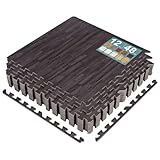
We will review the best flooring for moist basement later in this article. But before that, take a look at some relevant products on Amazon:



As an Amazon Associate I earn from qualifying purchases.
Prices and availability are accurate as of November 8, 2026 06:01 and are subject to change.
Flooring Options for Basements with High Moisture Levels
When it comes to choosing the right flooring for a basement, there are several factors to consider. One of the most important considerations is the moisture level in the basement. Basements are prone to moisture due to their location below ground level, and this can cause problems with certain types of flooring. Flooring that is sensitive to moisture can become damaged or warped, leading to costly repairs.
In order to avoid these problems, it is essential to choose a type of flooring that is resistant to moisture. There are several options available, including tile, concrete, and epoxy-coated flooring. These types of flooring are designed to withstand high levels of moisture and can help to prevent damage to the floor and the rest of the basement.
The key to finding the right flooring for a moist basement is to consider the specific needs and conditions of the space. For example, if the basement is prone to flooding, a flooring material that can withstand standing water may be necessary. On the other hand, if the basement is simply damp, a less expensive option may be sufficient. By taking the time to consider these factors, homeowners can choose the best flooring for their needs.
By selecting the best flooring for moist basement, homeowners can help to ensure that their basement remains a safe and comfortable space. With the right flooring, basements can be used for a variety of purposes, from storage and laundry to home gyms and entertainment rooms. By choosing a flooring material that is resistant to moisture, homeowners can help to prevent damage and ensure that their basement remains a valuable and functional part of their home.
The Best Flooring For Moist Basement
The
1. Luxury Vinyl Tile (LVT) Flooring
is a popular choice for moist basements due to its water-resistant properties and durability. It is designed to mimic the look of natural stone or wood, but with the added benefit of being able to withstand damp conditions. LVT flooring is also relatively easy to install and maintain, making it a great option for homeowners who want a low-maintenance flooring solution.
One of the key benefits of LVT flooring is its ability to resist water damage and moisture. It is also resistant to mold and mildew, which can be a major concern in moist basements. Additionally, LVT flooring is comfortable to walk on and can be installed over a variety of subfloors, including concrete and plywood. With its many benefits and advantages, it’s no wonder that LVT flooring is a top choice for homeowners who want a reliable and durable flooring solution for their moist basement.
The
2. Ceramic Tile Flooring
is another great option for moist basements due to its water-resistant glaze and durable construction. It is available in a wide range of styles and colors, making it easy to find a tile that fits with your desired aesthetic. Ceramic tile flooring is also relatively easy to install and maintain, and it can withstand heavy foot traffic and moisture.
Ceramic tile flooring is also a great choice for moist basements because it is resistant to mold and mildew. It is also easy to clean and maintain, and it can be installed over a variety of subfloors, including concrete and plywood. With its many benefits and advantages, ceramic tile flooring is a popular choice for homeowners who want a reliable and durable flooring solution for their moist basement. Additionally, ceramic tile flooring can be used to create a variety of different looks and styles, from modern and sleek to traditional and elegant.
The
3. Porcelain Tile Flooring
is a type of ceramic tile that is made from a specific type of clay that is more dense and durable than other types of clay. It is a great choice for moist basements due to its water-resistant properties and durability. Porcelain tile flooring is also resistant to mold and mildew, and it can withstand heavy foot traffic and moisture.
Porcelain tile flooring is also a great choice for moist basements because it is relatively easy to install and maintain. It is available in a wide range of styles and colors, making it easy to find a tile that fits with your desired aesthetic. Additionally, porcelain tile flooring can be used to create a variety of different looks and styles, from modern and sleek to traditional and elegant. With its many benefits and advantages, porcelain tile flooring is a popular choice for homeowners who want a reliable and durable flooring solution for their moist basement.
The
4. Natural Stone Tile Flooring
is a great choice for moist basements due to its natural water-resistant properties and durability. It is available in a wide range of styles and colors, making it easy to find a tile that fits with your desired aesthetic. Natural stone tile flooring is also relatively easy to install and maintain, and it can withstand heavy foot traffic and moisture.
Natural stone tile flooring is also a great choice for moist basements because it is resistant to mold and mildew. It is also easy to clean and maintain, and it can be installed over a variety of subfloors, including concrete and plywood. With its many benefits and advantages, natural stone tile flooring is a popular choice for homeowners who want a reliable and durable flooring solution for their moist basement. Additionally, natural stone tile flooring can add a touch of elegance and sophistication to any room, making it a great choice for homeowners who want to create a luxurious and high-end look.
The
5. Engineered Wood Flooring
is a great choice for moist basements due to its water-resistant properties and durability. It is designed to mimic the look of solid hardwood flooring, but with the added benefit of being able to withstand damp conditions. Engineered wood flooring is also relatively easy to install and maintain, making it a great option for homeowners who want a low-maintenance flooring solution.
Engineered wood flooring is also a great choice for moist basements because it is resistant to mold and mildew. It is also comfortable to walk on and can be installed over a variety of subfloors, including concrete and plywood. With its many benefits and advantages, engineered wood flooring is a popular choice for homeowners who want a reliable and durable flooring solution for their moist basement. Additionally, engineered wood flooring can be used to create a variety of different looks and styles, from modern and sleek to traditional and elegant, making it a great choice for homeowners who want to create a unique and personalized space.
Why People Need to Buy Flooring for Moist Basement
Moist basements can be a real problem for homeowners, as the damp environment can lead to the growth of mold and mildew. This can cause a range of issues, from unpleasant odors to serious health problems. One of the most effective ways to address this issue is to install flooring that is specifically designed to withstand the moist conditions found in basements. By doing so, homeowners can help to prevent the growth of mold and mildew, and create a safer and healthier living space.
In addition to the health benefits, installing flooring in a moist basement can also help to improve the overall appearance of the space. A damp and moldy basement can be a real eyesore, and can make the space feel cold and uninviting. By installing new flooring, homeowners can help to brighten up the space and make it feel more welcoming. This can be especially important for homeowners who plan to use their basement as a living space, such as a home office or entertainment room.
When it comes to choosing the right flooring for a moist basement, there are a number of options to consider. Homeowners will want to look for flooring that is resistant to moisture and mold, and that can withstand the damp conditions found in basements. Some popular options include ceramic tile, natural stone, and waterproof laminate flooring. By choosing the best flooring for moist basement, homeowners can help to ensure that their basement remains safe, healthy, and looking its best.
Overall, installing flooring in a moist basement is an important step in creating a safe and healthy living space. By choosing the right flooring, homeowners can help to prevent the growth of mold and mildew, and improve the overall appearance of the space. With so many different options to choose from, homeowners are sure to find a flooring solution that meets their needs and fits their budget. Whether you’re looking to create a cozy home office or a fun entertainment room, installing new flooring is a great place to start.
Types of Flooring Suitable for Moist Basements
When it comes to choosing the best flooring for a moist basement, there are several options to consider. One of the most popular choices is ceramic tile, which is known for its durability and resistance to moisture. Ceramic tile is also easy to clean and maintain, making it a great option for basements that are prone to flooding or high humidity. Another option is porcelain tile, which is similar to ceramic tile but has a more refined and elegant appearance. Porcelain tile is also highly resistant to moisture and can withstand heavy foot traffic.
In addition to tile, there are also several types of flooring that are designed specifically for use in moist basements. For example, epoxy-coated flooring is a popular choice for basements because it is highly resistant to moisture and can withstand heavy foot traffic. Epoxy-coated flooring is also easy to install and can be customized to fit the specific needs of the basement. Another option is rubber flooring, which is known for its durability and flexibility. Rubber flooring is also easy to clean and maintain, making it a great option for basements that are prone to flooding or high humidity.
It’s also worth considering the use of natural stone flooring in a moist basement. Natural stone flooring, such as marble or slate, is highly resistant to moisture and can add a touch of elegance to the basement. However, natural stone flooring can be expensive and may require special maintenance to keep it looking its best. Additionally, some types of natural stone flooring may be more prone to slipping than others, so it’s worth considering the safety implications before making a decision.
Overall, there are many types of flooring that are suitable for use in moist basements. By considering the specific needs and conditions of the basement, homeowners can choose the best flooring option for their needs. Whether it’s ceramic tile, porcelain tile, epoxy-coated flooring, rubber flooring, or natural stone flooring, there are many options to choose from. With a little research and planning, homeowners can create a beautiful and functional basement that will last for years to come.
Benefits of Using Moisture-Resistant Flooring in Basements
Using moisture-resistant flooring in basements can have a number of benefits. One of the most significant benefits is the reduction of mold and mildew growth. When moisture is able to seep into the flooring, it can create an ideal environment for mold and mildew to grow. This can lead to a range of health problems, including respiratory issues and allergic reactions. By using moisture-resistant flooring, homeowners can help to prevent the growth of mold and mildew and create a healthier living space.
Another benefit of using moisture-resistant flooring in basements is the protection of the underlying structure of the home. When moisture is able to seep into the flooring, it can cause damage to the foundation and walls of the home. This can lead to costly repairs and even compromise the structural integrity of the home. By using moisture-resistant flooring, homeowners can help to protect the underlying structure of the home and prevent costly repairs.
In addition to these benefits, using moisture-resistant flooring in basements can also help to improve the overall appearance of the space. Moisture-resistant flooring is available in a range of styles and designs, making it easy to find an option that fits with the overall aesthetic of the home. By choosing a moisture-resistant flooring option that complements the decor of the basement, homeowners can create a beautiful and functional living space that will last for years to come.
Overall, using moisture-resistant flooring in basements can have a number of benefits. From reducing the growth of mold and mildew to protecting the underlying structure of the home, moisture-resistant flooring is a great option for homeowners who want to create a healthy and functional living space. By considering the benefits of moisture-resistant flooring, homeowners can make an informed decision about the best flooring option for their needs.
Installation and Maintenance of Moisture-Resistant Flooring
Installing moisture-resistant flooring in a basement can be a bit more complex than installing other types of flooring. Because moisture-resistant flooring is designed to withstand high levels of moisture, it’s especially important to ensure that the subfloor is properly prepared before installation. This may involve cleaning and drying the subfloor, as well as applying a layer of waterproofing membrane to prevent moisture from seeping up from below.
Once the subfloor is prepared, the moisture-resistant flooring can be installed. This may involve using a specialized adhesive or fastening system to secure the flooring in place. It’s also important to ensure that the flooring is properly sealed and finished to prevent moisture from penetrating the surface. By following the manufacturer’s instructions and taking the necessary precautions, homeowners can ensure a successful installation and enjoy their new moisture-resistant flooring for years to come.
In addition to proper installation, it’s also important to maintain moisture-resistant flooring to ensure that it continues to perform well over time. This may involve regular cleaning and inspection to identify any signs of damage or wear. It’s also important to address any issues promptly, such as repairing cracks or gaps in the flooring, to prevent moisture from penetrating the surface. By following a regular maintenance routine, homeowners can help to extend the life of their moisture-resistant flooring and keep it looking its best.
Overall, installing and maintaining moisture-resistant flooring in a basement requires some special considerations. By preparing the subfloor properly, following the manufacturer’s instructions, and maintaining the flooring regularly, homeowners can enjoy a beautiful and functional living space that will last for years to come. With a little planning and effort, moisture-resistant flooring can be a great option for basements that are prone to moisture.
Common Mistakes to Avoid When Choosing Flooring for a Moist Basement
When choosing flooring for a moist basement, there are several common mistakes to avoid. One of the most significant mistakes is choosing a flooring option that is not designed to withstand high levels of moisture. For example, installing carpet or hardwood flooring in a moist basement can lead to a range of problems, including mold and mildew growth, warping, and damage to the underlying structure of the home.
Another mistake is failing to properly prepare the subfloor before installation. This can lead to a range of problems, including uneven flooring, cracks, and gaps. By taking the time to properly clean and dry the subfloor, and applying a layer of waterproofing membrane, homeowners can help to ensure a successful installation and prevent costly repairs down the line.
In addition to these mistakes, it’s also important to avoid choosing a flooring option that is not compatible with the specific conditions of the basement. For example, some types of flooring may be more prone to slipping than others, or may require special maintenance to keep them looking their best. By considering the specific needs and conditions of the basement, homeowners can choose a flooring option that is well-suited to the space and will provide years of trouble-free service.
Overall, choosing the right flooring for a moist basement requires some careful consideration and planning. By avoiding common mistakes, such as choosing the wrong type of flooring or failing to properly prepare the subfloor, homeowners can create a beautiful and functional living space that will last for years to come. With a little research and effort, it’s possible to find a flooring option that meets the specific needs of the basement and provides a healthy and comfortable living space.
Best Flooring Options for a Moist Basement: A Comprehensive Buying Guide
When it comes to choosing the right flooring for a moist basement, there are several factors to consider. A moist basement can be a challenging space to work with, but with the right flooring, you can create a comfortable and functional area. In this guide, we will discuss the key factors to consider when buying flooring for a moist basement, helping you make an informed decision.
Moisture Resistance
Moisture resistance is a critical factor to consider when buying flooring for a moist basement. You want to choose a flooring material that can withstand the damp conditions and prevent water damage. Look for flooring materials that are specifically designed to be moisture-resistant, such as epoxy-coated flooring or waterproof laminate flooring. These types of flooring are designed to prevent water from seeping into the flooring and causing damage.
The level of moisture resistance you need will depend on the level of moisture in your basement. If your basement is prone to flooding or has a high level of humidity, you will want to choose a flooring material that is highly moisture-resistant. On the other hand, if your basement is only slightly damp, you may be able to get away with a less moisture-resistant flooring material. It’s essential to assess the moisture level in your basement before making a decision.
Durability
Durability is another essential factor to consider when buying flooring for a moist basement. You want to choose a flooring material that can withstand the wear and tear of daily use, as well as the damp conditions. Look for flooring materials that are made with high-quality materials and have a reputation for being durable. For example, concrete flooring is a highly durable option that can withstand heavy foot traffic and moisture.
In addition to the material itself, you should also consider the installation process. A well-installed floor will be more durable and long-lasting than a poorly installed one. Make sure to choose a flooring material that is easy to install, or consider hiring a professional to do the job for you. A durable floor will save you money in the long run by reducing the need for repairs and replacement.
Maintenance
Maintenance is a critical factor to consider when buying flooring for a moist basement. You want to choose a flooring material that is easy to clean and maintain, even in damp conditions. Look for flooring materials that are resistant to mold and mildew, and that can be easily cleaned with a damp mop. For example, ceramic tile flooring is a low-maintenance option that is easy to clean and resistant to mold and mildew.
In addition to the flooring material itself, you should also consider the subfloor. A well-prepared subfloor will help to prevent moisture from seeping into the flooring and causing damage. Make sure to clean and dry the subfloor thoroughly before installing the flooring, and consider using a moisture barrier to prevent moisture from rising up from the subfloor. Regular maintenance will help to extend the life of your floor and prevent costly repairs.
Cost
Cost is an essential factor to consider when buying flooring for a moist basement. You want to choose a flooring material that fits within your budget, while also meeting your needs for moisture resistance, durability, and maintenance. Look for flooring materials that offer a good balance of quality and price, such as laminate flooring or vinyl flooring. These types of flooring are generally less expensive than other options, but still offer good moisture resistance and durability.
In addition to the initial cost of the flooring material, you should also consider the cost of installation and maintenance. Some flooring materials, such as hardwood flooring, may require professional installation, which can add to the overall cost. On the other hand, some flooring materials, such as ceramic tile flooring, may be more expensive to install, but require less maintenance over time. Consider all of the costs involved before making a decision.
Aesthetics
Aesthetics is a crucial factor to consider when buying flooring for a moist basement. You want to choose a flooring material that is visually appealing and fits with the style of your basement. Look for flooring materials that come in a variety of colors and patterns, such as carpet flooring or luxury vinyl tile flooring. These types of flooring can add warmth and style to your basement, making it a more comfortable and inviting space.
In addition to the color and pattern of the flooring, you should also consider the texture and finish. A flooring material with a smooth finish, such as epoxy-coated flooring, can create a sleek and modern look, while a flooring material with a textured finish, such as ceramic tile flooring, can create a more rustic and natural look. Consider the overall style you want to achieve in your basement and choose a flooring material that fits with that style.
Installation
Installation is a critical factor to consider when buying the best flooring for moist basement. You want to choose a flooring material that is easy to install, or consider hiring a professional to do the job for you. Look for flooring materials that come with easy-to-follow installation instructions, such as click-lock laminate flooring or peel-and-stick vinyl flooring. These types of flooring can be installed quickly and easily, without the need for specialized tools or equipment.
In addition to the ease of installation, you should also consider the time and effort required to install the flooring. Some flooring materials, such as hardwood flooring, may require a lot of time and effort to install, while others, such as carpet flooring, may be quicker and easier to install. Consider your level of DIY expertise and the amount of time you have available to devote to the installation process before making a decision.
FAQ
What is the best type of flooring for a moist basement?
The best type of flooring for a moist basement is one that is resistant to moisture and can withstand the humid conditions found in basements. This can include flooring options such as ceramic tile, porcelain tile, and luxury vinyl tile. These types of flooring are ideal for moist basements because they are resistant to water damage and can be easily cleaned and maintained.
In addition to these options, there are also other types of flooring that can be suitable for moist basements, such as epoxy-coated concrete and rubber flooring. These types of flooring are also resistant to moisture and can provide a durable and long-lasting surface for the basement. It’s also important to consider the specific needs and conditions of the basement, such as the level of moisture and the amount of foot traffic, when selecting the best type of flooring.
How do I choose the right flooring for my moist basement?
Choosing the right flooring for a moist basement involves considering several factors, including the level of moisture in the basement, the amount of foot traffic, and the desired appearance and durability of the flooring. It’s also important to consider the budget and the cost of installation and maintenance. By taking these factors into account, homeowners can select a flooring option that meets their needs and provides a durable and long-lasting surface for the basement.
In addition to considering these factors, it’s also a good idea to research different types of flooring and read reviews from other homeowners who have installed flooring in their moist basements. This can provide valuable insights and help homeowners make an informed decision about the best type of flooring for their specific needs and conditions. It’s also recommended to consult with a professional installer or contractor to get a better understanding of the different options and to ensure a proper installation.
What are the benefits of using ceramic tile in a moist basement?
Ceramic tile is a popular choice for moist basements because it is resistant to moisture and can withstand the humid conditions found in basements. Ceramic tile is also durable and long-lasting, and can provide a beautiful and attractive appearance for the basement. Additionally, ceramic tile is easy to clean and maintain, and can be installed in a variety of patterns and designs to suit different tastes and styles.
One of the main benefits of using ceramic tile in a moist basement is that it is resistant to water damage and can help to prevent mold and mildew from growing. Ceramic tile is also a good choice for basements with high foot traffic, as it is durable and can withstand heavy use. Furthermore, ceramic tile is a versatile option that can be used in a variety of basement applications, from finished living spaces to utility rooms and storage areas.
Can I install flooring in a moist basement myself, or do I need to hire a professional?
While it is possible to install flooring in a moist basement yourself, it is generally recommended to hire a professional installer or contractor to ensure a proper installation. Installing flooring in a moist basement can be a complex and challenging process, and requires specialized knowledge and skills to ensure that the flooring is installed correctly and will last for a long time.
A professional installer or contractor will have the necessary experience and expertise to assess the conditions of the basement and recommend the best type of flooring for the specific needs and conditions of the space. They will also be able to ensure that the flooring is installed correctly, and will be able to provide any necessary repairs or maintenance to ensure that the flooring lasts for a long time. Additionally, a professional installer or contractor will be able to provide a warranty or guarantee for their work, which can provide peace of mind for homeowners.
How much does it cost to install flooring in a moist basement?
The cost of installing flooring in a moist basement can vary widely, depending on the type of flooring chosen, the size of the basement, and the complexity of the installation. On average, the cost of installing flooring in a moist basement can range from a few hundred dollars to several thousand dollars. For example, the cost of installing ceramic tile in a small basement may be around $500 to $1,000, while the cost of installing luxury vinyl tile in a larger basement may be around $2,000 to $5,000.
In addition to the cost of the flooring itself, there may also be additional costs associated with installing flooring in a moist basement, such as the cost of underlayment, adhesive, and labor. It’s also important to consider the long-term costs of maintaining and repairing the flooring, as well as any potential costs associated with repairing or replacing the flooring if it is damaged by moisture or other factors. By considering these factors, homeowners can get a better understanding of the total cost of installing flooring in a moist basement and can make an informed decision about the best type of flooring for their needs and budget.
What are the most common mistakes to avoid when installing flooring in a moist basement?
One of the most common mistakes to avoid when installing flooring in a moist basement is failing to properly prepare the subfloor. This can include failing to clean and dry the subfloor, or failing to apply a suitable underlayment to protect the flooring from moisture. Another common mistake is choosing a type of flooring that is not suitable for moist basements, such as carpet or hardwood flooring.
To avoid these mistakes, it’s a good idea to research different types of flooring and their suitability for moist basements, and to consult with a professional installer or contractor to get a better understanding of the specific needs and conditions of the basement. It’s also important to follow the manufacturer’s instructions for installing the flooring, and to take any necessary steps to ensure that the flooring is properly sealed and protected from moisture. By avoiding these common mistakes, homeowners can help to ensure that their flooring is installed correctly and will last for a long time.
How do I maintain and clean my flooring in a moist basement?
Maintaining and cleaning flooring in a moist basement requires regular attention to prevent mold and mildew from growing, and to keep the flooring looking its best. This can include sweeping or vacuuming the floor regularly to remove dirt and debris, and cleaning the floor with a mild detergent and water. It’s also important to dry the floor thoroughly after cleaning to prevent water from accumulating and causing damage to the flooring.
In addition to regular cleaning, it’s also a good idea to inspect the flooring regularly for signs of damage or wear, and to make any necessary repairs or replacements. This can include repairing cracks or chips in the flooring, or replacing damaged or worn-out flooring. By following a regular maintenance and cleaning schedule, homeowners can help to extend the life of their flooring and keep it looking its best. It’s also recommended to use a dehumidifier to control the moisture levels in the basement, which can help to prevent mold and mildew from growing and reduce the risk of water damage to the flooring.
Final Thoughts
In conclusion, selecting the right flooring for a basement with high moisture levels can be a daunting task, given the numerous options available in the market. However, by considering factors such as durability, water resistance, and ease of maintenance, homeowners can make an informed decision that meets their specific needs and budget. A well-chosen flooring solution can not only enhance the aesthetic appeal of the basement but also provide a safe and healthy environment for occupants.
Ultimately, the key to a successful basement renovation lies in choosing the best flooring for moist basement that can withstand the unique challenges of a damp environment. By doing so, homeowners can enjoy a beautiful, functional, and long-lasting flooring solution that adds value to their property. With the wealth of information and expert recommendations provided in this article, readers are now equipped to make a confident decision and transform their basement into a vibrant and inviting space that they can enjoy for years to come.