The world of smart home technology has revolutionized the way we live, making our lives more convenient and secure. With the rise of voice assistants like Google Home, it’s easier than ever to control and monitor our homes remotely. One crucial aspect of home security is indoor cameras, which provide an added layer of protection and peace of mind. When it comes to integrating these cameras with Google Home, it’s essential to choose the right devices that seamlessly connect and function with the system. This is where the best indoor cameras for google home come into play, offering a range of features and benefits that enhance home security and surveillance.
As the market for indoor cameras continues to grow, it can be overwhelming to navigate the numerous options available. With so many brands and models to choose from, it’s crucial to consider factors like video quality, night vision, motion detection, and two-way audio. Additionally, compatibility with Google Home is a must, ensuring that you can control and access your cameras using voice commands. In this article, we’ll delve into the world of indoor cameras, exploring the key features, benefits, and considerations to keep in mind when selecting the perfect device for your smart home. Whether you’re a tech-savvy individual or just starting to build your smart home ecosystem, this guide will provide you with the necessary information to make an informed decision and find the ideal camera to meet your needs.
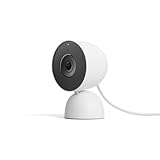
We will review the best indoor cameras for google home later in this article. But before that, take a look at some relevant products on Amazon:


As an Amazon Associate I earn from qualifying purchases.
Prices and availability are accurate as of November 9, 2026 09:40 and are subject to change.
Introduction to Indoor Cameras for Google Home
Indoor cameras have become an essential part of home security systems, allowing users to monitor their homes remotely and receive alerts in case of any suspicious activity. With the integration of smart home devices, indoor cameras can now be controlled and accessed through various platforms, including Google Home. This integration enables users to view live footage, receive notifications, and control their cameras using voice commands.
The use of indoor cameras with Google Home provides an added layer of convenience and security. Users can access their cameras from anywhere, at any time, using the Google Home app or by giving voice commands to their Google Assistant-enabled devices. This allows for real-time monitoring and provides peace of mind, especially when users are away from home. Additionally, many indoor cameras come with advanced features such as motion detection, night vision, and two-way audio, which can be controlled and accessed through Google Home.
When it comes to choosing the right indoor camera for Google Home, there are several factors to consider. These include video quality, field of view, night vision, and compatibility with Google Home devices. Some cameras may also offer additional features such as facial recognition, motion tracking, and integration with other smart home devices. By considering these factors, users can find the best indoor cameras for google home that meet their specific needs and provide optimal performance.
In recent years, the market for indoor cameras has expanded, with numerous brands and models available. Each camera has its unique features, advantages, and disadvantages. By researching and comparing different models, users can make informed decisions and choose the camera that best fits their needs and budget. With the right indoor camera, users can enjoy enhanced security, convenience, and peace of mind, knowing that their home is being monitored and protected at all times.
The Best Indoor Cameras For Google Home
The
Nest Cam Indoor NC1101
is a popular choice among smart home enthusiasts, and for good reason. It offers high-quality 1080p video, night vision, and a wide-angle lens that captures everything in the room. The camera also has a built-in speaker and microphone, allowing for two-way audio communication. This feature is particularly useful for interacting with family members or pets when you’re not at home.
The
Nest Cam Indoor NC1101
integrates seamlessly with Google Home, allowing you to view live footage and receive notifications on your smartphone or tablet. The camera’s motion detection feature is also highly sensitive, sending alerts to your device whenever it detects any movement. With its sleek design and compact size, the Nest Cam Indoor is a great addition to any room in your home. Overall, it’s a reliable and feature-rich indoor camera that’s well worth the investment.
The
Google Nest Cam IQ Indoor NC3100
is a more advanced version of the Nest Cam Indoor, with improved video quality and enhanced features. It boasts a 1080p sensor with HDR, as well as a 4K image sensor that allows for enhanced zoom capabilities. The camera also has a built-in Google Assistant, allowing you to control it with voice commands. This feature is particularly useful for hands-free operation and seamless integration with other smart devices.
The
Google Nest Cam IQ Indoor NC3100
also features advanced motion detection and facial recognition capabilities, making it a great choice for home security. The camera’s night vision is also top-notch, providing clear and detailed footage even in low-light conditions. With its sleek and modern design, the Google Nest Cam IQ Indoor is a great addition to any smart home. Overall, it’s a powerful and feature-rich indoor camera that’s well worth the investment.
The
Arlo Pro 3 A3447001
is a wireless indoor camera that offers a range of advanced features and capabilities. It boasts 2K video resolution, a 160-degree field of view, and a built-in spotlight for enhanced night vision. The camera also has a rechargeable battery, making it easy to place anywhere in your home without worrying about cords or wiring. This feature is particularly useful for indoor placement, as you can move the camera to different rooms or locations as needed.
The
Arlo Pro 3 A3447001
integrates seamlessly with Google Home, allowing you to view live footage and receive notifications on your smartphone or tablet. The camera’s motion detection feature is also highly sensitive, sending alerts to your device whenever it detects any movement. With its weather-resistant design and compact size, the Arlo Pro 3 is a great choice for indoor or outdoor use. Overall, it’s a reliable and feature-rich indoor camera that’s well worth the investment.
The
Canary Flex CF022001
is a versatile indoor camera that offers a range of advanced features and capabilities. It boasts 1080p video resolution, a 116-degree field of view, and a built-in speaker and microphone for two-way audio communication. The camera also has a rechargeable battery, making it easy to place anywhere in your home without worrying about cords or wiring. This feature is particularly useful for indoor placement, as you can move the camera to different rooms or locations as needed.
The
Canary Flex CF022001
integrates seamlessly with Google Home, allowing you to view live footage and receive notifications on your smartphone or tablet. The camera’s motion detection feature is also highly sensitive, sending alerts to your device whenever it detects any movement. With its weather-resistant design and compact size, the Canary Flex is a great choice for indoor or outdoor use. Overall, it’s a reliable and feature-rich indoor camera that’s well worth the investment.
The
Yi Home Camera 1080p YHS2030
is a budget-friendly indoor camera that offers a range of advanced features and capabilities. It boasts 1080p video resolution, a 111-degree field of view, and a built-in speaker and microphone for two-way audio communication. The camera also has a compact design and affordable price point, making it a great choice for those on a budget. This feature is particularly useful for indoor placement, as you can purchase multiple cameras to cover different rooms or areas.
The
Yi Home Camera 1080p YHS2030
integrates seamlessly with Google Home, allowing you to view live footage and receive notifications on your smartphone or tablet. The camera’s motion detection feature is also highly sensitive, sending alerts to your device whenever it detects any movement. With its night vision capabilities and compact size, the Yi Home Camera is a great addition to any smart home. Overall, it’s a reliable and affordable indoor camera that’s well worth the investment.
Enhancing Home Security with Indoor Cameras for Google Home
The integration of indoor cameras with Google Home has become a vital aspect of home security and automation. With the increasing concern for safety and surveillance, people are looking for ways to monitor their homes remotely and receive alerts in case of any suspicious activity. Indoor cameras provide a sense of security and peace of mind, allowing homeowners to keep an eye on their property and loved ones from anywhere.
One of the primary reasons people need to buy indoor cameras for Google Home is to enhance their home security system. These cameras can detect motion, sound, and other unusual activities, sending notifications to the homeowner’s smartphone or tablet. This feature enables prompt action to be taken in case of a potential threat, preventing break-ins or other criminal activities. Moreover, indoor cameras can also be used to monitor pets, children, or elderly family members, ensuring their safety and well-being.
The best indoor cameras for Google Home offer high-quality video streaming, night vision, and two-way audio, allowing homeowners to communicate with family members or warn potential intruders. These cameras can be placed in strategic locations, such as living rooms, kitchens, or hallways, to provide a comprehensive view of the home. With their compact design and wireless connectivity, indoor cameras are easy to install and operate, making them a convenient addition to any Google Home setup.
In addition to security, indoor cameras can also be used to monitor and control other smart devices in the home. For example, they can be integrated with smart lighting systems, thermostats, or door locks to create a seamless and automated living experience. By investing in indoor cameras for Google Home, homeowners can enjoy a more secure, convenient, and connected living space. With the numerous benefits and features offered by indoor cameras, it’s no wonder that they have become an essential component of modern home security and automation systems.
Key Features to Consider When Choosing Indoor Cameras For Google Home
When selecting indoor cameras for Google Home, there are several key features to consider. One of the most important features is video resolution, as it determines the clarity of the footage. A higher resolution, such as 1080p or 4K, provides a clearer and more detailed image. Another important feature is the field of view, which determines how wide an area the camera can capture. A wider field of view allows the camera to capture more of the room, making it ideal for larger spaces.
In addition to video resolution and field of view, other features to consider include night vision, motion detection, and two-way audio. Night vision allows the camera to capture footage in low-light conditions, while motion detection sends alerts to the user’s smartphone or tablet when movement is detected. Two-way audio allows the user to communicate with anyone in the room, making it ideal for pet owners or parents who want to keep an eye on their children.
The camera’s connectivity and compatibility with Google Home are also important features to consider. Look for cameras that are compatible with Google Home and can be controlled using voice commands. Some cameras may also have additional features, such as cloud storage or local storage, which allow the user to store footage for later viewing.
The design and build of the camera are also important considerations. Look for cameras that are compact and discreet, making them easy to place in any room. Some cameras may also have a battery-powered option, making them easy to move around the house without being tethered to a power cord.
Benefits of Using Indoor Cameras With Google Home
Using indoor cameras with Google Home provides several benefits, including increased security and peace of mind. With the ability to view live footage and receive alerts when motion is detected, users can keep an eye on their home and family from anywhere. This is especially useful for parents who want to keep an eye on their children or for pet owners who want to monitor their pets when they are away from home.
In addition to increased security, indoor cameras with Google Home can also provide convenience and entertainment. Users can view live footage on their TV or smartphone, making it easy to check in on the house or family members. Some cameras may also have additional features, such as playing music or videos, making them a great addition to any room.
The integration with Google Home also provides a seamless and hands-free experience. Users can control the camera using voice commands, making it easy to view live footage or adjust settings without having to physically interact with the camera. This is especially useful for users who have mobility or dexterity issues, as it provides a convenient and accessible way to control the camera.
The use of indoor cameras with Google Home can also provide a sense of community and connection. Users can share live footage with family members or friends, making it easy to stay connected and keep an eye on loved ones. This is especially useful for users who have elderly or disabled family members, as it provides a way to check in and ensure their safety and well-being.
Setting Up and Installing Indoor Cameras For Google Home
Setting up and installing indoor cameras for Google Home is a relatively straightforward process. The first step is to unbox the camera and plug it in, making sure it is placed in a location with a clear view of the room. Next, the user will need to download the Google Home app and follow the in-app instructions to connect the camera to their Google Home account.
Once the camera is connected, the user can begin to customize the settings and features to their liking. This may include adjusting the motion detection sensitivity, setting up alerts and notifications, and configuring the camera’s video resolution and field of view. The user can also use the Google Home app to view live footage, play back recorded video, and communicate with anyone in the room using two-way audio.
The installation process may vary depending on the specific camera model and the user’s Google Home setup. Some cameras may require a hub or bridge to connect to the Google Home network, while others may connect directly to the user’s Wi-Fi network. The user should consult the camera’s user manual or manufacturer’s website for specific instructions on setting up and installing the camera.
In addition to the technical setup, the user should also consider the physical placement of the camera. The camera should be placed in a location with a clear view of the room, and should be out of reach of children or pets. The user should also consider the power cord and any other cables, making sure they are securely fastened and out of the way.
Troubleshooting Common Issues With Indoor Cameras For Google Home
Despite the many benefits of using indoor cameras with Google Home, there are several common issues that users may encounter. One of the most common issues is connectivity problems, where the camera fails to connect to the Google Home network or the user’s Wi-Fi network. This can be caused by a variety of factors, including a weak Wi-Fi signal, interference from other devices, or a problem with the camera’s hardware.
To troubleshoot connectivity issues, the user should first check the camera’s Wi-Fi connection and ensure that it is properly configured. The user can also try restarting the camera and the Google Home device, as this can sometimes resolve connectivity issues. If the problem persists, the user may need to consult the camera’s user manual or contact the manufacturer’s technical support for further assistance.
Another common issue is poor video quality, where the footage is blurry or distorted. This can be caused by a variety of factors, including a low video resolution, a narrow field of view, or a problem with the camera’s lens or sensor. To troubleshoot poor video quality, the user should first check the camera’s settings and ensure that the video resolution and field of view are properly configured. The user can also try adjusting the camera’s position or angle to improve the video quality.
In addition to connectivity and video quality issues, users may also encounter problems with motion detection or alerts. This can be caused by a variety of factors, including a low motion detection sensitivity or a problem with the camera’s software or firmware. To troubleshoot motion detection issues, the user should first check the camera’s settings and ensure that the motion detection sensitivity is properly configured. The user can also try adjusting the camera’s position or angle to improve the motion detection accuracy.
Buying Guide for Best Indoor Cameras For Google Home
When it comes to securing and monitoring your home, indoor cameras play a crucial role. With the integration of Google Home, you can easily control and access your indoor cameras using voice commands or through the Google Home app. In this buying guide, we will discuss the key factors to consider when purchasing indoor cameras that are compatible with Google Home.
Video Quality and Resolution
The video quality and resolution of an indoor camera are essential factors to consider. A higher resolution camera will provide a clearer and more detailed video feed, allowing you to see what’s happening in your home more accurately. Look for cameras with a resolution of at least 1080p, but ideally 1440p or 4K for the best possible video quality. This will ensure that you can see every detail, from facial recognition to reading license plates.
When considering video quality, also think about the field of view and the camera’s ability to handle low-light conditions. A wider field of view will allow you to capture more of your home in a single shot, while low-light sensitivity will ensure that the camera can still provide a clear video feed even in dimly lit conditions. Some cameras also come with features like night vision, which uses infrared LEDs to illuminate the scene and provide a clear video feed even in complete darkness.
Field of View and Pan-Tilt-Zoom
The field of view and pan-tilt-zoom capabilities of an indoor camera are also important factors to consider. A wider field of view will allow you to capture more of your home in a single shot, while pan-tilt-zoom capabilities will give you the ability to remotely control the camera’s direction and zoom in on specific areas. Look for cameras with a field of view of at least 90 degrees, but ideally 120 degrees or more for the best possible coverage.
When considering the field of view and pan-tilt-zoom capabilities, also think about the camera’s ability to track motion and follow subjects. Some cameras come with advanced features like automatic pan-tilt-zoom, which will track and follow motion within the camera’s field of view. This can be especially useful for monitoring pets or children, as it will allow you to keep an eye on them even when they’re moving around.
Smart Home Integration
Smart home integration is a key factor to consider when purchasing an indoor camera. Look for cameras that are compatible with Google Home and can be controlled using voice commands or through the Google Home app. This will allow you to easily access and control your camera, as well as integrate it with other smart devices in your home. Some cameras also come with features like IFTTT (If This Then That) integration, which will allow you to create custom recipes and automate your smart home devices.
When considering smart home integration, also think about the camera’s ability to work with other smart devices in your home. Look for cameras that are compatible with popular smart home platforms like Samsung SmartThings or Apple HomeKit, as this will give you more flexibility and options for integrating your camera with other devices. Some cameras also come with features like voice control, which will allow you to control the camera using voice commands even when you’re not at home.
Audio Quality and Two-Way Audio
The audio quality and two-way audio capabilities of an indoor camera are also important factors to consider. Look for cameras with high-quality audio and two-way audio capabilities, which will allow you to communicate with people in your home remotely. This can be especially useful for monitoring children or pets, as it will allow you to talk to them and reassure them even when you’re not at home.
When considering audio quality and two-way audio, also think about the camera’s ability to reduce background noise and provide clear audio. Some cameras come with features like noise reduction or echo cancellation, which will help to improve the overall audio quality. Look for cameras with high-quality microphones and speakers, as this will ensure that you can hear and be heard clearly.
Storage and Cloud Recording
The storage and cloud recording capabilities of an indoor camera are also key factors to consider. Look for cameras with local storage options, such as SD cards or internal storage, as well as cloud recording options. Cloud recording will allow you to store video footage remotely and access it from anywhere, while local storage will provide a backup in case the internet connection is lost. Some cameras also come with features like free cloud storage, which will give you a certain amount of storage space for free.
When considering storage and cloud recording, also think about the camera’s ability to provide alerts and notifications. Look for cameras that can send alerts and notifications to your phone or email when motion is detected, as this will allow you to stay informed and take action even when you’re not at home. Some cameras also come with features like customizable alert zones, which will allow you to specify areas within the camera’s field of view that you want to monitor for motion.
Power and Connectivity
The power and connectivity options of an indoor camera are also important factors to consider. Look for cameras with wireless connectivity options, such as Wi-Fi or Bluetooth, as well as wired connectivity options, such as Ethernet. Wireless connectivity will provide more flexibility and convenience, while wired connectivity will provide a more stable and reliable connection. Some cameras also come with features like battery backup, which will provide power to the camera even in the event of a power outage.
When looking for the best indoor cameras for google home, consider the camera’s power consumption and whether it requires a power outlet or can be battery-powered. Also, think about the camera’s connectivity options and whether it can connect to your router or requires a separate hub. This will ensure that you can easily install and connect the camera to your network, and that it will provide a stable and reliable connection.
Frequently Asked Questions
What are the key features to consider when buying an indoor camera for Google Home?
When buying an indoor camera for Google Home, there are several key features to consider. First and foremost, you should look for a camera that is compatible with Google Home and can be easily integrated into your existing smart home system. You should also consider the camera’s video quality, field of view, and night vision capabilities. Additionally, think about the camera’s motion detection and alert features, as well as its ability to store footage locally or in the cloud.
In terms of specific features, look for a camera with high-definition video (720p or 1080p), a wide field of view (around 130 degrees), and infrared or night vision capabilities. You should also consider the camera’s connectivity options, such as Wi-Fi or Ethernet, and its power requirements. Some cameras may require a wired connection, while others can run on battery power. Finally, think about the camera’s design and build quality, as well as its price point and any ongoing subscription fees.
How do I integrate my indoor camera with Google Home?
To integrate your indoor camera with Google Home, you’ll need to follow a few simple steps. First, make sure your camera is compatible with Google Home and that you have the Google Home app installed on your smartphone or tablet. Next, open the Google Home app and navigate to the “Devices” tab, where you can add your indoor camera to your Google Home network. You may need to enter a code or scan a QR code to complete the setup process.
Once your camera is integrated with Google Home, you can use voice commands to control it and view live footage on your Google Home device or smartphone. For example, you can say “Ok Google, show me the living room camera” to view live footage from your indoor camera. You can also use the Google Home app to customize your camera’s settings, such as motion detection and alerts, and to view recorded footage. Additionally, you can use Google Home to integrate your indoor camera with other smart devices, such as lights and thermostats, to create a comprehensive smart home system.
Can I use my indoor camera with other smart home devices?
Yes, many indoor cameras can be used with other smart home devices, such as lights, thermostats, and door locks. In fact, one of the main benefits of using an indoor camera with Google Home is the ability to integrate it with other smart devices to create a comprehensive smart home system. For example, you can use your indoor camera to trigger other smart devices, such as turning on the lights when motion is detected.
To use your indoor camera with other smart home devices, you’ll need to make sure they are all compatible with Google Home and that you have the necessary hubs or bridges to connect them. You can then use the Google Home app to customize your smart home system and create custom routines and scenes. For example, you can create a “goodnight” routine that turns off the lights, locks the doors, and arms the security system when you say “Ok Google, goodnight.” You can also use your indoor camera to receive alerts and notifications when other smart devices are triggered, such as when a door is opened or closed.
Do I need a subscription to use my indoor camera?
Some indoor cameras require a subscription to access certain features, such as cloud storage or advanced motion detection. However, many cameras also offer free storage options or local storage, which can eliminate the need for a subscription. When shopping for an indoor camera, be sure to check the manufacturer’s website or packaging for information on any subscription requirements or fees.
If you do need a subscription, the cost will depend on the manufacturer and the specific features you want to access. Some subscriptions may be as low as $5-10 per month, while others may be $20-30 per month or more. Be sure to factor in the cost of any subscription when calculating the total cost of ownership for your indoor camera. Additionally, consider the benefits of a subscription, such as increased storage or advanced features, and whether they are worth the added cost.
Can I use my indoor camera outdoors?
Most indoor cameras are not designed for outdoor use and may not be weather-resistant or durable enough to withstand the elements. However, some cameras may be designed for indoor/outdoor use or may have weather-resistant housings that can protect them from the elements. If you want to use your indoor camera outdoors, be sure to check the manufacturer’s specifications and warranty to ensure it is designed for outdoor use.
If you do plan to use your indoor camera outdoors, you’ll need to take steps to protect it from the elements, such as mounting it under an eave or overhang, or using a weather-resistant housing. You should also consider the camera’s operating temperature range and ensure it can withstand extreme temperatures. Additionally, think about the camera’s power requirements and whether it can be powered using a battery or solar panel, or if it requires a wired connection.
How do I ensure the security and privacy of my indoor camera?
To ensure the security and privacy of your indoor camera, you should take several steps. First, make sure to change the default password and username for your camera, and use a strong and unique password. You should also enable two-factor authentication and keep your camera’s software up to date. Additionally, consider using a virtual private network (VPN) to encrypt your camera’s internet connection and protect it from hacking.
You should also be mindful of where you place your indoor camera and what it can see. Avoid placing the camera in areas where it may capture sensitive or private information, such as bedrooms or bathrooms. You should also consider the camera’s field of view and make sure it is not capturing more than you intend. Finally, be sure to check the manufacturer’s privacy policy and ensure they are not sharing your data with third parties or using it for marketing purposes. By taking these steps, you can help ensure the security and privacy of your indoor camera and protect your personal information.
What is the typical range of prices for indoor cameras compatible with Google Home?
The typical range of prices for indoor cameras compatible with Google Home can vary widely, from around $50 to over $200. Basic cameras with limited features, such as 720p video and limited motion detection, may be available for under $100. Mid-range cameras with higher video quality, wider fields of view, and more advanced motion detection may cost between $100-150. High-end cameras with advanced features, such as 1080p video, pan-and-tilt capabilities, and object detection, may cost $150-250 or more.
In addition to the upfront cost of the camera, you should also consider any ongoing subscription fees or costs, such as cloud storage or advanced features. Some cameras may require a subscription to access certain features, while others may offer free storage options or local storage. Be sure to factor in these costs when calculating the total cost of ownership for your indoor camera. Additionally, consider the camera’s build quality, design, and warranty, as well as any discounts or promotions that may be available, to ensure you get the best value for your money.
Final Words
In conclusion, selecting the right indoor camera can be a daunting task, especially with the numerous options available in the market. However, by considering factors such as video quality, field of view, and compatibility with smart home systems, homeowners can make an informed decision. The integration of indoor cameras with Google Home has revolutionized home security and monitoring, providing users with a seamless and convenient experience. With the ability to control and monitor their cameras using voice commands, users can enjoy enhanced peace of mind and protection for their loved ones and property.
When it comes to choosing the best indoor cameras for google home, it is essential to evaluate the features and capabilities of each model. By doing so, homeowners can find the perfect camera that meets their specific needs and budget. With the right indoor camera, users can enjoy crystal-clear video, motion detection, and alerts, ensuring that they are always informed and in control. Whether you are looking to enhance your home security or simply want to keep an eye on your pets or children, investing in a high-quality indoor camera is a wise decision that can provide long-term benefits and protection.