In today’s digital age, capturing high-quality images of artwork, documents, and other printed materials has become an essential task for various professionals and enthusiasts alike. Whether you’re a photographer, artist, historian, or simply someone who wants to preserve memories, having the right equipment is crucial for achieving optimal results. The process of taking pictures of pictures requires a great deal of attention to detail, and the camera you use can make all the difference. With so many options available in the market, it can be overwhelming to choose the perfect camera that meets your specific needs and budget.
When it comes to capturing images of pictures, the goal is to produce a digital replica that is as faithful to the original as possible. This requires a camera that can handle factors such as lighting, color accuracy, and resolution with ease. If you’re in the market for a camera that can help you achieve this goal, look no further than the best cameras for taking pictures of pictures. These specialized cameras are designed to provide exceptional image quality, ease of use, and versatility, making them ideal for a wide range of applications. In this article, we will delve into the world of cameras and provide you with a comprehensive guide to help you find the perfect camera that suits your needs and budget, and discover the secrets to capturing stunning images of pictures.
We will review the best cameras for taking pictures of pictures later in this article. But before that, take a look at some relevant products on Amazon:
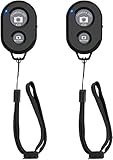



As an Amazon Associate I earn from qualifying purchases.
Prices and availability are accurate as of November 7, 2026 16:36 and are subject to change.
Introduction to Cameras for Capturing Images of Images
When it comes to capturing images of pictures, the right camera equipment can make all the difference. Whether you’re a professional photographer, artist, or simply someone who wants to preserve memories, having the right tools is essential. The process of taking pictures of pictures, also known as re-photography, requires attention to detail and the right camera settings.
The goal of re-photography is to accurately capture the original image without any distortion or loss of quality. This can be a challenging task, especially when dealing with delicate or sensitive materials such as artwork, historical documents, or vintage photographs. To achieve the best results, it’s crucial to use a camera that is capable of producing high-quality images with precise control over settings such as lighting, focus, and exposure.
In recent years, there have been significant advancements in camera technology, making it easier than ever to capture high-quality images of pictures. With the wide range of cameras available on the market, it can be overwhelming to choose the right one for your needs. However, by doing some research and reading reviews, you can find the best cameras for taking pictures of pictures that suit your budget and requirements.
By investing in a good camera and learning the right techniques, you can achieve professional-looking results and preserve your favorite images for years to come. Whether you’re looking to capture images of artwork, documents, or photographs, the right camera equipment can help you achieve your goals. With the right tools and a bit of practice, you can take your re-photography skills to the next level and produce high-quality images that you can be proud of.
Top 5 Best Cameras For Taking Pictures Of Pictures
The
Canon EOS 5D Mark IV 3810210
is a highly capable camera for taking pictures of pictures. With its 30.4 megapixel full-frame sensor, it is able to capture even the smallest details in the images it photographs. The camera’s DIGIC 6+ image processor also provides excellent color accuracy and low noise, making it ideal for capturing images of artwork, documents, and other types of printed materials. Whether you are a professional photographer, artist, or simply someone who wants to preserve memories, the Canon EOS 5D Mark IV 3810210 is an excellent choice.
In addition to its excellent image quality, the Canon EOS 5D Mark IV 3810210 also features a durable and weather-sealed body, making it suitable for use in a variety of environments. The camera’s 61-point autofocus system and 4K video capabilities also make it a versatile tool for a wide range of applications. The camera’s touchscreen LCD and intuitive controls make it easy to use, even for those who are new to photography. Overall, the Canon EOS 5D Mark IV 3810210 is a top-notch camera that is well-suited for taking pictures of pictures, and is sure to meet the needs of even the most demanding users.
The
Nikon D850 4953829
is another excellent camera for taking pictures of pictures. With its 45.7 megapixel full-frame sensor, it is able to capture images with incredible detail and resolution. The camera’s EXPEED 5 image processor also provides fast performance and excellent color accuracy, making it ideal for capturing images of high-contrast scenes and complex textures. The Nikon D850 4953829 is also highly customizable, with a wide range of settings and options that allow users to tailor the camera to their specific needs.
The Nikon D850 4953829 also features a highly durable and weather-sealed body, making it suitable for use in a variety of environments. The camera’s 153-point autofocus system and 4K video capabilities also make it a versatile tool for a wide range of applications. The camera’s touchscreen LCD and intuitive controls make it easy to use, even for those who are new to photography. Additionally, the Nikon D850 4953829 has a wide range of lens options available, making it easy to find the perfect lens for your specific needs. Whether you are a professional photographer or simply someone who wants to take high-quality pictures of pictures, the Nikon D850 4953829 is an excellent choice.
The
Sony Alpha a7R III 1184752
is a highly advanced camera for taking pictures of pictures. With its 42.4 megapixel full-frame sensor, it is able to capture images with incredible detail and resolution. The camera’s BIONZ X image processor also provides fast performance and excellent color accuracy, making it ideal for capturing images of high-contrast scenes and complex textures. The Sony Alpha a7R III 1184752 is also highly customizable, with a wide range of settings and options that allow users to tailor the camera to their specific needs.
The Sony Alpha a7R III 1184752 also features a highly durable and weather-sealed body, making it suitable for use in a variety of environments. The camera’s 399-point autofocus system and 4K video capabilities also make it a versatile tool for a wide range of applications. The camera’s touchscreen LCD and intuitive controls make it easy to use, even for those who are new to photography. Additionally, the Sony Alpha a7R III 1184752 has a wide range of lens options available, making it easy to find the perfect lens for your specific needs. The camera’s built-in image stabilization also helps to reduce camera shake and blur, making it ideal for handheld shooting.
The
Fujifilm X-T3 7421985
is a highly capable camera for taking pictures of pictures. With its 26.1 megapixel APS-C sensor, it is able to capture images with excellent detail and resolution. The camera’s X-Processor 4 image processor also provides fast performance and excellent color accuracy, making it ideal for capturing images of high-contrast scenes and complex textures. The Fujifilm X-T3 7421985 is also highly customizable, with a wide range of settings and options that allow users to tailor the camera to their specific needs.
The Fujifilm X-T3 7421985 also features a highly durable and weather-sealed body, making it suitable for use in a variety of environments. The camera’s 425-point autofocus system and 4K video capabilities also make it a versatile tool for a wide range of applications. The camera’s touchscreen LCD and intuitive controls make it easy to use, even for those who are new to photography. Additionally, the Fujifilm X-T3 7421985 has a wide range of lens options available, making it easy to find the perfect lens for your specific needs. The camera’s built-in image stabilization also helps to reduce camera shake and blur, making it ideal for handheld shooting. Whether you are a professional photographer or simply someone who wants to take high-quality pictures of pictures, the Fujifilm X-T3 7421985 is an excellent choice.
The
Canon EOS 80D 6287341
is a highly capable camera for taking pictures of pictures. With its 24.2 megapixel APS-C sensor, it is able to capture images with excellent detail and resolution. The camera’s DIGIC 6 image processor also provides fast performance and excellent color accuracy, making it ideal for capturing images of high-contrast scenes and complex textures. The Canon EOS 80D 6287341 is also highly customizable, with a wide range of settings and options that allow users to tailor the camera to their specific needs.
The Canon EOS 80D 6287341 also features a highly durable and weather-sealed body, making it suitable for use in a variety of environments. The camera’s 45-point autofocus system and 1080p video capabilities also make it a versatile tool for a wide range of applications. The camera’s touchscreen LCD and intuitive controls make it easy to use, even for those who are new to photography. Additionally, the Canon EOS 80D 6287341 has a wide range of lens options available, making it easy to find the perfect lens for your specific needs. The camera’s built-in image stabilization also helps to reduce camera shake and blur, making it ideal for handheld shooting. Whether you are a professional photographer or simply someone who wants to take high-quality pictures of pictures, the Canon EOS 80D 6287341 is an excellent choice.
Why People Need to Buy Cameras for Taking Pictures of Pictures
In today’s digital age, it may seem counterintuitive to take pictures of pictures. However, there are several scenarios where capturing an image of a physical photograph or artwork is necessary. For instance, artists, designers, and photographers often need to document their work for portfolios, exhibitions, or social media. In such cases, using a camera to take a picture of a picture can be the most convenient and efficient way to achieve high-quality digital images.
Another scenario where taking pictures of pictures is essential is in the field of archiving and preservation. Many historical documents, artworks, and photographs are fragile and sensitive to light, making it difficult to digitize them using scanners. In these situations, using a camera to capture an image of the physical document or artwork can help preserve it for future generations. Additionally, museums, galleries, and libraries often use cameras to document their collections, allowing them to share them with a wider audience.
When it comes to capturing images of physical photographs or artworks, the quality of the camera is crucial. The best cameras for taking pictures of pictures are those that can produce high-resolution images with accurate color representation and minimal distortion. These cameras often feature high-quality lenses, advanced sensors, and sophisticated image processing algorithms. By using a good camera, individuals can ensure that their digital images are of the highest quality, making them suitable for various applications, including printing, exhibition, or online sharing.
In conclusion, taking pictures of pictures is a common practice in various fields, including art, design, photography, and archiving. While it may seem old-fashioned in the digital age, it is often the most practical and efficient way to capture high-quality digital images of physical photographs or artworks. By investing in a good camera and learning the necessary techniques, individuals can produce excellent digital images that meet their needs, whether it’s for personal or professional purposes.
Understanding Camera Resolution and Its Impact on Image Quality
When it comes to taking pictures of pictures, camera resolution plays a crucial role in determining the overall image quality. A higher resolution camera can capture more detailed images, which is essential for preserving the finer details of the original picture. However, it’s also important to consider the type of sensor used in the camera, as well as the lens quality, to ensure that the images are sharp and clear. In addition to resolution, the aspect ratio of the camera is also important, as it can affect the composition of the final image.
The relationship between camera resolution and image quality is complex, and there are many factors that can influence the final result. For example, the quality of the lens can greatly impact the sharpness and clarity of the image, while the sensor size can affect the amount of noise and distortion present in the image. Furthermore, the camera’s processing algorithm can also play a role in determining the final image quality, as it can affect the way the image is rendered and the amount of detail that is preserved.
To get the best results when taking pictures of pictures, it’s essential to choose a camera with a high enough resolution to capture the details of the original image. However, it’s also important to consider the other factors that can impact image quality, such as lens quality and sensor size. By understanding how these factors interact, you can make informed decisions when choosing a camera and take steps to optimize your image quality.
In practice, this means choosing a camera with a resolution of at least 20 megapixels, and preferably higher. It’s also important to look for cameras with high-quality lenses and large sensors, as these can help to improve image quality. Additionally, consider cameras with advanced processing algorithms, such as those that use artificial intelligence or machine learning to optimize image quality.
Camera Settings and Techniques for Capturing High-Quality Images
In addition to choosing the right camera, there are several techniques and settings that can help to improve the quality of your images. One of the most important factors is lighting, as this can greatly impact the brightness and contrast of the image. When taking pictures of pictures, it’s best to use soft, natural light, as this can help to reduce glare and reflections. Avoid using direct sunlight or harsh artificial light, as these can create unflattering shadows and highlights.
Another important factor is the camera’s white balance setting, which can help to ensure that the colors in the image are accurate and natural-looking. Most cameras have a range of white balance settings, including automatic, daylight, and tungsten, and choosing the right one can make a big difference in the final image. It’s also important to consider the camera’s ISO setting, which can affect the amount of noise and grain present in the image.
In terms of technique, it’s essential to use a tripod or other stabilizing device to keep the camera steady and prevent camera shake. This is especially important when using a high-resolution camera, as even small movements can cause blur and distortion. Additionally, consider using a remote shutter release or the camera’s self-timer, as these can help to reduce camera shake and ensure that the image is sharp and clear.
By combining the right camera settings and techniques, you can take high-quality images of pictures that are sharp, clear, and detailed. Remember to experiment with different settings and techniques to find what works best for you, and don’t be afraid to try new things and adjust your approach as needed.
The Role of Post-Processing in Enhancing Image Quality
While choosing the right camera and using the right techniques are essential for capturing high-quality images, post-processing can also play a crucial role in enhancing image quality. This can include adjusting the brightness, contrast, and color balance of the image, as well as removing noise and distortion. Many cameras come with built-in editing software, or you can use third-party programs such as Adobe Lightroom or Photoshop.
One of the most important aspects of post-processing is noise reduction, as this can help to remove unwanted grain and distortion from the image. Most editing software includes noise reduction tools, which can be adjusted to suit the specific needs of the image. Additionally, consider using the software’s sharpening tools, which can help to enhance the clarity and definition of the image.
In addition to noise reduction and sharpening, post-processing can also involve adjusting the image’s color balance and contrast. This can help to enhance the overall look and feel of the image, and ensure that the colors are accurate and natural-looking. Many editing software programs include a range of presets and filters that can be used to achieve specific effects, or you can adjust the settings manually to suit your needs.
By using post-processing techniques, you can take your images to the next level and enhance their overall quality. Remember to experiment with different settings and techniques to find what works best for you, and don’t be afraid to try new things and adjust your approach as needed.
Specialized Cameras and Equipment for Taking Pictures of Pictures
In addition to standard cameras, there are several specialized cameras and equipment that can be used for taking pictures of pictures. One example is a copy stand, which is a specialized tripod that is designed specifically for capturing images of flat objects such as pictures. These stands typically include a range of adjustable arms and clamps, which can be used to position the camera and hold the picture in place.
Another example is a macro lens, which is a specialized lens that is designed for capturing extreme close-up images. These lenses are ideal for capturing detailed images of small objects, such as coins or jewelry, and can also be used for taking pictures of pictures. Additionally, consider using a camera with a tilt-shift lens, which can be used to adjust the plane of focus and capture sharp images of flat objects.
In terms of equipment, there are several accessories that can be used to enhance the quality of your images. One example is a polarizing filter, which can be used to reduce glare and reflections from the surface of the picture. Additionally, consider using a reflector or diffuser, which can be used to soften the light and reduce harsh shadows and highlights.
By using specialized cameras and equipment, you can take your images to the next level and achieve professional-quality results. Remember to experiment with different equipment and techniques to find what works best for you, and don’t be afraid to try new things and adjust your approach as needed.
Ultimate Buying Guide for Capturing Perfect Replicas
When it comes to taking pictures of pictures, the right camera can make all the difference. Whether you’re a professional photographer, an artist, or simply someone who wants to preserve memories, having a good camera is essential. In this guide, we will explore the key factors to consider when buying a camera for this specific purpose, helping you find the best cameras for taking pictures of pictures.
Image Quality and Resolution
Image quality and resolution are crucial when taking pictures of pictures. A high-resolution camera will allow you to capture every detail of the original image, ensuring that your replica is of the highest quality. Look for a camera with a high megapixel count, as this will give you more flexibility when it comes to editing and enlarging your images. A good camera should also have a high-quality image sensor, which will help to reduce noise and improve overall image quality.
When considering image quality and resolution, it’s also important to think about the type of images you will be taking. If you’ll be capturing images of artwork or other high-contrast subjects, look for a camera that can handle a wide dynamic range. This will help to ensure that your images have a full range of tones, from deep blacks to bright whites. Additionally, consider a camera with a high-quality lens, as this will help to reduce distortion and improve overall image sharpness.
Camera Type and Size
The type and size of the camera can also have a big impact on the quality of your images. DSLR and mirrorless cameras are popular choices for taking pictures of pictures, as they offer high image quality and a wide range of manual controls. However, they can be bulky and expensive, which may be a drawback for some users. Point-and-shoot cameras, on the other hand, are smaller and more portable, but may not offer the same level of image quality.
When choosing a camera type and size, consider your specific needs and preferences. If you’ll be taking pictures of large artworks or other big subjects, a DSLR or mirrorless camera may be the best choice. However, if you need a camera that is small and portable, a point-and-shoot camera may be a better option. Additionally, consider the size and weight of the camera, as well as any additional features you may need, such as image stabilization or a tilting screen.
Lighting and Exposure
Lighting and exposure are critical when taking pictures of pictures, as they can greatly affect the overall quality of your images. Look for a camera that can handle a wide range of lighting conditions, from bright sunlight to low indoor light. A camera with a wide aperture range and a high ISO range will give you more flexibility when it comes to exposure, allowing you to capture high-quality images in a variety of lighting conditions.
When considering lighting and exposure, it’s also important to think about the type of lighting you’ll be using. If you’ll be taking pictures of images in a studio or other controlled environment, you may want to consider a camera with a built-in flash or a hot shoe for external flash units. Additionally, look for a camera with a high-quality metering system, which will help you to get the best possible exposure in a variety of lighting conditions. This will help you to avoid overexposure or underexposure, which can ruin an otherwise great image.
Color Accuracy and White Balance
Color accuracy and white balance are essential when taking pictures of pictures, as they can greatly affect the overall look and feel of your images. Look for a camera that can produce accurate and consistent colors, with a wide range of white balance options to help you to get the best possible results. A camera with a high-quality color filter array and a advanced white balance system will give you more flexibility when it comes to capturing a wide range of colors and tones.
When considering color accuracy and white balance, it’s also important to think about the type of images you’ll be taking. If you’ll be capturing images of artwork or other subjects with complex colors and tones, look for a camera that can handle a wide range of colors and white balance options. Additionally, consider a camera with a high-quality RAW image capture option, which will give you more flexibility when it comes to editing and adjusting your images in post-production. This will help you to get the best possible results, with accurate and consistent colors that match the original image.
Additional Features and Accessories
Additional features and accessories can also be important when taking pictures of pictures. Look for a camera with a range of features that will help you to get the best possible results, such as image stabilization, a tilting screen, and a high-quality viewfinder. A camera with a range of accessories, such as lenses and tripods, will also give you more flexibility when it comes to capturing a wide range of images.
When considering additional features and accessories, it’s also important to think about your specific needs and preferences. If you’ll be taking pictures of images in a studio or other controlled environment, you may want to consider a camera with a range of studio-specific features, such as a built-in flash or a hot shoe for external flash units. Additionally, look for a camera with a range of accessories, such as remote shutter releases and camera timers, which will help you to get the best possible results with minimal camera shake and vibration.
Price and Value
Finally, price and value are important considerations when buying a camera for taking pictures of pictures. Look for a camera that offers a range of features and capabilities at a price that fits your budget. A camera that is too expensive may not be the best value, while a camera that is too cheap may not offer the quality and features you need. Consider your specific needs and preferences, and look for a camera that offers the best balance of price and performance.
When considering price and value, it’s also important to think about the long-term costs of owning a camera. Look for a camera with a range of affordable accessories and lenses, and consider the cost of any additional features or capabilities you may need. Additionally, consider the resale value of the camera, as well as any warranty or support options that may be available. This will help you to get the best possible value for your money, with a camera that will meet your needs and last for a long time.
Frequently Asked Questions
What is the best camera for taking pictures of pictures?
The best camera for taking pictures of pictures is one that has high image quality, good lighting, and the ability to capture fine details. When choosing a camera for this purpose, consider the type of pictures you will be taking, such as artwork, documents, or photographs. A camera with a high megapixel count and good macro capabilities will help to ensure that your images are clear and detailed.
In addition to the camera itself, it’s also important to consider the lighting and setup you will be using. Natural light or a well-lit studio can make a big difference in the quality of your images. You may also want to invest in a tripod or other stabilizing equipment to help keep the camera steady and prevent blur. By combining a good camera with the right lighting and setup, you can achieve professional-quality images of your pictures.
What are the key features to look for in a camera for taking pictures of pictures?
When looking for a camera to take pictures of pictures, there are several key features to consider. One of the most important is image quality, which is typically measured in megapixels. A higher megapixel count will result in a more detailed image, which is especially important when capturing small or intricate details. You should also consider the camera’s macro capabilities, as well as its ability to handle different lighting conditions.
Another important feature to consider is the camera’s sensor size and type. A full-frame sensor or a high-quality crop sensor can help to ensure that your images are clear and detailed, even in low-light conditions. You should also look for a camera with good autofocus and manual focus capabilities, as well as the ability to shoot in RAW format. By considering these features and choosing a camera that meets your needs, you can achieve high-quality images of your pictures.
Can I use a smartphone camera to take pictures of pictures?
Yes, you can use a smartphone camera to take pictures of pictures, but the quality may not be as high as with a dedicated camera. Smartphone cameras have improved significantly in recent years, and many are capable of taking high-quality images. However, they may not have the same level of detail or dynamic range as a dedicated camera, especially in low-light conditions.
To get the best results with a smartphone camera, make sure to use good lighting and a stable setup. You may also want to consider using a tripod or other stabilizing equipment to help keep the camera steady. Additionally, you can use editing software to enhance and refine your images after they are taken. While a smartphone camera may not be the best choice for professional-quality images, it can still be a good option for casual or personal use.
How do I choose the right lens for taking pictures of pictures?
Choosing the right lens for taking pictures of pictures depends on the type of images you will be capturing and the level of detail you need. A macro lens or a lens with good macro capabilities can be especially useful for capturing small or intricate details. You should also consider the lens’s aperture and focal length, as well as its ability to handle different lighting conditions.
In addition to the lens itself, you should also consider the camera body and the overall system you will be using. A lens that is designed for a specific camera body or system may be a better choice than a generic or third-party lens. You should also read reviews and do research to find the best lens for your needs and budget. By choosing the right lens and camera combination, you can achieve high-quality images of your pictures.
Do I need a tripod to take pictures of pictures?
While a tripod is not strictly necessary to take pictures of pictures, it can be very helpful in achieving sharp and stable images. A tripod can help to prevent camera shake and blur, especially in low-light conditions or when using a slower shutter speed. It can also help you to compose your shots more carefully and make adjustments as needed.
Using a tripod can also give you more flexibility and creative control when taking pictures of pictures. For example, you can use a slower shutter speed to create a sense of motion or blur, or you can use a remote shutter release or timer to minimize camera shake. Additionally, a tripod can help you to take multiple shots of the same image, which can be useful for creating composite images or capturing different perspectives.
Can I edit my pictures of pictures to enhance the quality?
Yes, you can edit your pictures of pictures to enhance the quality and refine the images. There are many software programs and editing tools available that can help you to adjust the brightness, contrast, and color balance of your images, as well as remove noise or artifacts. You can also use editing software to crop or resize your images, or to add text or other graphics.
When editing your pictures of pictures, it’s a good idea to start with a high-quality original image and make adjustments from there. You should also be careful not to over-edit your images, as this can introduce new artifacts or degrade the quality of the image. By using editing software judiciously and making careful adjustments, you can enhance the quality of your pictures of pictures and achieve professional-quality results.
How do I ensure accurate color representation when taking pictures of pictures?
To ensure accurate color representation when taking pictures of pictures, you should use a camera and lens that are capable of capturing a wide range of colors and tones. You should also use good lighting, such as natural light or a well-lit studio, to help bring out the colors and details of the image. Additionally, you can use a color calibration tool or target to help ensure that your camera is capturing accurate colors.
In addition to the camera and lighting, you should also consider the editing software and workflow you will be using. Many editing programs have tools and features that can help you to adjust and refine the colors of your images, such as color grading or color correction. You should also use a color-managed workflow to ensure that the colors of your images are consistent and accurate throughout the editing process. By taking these steps, you can help ensure that your pictures of pictures have accurate and vibrant colors.
The Bottom Line
In the world of photography, capturing high-quality images of artwork, documents, and other visual materials is a unique challenge that requires specialized equipment. When it comes to reproducing pictures with accuracy and precision, not all cameras are created equal. The right camera can make all the difference in preserving the details, colors, and textures of the original image. Whether you’re a professional photographer, artist, or simply a hobbyist, investing in a camera that can deliver exceptional results is essential for achieving your goals.
Ultimately, selecting the best cameras for taking pictures of pictures is crucial for producing outstanding reproductions that do justice to the original artwork. By considering factors such as resolution, lens quality, and lighting control, you can make an informed decision that meets your specific needs and budget. With the right camera in hand, you’ll be able to capture stunning images that preserve the essence of the original picture, making it an invaluable tool for anyone who works with visual materials. By choosing a top-notch camera, you’ll be well on your way to creating exceptional reproductions that exceed your expectations and leave a lasting impression.