The world of home entertainment has undergone a significant transformation in recent years, with the rise of streaming services and devices that can bring endless content to our living rooms. Gone are the days of being limited to traditional TV broadcasts, as we can now access a vast library of movies, TV shows, and original content with just a few clicks. For Android users, this has opened up a whole new world of possibilities, with a wide range of devices available that can stream content directly to our TVs. Whether you’re looking to cut the cord and ditch traditional TV or simply want to expand your entertainment options, there’s never been a better time to explore the world of streaming.
As you navigate the market for a new streaming device, it’s essential to consider your options carefully to find the one that best fits your needs. With so many devices available, it can be overwhelming to decide which one is right for you. That’s why we’ve put together this comprehensive guide to the best android streaming devices, highlighting the key features, pros, and cons of each to help you make an informed decision. From budget-friendly options to high-end devices packed with advanced features, we’ll cover it all, providing you with the insights you need to find the perfect device to elevate your home entertainment experience. Whether you’re a casual streamer or a hardcore enthusiast, our guide is here to help you find the perfect device to meet your needs and take your streaming experience to the next level.
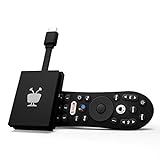
We will review the best android streaming devices later in this article. But before that, take a look at some relevant products on Amazon:


As an Amazon Associate I earn from qualifying purchases.
Prices and availability are accurate as of November 18, 2026 14:15 and are subject to change.
Introduction to Android Streaming Devices
Android streaming devices have revolutionized the way people consume entertainment content. These devices allow users to stream their favorite movies, TV shows, and music directly to their television sets, making it a convenient and enjoyable experience. With the advancement in technology, Android streaming devices have become increasingly popular, offering a wide range of features and functionalities that cater to different user needs.
The primary function of an Android streaming device is to provide access to various streaming services, such as Netflix, Hulu, and Amazon Prime Video. These devices come with pre-installed apps, allowing users to easily navigate and stream their preferred content. Additionally, many Android streaming devices support voice control, making it easier for users to search and play content using voice commands.
In recent years, the market for Android streaming devices has grown significantly, with numerous manufacturers offering a variety of devices. This has led to a surge in competition, resulting in better quality devices at affordable prices. When looking for the best android streaming devices, it is essential to consider factors such as processing power, storage capacity, and connectivity options to ensure a seamless streaming experience.
Overall, Android streaming devices have transformed the way people enjoy entertainment content, offering a convenient and affordable way to access a wide range of movies, TV shows, and music. With the constant evolution of technology, it is likely that Android streaming devices will continue to improve, providing users with even more features and functionalities to enhance their streaming experience.
5 Best Android Streaming Devices
The
Google Chromecast 3rd Generation
is a compact and affordable Android streaming device. It allows users to stream content from their mobile devices or computers to their TVs, making it a great option for those who want to access their favorite streaming services on the big screen. With its small size and plug-and-play setup, the Google Chromecast 3rd Generation is easy to use and requires minimal technical expertise.
One of the standout features of the
Google Chromecast 3rd Generation
is its ability to stream content in 1080p at 60fps, providing a smooth and high-quality viewing experience. Additionally, the device supports a wide range of streaming services, including Netflix, Hulu, and YouTube, making it a great option for those who want to access their favorite shows and movies. Overall, the Google Chromecast 3rd Generation is a great choice for anyone looking for a simple and affordable Android streaming device.
The
NVIDIA Shield TV Pro 2nd Generation
is a powerful Android streaming device that offers a range of advanced features and capabilities. With its Tegra X1 processor and 3GB of RAM, the device is capable of streaming content in 4K at 60fps, making it a great option for those who want a high-quality viewing experience. The NVIDIA Shield TV Pro 2nd Generation also comes with a range of gaming features, including support for NVIDIA’s GeForce Now cloud gaming service.
One of the standout features of the
NVIDIA Shield TV Pro 2nd Generation
is its ability to play a wide range of games, including AAA titles and indie games. The device also comes with a range of accessories, including a remote control and a gaming controller, making it a great option for those who want to use their streaming device for gaming. Overall, the NVIDIA Shield TV Pro 2nd Generation is a great choice for anyone looking for a powerful and feature-rich Android streaming device.
The
Amazon Fire TV Stick 4K 1st Generation
is a compact and affordable Android streaming device that offers a range of advanced features and capabilities. With its quad-core processor and 1.5GB of RAM, the device is capable of streaming content in 4K at 60fps, making it a great option for those who want a high-quality viewing experience. The Amazon Fire TV Stick 4K 1st Generation also comes with a range of features, including support for Dolby Vision and HDR10+.
One of the standout features of the
Amazon Fire TV Stick 4K 1st Generation
is its integration with Amazon’s Alexa virtual assistant, allowing users to control their streaming experience with voice commands. The device also comes with a range of streaming services, including Netflix, Hulu, and Amazon Prime Video, making it a great option for those who want to access their favorite shows and movies. Overall, the Amazon Fire TV Stick 4K 1st Generation is a great choice for anyone looking for a compact and affordable Android streaming device.
The
Xiaomi Mi Box S 1st Generation
is a powerful Android streaming device that offers a range of advanced features and capabilities. With its quad-core processor and 2GB of RAM, the device is capable of streaming content in 4K at 60fps, making it a great option for those who want a high-quality viewing experience. The Xiaomi Mi Box S 1st Generation also comes with a range of features, including support for Dolby Vision and HDR10+.
One of the standout features of the
Xiaomi Mi Box S 1st Generation
is its ability to run a wide range of Android apps, including streaming services and games. The device also comes with a range of accessories, including a remote control and a gaming controller, making it a great option for those who want to use their streaming device for gaming. Overall, the Xiaomi Mi Box S 1st Generation is a great choice for anyone looking for a powerful and feature-rich Android streaming device.
The
Roku Streaming Stick+ 2nd Generation
is a compact and affordable Android streaming device that offers a range of advanced features and capabilities. With its quad-core processor and 1GB of RAM, the device is capable of streaming content in 4K at 60fps, making it a great option for those who want a high-quality viewing experience. The Roku Streaming Stick+ 2nd Generation also comes with a range of features, including support for Dolby Vision and HDR10+.
One of the standout features of the
Roku Streaming Stick+ 2nd Generation
is its ability to run a wide range of streaming services, including Netflix, Hulu, and Amazon Prime Video, making it a great option for those who want to access their favorite shows and movies. The device also comes with a range of accessories, including a remote control with voice commands, making it a great option for those who want to control their streaming experience with ease. Overall, the Roku Streaming Stick+ 2nd Generation is a great choice for anyone looking for a compact and affordable Android streaming device.
Why People Need to Buy Android Streaming Devices
The world of home entertainment has undergone a significant transformation in recent years, with the rise of streaming services and devices that can access them. As a result, many people are looking for ways to upgrade their viewing experience and access a wide range of content from the comfort of their own homes. Android streaming devices have become increasingly popular, offering users the ability to stream their favorite shows and movies from various services such as Netflix, Hulu, and Amazon Prime.
One of the main reasons people need to buy android streaming devices is to access a wide range of content that is not available on traditional TV. With an android streaming device, users can download various apps that offer a vast library of movies, TV shows, and original content. This means that users can watch their favorite shows and movies at any time, without being limited by traditional TV schedules. Additionally, android streaming devices often come with features such as voice control, 4K resolution, and HDR, which enhance the overall viewing experience.
Another reason people need to buy android streaming devices is to experience the convenience and flexibility they offer. Android streaming devices are often small, compact, and easy to set up, making them a great option for people who want to stream content in different rooms of their home. They are also relatively affordable, with many devices available at a fraction of the cost of traditional TV systems. Furthermore, android streaming devices can be easily updated with new features and apps, ensuring that users have access to the latest and best content available.
When it comes to choosing the right android streaming device, there are many options available on the market. To find the best android streaming devices, users should consider factors such as price, features, and compatibility with their TV and other devices. By doing some research and comparing different devices, users can find the perfect android streaming device that meets their needs and enhances their viewing experience. With the right device, users can enjoy a wide range of content, from movies and TV shows to music and games, all from the comfort of their own home.
Key Features to Consider When Choosing an Android Streaming Device
When selecting an Android streaming device, there are several key features to consider. One of the most important is the device’s processing power, as this will determine how smoothly it can handle demanding tasks like streaming 4K video. A device with a fast processor and ample RAM will provide a better user experience. Another important feature is storage capacity, as this will determine how many apps and games you can install on the device. Some devices also offer expandable storage options, such as microSD cards, which can be useful if you plan to store a large library of content on the device.
In addition to processing power and storage capacity, you should also consider the device’s connectivity options. Most Android streaming devices offer Wi-Fi connectivity, but some also offer Ethernet ports for a wired connection. This can be useful if you have a slow or unreliable internet connection, as a wired connection can provide a more stable and faster connection. You should also consider the device’s support for different streaming services, such as Netflix, Hulu, and Amazon Prime Video. Some devices may offer exclusive deals or promotions with certain services, which can be a factor in your decision.
The device’s user interface is also an important consideration. Some devices offer a simple and intuitive interface, while others may be more complex and difficult to navigate. You should consider whether the device offers voice control, as this can make it easier to find and play content. You should also consider the device’s remote control, as this will determine how easily you can navigate the interface and control playback. Some devices offer advanced features like gesture control or motion sensing, which can be useful if you want to play games or interact with the device in a more immersive way.
Finally, you should consider the device’s price and value. Android streaming devices can range in price from under $50 to over $200, so you should consider what features and capabilities are most important to you and choose a device that fits your budget. You should also consider the device’s warranty and support options, as this can provide peace of mind and protect your investment. By considering these key features, you can choose an Android streaming device that meets your needs and provides a great user experience.
How to Set Up and Use an Android Streaming Device
Setting up an Android streaming device is typically a straightforward process. First, you will need to connect the device to your TV using an HDMI cable. Then, you will need to power on the device and follow the on-screen instructions to complete the setup process. This will typically involve connecting to your Wi-Fi network, creating a Google account or signing in to an existing one, and installing any desired apps or games.
Once you have completed the setup process, you can start using your Android streaming device to stream content. Most devices offer a simple and intuitive interface that makes it easy to find and play content. You can browse through the various apps and services available on the device, such as Netflix, Hulu, and Amazon Prime Video, and select the content you want to watch. You can also use the device’s search function to find specific titles or genres.
In addition to streaming content, you can also use your Android streaming device to play games. Many devices offer a range of games, from simple casual games to more complex and immersive experiences. You can use the device’s controller or remote control to play games, or you can connect a separate gaming controller for a more immersive experience. Some devices also offer support for virtual reality (VR) or augmented reality (AR) experiences, which can provide a more interactive and engaging way to play games.
To get the most out of your Android streaming device, you should also consider customizing the interface and settings to suit your preferences. This can include rearranging the home screen, adding or removing apps, and adjusting the device’s settings to optimize performance or battery life. By customizing the device to your needs, you can create a more personalized and enjoyable user experience.
Benefits and Advantages of Using an Android Streaming Device
There are several benefits and advantages to using an Android streaming device. One of the main advantages is the ability to access a wide range of streaming services and content. Android streaming devices offer support for many popular services, including Netflix, Hulu, and Amazon Prime Video, as well as more niche services like Crunchyroll or Funimation. This means you can access a vast library of content, including movies, TV shows, music, and more.
Another advantage of using an Android streaming device is the ability to customize the interface and settings to suit your preferences. Unlike traditional streaming devices, which often have a fixed interface and limited customization options, Android streaming devices offer a high degree of flexibility and personalization. You can add or remove apps, rearrange the home screen, and adjust the device’s settings to optimize performance or battery life. This means you can create a more personalized and enjoyable user experience.
In addition to these benefits, Android streaming devices also offer a range of other advantages. For example, many devices offer support for gaming, which can provide a more interactive and engaging way to enjoy content. Some devices also offer support for virtual reality (VR) or augmented reality (AR) experiences, which can provide a more immersive and interactive way to play games or watch content. Android streaming devices also often offer more advanced features like voice control, gesture control, or motion sensing, which can make it easier to navigate the interface and control playback.
Finally, Android streaming devices are often more affordable than traditional streaming devices, which can make them a more accessible option for many users. With prices starting at under $50, Android streaming devices offer a range of options for users on a budget. By offering a combination of affordability, flexibility, and customization options, Android streaming devices provide a compelling alternative to traditional streaming devices.
Troubleshooting Common Issues with Android Streaming Devices
Despite their many benefits and advantages, Android streaming devices can sometimes experience issues or problems. One common issue is connectivity problems, such as a slow or unreliable internet connection. To troubleshoot this issue, you can try restarting the device, checking your internet connection, or adjusting the device’s settings to optimize performance. You can also try moving the device closer to your router or using a wired connection to improve the stability and speed of your connection.
Another common issue is app crashes or freezes, which can be frustrating and disrupt your viewing experience. To troubleshoot this issue, you can try closing and reopening the app, uninstalling and reinstalling the app, or checking for updates to the app or device. You can also try clearing the device’s cache or data, which can help resolve issues with corrupted files or outdated software. In some cases, you may need to perform a factory reset on the device, which can restore it to its default settings and resolve more serious issues.
In addition to these issues, Android streaming devices can also experience problems with overheating, which can cause the device to slow down or shut down. To troubleshoot this issue, you can try moving the device to a well-ventilated area, avoiding blocking the device’s vents or airflow, or using a cooling pad or fan to reduce the device’s temperature. You can also try adjusting the device’s settings to reduce its power consumption or performance, which can help prevent overheating and improve the device’s overall stability.
Finally, Android streaming devices can also experience issues with compatibility, such as problems with certain apps or services. To troubleshoot this issue, you can try checking the app’s or service’s system requirements, updating the app or device to the latest version, or contacting the app’s or service’s support team for assistance. By troubleshooting common issues and problems, you can help ensure a smooth and enjoyable user experience with your Android streaming device.
Ultimate Buying Guide for Android Streaming Devices
When it comes to streaming devices, the options can be overwhelming, especially for those looking for the best android streaming devices. With numerous brands and models available in the market, it’s essential to consider several key factors before making a purchase. In this guide, we’ll walk you through the most critical aspects to consider when buying an Android streaming device, ensuring that you make an informed decision that meets your entertainment needs.
Processing Power and Performance
The processing power of an Android streaming device is crucial in determining its overall performance. A device with a fast processor can handle demanding tasks such as streaming 4K content, playing games, and running multiple apps simultaneously. When evaluating the processing power of a device, look for the type of processor used, the number of cores, and the clock speed. A device with a quad-core or octa-core processor is generally more powerful than a device with a dual-core processor. Additionally, consider the amount of RAM, as it plays a significant role in ensuring smooth performance and preventing lag.
The processing power of an Android streaming device also affects its ability to handle graphics-intensive tasks. If you’re an avid gamer or enjoy watching movies with complex graphics, look for a device with a dedicated graphics processing unit (GPU). A device with a powerful GPU can provide a more immersive gaming experience and handle demanding graphics with ease. Furthermore, consider the device’s operating system and software updates, as they can significantly impact its performance and security. Ensure that the device runs on the latest version of Android and receives regular software updates to prevent bugs and vulnerabilities.
Storage and Expandability
Storage is another critical factor to consider when buying an Android streaming device. The amount of storage available on the device determines how many apps, games, and media files you can store. If you plan to use the device for gaming or storing large media files, look for a device with ample internal storage. Additionally, consider the type of storage used, such as eMMC or SSD, as it can impact the device’s performance. eMMC storage is generally slower than SSD storage, which can result in slower loading times and reduced overall performance.
The expandability of an Android streaming device is also essential, especially if you plan to store large media files or install multiple apps. Look for a device with a microSD card slot, which allows you to expand the storage capacity of the device. Some devices may also support USB OTG (On-The-Go), which enables you to connect external storage devices such as USB drives or hard drives. Furthermore, consider the device’s cloud storage options, such as Google Drive or Dropbox, which can provide additional storage space and allow you to access your files from anywhere.
Connectivity and Wireless Capabilities
The connectivity and wireless capabilities of an Android streaming device are vital in ensuring a seamless streaming experience. Look for a device with dual-band Wi-Fi support, which provides faster and more reliable connectivity. Additionally, consider the device’s Bluetooth capabilities, which enable you to connect wireless devices such as headphones or speakers. Some devices may also support Ethernet connectivity, which provides a wired connection and can be more stable than Wi-Fi.
The wireless capabilities of an Android streaming device also extend to its support for various wireless standards such as Chromecast, Miracast, or WiDi. These standards enable you to stream content from your device to a TV or other compatible devices. Furthermore, consider the device’s support for voice assistants such as Google Assistant, which can provide a more intuitive and hands-free experience. Ensure that the device supports the latest wireless standards and has a reliable and fast connection to prevent buffering and lag.
Display and Audio Quality
The display and audio quality of an Android streaming device are essential in providing an immersive entertainment experience. If you plan to use the device for gaming or watching movies, look for a device with a high-resolution display such as 4K or HDR. Additionally, consider the device’s display size, as it can impact your viewing experience. A larger display can provide a more immersive experience, but it may also increase the device’s power consumption.
The audio quality of an Android streaming device is also crucial in providing an immersive entertainment experience. Look for a device with support for high-quality audio formats such as Dolby Atmos or DTS:X. Additionally, consider the device’s support for wireless audio technologies such as Bluetooth 5.0 or Wi-Fi audio streaming. Some devices may also support external audio devices such as soundbars or home theaters, which can provide a more immersive audio experience. Furthermore, consider the device’s support for audio codecs such as AAC or MP3, which can impact the audio quality and compatibility.
Content and App Support
The content and app support of an Android streaming device are vital in providing access to a wide range of entertainment options. Look for a device that supports popular streaming services such as Netflix, Hulu, or Amazon Prime Video. Additionally, consider the device’s support for gaming apps, as it can impact your gaming experience. Some devices may also support exclusive content or apps, which can provide a unique entertainment experience.
The app support of an Android streaming device also extends to its support for various app stores such as Google Play Store or Amazon Appstore. Ensure that the device supports the app store you prefer, as it can impact your access to various apps and games. Furthermore, consider the device’s support for sideloading apps, which enables you to install apps from outside the official app store. However, be cautious when sideloading apps, as they may pose security risks or be incompatible with the device.
Price and Value
The price and value of an Android streaming device are essential in determining its overall worth. Look for a device that offers a balance between price and features, as it can impact your overall satisfaction. Consider the device’s specifications, such as processing power, storage, and display quality, and evaluate whether they justify the price. Additionally, consider the device’s brand reputation and customer support, as they can impact your overall experience.
The value of an Android streaming device also extends to its support for various features such as voice control, gesture recognition, or motion sensing. Some devices may offer exclusive features or technologies that can enhance your entertainment experience. Furthermore, consider the device’s warranty and support options, such as online resources or customer support hotlines. Ensure that the device offers a comprehensive warranty and support package, as it can impact your overall satisfaction and peace of mind.
FAQ
What are the key features to consider when buying an Android streaming device?
When buying an Android streaming device, there are several key features to consider. The first thing to think about is the type of content you want to stream. If you’re looking to stream movies and TV shows, you’ll want a device that supports popular streaming services like Netflix and Hulu. You should also consider the device’s processing power and memory, as these will impact how smoothly it can handle demanding tasks like 4K video playback.
In addition to these basics, you may also want to consider other features like voice control, gaming capabilities, and support for external devices like keyboards and mice. Some Android streaming devices also offer additional features like built-in Google Assistant or support for Dolby Atmos audio. By considering your specific needs and preferences, you can choose a device that meets your requirements and provides a great streaming experience. Whether you’re a casual streamer or a serious cord-cutter, there’s an Android streaming device out there that’s right for you.
How do I set up my Android streaming device for the first time?
Setting up your Android streaming device for the first time is a relatively straightforward process. First, you’ll need to connect the device to your TV using an HDMI cable. Next, you’ll need to power on the device and follow the on-screen instructions to complete the initial setup process. This will typically involve selecting your language and country, connecting to your Wi-Fi network, and agreeing to the device’s terms of service. You may also be prompted to create a Google account or sign in to an existing one.
Once you’ve completed the initial setup process, you can start exploring the device’s interface and installing any additional apps you want to use. Many Android streaming devices come with popular streaming services like Netflix and Amazon Prime Video pre-installed, but you may also want to install other apps like YouTube or Disney+. You can do this by navigating to the Google Play Store and searching for the apps you want to install. From there, you can browse through the available apps, read reviews, and install the ones you’re interested in. With your device set up and your favorite apps installed, you’re ready to start streaming your favorite content.
Can I use my Android streaming device to play games?
Yes, many Android streaming devices are capable of playing games, and some are even specifically designed with gaming in mind. These devices often come with advanced processors and graphics capabilities that allow for smooth and responsive gameplay. You can play a wide range of games on your Android streaming device, from casual titles like puzzles and platformers to more demanding games like first-person shooters and sports games. Some devices even support controllers and other gaming accessories, making it easy to get started with gaming on your TV.
To get started with gaming on your Android streaming device, you can browse through the Google Play Store and search for games that interest you. Many popular games are available on the platform, and you can read reviews and check the system requirements to make sure a game will run well on your device. You can also connect a controller or other gaming accessories to enhance your gaming experience. Whether you’re a casual gamer or a serious enthusiast, an Android streaming device can be a great way to play games on your TV. With its powerful hardware and wide range of available games, you’re sure to find something that suits your interests and skill level.
Do all Android streaming devices support 4K video playback?
Not all Android streaming devices support 4K video playback, but many of the newer and higher-end models do. If you’re looking for a device that can handle 4K content, you’ll want to make sure to check the specifications before making a purchase. Look for devices that specifically mention 4K support and have a powerful enough processor to handle the demands of 4K video playback. You’ll also want to make sure your TV is capable of displaying 4K content, as not all TVs support this resolution.
In addition to 4K support, you may also want to consider other video features like HDR (high dynamic range) and Dolby Vision. These technologies can enhance the picture quality and provide a more immersive viewing experience. Some Android streaming devices also support advanced audio formats like Dolby Atmos and DTS:X, which can provide a more engaging and realistic sound experience. By choosing a device that supports these features, you can enjoy a more cinematic experience in the comfort of your own home. Whether you’re watching movies, TV shows, or live sports, a device with 4K support and advanced audio capabilities can make all the difference.
Can I use my Android streaming device with my existing smart home setup?
Yes, many Android streaming devices can be integrated with existing smart home setups, allowing you to control your TV and other devices with a single interface. Some devices support popular smart home platforms like Google Home and Amazon Alexa, which can be used to control a wide range of devices like lights, thermostats, and security cameras. You can also use voice commands to control your TV and other devices, making it easy to adjust the volume, change the channel, and access your favorite apps.
To integrate your Android streaming device with your existing smart home setup, you’ll typically need to download and install the relevant apps and follow the on-screen instructions to complete the setup process. This may involve linking your accounts, configuring device settings, and setting up voice commands. Once you’ve completed the setup process, you can use your Android streaming device to control your TV and other devices, making it easy to enjoy a seamless and integrated smart home experience. With the ability to control multiple devices from a single interface, you can simplify your smart home setup and enjoy a more convenient and enjoyable experience.
How do I troubleshoot common issues with my Android streaming device?
If you’re experiencing issues with your Android streaming device, there are several steps you can take to troubleshoot the problem. First, try restarting the device, as this can often resolve issues like freezing or slow performance. You can also try checking for software updates, as these can often fix bugs and improve performance. If you’re experiencing issues with a specific app, try uninstalling and reinstalling it, or checking the app’s settings to see if there are any configuration options that can help resolve the issue.
If you’re still experiencing issues after trying these basic troubleshooting steps, you may want to try more advanced troubleshooting techniques like resetting the device to its factory settings or contacting the manufacturer’s support team for assistance. You can also try searching online for solutions to common issues, as many users and experts share their experiences and tips on forums and social media. By taking a methodical approach to troubleshooting, you can often resolve issues with your Android streaming device and get back to enjoying your favorite content. Whether you’re experiencing issues with video playback, audio quality, or app performance, there are often simple steps you can take to resolve the problem and get back to streaming.
Are Android streaming devices secure, and how can I protect my personal data?
Android streaming devices can be secure, but like any connected device, they can also be vulnerable to security risks if not properly configured and maintained. To protect your personal data, you should take several precautions, including using strong passwords, keeping your device and apps up to date, and being cautious when installing apps from unknown sources. You should also use a VPN (virtual private network) when streaming content over public Wi-Fi networks, as this can help protect your data from interception and eavesdropping.
In addition to these basic security precautions, you may also want to consider using a device with built-in security features like Google’s Play Protect, which can help detect and remove malicious apps from your device. You should also be aware of the types of data that your Android streaming device is collecting and transmitting, and take steps to limit this data collection if necessary. By taking a proactive approach to security, you can help protect your personal data and enjoy a safe and secure streaming experience. Whether you’re streaming movies, TV shows, or live sports, you can have confidence that your device and data are secure.
Conclusion
In conclusion, the world of streaming devices has become increasingly complex, with numerous options available to consumers. However, by considering key factors such as processing power, storage capacity, and compatibility, individuals can make informed decisions when selecting the perfect device for their entertainment needs. Whether you’re a casual streamer or an avid enthusiast, there’s a device out there that can cater to your unique preferences and viewing habits. With the vast array of options on the market, it’s essential to conduct thorough research and compare features before making a purchase.
Ultimately, investing in one of the best android streaming devices can revolutionize your home entertainment experience, providing seamless access to a vast library of content and unparalleled convenience. By choosing a high-quality device, you can enjoy crisp visuals, rapid loading times, and effortless navigation, making it easier to discover new shows, movies, and music. With the right device, you’ll be able to unlock a world of endless entertainment possibilities, and our comprehensive guide has been designed to help you find the perfect fit for your lifestyle and budget, ensuring that you can enjoy the best possible streaming experience.