When it comes to cutting through metal, having the right tool for the job is essential. Bandsaws are a popular choice among metalworkers and DIY enthusiasts due to their ability to make precise cuts in a variety of metal materials. With so many options available on the market, it can be overwhelming to choose the right one for your specific needs. Whether you’re a professional or a hobbyist, investing in a high-quality bandsaw can make all the difference in the quality of your work and the efficiency of your workflow.
In this article, we’ll take a closer look at the best bandsaws for cutting metal, highlighting the key features and benefits of each model. From variable speed controls to robust construction and durable blades, we’ll cover everything you need to know to make an informed decision. By the end of this guide, you’ll be equipped with the knowledge and confidence to choose the perfect bandsaw for your metal-cutting needs, and start tackling even the toughest projects with ease and precision. With the right bandsaw by your side, you’ll be able to achieve professional-grade results and take your metalworking skills to the next level.
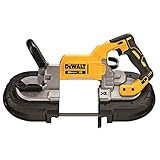
We will review the best bandsaws for cutting metal later in this article. But before that, take a look at some relevant products on Amazon:


As an Amazon Associate I earn from qualifying purchases.
Prices and availability are accurate as of November 25, 2026 13:36 and are subject to change.
Introduction to Metal Cutting Bandsaws
Bandsaws are versatile power tools used for making curved or straight cuts in various materials, including wood, plastic, and metal. When it comes to cutting metal, bandsaws are particularly useful due to their ability to handle tough and dense materials. Metal cutting bandsaws are designed with specific features that enable them to effectively cut through metal, such as powerful motors, durable blades, and robust construction.
Metal cutting bandsaws are available in different types, including horizontal and vertical bandsaws. Horizontal bandsaws are ideal for cutting large and heavy metal stock, while vertical bandsaws are better suited for cutting smaller and more intricate metal pieces. Both types of bandsaws are widely used in various industries, including manufacturing, construction, and metal fabrication.
The key to achieving accurate and efficient metal cutting is to use the right type of bandsaw and blade. Metal cutting bandsaws typically use bi-metal or carbide-tipped blades, which are designed to withstand the high heat and friction generated when cutting through metal. These blades are available in different tooth pitches and angles, allowing users to choose the best blade for their specific cutting application.
When searching for the best bandsaws for cutting metal, it is essential to consider factors such as power, speed, and durability. A good metal cutting bandsaw should have a powerful motor, variable speed control, and a sturdy construction that can withstand the rigors of heavy use. By choosing the right metal cutting bandsaw and blade, users can achieve precise and efficient cuts in metal, making it an indispensable tool for any metalworking application.
Best Bandsaws For Cutting Metal – Reviewed
The
WEN 3959 14-Inch Two-Speed Band Saw #3959
is a powerful and versatile tool for cutting metal. It features a 14-inch throat capacity and a two-speed motor that allows for optimal performance when cutting different types of materials. The saw also comes with a sturdy steel frame and a comfortable working table, making it ideal for heavy-duty applications. With its ability to cut through metal pipes, bars, and sheets, this bandsaw is a great addition to any workshop or fabrication shop.
The
WEN 3959 14-Inch Two-Speed Band Saw #3959
has received positive reviews from users who praise its performance, durability, and value for money. The saw is easy to assemble and operate, and it comes with a comprehensive user manual that provides detailed instructions and safety guidelines. The manufacturer also offers a two-year warranty and excellent customer support, which gives users peace of mind when purchasing this product. Overall, the WEN 3959 14-Inch Two-Speed Band Saw #3959 is a reliable and efficient tool that can help users achieve professional-grade results when cutting metal.
The
Powermatic PWBS-14CS 14-Inch Band Saw #PWBS-14CS-1
is a high-end bandsaw designed for heavy-duty metal cutting applications. It features a powerful 1.5 HP motor and a 14-inch throat capacity, making it ideal for cutting large metal pipes, bars, and sheets. The saw also comes with a sturdy steel frame, a comfortable working table, and a convenient blade tensioning system. With its advanced features and robust construction, this bandsaw is a great investment for any professional fabrication shop or workshop.
The
Powermatic PWBS-14CS 14-Inch Band Saw #PWBS-14CS-1
has received excellent reviews from users who praise its performance, accuracy, and durability. The saw is easy to operate and maintain, and it comes with a comprehensive user manual that provides detailed instructions and safety guidelines. The manufacturer also offers a five-year warranty and excellent customer support, which gives users peace of mind when purchasing this product. Overall, the Powermatic PWBS-14CS 14-Inch Band Saw #PWBS-14CS-1 is a high-quality tool that can help users achieve professional-grade results when cutting metal.
The
Jet 414458 HVBS-7MW 7-Inch Horizontal/Vertical Band Saw #414458
is a versatile and powerful bandsaw designed for cutting metal pipes, bars, and sheets. It features a 7-inch throat capacity and a 1 HP motor, making it ideal for small to medium-sized fabrication shops and workshops. The saw also comes with a sturdy steel frame, a comfortable working table, and a convenient blade tensioning system. With its ability to cut metal both horizontally and vertically, this bandsaw is a great addition to any workshop or fabrication shop.
The
Jet 414458 HVBS-7MW 7-Inch Horizontal/Vertical Band Saw #414458
has received positive reviews from users who praise its performance, versatility, and value for money. The saw is easy to assemble and operate, and it comes with a comprehensive user manual that provides detailed instructions and safety guidelines. The manufacturer also offers a five-year warranty and excellent customer support, which gives users peace of mind when purchasing this product. Overall, the Jet 414458 HVBS-7MW 7-Inch Horizontal/Vertical Band Saw #414458 is a reliable and efficient tool that can help users achieve professional-grade results when cutting metal.
The
Doall DC-330NC 14-Inch Metal Cutting Band Saw #DC-330NC-1
is a high-end bandsaw designed for heavy-duty metal cutting applications. It features a powerful 1.5 HP motor and a 14-inch throat capacity, making it ideal for cutting large metal pipes, bars, and sheets. The saw also comes with a sturdy steel frame, a comfortable working table, and a convenient blade tensioning system. With its advanced features and robust construction, this bandsaw is a great investment for any professional fabrication shop or workshop.
The
Doall DC-330NC 14-Inch Metal Cutting Band Saw #DC-330NC-1
has received excellent reviews from users who praise its performance, accuracy, and durability. The saw is easy to operate and maintain, and it comes with a comprehensive user manual that provides detailed instructions and safety guidelines. The manufacturer also offers a five-year warranty and excellent customer support, which gives users peace of mind when purchasing this product. Overall, the Doall DC-330NC 14-Inch Metal Cutting Band Saw #DC-330NC-1 is a high-quality tool that can help users achieve professional-grade results when cutting metal.
The
Baileigh BS-260M 10-Inch Metal Cutting Band Saw #BS-260M-1
is a powerful and versatile bandsaw designed for cutting metal pipes, bars, and sheets. It features a 10-inch throat capacity and a 1 HP motor, making it ideal for small to medium-sized fabrication shops and workshops. The saw also comes with a sturdy steel frame, a comfortable working table, and a convenient blade tensioning system. With its ability to cut metal quickly and accurately, this bandsaw is a great addition to any workshop or fabrication shop.
The
Baileigh BS-260M 10-Inch Metal Cutting Band Saw #BS-260M-1
has received positive reviews from users who praise its performance, versatility, and value for money. The saw is easy to assemble and operate, and it comes with a comprehensive user manual that provides detailed instructions and safety guidelines. The manufacturer also offers a one-year warranty and excellent customer support, which gives users peace of mind when purchasing this product. Overall, the Baileigh BS-260M 10-Inch Metal Cutting Band Saw #BS-260M-1 is a reliable and efficient tool that can help users achieve professional-grade results when cutting metal.
Why People Need to Buy Bandsaws for Cutting Metal
Cutting metal is a task that requires precision and the right tools. One of the most essential tools for this task is a bandsaw. A bandsaw is a powerful machine that uses a continuous band of metal with teeth to cut through various materials, including metal. When it comes to cutting metal, a bandsaw is often the preferred choice because it can make precise cuts and handle thick metal pieces with ease.
There are several reasons why people need to buy bandsaws for cutting metal. One of the main reasons is that bandsaws offer more control and flexibility than other cutting tools. With a bandsaw, users can make curved or straight cuts, and the machine can handle a wide range of metal thicknesses. Additionally, bandsaws are designed to reduce vibration and noise, making them a more comfortable choice for users who need to work with metal for extended periods.
Another reason why people need to buy bandsaws for cutting metal is that they are designed to handle heavy-duty cutting tasks. Bandsaws are built with durable materials and are designed to withstand the rigors of frequent use. They are also designed to be easy to maintain, with features such as easy blade replacement and adjustable guides. When shopping for a bandsaw, it’s essential to look for the best bandsaws for cutting metal, as they will offer the best performance and durability.
In conclusion, buying a bandsaw for cutting metal is a necessary investment for anyone who works with metal regularly. Whether you’re a professional metalworker or a DIY enthusiast, a bandsaw is an essential tool that can help you make precise cuts and handle thick metal pieces with ease. With its ability to make curved or straight cuts, reduce vibration and noise, and handle heavy-duty cutting tasks, a bandsaw is an indispensable tool for anyone who needs to cut metal. By investing in a high-quality bandsaw, users can ensure that they have the right tool for the job and can achieve professional-grade results.
Types of Bandsaws for Cutting Metal
Bandsaws for cutting metal come in various types, each designed for specific applications and materials. The most common types include horizontal, vertical, and benchtop bandsaws. Horizontal bandsaws are ideal for cutting large metal stock and are often used in industrial settings. Vertical bandsaws, on the other hand, are more versatile and can be used for cutting curved or irregular shapes. Benchtop bandsaws are compact and suitable for small-scale metalworking projects.
When choosing a bandsaw for cutting metal, it’s essential to consider the type of metal you’ll be working with. For example, if you’ll be cutting thick steel or aluminum, a horizontal bandsaw may be the best option. However, if you’ll be working with thinner metals or need to make curved cuts, a vertical or benchtop bandsaw may be more suitable.
In addition to the type of bandsaw, you should also consider the blade speed and material. A bandsaw with a variable speed control will allow you to adjust the speed to suit the type of metal you’re cutting. A high-speed steel blade is suitable for cutting most metals, but a bi-metal or carbide-tipped blade may be needed for cutting harder or more abrasive materials.
The type of bandsaw you choose will also depend on the level of precision and accuracy required for your project. If you need to make precise cuts or cut complex shapes, a vertical or benchtop bandsaw with a high-precision blade guide may be the best option. On the other hand, if you’re working on a large-scale project and need to make quick, rough cuts, a horizontal bandsaw may be more suitable.
Key Features to Consider When Buying a Bandsaw for Cutting Metal
When buying a bandsaw for cutting metal, there are several key features to consider. One of the most important features is the power and speed of the motor. A more powerful motor will allow you to cut thicker metals and make faster cuts. You should also consider the blade speed and material, as well as the type of blade guide and tensioning system.
Another important feature to consider is the capacity and throat depth of the bandsaw. The capacity refers to the maximum size of the material that can be cut, while the throat depth refers to the distance between the blade and the back of the saw. A larger capacity and throat depth will allow you to cut larger and thicker metals.
The type of control system and safety features are also important considerations. A bandsaw with a variable speed control and electronic brake will allow you to make precise cuts and quickly stop the blade in case of an emergency. You should also look for safety features such as a blade guard, safety switch, and emergency stop button.
In addition to these features, you should also consider the durability and build quality of the bandsaw. A well-built bandsaw with a sturdy frame and high-quality components will provide years of reliable service and withstand the rigors of heavy use. You should also consider the warranty and customer support offered by the manufacturer, as well as the availability of replacement parts and accessories.
Tips for Using a Bandsaw to Cut Metal Safely and Effectively
Using a bandsaw to cut metal can be a safe and effective process if you follow proper techniques and safety guidelines. One of the most important tips is to always wear protective gear, including safety glasses, gloves, and a face mask. You should also ensure that the bandsaw is properly set up and maintained, with a sharp blade and adequate lubrication.
When making a cut, it’s essential to use a steady and consistent feed rate, applying gentle to moderate pressure on the material. You should also keep your hands and fingers away from the blade and avoid wearing loose clothing that could get caught in the saw. It’s also important to keep the work area clean and clear of debris, and to use a push stick or other safety device to guide the material through the saw.
Another important tip is to use the correct blade type and speed for the material you’re cutting. A high-speed steel blade is suitable for cutting most metals, but a bi-metal or carbide-tipped blade may be needed for cutting harder or more abrasive materials. You should also use a variable speed control to adjust the blade speed to suit the type of metal you’re cutting.
In addition to these tips, you should also consider the type of metal you’re cutting and the level of precision and accuracy required for your project. For example, if you’re cutting thin metal or need to make precise cuts, you may need to use a slower blade speed and a more precise blade guide. On the other hand, if you’re cutting thick metal or need to make quick, rough cuts, you may be able to use a faster blade speed and a less precise blade guide.
Maintenance and Troubleshooting Tips for Bandsaws Used to Cut Metal
Proper maintenance and troubleshooting are essential to ensure the longevity and performance of your bandsaw. One of the most important maintenance tasks is to regularly clean and lubricate the saw, paying particular attention to the blade guide and tensioning system. You should also check the blade for wear and damage, and replace it as needed.
Another important maintenance task is to check the saw’s alignment and adjustment, ensuring that the blade is properly aligned and tensioned. You should also check the saw’s motor and electrical system, ensuring that all connections are secure and that the motor is properly ventilated. Regular maintenance will help to prevent problems and ensure that your bandsaw continues to run smoothly and efficiently.
If you encounter problems with your bandsaw, there are several troubleshooting steps you can take. For example, if the saw is not cutting properly, you may need to adjust the blade speed or tension, or check the blade for wear and damage. If the saw is vibrating or making excessive noise, you may need to check the saw’s alignment and adjustment, or ensure that the blade is properly secured.
In addition to these tips, you should also consider the manufacturer’s recommendations for maintenance and troubleshooting, as well as any specific guidelines for the type of metal you’re cutting. By following proper maintenance and troubleshooting procedures, you can help to ensure the longevity and performance of your bandsaw, and get the most out of your metal cutting projects.
Best Bandsaws For Cutting Metal Buying Guide
When it comes to cutting metal, having the right tool for the job is crucial. Bandsaws are a popular choice among metalworkers and DIY enthusiasts due to their versatility and ability to make precise cuts. With so many options available in the market, choosing the right bandsaw can be overwhelming, especially for those who are new to metal cutting. In this buying guide, we will discuss the key factors to consider when buying a bandsaw for cutting metal, helping you make an informed decision and find the best bandsaws for cutting metal that suits your needs.
Motor Power and Speed
The motor power and speed of a bandsaw are critical factors to consider when cutting metal. A more powerful motor will allow you to cut through thicker and harder metals with ease, while a variable speed control will enable you to adjust the speed to suit the type of metal you are cutting. When looking for a bandsaw, consider the horsepower and speed range of the motor. A higher horsepower motor will provide more torque and cutting power, while a variable speed control will give you more flexibility and control over the cutting process.
The speed range of a bandsaw is also important, as different metals require different cutting speeds. For example, cutting aluminum requires a slower speed than cutting steel. Look for a bandsaw with a speed range of at least 100-350 feet per minute (fpm) to ensure you can cut a variety of metals. Additionally, consider the type of motor used, such as a direct-drive or gear-driven motor. Direct-drive motors are more efficient and provide more torque, while gear-driven motors are more common and often less expensive.
Blade Size and Type
The blade size and type are also crucial factors to consider when buying a bandsaw for cutting metal. The blade size will determine the thickness and width of the metal you can cut, while the blade type will affect the cutting performance and durability. When choosing a bandsaw, consider the blade size and type that best suits your needs. A larger blade will allow you to cut thicker and wider metals, but may be more difficult to maneuver and control.
The type of blade used is also important, as different blades are designed for specific cutting applications. For example, a bi-metal blade is suitable for cutting ferrous and non-ferrous metals, while a carbide-tipped blade is better suited for cutting hard and abrasive metals. Look for a bandsaw with a durable and high-quality blade that can withstand the rigors of metal cutting. Additionally, consider the blade tensioning system, as a good system will ensure the blade is properly tensioned and aligned, resulting in smoother and more accurate cuts.
Frame and Construction
The frame and construction of a bandsaw are essential factors to consider when cutting metal. A sturdy and well-built frame will provide the stability and support needed to make precise cuts, while a durable construction will ensure the bandsaw can withstand the rigors of heavy use. When looking for a bandsaw, consider the frame material and construction. A cast-iron or steel frame is more durable and less prone to vibration than a aluminum or plastic frame.
The construction of the bandsaw is also important, as a well-built machine will provide smoother and more accurate cuts. Look for a bandsaw with a rigid and stable frame, as well as a durable and long-lasting construction. Additionally, consider the weight and size of the bandsaw, as a heavier and larger machine may be more difficult to maneuver and store. However, a larger and heavier bandsaw may also provide more stability and support, resulting in better cutting performance.
Cooling System
A cooling system is a critical factor to consider when buying a bandsaw for cutting metal. Metal cutting can generate a significant amount of heat, which can damage the blade and affect the cutting performance. A good cooling system will help to reduce the heat and prevent damage to the blade and machine. When looking for a bandsaw, consider the type of cooling system used. A flood coolant system is more effective than a mist coolant system, as it provides a continuous flow of coolant to the cutting area.
The cooling system is also important for maintaining the longevity of the blade and machine. A good cooling system will help to reduce the heat and prevent damage to the blade and machine, resulting in longer blade life and less maintenance. Look for a bandsaw with a durable and reliable cooling system, as well as a easy-to-use and adjustable coolant flow control. Additionally, consider the type of coolant used, as some coolants may be more effective than others for specific cutting applications.
Safety Features
Safety features are essential factors to consider when buying a bandsaw for cutting metal. Metal cutting can be hazardous, and a good bandsaw should have safety features to protect the operator from injury. When looking for a bandsaw, consider the safety features that come with the machine. A good bandsaw should have a sturdy and secure guard to protect the operator from the cutting area, as well as a safety switch to prevent accidental start-ups.
The safety features of a bandsaw are also important for preventing damage to the machine and surrounding equipment. Look for a bandsaw with a durable and reliable safety switch, as well as a secure and adjustable guard. Additionally, consider the noise level and vibration of the bandsaw, as a quieter and smoother machine may be more comfortable to operate and less likely to cause fatigue. A good bandsaw should also have a well-designed and ergonomic control panel, making it easy to operate and control the machine.
Price and Warranty
The price and warranty of a bandsaw are important factors to consider when buying a machine for cutting metal. A good bandsaw can be a significant investment, and it’s essential to consider the price and warranty before making a purchase. When looking for a bandsaw, consider the price and what you get for your money. A more expensive bandsaw may have more features and better performance, but may not be necessary for your specific cutting needs.
The warranty of a bandsaw is also important, as it provides protection and support in case the machine fails or requires maintenance. Look for a bandsaw with a comprehensive and long-lasting warranty, as well as a reliable and responsive customer support. Additionally, consider the cost of replacement parts and maintenance, as a well-built machine with readily available parts may be less expensive to maintain and repair in the long run. A good bandsaw should also have a reputation for reliability and durability, making it a worthwhile investment for your metal cutting needs.
Frequently Asked Questions
What is a bandsaw and how does it work?
A bandsaw is a power tool used for cutting various materials, including metal, wood, and plastic. It consists of a continuous band of metal with teeth on one edge, stretched between two wheels. The band rotates around the wheels, allowing the user to cut through the material by moving it through the band. The bandsaw’s design enables it to make curved cuts, as well as straight cuts, making it a versatile tool for various applications.
The bandsaw’s effectiveness in cutting metal lies in its ability to apply consistent pressure and maintain a high cutting speed. This allows the saw to efficiently remove metal, resulting in a smooth finish. Additionally, the bandsaw’s design reduces vibration and noise, making it a more comfortable tool to use compared to other power saws. With proper maintenance and the right blade, a bandsaw can be an invaluable asset for any metalworking project, providing accurate and efficient cuts every time.
What are the key features to consider when buying a bandsaw for cutting metal?
When buying a bandsaw for cutting metal, there are several key features to consider. The first is the saw’s power and speed, as these will determine its ability to cut through metal efficiently. A more powerful motor and higher speed will generally result in faster cutting times and a smoother finish. Another important feature is the saw’s blade size and type, as different blades are suited for cutting different types of metal. The saw’s capacity, or the maximum size of the material it can cut, is also crucial, as it will determine the types of projects the saw can be used for.
The saw’s construction and durability are also important considerations, as a well-built saw will be able to withstand the rigors of frequent use and last longer. Additional features, such as a variable speed control, a sturdy frame, and a convenient blade change system, can also enhance the saw’s performance and usability. By considering these features and choosing a saw that meets your specific needs, you can ensure that you get the best results from your bandsaw and complete your metalworking projects efficiently and effectively.
What types of metal can a bandsaw cut?
A bandsaw can cut a variety of metals, including aluminum, steel, and stainless steel. The specific type of metal that can be cut will depend on the saw’s power and speed, as well as the type of blade being used. For example, a saw with a high-speed steel blade may be able to cut through thinner metals like aluminum and copper, while a saw with a bi-metal blade may be better suited for cutting thicker metals like steel and stainless steel.
The thickness of the metal that can be cut will also depend on the saw’s capacity and the type of blade being used. Generally, a bandsaw can cut metal up to several inches thick, although the exact thickness will depend on the specific saw and blade being used. It’s also important to note that the saw’s ability to cut metal will be affected by the metal’s hardness and density, with softer metals like aluminum being easier to cut than harder metals like stainless steel.
How do I choose the right blade for my bandsaw?
Choosing the right blade for your bandsaw is crucial for achieving efficient and accurate cuts. The first step is to determine the type of metal you will be cutting, as different blades are suited for cutting different types of metal. For example, a high-speed steel blade is well-suited for cutting softer metals like aluminum and copper, while a bi-metal blade is better suited for cutting harder metals like steel and stainless steel. You should also consider the thickness of the metal you will be cutting, as thicker metals require a blade with a coarser tooth pitch.
The blade’s tooth pitch and angle will also affect its performance, with a coarser tooth pitch being better suited for cutting thicker metals and a finer tooth pitch being better suited for cutting thinner metals. Additionally, the blade’s width and length will affect its ability to make curved cuts and navigate tight spaces. By considering these factors and choosing a blade that meets your specific needs, you can ensure that you get the best results from your bandsaw and complete your metalworking projects efficiently and effectively.
What safety precautions should I take when using a bandsaw?
When using a bandsaw, there are several safety precautions you should take to minimize the risk of injury. The first is to wear protective gear, including safety glasses, a dust mask, and hearing protection. You should also ensure that the saw is properly assembled and maintained, with all guards and covers in place. Additionally, you should keep loose clothing and long hair tied back, and avoid wearing jewelry that could get caught in the saw.
You should also be aware of your surroundings and keep children and pets away from the saw. It’s also important to follow proper cutting techniques, such as using a push stick or other guiding device to keep your hands away from the blade. You should also avoid overreaching or stretching while cutting, and take regular breaks to avoid fatigue. By following these safety precautions and using common sense, you can minimize the risk of injury and ensure a safe and successful cutting experience.
How do I maintain and store my bandsaw?
To maintain your bandsaw and ensure it continues to perform optimally, you should regularly clean and lubricate the saw’s moving parts. This includes the blade guides, bearings, and gears. You should also check the saw’s blade for wear and damage, and replace it as needed. Additionally, you should ensure that the saw is properly assembled and aligned, with all guards and covers in place.
When storing your bandsaw, you should keep it in a dry, secure location, away from direct sunlight and moisture. You should also unplug the saw and cover it with a dust cover or other protective covering. The saw’s blade should be cleaned and lubricated before storage, and the saw’s moving parts should be locked in place to prevent damage. By following these maintenance and storage procedures, you can help extend the life of your bandsaw and ensure it continues to perform optimally for years to come.
What are the benefits of using a bandsaw for cutting metal?
Using a bandsaw for cutting metal offers several benefits, including increased efficiency and accuracy. The saw’s ability to make curved cuts and navigate tight spaces makes it ideal for cutting complex shapes and designs. Additionally, the saw’s consistent speed and pressure enable it to make smooth, precise cuts, reducing the need for additional finishing or grinding.
The bandsaw’s versatility and flexibility also make it a valuable tool for any metalworking project. The saw can be used to cut a variety of metals, including aluminum, steel, and stainless steel, and can be equipped with different blades and accessories to suit specific applications. By using a bandsaw for cutting metal, you can save time and effort, and achieve professional-quality results. Whether you’re a hobbyist or a professional, a bandsaw is an essential tool for any metalworking project, and can help you achieve your goals efficiently and effectively.
The Bottom Line
In conclusion, selecting the right tool for cutting metal is crucial for achieving precise and efficient results. When it comes to cutting through metal, having a reliable and high-quality machine can make all the difference. The best bandsaws for cutting metal offer a unique combination of power, precision, and versatility, making them an essential tool for any metalworker or DIY enthusiast. By considering factors such as blade speed, motor power, and durability, individuals can make informed decisions when choosing a bandsaw that meets their specific needs.
Ultimately, investing in a top-notch bandsaw can significantly enhance one’s metal-cutting experience. With the best bandsaws for cutting metal, users can expect to achieve smooth, accurate cuts with minimal effort and downtime. Whether you’re a professional contractor or a hobbyist, a high-quality bandsaw is an invaluable addition to your toolkit. By choosing the right machine, you can take your metal-cutting projects to the next level, ensuring professional-grade results and unparalleled satisfaction. With the right bandsaw by your side, you’ll be well-equipped to tackle even the most demanding metal-cutting tasks with confidence and precision.