When it comes to working with gelcoat, a crucial aspect of achieving a flawless finish is using the right tools. Gelcoat is a specialized coating used on fiberglass surfaces, and applying it requires a specific set of brushes that can handle its unique properties. The application process can be quite delicate, as gelcoat is prone to air bubbles, uneven distribution, and other issues that can compromise the final result. To avoid these common pitfalls, it’s essential to invest in high-quality brushes that are designed specifically for gelcoat application.
For professionals and DIY enthusiasts alike, finding the best brushes for gelcoat can make all the difference in the success of a project. A good brush will allow for smooth, even application, minimizing the risk of errors and ensuring a durable, long-lasting finish. With so many options available on the market, however, selecting the right brush can be a daunting task. In this article, we’ll delve into the world of gelcoat brushes, exploring the key characteristics, benefits, and features to look for when making a purchase. By the end of this guide, you’ll be equipped with the knowledge and expertise needed to choose the perfect brush for your gelcoat application needs, and achieve a professional-grade finish that exceeds your expectations.
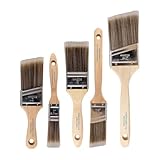
We will review the best brushes for gelcoat later in this article. But before that, take a look at some relevant products on Amazon:


As an Amazon Associate I earn from qualifying purchases.
Prices and availability are accurate as of November 23, 2026 07:42 and are subject to change.
Introduction to Brushes for Gelcoat
Brushes for gelcoat are specialized tools designed to work with gelcoat, a type of resin used to provide a high-gloss finish on surfaces, particularly in the marine and automotive industries. These brushes are typically made with high-quality materials that can withstand the rigors of working with gelcoat, which can be quite unforgiving. The right brush can make all the difference in achieving a smooth, even finish, while the wrong brush can lead to streaks, bubbles, and other imperfections.
When it comes to working with gelcoat, having the right tools is essential. This includes not only the gelcoat itself, but also the brushes used to apply it. The best brushes for gelcoat are those that are specifically designed for this purpose, with features such as synthetic or natural fibers, ergonomic handles, and precision tips. These brushes are designed to provide a smooth, even finish, and to minimize the risk of imperfections.
Gelcoat is a type of resin that is commonly used to provide a high-gloss finish on surfaces such as boats, cars, and other vehicles. It is a popular choice for these applications because it is durable, resistant to scratches and fading, and can be easily repaired. However, working with gelcoat can be challenging, particularly when it comes to applying it to complex or curved surfaces. This is where brushes for gelcoat come in, providing a way to apply the gelcoat smoothly and evenly, even in tight spaces.
In order to achieve the best results when working with gelcoat, it is essential to choose the right brush. This means selecting a brush that is designed specifically for use with gelcoat, and that has the features and qualities needed to provide a smooth, even finish. By choosing the right brush, individuals can ensure that their gelcoat projects turn out looking their best, with a high-gloss finish that is free from imperfections. With the right brush and a bit of practice, anyone can achieve professional-looking results with gelcoat.
5 Best Brushes For Gelcoat
1 – 3M Imperial Hand Glazer Brush 05014
The 3M Imperial Hand Glazer Brush 05014 is a top choice for gelcoat applications due to its high-quality synthetic fibers that provide a smooth, even finish. This brush is designed to work well with a variety of gelcoat products and is suitable for use on small to medium-sized projects. Its compact size and lightweight design make it easy to maneuver and control, allowing for precise application of gelcoat.
One of the standout features of the 3M Imperial Hand Glazer Brush 05014 is its ability to hold a large amount of gelcoat without dripping or running, making it a great choice for projects that require a thick, even coat. Additionally, the brush is easy to clean and maintain, and can be used multiple times without losing its effectiveness. Overall, the 3M Imperial Hand Glazer Brush 05014 is a great choice for anyone looking for a high-quality brush for gelcoat applications.
2 – Purdy Gel Coat Brush 1441524
The Purdy Gel Coat Brush 1441524 is a popular choice among professionals and DIYers alike due to its excellent performance and durability. This brush features high-quality synthetic fibers that are designed to work well with gelcoat products, providing a smooth, even finish. The brush is also designed to be easy to use, with a comfortable handle and a balanced design that makes it easy to maneuver.
One of the key benefits of the Purdy Gel Coat Brush 1441524 is its ability to provide a high-gloss finish, making it a great choice for projects that require a show-quality finish. Additionally, the brush is resistant to wear and tear, and can be used multiple times without losing its effectiveness. The Purdy Gel Coat Brush 1441524 is also easy to clean and maintain, making it a great choice for anyone looking for a low-maintenance brush for gelcoat applications.
3 – Wooster Ultra/Pro Brush 4211-4
The Wooster Ultra/Pro Brush 4211-4 is a high-quality brush designed specifically for use with gelcoat products. This brush features a unique blend of synthetic and natural fibers that provide a smooth, even finish and excellent durability. The brush is also designed to be easy to use, with a comfortable handle and a balanced design that makes it easy to maneuver.
One of the standout features of the Wooster Ultra/Pro Brush 4211-4 is its ability to provide a high-gloss finish, making it a great choice for projects that require a show-quality finish. Additionally, the brush is resistant to wear and tear, and can be used multiple times without losing its effectiveness. The Wooster Ultra/Pro Brush 4211-4 is also easy to clean and maintain, making it a great choice for anyone looking for a low-maintenance brush for gelcoat applications.
4 – Zinsser Gel Coat Brush 00528
The Zinsser Gel Coat Brush 00528 is a great choice for anyone looking for a high-quality brush for gelcoat applications. This brush features high-quality synthetic fibers that provide a smooth, even finish and excellent durability. The brush is also designed to be easy to use, with a comfortable handle and a balanced design that makes it easy to maneuver.
One of the key benefits of the Zinsser Gel Coat Brush 00528 is its ability to provide a high-gloss finish, making it a great choice for projects that require a show-quality finish. Additionally, the brush is resistant to wear and tear, and can be used multiple times without losing its effectiveness. The Zinsser Gel Coat Brush 00528 is also easy to clean and maintain, making it a great choice for anyone looking for a low-maintenance brush for gelcoat applications.
5 – Shur-Line Gel Coat Brush SL-204
The Shur-Line Gel Coat Brush SL-204 is a top choice for gelcoat applications due to its high-quality synthetic fibers that provide a smooth, even finish. This brush is designed to work well with a variety of gelcoat products and is suitable for use on small to medium-sized projects. Its compact size and lightweight design make it easy to maneuver and control, allowing for precise application of gelcoat.
One of the standout features of the Shur-Line Gel Coat Brush SL-204 is its ability to hold a large amount of gelcoat without dripping or running, making it a great choice for projects that require a thick, even coat. Additionally, the brush is easy to clean and maintain, and can be used multiple times without losing its effectiveness. Overall, the Shur-Line Gel Coat Brush SL-204 is a great choice for anyone looking for a high-quality brush for gelcoat applications.
Why People Need to Buy Brushes for Gelcoat
Gelcoat is a type of resin that is commonly used in the manufacturing of fiberglass products, such as boats, cars, and other vehicles. It provides a durable and glossy finish to the surface of these products, making them look attractive and resistant to the elements. However, applying gelcoat can be a challenging task, especially for those who are new to the process. It requires a great deal of skill and patience to apply the gelcoat evenly and smoothly, without any imperfections or defects.
One of the most important tools that is needed to apply gelcoat is a brush. A brush is used to spread the gelcoat evenly over the surface of the product, making sure that it is applied in a smooth and consistent manner. There are many different types of brushes that can be used for this purpose, including foam brushes, bristle brushes, and roller brushes. Each type of brush has its own unique characteristics and advantages, and the choice of brush will depend on the specific needs of the project.
When it comes to choosing the right brush for gelcoat, there are several factors that need to be taken into consideration. The size and shape of the brush will depend on the size and shape of the surface that is being coated, as well as the type of gelcoat that is being used. The brush should be made of a material that is resistant to the chemicals in the gelcoat, and it should be able to withstand the heat and moisture that is involved in the application process. By choosing the best brushes for gelcoat, individuals can ensure that their projects turn out looking professional and polished.
In addition to the type of brush that is used, the quality of the brush is also an important factor to consider. A high-quality brush will be made of durable materials and will be designed to last for a long time. It will also be able to apply the gelcoat smoothly and evenly, without any streaks or imperfections. By investing in a high-quality brush, individuals can ensure that their gelcoat projects turn out looking their best, and that they are able to achieve the professional-looking results that they are seeking. With the right brush and a little bit of practice, anyone can learn to apply gelcoat like a pro.
Types of Brushes For Gelcoat
Brushes for gelcoat come in various types, each designed for specific applications. Natural bristle brushes are a popular choice for applying gelcoat, as they provide a smooth finish and are less likely to leave brush strokes. However, they can be prone to shedding and may not be suitable for use with certain types of gelcoat. Synthetic brushes, on the other hand, are more durable and resistant to shedding, making them a good option for high-volume applications.
When choosing a brush for gelcoat, it’s essential to consider the type of gelcoat being used. Some gelcoats require a specific type of brush to achieve the desired finish. For example, a brush with flexible bristles may be necessary for applying a thick, high-build gelcoat. In contrast, a brush with stiffer bristles may be better suited for applying a thin, low-build gelcoat.
The size and shape of the brush are also important factors to consider. Larger brushes are often used for applying gelcoat to broad surfaces, while smaller brushes are better suited for detail work and applying gelcoat to small, intricate areas. Additionally, brushes with angled or curved heads can be useful for reaching into tight spaces and applying gelcoat to complex shapes.
In addition to natural bristle and synthetic brushes, there are also foam brushes and roller brushes available for applying gelcoat. Foam brushes are often used for applying gelcoat to large, flat surfaces, as they provide a smooth finish and are easy to use. Roller brushes, on the other hand, are designed for applying gelcoat to curved or irregular surfaces and can be used to achieve a high-gloss finish.
Benefits of Using High-Quality Brushes For Gelcoat
Using high-quality brushes for gelcoat can provide several benefits, including a smoother finish, improved durability, and increased efficiency. High-quality brushes are designed to hold a large amount of gelcoat, allowing for fewer coats and faster application times. They are also less likely to leave brush strokes or other imperfections, resulting in a smoother, more even finish.
Another benefit of using high-quality brushes for gelcoat is that they can help to reduce waste and save time. By applying the gelcoat more efficiently, high-quality brushes can help to minimize the amount of gelcoat required, reducing waste and saving money. Additionally, high-quality brushes are often easier to clean and maintain, reducing the time and effort required for upkeep.
High-quality brushes for gelcoat are also designed to be more durable and long-lasting, withstanding the rigors of frequent use and cleaning. This can help to reduce the need for frequent replacement, saving time and money in the long run. Furthermore, high-quality brushes can help to improve the overall quality of the finish, resulting in a more professional-looking and durable surface.
In addition to these benefits, using high-quality brushes for gelcoat can also help to improve safety. By reducing the amount of gelcoat required and minimizing waste, high-quality brushes can help to reduce the risk of exposure to hazardous chemicals. Additionally, high-quality brushes are often designed with safety features, such as ergonomic handles and non-slip grips, to reduce the risk of accidents and injuries.
Common Mistakes to Avoid When Using Brushes For Gelcoat
When using brushes for gelcoat, there are several common mistakes to avoid. One of the most common mistakes is using a brush that is too small or too large for the application. Using a brush that is too small can result in a uneven finish, while using a brush that is too large can lead to waste and inefficiency. It’s essential to choose a brush that is the right size for the job, taking into account the surface area and complexity of the application.
Another common mistake is failing to properly clean and maintain the brush. Gelcoat can be a difficult substance to work with, and failing to clean the brush regularly can result in it becoming clogged and unusable. It’s essential to clean the brush thoroughly after each use, using a solvent or other cleaning solution to remove any excess gelcoat.
Using a brush with the wrong type of bristles is another common mistake. For example, using a brush with natural bristles to apply a high-build gelcoat can result in a uneven finish, as the bristles may become overloaded and shed excessively. Similarly, using a brush with synthetic bristles to apply a low-build gelcoat can result in a finish that is too smooth and lacks texture.
In addition to these mistakes, it’s also essential to avoid using a brush that is damaged or worn out. A damaged or worn-out brush can result in a poor finish, and may even damage the surface being coated. It’s essential to inspect the brush regularly, looking for signs of wear or damage, and replacing it as needed to ensure a high-quality finish.
Tips for Choosing the Right Brush For Gelcoat
When choosing a brush for gelcoat, there are several factors to consider. One of the most important factors is the type of gelcoat being used. Different types of gelcoat require different types of brushes, so it’s essential to choose a brush that is specifically designed for the type of gelcoat being used. For example, a brush with natural bristles may be suitable for applying a low-build gelcoat, while a brush with synthetic bristles may be better suited for applying a high-build gelcoat.
Another factor to consider is the surface being coated. Different surfaces require different types of brushes, so it’s essential to choose a brush that is specifically designed for the surface being coated. For example, a brush with flexible bristles may be suitable for applying gelcoat to a curved or irregular surface, while a brush with stiffer bristles may be better suited for applying gelcoat to a flat surface.
The size and shape of the brush are also important factors to consider. A larger brush may be suitable for applying gelcoat to a broad surface, while a smaller brush may be better suited for detail work and applying gelcoat to small, intricate areas. Additionally, a brush with an angled or curved head may be useful for reaching into tight spaces and applying gelcoat to complex shapes.
In addition to these factors, it’s also essential to consider the quality of the brush. A high-quality brush will be made with durable materials and will be designed to withstand the rigors of frequent use and cleaning. It’s essential to choose a brush from a reputable manufacturer, and to read reviews and ask for recommendations to ensure that the brush is of high quality and suitable for the application.
Buying Guide: Finding the Perfect Brushes for Gelcoat Applications
When it comes to working with gelcoat, having the right tools is essential to achieve a smooth, even finish. One of the most critical tools in any gelcoat application is the brush. With so many options available on the market, it can be overwhelming to choose the right one. In this guide, we will discuss the key factors to consider when selecting brushes for gelcoat, helping you make an informed decision and find the best brushes for gelcoat that meet your specific needs.
Brush Material and Quality
The material and quality of the brush are crucial in determining its performance and durability. A good-quality brush made from the right material can make a significant difference in the application process. Natural bristle brushes, for example, are often preferred for gelcoat applications because they hold a lot of resin and allow for a smooth, even finish. On the other hand, synthetic brushes are more durable and resistant to wear and tear, making them a good option for heavy-duty use.
The quality of the brush also plays a significant role in determining its performance. A high-quality brush with well-constructed bristles and a sturdy ferrule (the metal band that holds the bristles in place) will provide a better finish and last longer than a low-quality brush. When evaluating the quality of a brush, look for features such as tightly packed bristles, a secure ferrule, and a comfortable handle.
Brush Size and Shape
The size and shape of the brush are also important factors to consider. Different brush sizes and shapes are suited for different types of gelcoat applications. For example, smaller brushes (1/4 inch or 6 mm) are ideal for detail work and small areas, while larger brushes (1 inch or 25 mm) are better suited for larger surfaces. The shape of the brush is also important, with flat brushes being used for broad surfaces and round brushes being used for curved or irregular surfaces.
When choosing a brush size and shape, consider the specific requirements of your project. If you’re working on a small, intricate area, a smaller brush with a round shape may be the best option. On the other hand, if you’re working on a large, flat surface, a larger brush with a flat shape may be more suitable. It’s also a good idea to have a variety of brush sizes and shapes on hand to ensure you have the right tool for the job.
Bristle Length and Density
The length and density of the bristles are also critical factors to consider when selecting a brush for gelcoat applications. The length of the bristles will affect the amount of resin the brush can hold, with longer bristles holding more resin. The density of the bristles, on the other hand, will affect the smoothness of the finish, with denser bristles providing a smoother finish.
When evaluating the bristle length and density, consider the specific requirements of your project. If you’re working with a thick, viscous gelcoat, a brush with longer, denser bristles may be the best option. On the other hand, if you’re working with a thin, watery gelcoat, a brush with shorter, less dense bristles may be more suitable. It’s also important to note that the bristle length and density can affect the durability of the brush, with longer, denser bristles being more prone to wear and tear.
Handle Material and Comfort
The material and comfort of the handle are also important factors to consider when selecting a brush for gelcoat applications. A comfortable handle can make a significant difference in the application process, reducing fatigue and improving control. Handles can be made from a variety of materials, including wood, plastic, and fiberglass, each with its own advantages and disadvantages.
When evaluating the handle material and comfort, consider the specific requirements of your project. If you’re working on a long, complex project, a handle with a comfortable grip and a durable material may be the best option. On the other hand, if you’re working on a short, simple project, a handle with a basic grip and a lightweight material may be sufficient. It’s also important to note that the handle material and comfort can affect the overall durability of the brush, with a well-constructed handle providing a longer lifespan.
Price and Value
The price and value of the brush are also important factors to consider when selecting a brush for gelcoat applications. Brushes can range in price from a few dollars to several hundred dollars, depending on the quality, size, and material. When evaluating the price and value, consider the specific requirements of your project and the expected lifespan of the brush.
A high-quality brush may be more expensive upfront, but it can provide a better finish and last longer than a low-quality brush. On the other hand, a low-quality brush may be cheaper upfront, but it can provide a poor finish and require frequent replacement. When considering the price and value, it’s also important to factor in the cost of any additional features, such as a built-in mixing cup or a ergonomic handle.
Brand Reputation and Customer Support
The reputation of the brand and the quality of customer support are also important factors to consider when selecting a brush for gelcoat applications. A reputable brand with a history of producing high-quality brushes can provide peace of mind and assurance that the brush will perform well. Customer support is also critical, with a responsive and knowledgeable support team able to provide guidance and assistance when needed.
When evaluating the brand reputation and customer support, consider the specific requirements of your project and the expected level of support. A reputable brand with a strong customer support team can provide a higher level of assurance and confidence in the brush, while a lesser-known brand with limited customer support may provide a lower level of assurance and confidence. It’s also important to note that the brand reputation and customer support can affect the overall durability and performance of the brush, with a reputable brand providing a longer lifespan and better performance.
Frequently Asked Questions
What is gelcoat and how does it differ from other types of paint?
Gelcoat is a type of resin-based coating used to protect and decorate the surface of fiberglass and other composite materials. It is a popular choice for boat owners and manufacturers due to its durability and resistance to water and sunlight. Gelcoat is applied in a liquid form and then hardens to create a strong, glossy finish. Unlike other types of paint, gelcoat is not just a cosmetic layer, but also provides a protective barrier against the elements.
The unique properties of gelcoat require specialized brushes to apply it smoothly and evenly. Regular paintbrushes may not be able to handle the thick, resin-based formula of gelcoat, which can lead to streaks, bubbles, and other imperfections. Therefore, it is essential to use brushes specifically designed for gelcoat to achieve a professional-looking finish. These brushes typically have synthetic or natural fibers that are resistant to the solvents and resins in gelcoat, allowing for a smooth and even application.
What are the benefits of using a high-quality brush for gelcoat application?
Using a high-quality brush for gelcoat application can make a significant difference in the final result. A good brush will help to create a smooth, even finish with minimal streaks or bubbles. This is especially important for boat owners and manufacturers who want to achieve a professional-looking finish. A high-quality brush will also help to prevent defects and imperfections that can lead to costly repairs or rework. Additionally, a good brush will be easier to clean and maintain, reducing the risk of damage or contamination.
A high-quality brush will also help to ensure that the gelcoat is applied at the correct thickness, which is critical for achieving the desired finish. If the gelcoat is applied too thinly, it may not provide adequate protection or durability. On the other hand, if it is applied too thickly, it can lead to a rough, uneven finish. A good brush will help to apply the gelcoat at the optimal thickness, ensuring a strong and durable finish that will last for years to come. By investing in a high-quality brush, boat owners and manufacturers can achieve a professional-looking finish that will withstand the elements and provide long-lasting protection.
What types of brushes are available for gelcoat application?
There are several types of brushes available for gelcoat application, each with its own unique characteristics and benefits. Natural bristle brushes are a popular choice for gelcoat application due to their ability to hold a large amount of material and create a smooth finish. Synthetic brushes, on the other hand, are more resistant to solvents and resins, making them a good choice for applications where durability is a top priority. Foam brushes are also available and are often used for small, detailed work or for applying gelcoat to complex shapes and surfaces.
The choice of brush will depend on the specific application and the desired finish. For example, a natural bristle brush may be the best choice for applying gelcoat to a large, flat surface, while a synthetic brush may be better suited for applying gelcoat to a complex shape or surface. Foam brushes, on the other hand, are often used for small, detailed work such as applying gelcoat to trim or molding. By choosing the right brush for the job, boat owners and manufacturers can achieve a professional-looking finish that meets their specific needs and requirements.
How do I choose the right brush for my gelcoat application?
Choosing the right brush for gelcoat application can seem overwhelming, especially for those who are new to the process. However, by considering a few key factors, boat owners and manufacturers can select the best brush for their specific needs. First, consider the type of gelcoat being used and the desired finish. Different types of gelcoat may require different types of brushes, so it is essential to choose a brush that is compatible with the specific gelcoat being used.
In addition to considering the type of gelcoat, it is also important to think about the size and shape of the surface being coated. A large, flat surface may require a brush with a wide head and long bristles, while a small, complex shape may require a brush with a narrow head and short bristles. The type of material being coated is also an important consideration, as some brushes may be better suited for certain types of materials. By considering these factors and selecting the right brush for the job, boat owners and manufacturers can achieve a professional-looking finish that meets their specific needs and requirements.
Can I use a regular paintbrush for gelcoat application?
While it may be tempting to use a regular paintbrush for gelcoat application, it is not recommended. Regular paintbrushes are not designed to handle the thick, resin-based formula of gelcoat, which can lead to streaks, bubbles, and other imperfections. Additionally, regular paintbrushes may not be able to withstand the solvents and resins in gelcoat, which can cause the bristles to become damaged or discolored.
Using a regular paintbrush for gelcoat application can also lead to a range of other problems, including uneven coverage, brush marks, and a rough finish. In contrast, brushes specifically designed for gelcoat application are made with materials that can withstand the solvents and resins in gelcoat, and are designed to create a smooth, even finish. By investing in a high-quality brush specifically designed for gelcoat application, boat owners and manufacturers can achieve a professional-looking finish that will last for years to come.
How do I care for and maintain my gelcoat brush?
Proper care and maintenance are essential for extending the life of a gelcoat brush. After each use, the brush should be cleaned thoroughly with a solvent-based cleaner to remove any remaining gelcoat or residue. The brush should then be washed with soap and water to remove any remaining solvent or cleaner. The bristles should be shaped and laid flat to dry, to prevent them from becoming misshapen or damaged.
Regular maintenance is also important for preventing damage and extending the life of the brush. The brush should be stored in a cool, dry place, away from direct sunlight and moisture. The bristles should be inspected regularly for signs of wear or damage, and the brush should be replaced if necessary. By following these simple care and maintenance steps, boat owners and manufacturers can extend the life of their gelcoat brush and ensure that it continues to perform well over time. A well-maintained brush will continue to produce high-quality results, and will be an essential tool for any gelcoat application project.
What are the most common mistakes to avoid when using a gelcoat brush?
There are several common mistakes to avoid when using a gelcoat brush, including using the wrong type of brush, applying too much or too little gelcoat, and failing to clean and maintain the brush properly. Using the wrong type of brush can lead to streaks, bubbles, and other imperfections, while applying too much or too little gelcoat can result in an uneven finish or inadequate protection. Failing to clean and maintain the brush properly can also lead to a range of problems, including brush marks, uneven coverage, and a rough finish.
To avoid these common mistakes, it is essential to choose the right brush for the job, follow the manufacturer’s instructions for application and drying times, and clean and maintain the brush properly. Additionally, it is important to work in a well-ventilated area, away from direct sunlight and moisture, and to use a high-quality gelcoat that is compatible with the brush and the surface being coated. By following these simple tips and avoiding common mistakes, boat owners and manufacturers can achieve a professional-looking finish that will last for years to come. A high-quality gelcoat brush, used properly and with care, will be an essential tool for any gelcoat application project.
Final Words
In conclusion, selecting the right tools for the job is crucial when working with gelcoat, and a high-quality brush is an essential component of achieving a professional finish. The best brushes for gelcoat are designed to provide a smooth, even application, and are typically made from high-quality materials that can withstand the demands of working with this type of coating. By choosing a brush that is specifically designed for use with gelcoat, individuals can ensure that their project turns out looking its best, with a finish that is both durable and visually appealing.
Ultimately, the key to achieving a successful gelcoat application lies in the details, and using the best brushes for gelcoat is an important part of this process. By investing in a high-quality brush and following proper application techniques, individuals can achieve a professional-looking finish that will last for years to come. Whether working on a small project or a large-scale application, the right brush can make all the difference in the final result, and is an investment that is well worth considering for anyone looking to achieve a high-quality gelcoat finish.