Running on concrete can be a challenging and demanding activity for your feet, requiring shoes that provide adequate support, cushioning, and traction to reduce the risk of injury. As a runner, you understand the importance of investing in a good pair of shoes that can keep up with your active lifestyle, but you don’t have to break the bank to get a great pair. With so many options available in the market, finding the right shoes that meet your needs and fit your budget can be a daunting task. Whether you’re a seasoned runner or just starting out, it’s essential to choose shoes that are designed for running on concrete, providing the necessary protection and comfort for your feet.
For runners on a budget, finding the best budget men’s shoes for running on concrete is crucial to ensure a safe and enjoyable running experience. Concrete is a hard and unyielding surface that can be tough on your joints, making it essential to choose shoes with sufficient cushioning and support. A good pair of shoes can make all the difference in your running performance, helping to reduce the impact on your joints and prevent common running injuries such as shin splints and plantar fasciitis. In this article, we’ll review some of the top-rated shoes for running on concrete, highlighting their key features, pros, and cons, to help you make an informed decision and find the perfect pair of shoes that meet your needs and budget.
We will review the best budget men’s shoes for running on concrete later in this article. But before that, take a look at some relevant products on Amazon:
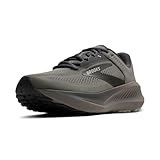


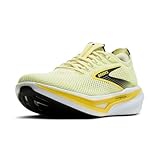
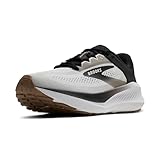
As an Amazon Associate I earn from qualifying purchases.
Prices and availability are accurate as of November 27, 2026 18:24 and are subject to change.
Budget Men’s Shoes for Running on Concrete Overview
When it comes to running on concrete, having the right shoes can make all the difference in terms of comfort, support, and overall performance. Running on concrete can be challenging due to its hard and unyielding surface, which can put excessive stress on the feet and joints. As a result, it is essential to choose shoes that are designed to provide adequate cushioning, support, and traction to help reduce the impact of each step.
Running shoes designed for concrete surfaces typically feature a more substantial heel-to-toe offset, a more cushioned midsole, and a more durable outsole to withstand the abrasive nature of concrete. These features work together to provide a smoother ride, reduce the risk of injury, and enhance overall running efficiency. Additionally, shoes designed for running on concrete often incorporate advanced technologies, such as shock-absorbing materials and supportive arch systems, to further enhance the running experience.
For runners on a budget, finding the best budget men’s shoes for running on concrete can be a daunting task, given the numerous options available in the market. However, by considering factors such as cushioning, support, and durability, runners can narrow down their options and find a pair of shoes that meets their needs without breaking the bank. With the right shoes, runners can enjoy a more comfortable and enjoyable running experience, even on the challenging surface of concrete.
Ultimately, the key to finding the perfect pair of budget men’s shoes for running on concrete is to prioritize features that matter most to individual runners. By doing so, runners can find a pair of shoes that provides the necessary support, cushioning, and traction to tackle the demands of running on concrete, all while staying within their budget. Whether running for fitness, competition, or recreation, the right pair of shoes can make all the difference in achieving a successful and enjoyable running experience.
Top 5 Best Budget Men’S Shoes For Running On Concrete
The
1. ASICS Gel-Contend 5 Running Shoe
is an excellent choice for running on concrete, offering a great balance of cushioning and support. The shoe features a spacious toe box, allowing for a comfortable fit and reducing the risk of blisters. The Gel-Contend 5 also boasts a breathable mesh upper, keeping feet cool and dry during long runs. Additionally, the shoe’s rubber outsole provides excellent traction on concrete surfaces, reducing the risk of slipping and falling.
The
1. ASICS Gel-Contend 5 Running Shoe
is a great option for runners on a budget, offering high-quality performance at an affordable price. The shoe’s cushioning system is designed to absorb the impact of each step, reducing the risk of injury and discomfort. The Gel-Contend 5 is also relatively lightweight, making it easy to wear for extended periods. Overall, the ASICS Gel-Contend 5 is a great choice for runners who need a reliable and affordable shoe for running on concrete.
The
2. Brooks Ghost 13 Running Shoe
is a high-quality running shoe designed for running on concrete and other hard surfaces. The shoe features a DNA LOFT cushioning system, which provides a soft and smooth ride. The Ghost 13 also boasts a Segmented Crash Pad, which helps to smooth out the transition from heel to toe. Additionally, the shoe’s BioMoGo DNA midsole provides customized cushioning and support. The Ghost 13 is also relatively lightweight, making it easy to wear for extended periods.
The
2. Brooks Ghost 13 Running Shoe
is a great option for runners who need a reliable and comfortable shoe for running on concrete. The shoe’s breathable mesh upper keeps feet cool and dry, while the shoe’s rubber outsole provides excellent traction on concrete surfaces. The Ghost 13 is also a great choice for runners who need a shoe with a roomy toe box, as it allows for a comfortable fit and reduces the risk of blisters. Overall, the Brooks Ghost 13 is a great choice for runners who need a high-quality and affordable shoe for running on concrete.
The
3. New Balance Fresh Foam 1080v11 Running Shoe
is a high-quality running shoe designed for running on concrete and other hard surfaces. The shoe features a Fresh Foam midsole, which provides a soft and smooth ride. The 1080v11 also boasts a supportive and breathable upper, keeping feet cool and dry during long runs. Additionally, the shoe’s rubber outsole provides excellent traction on concrete surfaces, reducing the risk of slipping and falling. The 1080v11 is also relatively lightweight, making it easy to wear for extended periods.
The
3. New Balance Fresh Foam 1080v11 Running Shoe
is a great option for runners who need a reliable and comfortable shoe for running on concrete. The shoe’s cushioning system is designed to absorb the impact of each step, reducing the risk of injury and discomfort. The 1080v11 is also a great choice for runners who need a shoe with a roomy toe box, as it allows for a comfortable fit and reduces the risk of blisters. Overall, the New Balance Fresh Foam 1080v11 is a great choice for runners who need a high-quality and affordable shoe for running on concrete.
The
4. Saucony Guide 13 Running Shoe
is a high-quality running shoe designed for running on concrete and other hard surfaces. The shoe features a PWRTRAC technology, which provides a stable and supportive ride. The Guide 13 also boasts a breathable mesh upper, keeping feet cool and dry during long runs. Additionally, the shoe’s rubber outsole provides excellent traction on concrete surfaces, reducing the risk of slipping and falling. The Guide 13 is also relatively lightweight, making it easy to wear for extended periods.
The
4. Saucony Guide 13 Running Shoe
is a great option for runners who need a reliable and comfortable shoe for running on concrete. The shoe’s cushioning system is designed to absorb the impact of each step, reducing the risk of injury and discomfort. The Guide 13 is also a great choice for runners who need a shoe with a roomy toe box, as it allows for a comfortable fit and reduces the risk of blisters. Overall, the Saucony Guide 13 is a great choice for runners who need a high-quality and affordable shoe for running on concrete.
The
5. Under Armour Slingshot 2 Running Shoe
is a high-quality running shoe designed for running on concrete and other hard surfaces. The shoe features a Micro G unit, which provides a soft and smooth ride. The Slingshot 2 also boasts a breathable mesh upper, keeping feet cool and dry during long runs. Additionally, the shoe’s rubber outsole provides excellent traction on concrete surfaces, reducing the risk of slipping and falling. The Slingshot 2 is also relatively lightweight, making it easy to wear for extended periods.
The
5. Under Armour Slingshot 2 Running Shoe
is a great option for runners who need a reliable and comfortable shoe for running on concrete. The shoe’s cushioning system is designed to absorb the impact of each step, reducing the risk of injury and discomfort. The Slingshot 2 is also a great choice for runners who need a shoe with a roomy toe box, as it allows for a comfortable fit and reduces the risk of blisters. Overall, the Under Armour Slingshot 2 is a great choice for runners who need a high-quality and affordable shoe for running on concrete.
Why People Need Budget Men’s Shoes for Running on Concrete
Running on concrete can be harsh on the feet, causing strain and potential injury if proper footwear is not worn. The hardness of concrete does not provide any give or cushioning, which can lead to discomfort and pain in the feet, ankles, and legs. This is why it is essential for runners to invest in shoes that are designed to absorb the impact of each step, providing support and protection for the feet.
Concrete is a much harder surface than trails or grass, which means that the impact of each step is greater. This increased impact can lead to a range of problems, including shin splints, plantar fasciitis, and stress fractures. To mitigate these risks, runners need shoes that are designed to provide extra cushioning and support. This is particularly important for runners who are just starting out, as their feet and legs may not be accustomed to the demands of running on concrete.
In addition to providing protection and support, the right shoes can also improve performance and reduce fatigue. When runners wear shoes that are designed for running on concrete, they are able to run more efficiently and with greater comfort. This can help to boost confidence and motivation, making it more likely that runners will stick to their training program and achieve their goals. Furthermore, the right shoes can also help to prevent injuries, which can be a major setback for runners and prevent them from training for extended periods.
For runners who are on a budget, finding the best budget men’s shoes for running on concrete can be a challenge. However, there are many affordable options available that provide excellent support, cushioning, and protection. By investing in a good pair of shoes, runners can help to ensure that they are able to run safely and comfortably, regardless of their budget. With the right shoes, runners can focus on their training and achieve their goals, without being held back by discomfort or injury.
Key Features to Consider When Buying Budget Men’s Shoes for Running on Concrete
When buying budget men’s shoes for running on concrete, there are several key features to consider. The first feature is the type of sole. A good pair of running shoes should have a sole that provides adequate cushioning and support. This is especially important when running on concrete, as the hard surface can be tough on the joints. Another feature to consider is the material of the shoe. Breathable materials such as mesh are ideal for running shoes, as they allow for airflow and help to keep the feet cool.
In addition to the sole and material, the fit of the shoe is also important. A good pair of running shoes should fit snugly, but not too tightly. This will help to prevent blisters and discomfort while running. The weight of the shoe is also a factor to consider. Lighter shoes can be beneficial for running, as they can help to improve performance and reduce fatigue.
The tread pattern of the shoe is also important, especially when running on concrete. A good tread pattern can provide traction and help to prevent slipping. This is especially important when running on wet or slippery surfaces. Finally, the price of the shoe is also a factor to consider. While it may be tempting to opt for the cheapest option, it’s often worth paying a bit more for a high-quality pair of shoes that will provide adequate support and comfort.
Overall, considering these key features can help to ensure that you find a pair of budget men’s shoes that are suitable for running on concrete. By taking the time to research and compare different options, you can find a pair of shoes that meet your needs and provide the support and comfort you need to perform at your best.
Benefits of Wearing Budget Men’s Shoes for Running on Concrete
Wearing budget men’s shoes for running on concrete can have several benefits. One of the main benefits is improved performance. A good pair of running shoes can help to improve your running technique and reduce your risk of injury. This is especially important when running on concrete, as the hard surface can be tough on the joints.
Another benefit of wearing budget men’s shoes for running on concrete is increased comfort. A good pair of shoes can provide adequate cushioning and support, which can help to reduce discomfort and pain while running. This can be especially beneficial for runners who are just starting out, as it can help to make the experience more enjoyable and increase motivation.
In addition to improved performance and increased comfort, wearing budget men’s shoes for running on concrete can also help to reduce the risk of injury. A good pair of shoes can provide support and stability, which can help to reduce the risk of twisting or straining an ankle. This can be especially beneficial for runners who are prone to injury, as it can help to provide peace of mind and reduce the risk of time off from running.
Overall, wearing budget men’s shoes for running on concrete can have several benefits. By providing improved performance, increased comfort, and reduced risk of injury, a good pair of shoes can help to make the running experience more enjoyable and help you to achieve your goals.
Common Mistakes to Avoid When Buying Budget Men’s Shoes for Running on Concrete
When buying budget men’s shoes for running on concrete, there are several common mistakes to avoid. One of the main mistakes is not trying on the shoes before buying. This can lead to a poor fit, which can cause discomfort and pain while running. Another mistake is not considering the type of running you will be doing. For example, if you will be running on trails, you may need a shoe with more aggressive tread.
Not researching the shoe before buying is also a common mistake. This can lead to buying a shoe that is not suitable for running on concrete, or one that does not provide adequate support and comfort. Finally, not reading reviews from other runners is also a mistake. This can provide valuable insights into the performance and comfort of the shoe, and help you to make a more informed decision.
In addition to these mistakes, not considering the price of the shoe is also a factor to avoid. While it may be tempting to opt for the cheapest option, it’s often worth paying a bit more for a high-quality pair of shoes that will provide adequate support and comfort. By avoiding these common mistakes, you can help to ensure that you find a pair of budget men’s shoes that are suitable for running on concrete.
Overall, avoiding these common mistakes can help to ensure that you find a pair of shoes that meet your needs and provide the support and comfort you need to perform at your best. By taking the time to research and compare different options, you can find a pair of shoes that will help you to achieve your goals and enjoy the running experience.
Tips for Maintaining and Extending the Life of Budget Men’s Shoes for Running on Concrete
To maintain and extend the life of budget men’s shoes for running on concrete, there are several tips to follow. One of the main tips is to clean the shoes regularly. This can help to remove dirt and debris that can cause damage to the shoe. Another tip is to store the shoes in a cool, dry place. This can help to prevent moisture from building up and causing damage to the shoe.
In addition to cleaning and storing the shoes, rotating between multiple pairs can also help to extend their life. This can help to reduce the wear and tear on each pair, and prevent them from becoming worn out too quickly. Finally, avoiding extreme temperatures can also help to extend the life of the shoe. For example, leaving the shoes in a hot car or exposing them to freezing temperatures can cause damage to the materials and reduce their lifespan.
By following these tips, you can help to maintain and extend the life of your budget men’s shoes for running on concrete. This can help to save you money in the long run, and ensure that you always have a pair of shoes that are comfortable and supportive. Additionally, taking care of your shoes can also help to improve their performance and reduce the risk of injury.
Overall, maintaining and extending the life of your budget men’s shoes for running on concrete is an important part of being a runner. By taking the time to clean, store, and rotate your shoes, you can help to ensure that they continue to provide the support and comfort you need to perform at your best.
Best Budget Men’s Shoes for Running on Concrete Buying Guide
When it comes to running on concrete, it’s essential to have the right shoes to provide support, comfort, and protection for your feet. With numerous options available in the market, choosing the perfect pair can be overwhelming, especially for those on a budget. In this guide, we will discuss the key factors to consider when buying shoes for running on concrete, helping you make an informed decision and find the best budget men’s shoes for running on concrete.
Cushioning and Support
Cushioning and support are crucial factors to consider when buying shoes for running on concrete. Concrete is a hard surface that can be unforgiving on the joints, and having adequate cushioning can help reduce the impact on your feet and ankles. Look for shoes with sufficient midsole cushioning, as well as a supportive heel counter to keep your foot in place. A good pair of shoes should also have a comfortable and breathable upper material to prevent blisters and discomfort.
The type of cushioning used in the shoe is also important. Some shoes feature gel or foam cushioning, while others use more advanced technologies such as air or spring-based systems. When trying on shoes, pay attention to how they feel underfoot, and whether they provide sufficient support and cushioning for your feet. Additionally, consider the weight of the shoe, as lighter shoes can be more comfortable for running, but may not provide enough support for heavier runners.
Traction and Grip
Traction and grip are essential for running on concrete, as they can help prevent slipping and falling. Look for shoes with a rubber outsole that provides good traction on various surfaces, including wet and dry concrete. The tread pattern of the shoe is also important, as it can affect the level of grip and traction. A good pair of shoes should have a tread pattern that is designed to provide maximum grip and traction, while also being durable enough to withstand the wear and tear of regular running.
The depth and spacing of the tread lugs are also important factors to consider. Deeper lugs can provide better traction, but may be more prone to wear and tear. On the other hand, shallower lugs may be more durable, but may not provide enough traction. When trying on shoes, pay attention to how they feel on different surfaces, and whether they provide sufficient grip and traction for your running style. Additionally, consider the flexibility of the shoe, as more flexible shoes can be more comfortable for running, but may not provide enough support for runners with flat feet or other foot issues.
Weight and Breathability
The weight and breathability of the shoe are also important factors to consider. Lighter shoes can be more comfortable for running, as they can help reduce fatigue and improve performance. However, lighter shoes may not provide enough support and cushioning for heavier runners or those with foot issues. Breathability is also crucial, as it can help prevent blisters and discomfort. Look for shoes with breathable upper materials, such as mesh or synthetic fabrics, and consider the ventilation system of the shoe.
The ventilation system of the shoe can include features such as perforations, vents, or breathable membranes. These features can help improve airflow and reduce moisture buildup, making the shoe more comfortable to wear. When trying on shoes, pay attention to how they feel in terms of weight and breathability, and whether they provide sufficient ventilation for your running style. Additionally, consider the durability of the shoe, as more durable shoes can be more cost-effective in the long run, but may be heavier or less breathable.
Fit and Sizing
The fit and sizing of the shoe are critical factors to consider. A good pair of shoes should fit comfortably and provide sufficient support and cushioning for your feet. Look for shoes with a comfortable and breathable upper material, and consider the width and depth of the toe box. The heel-to-toe offset of the shoe is also important, as it can affect the level of support and cushioning provided.
When trying on shoes, pay attention to how they feel in terms of fit and sizing, and whether they provide sufficient support and cushioning for your feet. Consider the length and width of the shoe, as well as the height of the heel and the depth of the toe box. Additionally, try on shoes at the end of the day, as feet tend to swell throughout the day, and consider the type of socks you will be wearing with the shoes. This can help ensure a comfortable and supportive fit, and prevent blisters and discomfort.
Style and Design
The style and design of the shoe are also important factors to consider. While function is more important than form, a good pair of shoes should also look and feel good. Consider the color and style of the shoe, as well as the materials used in its construction. Look for shoes with a durable and breathable upper material, and consider the type of closure system used.
The closure system of the shoe can include features such as laces, straps, or elastic materials. These features can help improve the fit and comfort of the shoe, and provide a secure and supportive fit. When trying on shoes, pay attention to how they look and feel, and whether they provide sufficient support and cushioning for your feet. Additionally, consider the brand reputation and customer reviews, as these can provide valuable insights into the quality and performance of the shoe.
Price and Value
The price and value of the shoe are also important factors to consider. While it’s possible to find cheap shoes that are comfortable and supportive, they may not provide the same level of quality and performance as more expensive shoes. Look for shoes that provide good value for the price, and consider the materials used in their construction, as well as the features and technologies included.
When evaluating the price and value of a shoe, consider the cost per mile, as well as the overall cost of ownership. More expensive shoes may be more cost-effective in the long run, as they can provide better performance and durability. Additionally, consider the warranty and customer support offered by the manufacturer, as these can provide valuable protection and peace of mind. By considering these factors, you can find a pair of shoes that provides good value for the price, and meets your needs and preferences as a runner.
Frequently Asked Questions
What are the key features to look for in budget men’s shoes for running on concrete?
When looking for budget men’s shoes for running on concrete, there are several key features to consider. The first feature is a good cushioning system, which helps to absorb the impact of each step and reduce the risk of injury. A supportive and stable midfoot is also essential, as it helps to prevent excessive pronation or supination. Additionally, a breathable and moisture-wicking upper material is important, as it helps to keep the feet cool and dry during runs.
A durable and grippy outsole is also crucial, as it provides traction and prevents slipping on concrete surfaces. Furthermore, a comfortable and secure fit is essential, as it helps to prevent blisters and discomfort during runs. It’s also important to consider the weight of the shoe, as lighter shoes can help to improve running efficiency. By considering these key features, runners can find a pair of budget men’s shoes that meets their needs and provides a comfortable and supportive ride.
How do I choose the right size and fit for my budget men’s running shoes?
Choosing the right size and fit for budget men’s running shoes is crucial to ensure a comfortable and supportive ride. To choose the right size, try on several different sizes and styles to find the one that fits best. It’s also important to consider the width of the shoe, as some runners may have narrower or wider feet than others. Additionally, consider the type of socks you plan to wear with the shoes, as thicker socks may require a larger size.
When trying on shoes, wear the same type of socks you plan to wear during runs and go for a walk or run around the store to ensure the shoes feel comfortable and supportive. It’s also a good idea to try on shoes at the end of the day, as feet tend to swell during the day. By taking the time to try on several different sizes and styles, runners can find a pair of budget men’s shoes that fits comfortably and provides the support and cushioning they need.
What are the benefits of running on concrete in budget men’s shoes?
Running on concrete in budget men’s shoes can have several benefits, including improved running efficiency and increased strength in the feet and legs. Concrete is a hard and unforgiving surface, which can help to strengthen the muscles in the feet and legs. Additionally, running on concrete can help to improve running form and reduce the risk of overuse injuries. Budget men’s shoes can provide the necessary support and cushioning to make running on concrete comfortable and enjoyable.
However, it’s also important to consider the potential risks of running on concrete, including the increased risk of injury and wear and tear on the shoes. Concrete can be tough on the joints, and runners who are new to running on concrete may need to gradually build up their mileage to avoid injury. By choosing a pair of budget men’s shoes that provides adequate support and cushioning, runners can minimize the risks and enjoy the benefits of running on concrete.
Can I use budget men’s shoes for running on concrete for other activities, such as hiking or trail running?
While budget men’s shoes for running on concrete can be versatile and suitable for other activities, they may not be the best choice for hiking or trail running. Concrete shoes are designed specifically for running on hard, flat surfaces, and may not provide the necessary traction or support for hiking or trail running. Additionally, hiking and trail running often require shoes with more aggressive tread and better ankle support, which may not be found in budget men’s shoes for running on concrete.
However, if you plan to use your budget men’s shoes for running on concrete for other activities, such as walking or casual running on trails, they may be suitable. It’s also important to consider the terrain and conditions you will be running in, and choose a shoe that is suitable for those conditions. By choosing a shoe that is designed for the specific activity and terrain, you can ensure a comfortable and supportive ride and minimize the risk of injury.
How often should I replace my budget men’s shoes for running on concrete?
The frequency at which you should replace your budget men’s shoes for running on concrete depends on several factors, including the mileage you put on the shoes and the condition of the shoes. Generally, it’s recommended to replace running shoes every 300-500 miles, or every 3-6 months. However, this can vary depending on the individual runner and the specific shoe.
If you notice that your shoes are showing signs of wear, such as worn-out soles or compressed midsoles, it’s likely time to replace them. Additionally, if you experience discomfort or pain during runs, it may be a sign that your shoes are no longer providing the necessary support and cushioning. By replacing your shoes regularly, you can ensure a comfortable and supportive ride and minimize the risk of injury.
Are budget men’s shoes for running on concrete suitable for runners with flat feet or other foot issues?
Budget men’s shoes for running on concrete can be suitable for runners with flat feet or other foot issues, but it depends on the specific shoe and the individual runner. Runners with flat feet may require shoes with more support and stability, which can be found in some budget men’s shoes for running on concrete. Additionally, runners with other foot issues, such as plantar fasciitis or Achilles tendonitis, may require shoes with specific features, such as rocker soles or heel counters.
When choosing a budget men’s shoe for running on concrete with flat feet or other foot issues, it’s essential to consider the specific features and technologies that can help to alleviate these issues. For example, shoes with more supportive and stable midsoles can help to reduce the risk of overuse injuries in runners with flat feet. By choosing a shoe that is designed to address specific foot issues, runners can find a comfortable and supportive ride and minimize the risk of injury.
Can I find budget men’s shoes for running on concrete that are waterproof or water-resistant?
Yes, there are budget men’s shoes for running on concrete that are waterproof or water-resistant. These shoes often feature waterproof membranes, such as Gore-Tex or eVent, which help to keep the feet dry and comfortable in wet conditions. Additionally, some shoes may feature water-resistant materials, such as nylon or polyester, which can help to repel water and keep the feet dry.
When choosing a waterproof or water-resistant budget men’s shoe for running on concrete, it’s essential to consider the specific features and technologies that provide this functionality. For example, shoes with waterproof membranes may be more breathable and comfortable than shoes with water-resistant materials. By choosing a shoe that is designed to keep the feet dry and comfortable, runners can enjoy running in wet conditions without worrying about blisters or discomfort.
Verdict
In conclusion, finding the right pair of shoes for running on concrete can be a daunting task, especially when considering the numerous options available in the market. However, by prioritizing key features such as cushioning, support, and traction, individuals can make an informed decision that meets their specific needs and preferences. The importance of investing in a high-quality pair of shoes cannot be overstated, as it can significantly impact overall performance, comfort, and safety while running.
Ultimately, the best budget men’s shoes for running on concrete offer a perfect blend of affordability, quality, and performance. By opting for a reputable brand and model that aligns with their running style and goals, individuals can enjoy a comfortable and successful running experience. With the right pair of shoes, runners can tackle even the toughest concrete routes with confidence, making every step count and every run a success. Whether running for fitness, competition, or recreation, a good pair of shoes can make all the difference, and with the right guidance, anyone can find their perfect match.