When it comes to choosing the right paper for your needs, whether it’s for printing, writing, or crafting, the options can be overwhelming. With so many different types and brands available, it can be difficult to know where to start. However, one thing that many people prioritize when making their decision is affordability. Nobody wants to break the bank on a pack of paper, but at the same time, you don’t want to sacrifice quality. This is where the search for the best cheap paper comes in, as you try to find a balance between price and performance.
In this article, we’ll be taking a closer look at some of the top paper options on the market, with a focus on those that offer great value for money. We’ll be considering factors such as the weight and texture of the paper, its durability and resistance to tearing, and its overall performance in a variety of applications. Whether you’re a student looking for a reliable notebook, an office worker seeking a cost-effective printing solution, or a crafty individual searching for a versatile paper for your latest project, we’ve got you covered. By the end of this article, you’ll be equipped with the knowledge you need to make an informed decision and find the perfect paper to suit your needs and budget.
We will review the best cheap paper later in this article. But before that, take a look at some relevant products on Amazon:

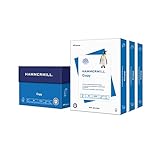


As an Amazon Associate I earn from qualifying purchases.
Prices and availability are accurate as of November 24, 2026 14:16 and are subject to change.
Cheap Paper Overview
Cheap paper is a type of paper that is affordable and budget-friendly, making it accessible to a wide range of consumers. It is often used for everyday purposes such as printing, writing, and crafting. The quality of cheap paper can vary depending on the brand and type, but it is generally suitable for casual use.
Cheap paper is made from wood pulp or recycled fibers, which are processed into a pulp and then formed into sheets. The production process is often simpler and less expensive than that of higher-quality papers, which is reflected in the lower cost. Cheap paper may not have the same level of brightness, smoothness, or durability as more expensive papers, but it can still be a good option for those on a tight budget.
One of the main advantages of cheap paper is its affordability, making it a great option for students, artists, and writers who need to use a lot of paper. It is also a good choice for businesses that require large quantities of paper for printing and copying. When shopping for cheap paper, it’s a good idea to look for the best cheap paper that meets your needs and budget, as some options may be better suited for certain tasks than others.
In general, cheap paper is a versatile and practical option for a variety of uses. It can be used for printing documents, making crafts, and even as a base for artwork. While it may not be the most durable or high-quality paper available, it can still provide good results and is a great option for those who are looking for a budget-friendly solution. With so many options available, it’s easy to find cheap paper that suits your needs and budget.
Best Cheap Paper – Reviewed
1. Hammermill Paper
Hammermill paper is a great option for those on a budget. It is affordable and offers good quality for the price. The paper is smooth and has a nice finish, making it suitable for printing and writing. It is also acid-free, which means it will not yellow or degrade over time. This makes it a great choice for documents that need to be preserved for a long time.
The paper is available in a variety of sizes and weights, making it versatile and suitable for different uses. It is also compatible with most printers and copiers, making it a convenient option. Overall, Hammermill paper is a great value for the price and is a good choice for those who need a reliable and affordable paper for everyday use. It is widely available in stores and online, making it easy to find and purchase.
2. Georgia-Pacific Paper
Georgia-Pacific paper is another affordable option that offers good quality. It is made from recycled materials, making it a great choice for those who are environmentally conscious. The paper is also acid-free and has a smooth finish, making it suitable for printing and writing. It is available in a variety of sizes and weights, making it versatile and suitable for different uses.
The paper is compatible with most printers and copiers, making it a convenient option. It is also affordable and widely available, making it a great choice for those who need a reliable and affordable paper for everyday use. Overall, Georgia-Pacific paper is a great value for the price and is a good choice for those who need a paper that is both affordable and environmentally friendly. It is a great option for schools, offices, and homes.
3. Wausau Paper
Wausau paper is a high-quality paper that is affordable and versatile. It is made from recycled materials and is acid-free, making it a great choice for those who are environmentally conscious. The paper has a smooth finish and is suitable for printing and writing. It is available in a variety of sizes and weights, making it suitable for different uses.
The paper is compatible with most printers and copiers, making it a convenient option. It is also affordable and widely available, making it a great choice for those who need a reliable and affordable paper for everyday use. Overall, Wausau paper is a great value for the price and is a good choice for those who need a paper that is both affordable and high-quality. It is a great option for schools, offices, and homes.
4. Mohawk Paper
Mohawk paper is a high-quality paper that is affordable and versatile. It is made from recycled materials and is acid-free, making it a great choice for those who are environmentally conscious. The paper has a smooth finish and is suitable for printing and writing. It is available in a variety of sizes and weights, making it suitable for different uses.
The paper is compatible with most printers and copiers, making it a convenient option. It is also affordable and widely available, making it a great choice for those who need a reliable and affordable paper for everyday use. Overall, Mohawk paper is a great value for the price and is a good choice for those who need a paper that is both affordable and high-quality. It is a great option for schools, offices, and homes.
5. Boise Paper
Boise paper is a great option for those on a budget. It is affordable and offers good quality for the price. The paper is smooth and has a nice finish, making it suitable for printing and writing. It is also acid-free, which means it will not yellow or degrade over time. This makes it a great choice for documents that need to be preserved for a long time.
The paper is available in a variety of sizes and weights, making it versatile and suitable for different uses. It is also compatible with most printers and copiers, making it a convenient option. Overall, Boise paper is a great value for the price and is a good choice for those who need a reliable and affordable paper for everyday use. It is widely available in stores and online, making it easy to find and purchase.
Why People Need to Buy Cheap Paper
The need to buy cheap paper arises from various circumstances, including budget constraints and bulk requirements. Many individuals and businesses require large quantities of paper for printing, writing, and other purposes. In such cases, opting for expensive paper can be financially burdensome. As a result, people seek affordable alternatives that can fulfill their needs without breaking the bank.
In addition to budget constraints, the demand for cheap paper is also driven by the increasing awareness of environmental sustainability. Many consumers prefer to buy products that are eco-friendly and sustainable. Cheap paper, particularly if it is made from recycled materials, can be an attractive option for those who prioritize environmental responsibility. Furthermore, the production of affordable paper often involves more efficient manufacturing processes, which can lead to reduced waste and lower carbon emissions.
The search for affordable paper solutions has led to the development of various products that cater to different needs and preferences. From printing paper and writing paper to packaging paper and specialty paper, the options are diverse and widespread. Consumers can choose from a range of products that balance quality and price, ensuring that they get the best value for their money. For those looking for an affordable and reliable option, the best cheap paper can be a game-changer, providing a cost-effective solution without compromising on performance.
The benefits of buying cheap paper extend beyond individual consumers to businesses and organizations as well. Companies that require large quantities of paper for their operations can significantly reduce their costs by opting for affordable alternatives. This, in turn, can lead to increased profitability and competitiveness in the market. Moreover, the availability of cheap paper can also foster innovation and creativity, as individuals and businesses are more likely to experiment with new ideas and projects when the costs are lower. As a result, the demand for affordable paper is likely to continue, driving growth and development in the industry.
Types of Cheap Paper
Cheap paper can be categorized into different types based on its intended use, texture, and composition. One of the most common types of cheap paper is printing paper, which is widely used for everyday printing needs. This type of paper is usually made from wood pulp and is available in various sizes, including A4, letter, and legal. Printing paper is a cost-effective option for individuals and businesses that require large quantities of paper for printing documents, reports, and other materials.
In addition to printing paper, there are other types of cheap paper available, such as notebook paper, copier paper, and construction paper. Notebook paper is designed for writing and is usually lined or grid-ruled to help guide the user’s handwriting. Copier paper is similar to printing paper but is specifically designed for use in photocopiers. Construction paper, on the other hand, is a type of paper that is used for arts and crafts projects and is available in a variety of colors and textures.
The quality of cheap paper can vary depending on the manufacturer and the specific product. Some cheap papers may be thinner and more prone to tearing, while others may be thicker and more durable. When choosing a cheap paper, it’s essential to consider the intended use and the level of quality required. For example, if the paper will be used for printing important documents, it’s best to choose a higher-quality paper that will produce clear and crisp prints.
Overall, the type of cheap paper chosen will depend on the specific needs and requirements of the user. By considering the intended use, texture, and composition of the paper, individuals and businesses can select the most suitable option for their needs. Whether it’s printing paper, notebook paper, or construction paper, there are many affordable options available that can provide good quality and value for money.
Benefits of Using Cheap Paper
Using cheap paper can have several benefits, including cost savings, environmental benefits, and increased productivity. One of the most significant advantages of using cheap paper is the cost savings it offers. Cheap paper is generally less expensive than high-quality paper, making it an attractive option for individuals and businesses that require large quantities of paper. By using cheap paper, users can reduce their paper costs and allocate the savings to other areas of their budget.
In addition to cost savings, using cheap paper can also have environmental benefits. Many cheap papers are made from recycled materials, which can help reduce waste and conserve natural resources. Furthermore, using cheap paper can reduce the demand for high-quality paper, which is often made from virgin wood pulp. By choosing cheap paper, users can help reduce their carbon footprint and contribute to a more sustainable future.
Another benefit of using cheap paper is increased productivity. With the cost savings offered by cheap paper, individuals and businesses can afford to use more paper for their printing and writing needs. This can lead to increased productivity, as users are not limited by the high cost of paper. Additionally, cheap paper can be used for a variety of purposes, such as printing drafts, making notes, and creating prototypes, which can help streamline workflows and improve overall efficiency.
Overall, using cheap paper can have a significant impact on an individual’s or business’s bottom line. By reducing paper costs, contributing to a more sustainable future, and increasing productivity, cheap paper can be a valuable resource for anyone looking to save money and improve their overall operations. Whether it’s for personal or professional use, cheap paper is a viable option that can provide numerous benefits and advantages.
Factors to Consider When Buying Cheap Paper
When buying cheap paper, there are several factors to consider to ensure that you get the best value for your money. One of the most important factors is the paper’s weight, which is measured in grams per square meter (gsm). The weight of the paper will affect its durability and quality, with heavier papers being more resistant to tearing and lighter papers being more prone to damage. Another factor to consider is the paper’s brightness, which is measured in percentage. Brighter papers will produce clearer and more vibrant prints, while duller papers may produce less impressive results.
In addition to weight and brightness, the paper’s texture and finish are also important factors to consider. Some cheap papers may have a smooth finish, while others may have a textured or embossed finish. The texture and finish of the paper will affect its appearance and usability, with smooth papers being better suited for printing and textured papers being better suited for arts and crafts projects. The paper’s size and quantity are also important factors to consider, as they will affect the overall cost and value of the paper.
The brand and manufacturer of the paper are also important factors to consider when buying cheap paper. Some brands may offer higher-quality papers at a lower price point, while others may offer lower-quality papers at a higher price point. It’s essential to research the manufacturer and read reviews from other customers to ensure that you’re getting a good quality paper at a fair price. Additionally, the paper’s certifications, such as ISO or FSC, can provide assurance that the paper meets certain standards for quality and sustainability.
Overall, considering these factors can help you make an informed decision when buying cheap paper. By evaluating the paper’s weight, brightness, texture, finish, size, quantity, brand, and certifications, you can choose a paper that meets your needs and provides good value for your money. Whether you’re looking for printing paper, notebook paper, or construction paper, there are many affordable options available that can provide good quality and performance.
Common Uses of Cheap Paper
Cheap paper has a variety of uses, ranging from printing and writing to arts and crafts projects. One of the most common uses of cheap paper is printing, whether it’s for personal or professional purposes. Cheap paper can be used for printing documents, reports, and other materials, and is often used in offices, schools, and homes. Another common use of cheap paper is writing, whether it’s for note-taking, journaling, or correspondence. Cheap paper can be used for writing with pens, pencils, or markers, and is often used in notebooks, journals, and diaries.
In addition to printing and writing, cheap paper can also be used for arts and crafts projects. Construction paper, for example, is a type of cheap paper that is specifically designed for arts and crafts projects. It is available in a variety of colors and textures and can be used for making cards, gift tags, and other craft projects. Cheap paper can also be used for making prototypes, models, and other creative projects. Its low cost and versatility make it an ideal material for experimentation and innovation.
Cheap paper can also be used for educational purposes, such as making worksheets, quizzes, and other teaching materials. It can also be used for making posters, flyers, and other promotional materials. Additionally, cheap paper can be used for packaging and shipping, such as making boxes, envelopes, and other packaging materials. Its low cost and durability make it an ideal material for a variety of applications.
Overall, cheap paper is a versatile material that can be used for a wide range of purposes. Its low cost, durability, and versatility make it an ideal choice for individuals and businesses looking for a cost-effective solution for their printing, writing, and crafting needs. Whether it’s for personal or professional use, cheap paper is a valuable resource that can provide numerous benefits and advantages.
Ultimate Buying Guide for Affordable Printing Solutions
When it comes to printing, writing, or crafting, having the right paper can make all the difference. With so many options available in the market, it can be overwhelming to choose the perfect one, especially when on a budget. In this guide, we will explore the key factors to consider when looking for the best cheap paper that meets your needs without breaking the bank.
Quality of the Paper
The quality of the paper is one of the most important factors to consider when making a purchase. Look for papers that are made from high-quality materials and have a smooth finish. A good quality paper will ensure that your prints come out clear and vibrant, and will also prevent any jams or misfeeds in your printer. The quality of the paper can also affect the overall durability of your prints, so it’s essential to choose a paper that can withstand the test of time.
The quality of the paper can vary greatly depending on the brand and type of paper you choose. Some papers may be more prone to tearing or bleeding, while others may be more resistant to these issues. Be sure to read reviews and check the specifications of the paper before making a purchase to ensure that you’re getting a high-quality product. Additionally, consider the weight and thickness of the paper, as these can also affect the overall quality and performance of the paper.
Weight and Thickness
The weight and thickness of the paper are also crucial factors to consider when making a purchase. The weight of the paper is usually measured in grams per square meter (gsm), and can range from around 50gsm to over 300gsm. The thickness of the paper can also vary, with some papers being more suitable for printing and others being better suited for writing or crafting. A heavier paper will generally be more durable and less prone to tearing, while a lighter paper may be more suitable for everyday printing.
The weight and thickness of the paper can also affect the overall cost of the product. Generally, heavier papers are more expensive than lighter ones, so it’s essential to consider your budget and needs before making a purchase. If you’re looking for a paper for everyday printing, a lighter weight paper may be sufficient, but if you’re looking for a paper for more heavy-duty use, a heavier weight paper may be more suitable. Be sure to check the specifications of the paper to ensure that it meets your needs and budget.
Size and Format
The size and format of the paper are also important factors to consider when making a purchase. Papers come in a variety of sizes, from standard A4 and letter sizes to larger formats such as A3 and tabloid. The size of the paper you need will depend on the intended use, so be sure to consider your needs before making a purchase. Additionally, consider the format of the paper, such as whether it is cut to size or comes in a roll.
The size and format of the paper can also affect the overall cost of the product. Larger papers are generally more expensive than smaller ones, so it’s essential to consider your budget and needs before making a purchase. If you’re looking for a paper for printing documents, a standard A4 or letter size may be sufficient, but if you’re looking for a paper for more specialized use, such as poster printing, a larger format may be more suitable. Be sure to check the specifications of the paper to ensure that it meets your needs and budget.
Brand and Reputation
The brand and reputation of the paper are also important factors to consider when making a purchase. Look for brands that have a good reputation for producing high-quality papers, and read reviews from other customers to get an idea of the paper’s performance. A good brand will stand behind their product and offer a guarantee or warranty, so be sure to look for these when making a purchase.
The brand and reputation of the paper can also affect the overall cost of the product. Generally, papers from well-known brands are more expensive than those from lesser-known brands, so it’s essential to consider your budget and needs before making a purchase. However, be wary of very cheap papers from unknown brands, as these may be of lower quality and not perform as well as expected. Look for brands that offer a balance of quality and price, and be sure to read reviews and check the specifications of the paper before making a purchase.
Environmental Impact
The environmental impact of the paper is also an important factor to consider when making a purchase. Look for papers that are made from sustainable materials and have a low environmental impact. Many papers are now made from recycled materials, and some brands offer papers that are certified as sustainable by organizations such as the Forest Stewardship Council (FSC). Consider the environmental impact of the paper and choose a product that aligns with your values.
The environmental impact of the paper can also affect the overall cost of the product. Generally, papers made from sustainable materials are more expensive than those made from non-sustainable materials, so it’s essential to consider your budget and needs before making a purchase. However, many people are willing to pay a premium for papers that are environmentally friendly, so be sure to consider this when making a purchase. Look for brands that prioritize sustainability and offer papers that are certified as environmentally friendly, and be sure to read reviews and check the specifications of the paper before making a purchase.
Price and Value
The price and value of the paper are also important factors to consider when making a purchase. Look for papers that offer a good balance of quality and price, and consider the overall value of the product. The best cheap paper will offer a good balance of quality and price, and will provide a good value for the cost. Be sure to compare prices and consider the specifications of the paper before making a purchase, and look for brands that offer a good warranty or guarantee.
The price and value of the paper can vary greatly depending on the brand and type of paper you choose. Some papers may be more expensive than others, but offer better quality and performance. Consider the intended use of the paper and the overall cost of the product, and choose a paper that meets your needs and budget. Be sure to read reviews and check the specifications of the paper before making a purchase, and look for brands that offer a good balance of quality and price. Additionally, consider the quantity of the paper and whether it is available in bulk, as this can also affect the overall cost and value of the product.
Frequently Asked Questions
What is the best cheap paper for printing?
The best cheap paper for printing depends on several factors, including the type of printer you have, the intended use of the printed material, and your personal preferences. If you’re looking for a versatile and affordable option, consider a multipurpose paper that can handle a variety of printing tasks, from everyday documents to photos and crafts. Look for paper with a brightness rating of at least 92 and a weight of around 20-24 pounds for optimal printing results.
When shopping for cheap paper, it’s essential to balance quality and price. While extremely cheap paper may seem like a good deal, it can often result in poor printing quality, jammed printers, and wasted ink or toner. Instead, look for paper from reputable manufacturers that offer a good balance of quality and affordability. Some popular brands include Hammermill, Georgia-Pacific, and Weyerhaeuser. By choosing a high-quality, affordable paper, you can enjoy excellent printing results without breaking the bank.
What is the difference between recycled and virgin paper?
Recycled paper is made from post-consumer waste, such as old newspapers, cardboard, and other paper products, which are collected, sorted, and processed into new paper. Virgin paper, on the other hand, is made from wood pulp that has not been previously used. Recycled paper is generally considered a more environmentally friendly option, as it reduces the demand on natural resources, decreases waste, and conserves energy. However, it may have a higher acidity level and a slightly lower brightness rating than virgin paper.
When deciding between recycled and virgin paper, consider your priorities and needs. If you’re looking for a more sustainable option and don’t mind a slightly lower quality, recycled paper may be the better choice. However, if you need high-quality paper with optimal brightness and durability, virgin paper may be the better option. It’s also worth noting that some papers are made from a combination of recycled and virgin fibers, offering a compromise between environmental concerns and printing quality.
How do I choose the right paper weight for my needs?
Paper weight is measured in pounds (lb) or grams per square meter (gsm), and it refers to the density and thickness of the paper. The weight of the paper you need depends on the intended use of the printed material. For everyday printing, such as documents and emails, a standard weight of 20-24 lb is usually sufficient. However, for more demanding applications, such as photos, cards, or crafts, you may need a heavier paper with a weight of 32-50 lb or more.
When selecting a paper weight, consider the type of printer you have and the type of printing you’ll be doing. If you have an inkjet printer, you may need a heavier paper to prevent ink bleeding and feathering. If you have a laser printer, a standard weight paper may be sufficient. It’s also essential to check the manufacturer’s recommendations for paper weight, as using paper that’s too heavy or too light can affect printing quality and potentially damage your printer.
Can I use any type of paper in my printer?
No, not all types of paper are compatible with all printers. Different printers have specific requirements for paper weight, size, and type, and using the wrong paper can lead to poor printing quality, jammed printers, or even damage to the printer. Always check your printer’s manual or manufacturer’s website to find out what types of paper are recommended for your specific printer. Some printers may require special paper, such as photo paper or cardstock, for certain types of printing.
Using the wrong paper can also void your printer’s warranty, so it’s crucial to choose paper that meets the manufacturer’s specifications. If you’re unsure about what type of paper to use, look for paper that is specifically designed for your type of printer, such as inkjet or laser. You can also check the paper’s packaging or manufacturer’s website for compatibility information. By using the right paper for your printer, you can ensure optimal printing results and prolong the life of your printer.
Is it worth buying paper in bulk?
Buying paper in bulk can be a cost-effective option, especially if you print frequently or in large quantities. Bulk paper is often cheaper per sheet than smaller packages, and it can help you save money in the long run. However, before buying paper in bulk, consider your storage space and how quickly you’ll use the paper. If you don’t have enough space to store large quantities of paper, or if you won’t use it before it becomes outdated or damaged, buying in bulk may not be the best option.
When buying paper in bulk, look for reputable manufacturers that offer high-quality paper at competitive prices. You can also check online marketplaces or office supply stores for bulk paper deals. Additionally, consider the environmental impact of buying paper in bulk, as it may result in more packaging waste and transportation emissions. If you do decide to buy paper in bulk, make sure to store it properly in a dry, cool place to maintain its quality and prevent damage.
How do I store paper to keep it fresh and prevent damage?
To keep paper fresh and prevent damage, store it in a dry, cool place away from direct sunlight and moisture. Avoid storing paper in basements, attics, or other areas prone to humidity or temperature fluctuations. Instead, choose a well-ventilated area with a consistent temperature between 60-70°F (15-21°C). You should also keep paper away from chemicals, cleaning supplies, and other substances that may emit fumes or particles.
When storing paper, consider using a paper storage box or file cabinet to keep it organized and protected. You can also use acid-free paper bags or wrappers to prevent moisture and dust from damaging the paper. If you’re storing large quantities of paper, consider using a shelving unit or storage rack to keep it off the floor and away from walls. By storing paper properly, you can maintain its quality, prevent damage, and ensure it remains usable for a longer period. Regularly inspect your stored paper for signs of damage, such as yellowing, brittleness, or mold, and replace it as needed.
Can I recycle my old paper and cardboard?
Yes, most types of paper and cardboard can be recycled, including printing paper, cardboard boxes, and paper products like cereal boxes and tissue rolls. Recycling paper and cardboard helps conserve natural resources, reduces waste, and decreases the environmental impact of paper production. To recycle your old paper and cardboard, check with your local recycling program to see what types of paper are accepted and how to prepare them for recycling.
When recycling paper and cardboard, make sure to remove any contaminants, such as plastic, staples, or tape, and flatten cardboard boxes to save space. You can also participate in community recycling programs or drop off your recyclables at a local recycling center. Additionally, consider reusing old paper and cardboard for crafts, packaging, or other creative projects. By recycling and reusing paper and cardboard, you can reduce your environmental footprint and contribute to a more sustainable future. Always check the recycling guidelines in your area, as they may vary depending on the local recycling facilities and programs.
Conclusion
In today’s fast-paced world, finding the right materials for our daily needs can be a daunting task, especially when it comes to something as essential as paper. With numerous options available in the market, it can be overwhelming to decide which one to choose, considering factors such as quality, durability, and most importantly, budget. However, by doing thorough research and reading reviews, one can make an informed decision that meets their requirements without breaking the bank.
Ultimately, the key to finding the perfect paper lies in striking a balance between quality and affordability. By opting for the best cheap paper, individuals can ensure that they are getting a high-quality product that meets their needs without compromising on their budget. Whether it’s for printing, writing, or crafting, the right paper can make all the difference in the outcome of a project. By considering the factors mentioned in this article and doing thorough research, one can find the ideal paper that suits their needs, making it easier to create, express, and communicate effectively.