Having a lush and vibrant lawn can greatly enhance the beauty and value of your home, and it all starts with the right foundation. A well-manicured lawn not only provides a sense of pride and satisfaction, but it also creates a welcoming outdoor space for relaxation and entertainment. However, achieving the perfect lawn can be a daunting task, especially when it comes to selecting the right type of grass. With so many options available, it can be overwhelming to determine which type of grass will thrive in your specific climate and soil conditions.
Whether you’re looking to establish a new lawn or overseed an existing one, choosing the best grass seed is crucial to achieving a healthy and resilient lawn. Different types of grass are suited for different regions, climates, and levels of maintenance, so it’s essential to consider these factors when making your selection. In this article, we’ll provide you with a comprehensive guide to help you navigate the world of grass seed and make an informed decision. We’ll cover the key factors to consider, the different types of grass available, and our top recommendations for achieving a beautiful and thriving lawn that will be the envy of the neighborhood.
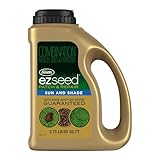
We will review the best grass seed later in this article. But before that, take a look at some relevant products on Amazon:



As an Amazon Associate I earn from qualifying purchases.
Prices and availability are accurate as of November 28, 2026 08:24 and are subject to change.
Introduction to Grass Seed
Grass seed is a type of plant seed that is used to grow grass, which is a vital part of any lawn or landscape. It is available in various types, each with its unique characteristics, advantages, and disadvantages. The choice of grass seed depends on several factors, including the climate, soil type, and intended use of the lawn.
Grass seed is an essential component of lawn care, as it provides the foundation for a healthy and lush lawn. With so many types of grass seed available, it can be overwhelming to choose the right one. However, by understanding the different types of grass seed and their characteristics, individuals can make informed decisions and select the best option for their specific needs.
When it comes to selecting the best grass seed, there are several factors to consider. These include the climate, soil type, and amount of sunlight the lawn receives. Additionally, individuals should consider the level of maintenance they are willing to perform, as some types of grass seed require more care than others. By taking these factors into account, individuals can choose the best grass seed for their lawn and enjoy a beautiful and healthy outdoor space.
In order to achieve a lush and vibrant lawn, it is crucial to choose the right type of grass seed. The best grass seed will provide a dense and even coverage, while also being resistant to diseases and pests. By selecting a high-quality grass seed and following proper planting and maintenance procedures, individuals can enjoy a beautiful and thriving lawn that will provide years of enjoyment and relaxation.
The Best Grass Seed
1. Scotts Turf Builder Grass Seed
Scotts Turf Builder Grass Seed is a top-rated product that has been a favorite among homeowners and landscapers for years. It is known for its ability to grow thick, green grass in a variety of conditions, including full sun, partial shade, and even in areas with poor soil quality. The seed is also resistant to disease and pests, making it a great choice for those who want a low-maintenance lawn.
One of the best things about Scotts Turf Builder Grass Seed is its fast germination rate, with most users seeing results within 7-10 days. The seed is also relatively inexpensive compared to other high-quality grass seeds on the market, making it a great value for the price. Overall, Scotts Turf Builder Grass Seed is a great choice for anyone looking to establish a new lawn or repair existing bare spots, and its reputation for quality and reliability makes it a top pick among grass seed products.
2. Pennington Smart Seed Grass Seed
Pennington Smart Seed Grass Seed is a popular choice among homeowners who want a drought-tolerant and low-maintenance lawn. This seed is specifically designed to thrive in areas with limited water availability, making it a great choice for those who live in areas with water restrictions or who want to reduce their water consumption. The seed is also resistant to disease and pests, and it grows into a thick, green lawn that requires less mowing and fertilization.
One of the unique features of Pennington Smart Seed Grass Seed is its ability to survive with minimal watering, making it a great choice for those who want to reduce their environmental impact. The seed is also relatively easy to establish, with most users seeing results within 10-14 days. Overall, Pennington Smart Seed Grass Seed is a great choice for anyone who wants a low-maintenance and drought-tolerant lawn, and its reputation for quality and reliability makes it a top pick among grass seed products.
3. Jonathan Green Black Beauty Grass Seed
Jonathan Green Black Beauty Grass Seed is a high-quality product that is known for its ability to grow a thick, dark green lawn in a variety of conditions. The seed is specifically designed to thrive in areas with full sun to partial shade, and it is resistant to disease and pests. The seed is also relatively easy to establish, with most users seeing results within 10-14 days.
One of the best things about Jonathan Green Black Beauty Grass Seed is its ability to grow a dense, weed-free lawn that requires less mowing and fertilization. The seed is also relatively inexpensive compared to other high-quality grass seeds on the market, making it a great value for the price. Overall, Jonathan Green Black Beauty Grass Seed is a great choice for anyone who wants a high-quality lawn without breaking the bank, and its reputation for quality and reliability makes it a top pick among grass seed products.
4. Kentucky 31 Tall Fescue Grass Seed
Kentucky 31 Tall Fescue Grass Seed is a popular choice among homeowners who want a durable and low-maintenance lawn. This seed is specifically designed to thrive in areas with full sun to partial shade, and it is resistant to disease and pests. The seed is also relatively easy to establish, with most users seeing results within 10-14 days.
One of the unique features of Kentucky 31 Tall Fescue Grass Seed is its ability to grow a deep root system, making it more resistant to drought and other environmental stresses. The seed is also relatively inexpensive compared to other high-quality grass seeds on the market, making it a great value for the price. Overall, Kentucky 31 Tall Fescue Grass Seed is a great choice for anyone who wants a durable and low-maintenance lawn, and its reputation for quality and reliability makes it a top pick among grass seed products.
5. Rebel Jr. Grass Seed
Rebel Jr. Grass Seed is a high-quality product that is known for its ability to grow a thick, green lawn in a variety of conditions. The seed is specifically designed to thrive in areas with full sun to partial shade, and it is resistant to disease and pests. The seed is also relatively easy to establish, with most users seeing results within 7-10 days.
One of the best things about Rebel Jr. Grass Seed is its ability to grow a dense, weed-free lawn that requires less mowing and fertilization. The seed is also relatively inexpensive compared to other high-quality grass seeds on the market, making it a great value for the price. Overall, Rebel Jr. Grass Seed is a great choice for anyone who wants a high-quality lawn without breaking the bank, and its reputation for quality and reliability makes it a top pick among grass seed products.
Why People Need to Buy Grass Seed
Maintaining a lush and healthy lawn is essential for homeowners who take pride in their outdoor space. Over time, lawns can become worn out and damaged due to various factors such as heavy foot traffic, pests, and harsh weather conditions. When this happens, it can be challenging to restore the lawn to its former glory without the right tools and materials. One of the most effective ways to revive a damaged lawn is by overseeding it with new grass seed.
Grass seed is a crucial component in lawn care, as it provides the necessary ingredients for growing new grass. Without it, lawns can become barren and uninviting. Moreover, grass seed helps to fill in bare spots and thicken the turf, making it more resistant to disease and pests. When choosing the right type of grass seed, it’s essential to consider factors such as climate, soil type, and intended use. For instance, some grass seeds are designed for shade, while others are better suited for full sun.
In addition to reviving damaged lawns, grass seed is also necessary for establishing new lawns from scratch. When building a new home or renovating an existing one, it’s often necessary to install a new lawn. This requires a significant amount of grass seed, as well as other materials such as soil and fertilizer. By investing in the best grass seed, homeowners can ensure that their new lawn gets off to a strong start and remains healthy and vibrant for years to come.
Regular lawn maintenance is also an important aspect of keeping a lawn looking its best. This includes mowing, watering, and fertilizing the lawn on a regular basis. However, even with proper maintenance, lawns can still become damaged or worn out over time. When this happens, it’s often necessary to reseed the lawn to restore its health and appearance. By keeping a supply of grass seed on hand, homeowners can quickly respond to any damage or wear and tear, ensuring that their lawn remains lush and inviting all year round.
Types of Grass Seed
When it comes to choosing the best grass seed, it’s essential to consider the different types available. Cool-season grasses, such as Kentucky bluegrass and perennial ryegrass, thrive in cooler temperatures and are commonly found in northern regions. Warm-season grasses, such as Bermudagrass and zoysiagrass, prefer warmer temperatures and are often found in southern regions. Understanding the climate and region you’re in can help you choose the most suitable type of grass seed.
In addition to cool-season and warm-season grasses, there are also transition zone grasses that can tolerate a wide range of temperatures. These grasses are ideal for areas that experience both hot and cold temperatures throughout the year. Some popular transition zone grasses include tall fescue and buffalograss. It’s crucial to choose a grass seed that’s suitable for your region to ensure optimal growth and health.
The type of grass seed you choose will also depend on the intended use of the lawn. For example, if you’re looking for a low-maintenance lawn, you may want to consider a drought-tolerant grass seed. On the other hand, if you’re looking for a lawn that can withstand heavy foot traffic, you may want to consider a more durable grass seed. Considering the intended use of the lawn can help you narrow down your options and choose the best grass seed for your needs.
Ultimately, the type of grass seed you choose will have a significant impact on the health and appearance of your lawn. By considering factors such as climate, region, and intended use, you can choose a grass seed that’s well-suited for your needs. With so many options available, it’s essential to do your research and choose a high-quality grass seed that will provide you with a lush, green lawn for years to come.
Grass Seed Mixtures and Blends
Grass seed mixtures and blends are designed to provide a diverse range of grass species that can thrive in different conditions. These mixtures and blends can offer several benefits, including improved disease resistance, increased drought tolerance, and enhanced aesthetic appeal. By combining different grass species, you can create a lawn that’s more resilient and better equipped to handle various environmental challenges.
One of the primary advantages of grass seed mixtures and blends is their ability to adapt to changing conditions. For example, a mixture that includes both cool-season and warm-season grasses can provide a lawn that remains healthy and green throughout the year. Additionally, mixtures and blends can help to reduce the risk of disease and pests, as different grass species have varying levels of susceptibility to these threats.
When selecting a grass seed mixture or blend, it’s essential to consider the specific needs of your lawn. For example, if you’re looking for a mixture that can tolerate shade, you may want to choose a blend that includes grass species such as fine fescue or rough bluegrass. On the other hand, if you’re looking for a mixture that can withstand full sun, you may want to choose a blend that includes grass species such as Bermudagrass or zoysiagrass.
By choosing a high-quality grass seed mixture or blend, you can create a lawn that’s more diverse, resilient, and aesthetically pleasing. With so many options available, it’s crucial to do your research and select a mixture or blend that’s well-suited for your specific needs and climate.
Grass Seed Quality and Certification
The quality and certification of grass seed can have a significant impact on the health and appearance of your lawn. High-quality grass seed is typically certified by a reputable organization, such as the National Turfgrass Evaluation Program (NTEP) or the American Society for Testing and Materials (ASTM). These certifications ensure that the grass seed meets specific standards for purity, germination, and viability.
When evaluating the quality of grass seed, it’s essential to consider factors such as seed purity, seed density, and seed treatment. Seed purity refers to the percentage of grass seed that is free from contaminants, such as weeds or other crops. Seed density refers to the number of seeds per pound, with higher densities generally indicating higher quality seed. Seed treatment refers to the application of coatings or other materials to the seed to enhance its performance and viability.
In addition to these factors, it’s also important to consider the certification and labeling of the grass seed. Reputable manufacturers will typically provide detailed labeling that includes information on the seed’s composition, purity, and germination rate. By choosing high-quality, certified grass seed, you can ensure that your lawn receives the best possible start and has the potential to thrive for years to come.
By understanding the importance of grass seed quality and certification, you can make informed decisions when selecting a grass seed product. With so many options available, it’s crucial to prioritize quality and certification to ensure that your lawn receives the best possible care.
Grass Seed Application and Maintenance
Once you’ve chosen a high-quality grass seed, it’s essential to apply it correctly and maintain your lawn properly. The application of grass seed typically involves spreading the seed evenly over the lawn, either by hand or using a spreader. It’s crucial to follow the manufacturer’s instructions for application rates and timing to ensure optimal results.
After applying the grass seed, it’s essential to provide adequate moisture and care to promote germination and growth. This may involve watering the lawn regularly, fertilizing, and mowing at the recommended height. Proper maintenance can help to establish a strong, healthy lawn that’s resistant to disease and pests.
In addition to these basic maintenance tasks, it’s also important to consider other factors that can impact the health and appearance of your lawn. For example, soil pH, soil type, and sunlight exposure can all play a role in determining the optimal grass seed and maintenance strategy. By understanding these factors and taking a proactive approach to lawn care, you can create a lush, green lawn that thrives for years to come.
By following proper application and maintenance procedures, you can help to ensure that your grass seed germinates and grows successfully. With the right care and attention, your lawn can become a beautiful and vibrant outdoor space that enhances your home and provides a welcoming environment for family and friends.
Ultimate Buying Guide for the Best Lawn
When it comes to creating a lush and vibrant lawn, choosing the right grass seed is crucial. With so many options available in the market, it can be overwhelming to decide which one to buy. However, by considering a few key factors, you can make an informed decision and get the perfect grass for your lawn. In this guide, we will discuss the key factors to consider when buying grass seed, helping you to find the best grass seed for your needs.
Climate and Region
The climate and region you live in play a significant role in determining the type of grass seed you should buy. Different types of grass are suited for different climates and regions. For example, if you live in a warm and humid climate, you should look for grass seeds that are resistant to heat and drought. On the other hand, if you live in a cool and temperate climate, you should look for grass seeds that are resistant to cold and moisture. It is essential to choose a grass seed that is suitable for your climate and region to ensure that it grows well and thrives.
The climate and region also affect the type of grass you should choose. For example, if you live in a region with high rainfall, you should choose a grass that is resistant to moisture and can withstand flooding. Similarly, if you live in a region with low rainfall, you should choose a grass that is drought-resistant and can survive with minimal watering. By considering the climate and region, you can choose a grass seed that is well-suited for your lawn and will thrive in the local conditions.
Soil Type
The type of soil you have in your lawn is another critical factor to consider when buying grass seed. Different types of grass are suited for different types of soil. For example, if you have clay soil, you should look for grass seeds that are resistant to compaction and can thrive in dense soil. On the other hand, if you have sandy soil, you should look for grass seeds that are resistant to drought and can survive in well-draining soil. It is essential to choose a grass seed that is suitable for your soil type to ensure that it grows well and thrives.
The soil type also affects the pH level of the soil, which can impact the growth of the grass. For example, if you have acidic soil, you should choose a grass that is tolerant of low pH levels. Similarly, if you have alkaline soil, you should choose a grass that is tolerant of high pH levels. By considering the soil type and pH level, you can choose a grass seed that is well-suited for your lawn and will thrive in the local conditions.
Grass Type
There are many different types of grass available, each with its unique characteristics and advantages. The most common types of grass include Kentucky bluegrass, perennial ryegrass, and tall fescue. Each type of grass has its strengths and weaknesses, and the right type for you will depend on your specific needs and preferences. For example, if you want a low-maintenance lawn, you may want to consider a type of grass that is drought-resistant and requires less watering.
The type of grass you choose will also affect the appearance and texture of your lawn. For example, if you want a lawn with a fine texture and a dark green color, you may want to consider a type of grass like Kentucky bluegrass. On the other hand, if you want a lawn with a coarse texture and a light green color, you may want to consider a type of grass like tall fescue. By considering the type of grass, you can choose a grass seed that meets your needs and preferences.
Seed Quality
The quality of the grass seed is another critical factor to consider when buying. High-quality grass seed will have a higher germination rate, which means that more of the seeds will grow into healthy plants. Look for grass seed that is certified by a reputable organization, such as the National Turfgrass Evaluation Program. This certification ensures that the seed meets certain standards for quality and purity.
The quality of the grass seed will also affect the overall health and appearance of your lawn. High-quality grass seed will produce a lawn that is dense, green, and resistant to disease and pests. On the other hand, low-quality grass seed may produce a lawn that is sparse, weak, and prone to disease and pests. By choosing high-quality grass seed, you can ensure that your lawn is healthy, beautiful, and thriving.
Price and Value
The price of the grass seed is an important factor to consider, but it should not be the only consideration. While it may be tempting to choose the cheapest option, keep in mind that high-quality grass seed may be more expensive. However, it is often worth the extra cost, as it will produce a healthier and more beautiful lawn. Look for grass seed that offers good value for the price, taking into account factors such as the quality of the seed, the germination rate, and the overall performance of the grass.
The price of the grass seed will also depend on the quantity you need. If you have a large lawn, you may need to buy a larger quantity of seed, which can increase the overall cost. However, buying in bulk can often be more cost-effective than buying smaller quantities. By considering the price and value of the grass seed, you can make an informed decision and get the best possible results for your lawn.
Additional Features
Some grass seeds come with additional features that can enhance their performance and benefits. For example, some grass seeds are coated with a layer of fertilizer or other nutrients that can help them grow and thrive. Others may be treated with pesticides or other chemicals that can help control weeds and pests. Consider what additional features are important to you and look for grass seed that meets your needs.
The additional features of the grass seed can also affect the overall maintenance and upkeep of your lawn. For example, if you choose a grass seed that is resistant to disease and pests, you may need to use fewer chemicals and pesticides to maintain your lawn. Similarly, if you choose a grass seed that is drought-resistant, you may need to water your lawn less often. By considering the additional features of the grass seed, you can choose a product that meets your needs and preferences, and helps you to create a beautiful and thriving lawn.
Frequently Asked Questions
What type of grass seed is best for my lawn?
The type of grass seed that is best for your lawn depends on several factors, including the climate, soil type, and intended use of the lawn. For example, if you live in a cool, temperate climate, a mix of perennial ryegrass, fine fescue, and Kentucky bluegrass may be a good choice. On the other hand, if you live in a warm, dry climate, a drought-tolerant grass such as buffalo grass or Bermuda grass may be more suitable.
It’s also important to consider the amount of sunlight and shade your lawn receives, as well as the level of foot traffic it will be subjected to. For example, if your lawn is heavily shaded, a shade-tolerant grass such as fine fescue or St. Augustine grass may be a good choice. By considering these factors and choosing a grass seed that is well-suited to your lawn’s conditions, you can help ensure a healthy, lush, and beautiful lawn.
How do I prepare my soil for grass seed?
Preparing your soil for grass seed is an important step in ensuring a successful lawn. The first step is to test your soil to determine its pH level and nutrient content. Based on the results of the test, you may need to add fertilizers or other amendments to adjust the pH and provide necessary nutrients. You should also remove any debris, weeds, or other obstacles from the soil, and till it to a depth of 8-10 inches to loosen and aerate it.
Once the soil is prepared, you can rake it to create a smooth, even surface. It’s also a good idea to apply a starter fertilizer to provide the new seedlings with the nutrients they need to get established. Finally, you can sow the grass seed, either by broadcasting it evenly over the soil or by using a spreader to apply it in a more controlled manner. By properly preparing your soil, you can help ensure that your grass seed germinates and grows into a healthy, lush lawn.
How long does it take for grass seed to germinate?
The amount of time it takes for grass seed to germinate depends on several factors, including the type of grass, the temperature, and the moisture levels. In general, most grass seeds will germinate within 7-14 days, although some types of grass, such as Bermuda grass and zoysia grass, may take longer. It’s also important to keep the soil consistently moist during the germination period, as this will help to promote healthy growth and development.
Once the seeds have germinated, you can begin to reduce the frequency of watering, although it’s still important to keep the soil moist during the first few weeks after planting. You can also begin to mow the lawn once the grass has reached a height of 3-4 inches, although it’s best to use a sharp mower blade and to only remove the top third of the grass to avoid damaging the new seedlings. By providing the right conditions and care, you can help your grass seed to germinate and grow into a healthy, lush lawn.
Can I overseed an existing lawn?
Yes, you can overseed an existing lawn to fill in bare spots, thicken the grass, and improve its overall appearance. Overseeding involves applying new grass seed to an existing lawn, usually in the fall or spring when the weather is cooler. Before overseeding, it’s a good idea to mow the lawn at a lower height than usual and to rake the soil to loosen it and remove any debris.
When overseeding, it’s best to use a mixture of grass species that is similar to the existing lawn, and to apply the seed at the recommended rate. You should also keep the soil consistently moist during the germination period, and avoid mowing the lawn until the new seedlings have reached a height of 3-4 inches. By overseeding an existing lawn, you can help to improve its density and appearance, and create a healthier, more resilient lawn.
How often should I water my new lawn?
The frequency of watering a new lawn depends on several factors, including the type of grass, the climate, and the soil type. In general, it’s best to keep the soil consistently moist during the first few weeks after planting, although you should avoid overwatering, which can lead to shallow root growth and other problems. As the lawn becomes more established, you can begin to reduce the frequency of watering, although it’s still important to provide enough moisture to support healthy growth.
It’s also a good idea to water your lawn deeply but infrequently, rather than shallowly and frequently. This will help to encourage deep root growth, making the lawn more drought-tolerant and resilient. You can also use a rain gauge or soil probe to determine the moisture levels in the soil, and adjust your watering schedule accordingly. By providing the right amount of moisture, you can help your new lawn to establish itself and grow into a healthy, lush, and beautiful lawn.
Can I use grass seed to repair bare spots in my lawn?
Yes, you can use grass seed to repair bare spots in your lawn. To do this, start by removing any debris or weeds from the affected area, and then loosen the soil to a depth of 8-10 inches. Next, apply a small amount of grass seed to the area, usually at a rate of 1-2 pounds per 1,000 square feet. You can then rake the seed into the soil, and apply a thin layer of soil or mulch to help retain moisture and promote germination.
It’s also a good idea to keep the soil consistently moist during the germination period, and to avoid mowing the lawn until the new seedlings have reached a height of 3-4 inches. You can also apply a starter fertilizer to the area to provide the new seedlings with the nutrients they need to get established. By using grass seed to repair bare spots, you can help to create a more uniform and attractive lawn, and improve its overall health and appearance.
Is it better to buy grass seed in bulk or in smaller quantities?
Whether it’s better to buy grass seed in bulk or in smaller quantities depends on several factors, including the size of your lawn, the type of grass, and your personal preferences. Buying grass seed in bulk can be a good option if you have a large lawn or if you plan to overseed or repair bare spots on a regular basis. This can help to save you money in the long run, and ensure that you have a steady supply of seed on hand.
On the other hand, buying grass seed in smaller quantities can be a good option if you have a small lawn or if you’re not sure what type of grass seed to buy. This can help to reduce waste and save you money, and also give you the opportunity to try out different types of grass seed before committing to a larger quantity. Ultimately, the decision to buy grass seed in bulk or in smaller quantities will depend on your specific needs and circumstances.
Final Words
In conclusion, selecting the right type of grass seed can make all the difference in achieving a lush, vibrant, and healthy lawn. With numerous options available in the market, it is essential to consider factors such as climate, soil type, and intended use to make an informed decision. By doing so, homeowners can ensure that their lawn remains resilient and visually appealing throughout the year. Whether you are looking to establish a new lawn or overseed an existing one, the key to success lies in choosing a high-quality seed that meets your specific needs.
Ultimately, investing in the best grass seed is a crucial step towards creating a beautiful and sustainable outdoor space. By following the guidelines and recommendations outlined in this article, you can make a well-informed decision and enjoy a thriving lawn for years to come. With the right seed, proper care, and maintenance, you can transform your outdoor space into a stunning oasis that enhances your property’s value and provides a haven for relaxation and entertainment. By making the right choice, you can reap the rewards of a gorgeous and resilient lawn that brings joy and satisfaction to you and your loved ones.