For many outdoor enthusiasts, there’s no greater thrill than embarking on a long-distance hike, surrounded by breathtaking scenery and the thrill of the unknown. Whether you’re a seasoned backpacker or just starting to explore the world of hiking, having the right gear is essential to a safe and enjoyable experience. At the heart of any successful hiking trip is a good pair of boots, capable of withstanding the rigors of the trail and keeping your feet comfortable and supported over many miles. With so many options available, it can be difficult to know where to start when searching for the perfect footwear for your next adventure.
When it comes to tackling long-distance trails, the importance of proper footwear cannot be overstated. A good pair of boots can make all the difference between a enjoyable, successful hike and a painful, frustrating one. That’s why we’ve put together this guide to the best hiking boots for long distance trails, to help you make an informed decision and find the perfect pair for your needs. From rugged, waterproof designs to lightweight, breathable models, we’ll cover all the key factors to consider when choosing your next pair of hiking boots, and review some of the top models on the market to help you get started on your next adventure.
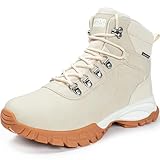
We will review the best hiking boots for long distance trails later in this article. But before that, take a look at some relevant products on Amazon:


As an Amazon Associate I earn from qualifying purchases.
Prices and availability are accurate as of November 29, 2026 11:06 and are subject to change.
Introduction to Hiking Boots for Long Distance Trails
Hiking boots are a crucial piece of gear for any outdoor enthusiast, providing the necessary support and protection for the feet during extended periods of walking on various terrain. When it comes to long distance trails, the right hiking boots can make all the difference in ensuring a comfortable and successful journey. The boots should be able to withstand the rigors of constant use, while also providing adequate cushioning and traction to handle different types of terrain.
The design and construction of hiking boots for long distance trails are tailored to meet the specific demands of this type of activity. They typically feature sturdy materials, such as full-grain leather or synthetic materials, and a robust sole that can handle rough terrain and varying weather conditions. The boots also often have a waterproof or water-resistant membrane to keep the feet dry in wet conditions. Additionally, the boots may have features such as breathable mesh panels and moisture-wicking linings to help regulate foot temperature and prevent blisters.
When selecting hiking boots for long distance trails, there are several factors to consider. These include the type of terrain, the weight and bulk of the boots, and the level of support and stability they provide. It is also important to consider the fit of the boots, as ill-fitting boots can lead to discomfort and injury. By taking the time to research and choose the right hiking boots, hikers can help ensure a safe and enjoyable experience on the trail.
For hikers looking to tackle long distance trails, finding the best hiking boots for long distance trails is essential. With so many options available, it can be difficult to know where to start. By considering factors such as support, stability, and comfort, hikers can narrow down their options and find the perfect boots for their needs. Whether hiking on rugged mountain trails or smooth, flat terrain, the right hiking boots can make all the difference in ensuring a successful and enjoyable journey.
Best Hiking Boots For Long Distance Trails – Reviewed
The
1. Merrell Moab 2 Mid Waterproof Hiking Boot
is an excellent choice for long distance trails. It features a waterproof and breathable membrane that keeps feet dry and comfortable in various weather conditions. The boot also has a Vibram TC5+ outsole that provides superior traction and durability on different types of terrain. Additionally, the Merrell Moab 2 Mid has a comfortable and supportive design that reduces fatigue and prevents blisters.
The
1. Merrell Moab 2 Mid Waterproof Hiking Boot
is suitable for hikers who need a reliable and versatile boot for their long distance adventures. It is available in different sizes and widths to fit various foot shapes and preferences. The boot is also relatively lightweight and flexible, making it easy to wear for extended periods. However, some hikers may find the break-in period to be a bit longer than expected, but overall, the Merrell Moab 2 Mid is a great investment for anyone looking for a high-quality hiking boot.
The
2. Salomon Quest 4D 3 GTX Hiking Boot
is another top-rated option for long distance trails. It features a Gore-Tex membrane that provides waterproof and breathable protection, as well as a Contagrip sole that offers excellent traction and grip on various surfaces. The boot also has a comfortable and supportive design that includes a customizable fit system and a gusseted tongue to keep debris out. Additionally, the Salomon Quest 4D 3 GTX has a durable and rugged construction that can withstand the demands of long distance hiking.
The
2. Salomon Quest 4D 3 GTX Hiking Boot
is ideal for hikers who need a boot that can handle challenging terrain and unpredictable weather conditions. It is available in different sizes and colors to fit various preferences and styles. The boot is also relatively lightweight and flexible, making it easy to wear for extended periods. However, some hikers may find the boot to be a bit stiff at first, but overall, the Salomon Quest 4D 3 GTX is a great choice for anyone looking for a high-quality and reliable hiking boot.
The
3. Keen Targhee II Mid WP Hiking Boot
is a great option for long distance trails, offering a waterproof and breathable membrane, as well as a durable and rugged outsole that provides excellent traction and grip. The boot also features a comfortable and supportive design that includes a roomy toe box and a gusseted tongue to keep debris out. Additionally, the Keen Targhee II Mid WP has a relatively lightweight and flexible construction that makes it easy to wear for extended periods.
The
3. Keen Targhee II Mid WP Hiking Boot
is suitable for hikers who need a reliable and versatile boot for their long distance adventures. It is available in different sizes and widths to fit various foot shapes and preferences. The boot is also relatively affordable compared to other high-end hiking boots on the market. However, some hikers may find the boot to be a bit less durable than expected, but overall, the Keen Targhee II Mid WP is a great investment for anyone looking for a high-quality and comfortable hiking boot.
The
4. La Sportiva Raptor GTX Hiking Boot
is a top-rated option for long distance trails, featuring a Gore-Tex membrane that provides waterproof and breathable protection, as well as a FriXion XF outsole that offers excellent traction and grip on various surfaces. The boot also has a comfortable and supportive design that includes a customizable fit system and a gusseted tongue to keep debris out. Additionally, the La Sportiva Raptor GTX has a durable and rugged construction that can withstand the demands of long distance hiking.
The
4. La Sportiva Raptor GTX Hiking Boot
is ideal for hikers who need a boot that can handle challenging terrain and unpredictable weather conditions. It is available in different sizes and colors to fit various preferences and styles. The boot is also relatively lightweight and flexible, making it easy to wear for extended periods. However, some hikers may find the boot to be a bit expensive, but overall, the La Sportiva Raptor GTX is a great choice for anyone looking for a high-quality and reliable hiking boot.
The
5. Vasque Breeze III GTX Hiking Boot
is a great option for long distance trails, offering a waterproof and breathable membrane, as well as a durable and rugged outsole that provides excellent traction and grip. The boot also features a comfortable and supportive design that includes a roomy toe box and a gusseted tongue to keep debris out. Additionally, the Vasque Breeze III GTX has a relatively lightweight and flexible construction that makes it easy to wear for extended periods.
The
5. Vasque Breeze III GTX Hiking Boot
is suitable for hikers who need a reliable and versatile boot for their long distance adventures. It is available in different sizes and widths to fit various foot shapes and preferences. The boot is also relatively affordable compared to other high-end hiking boots on the market. However, some hikers may find the boot to be a bit less durable than expected, but overall, the Vasque Breeze III GTX is a great investment for anyone looking for a high-quality and comfortable hiking boot.
Why Hiking Boots are Essential for Long Distance Trails
When it comes to tackling long distance trails, having the right footwear is crucial for a successful and enjoyable experience. Hiking boots are designed to provide the necessary support, protection, and traction that hikers need to navigate challenging terrain. Unlike regular shoes, hiking boots are built with sturdy materials and features that help to prevent injuries and discomfort. They are also designed to withstand the rigors of long distance hiking, including rough terrain, inclement weather, and heavy backpacks.
One of the primary reasons why people need to buy hiking boots for long distance trails is to prevent foot fatigue and discomfort. Hiking boots are designed to provide excellent arch support and cushioning, which helps to reduce the impact of each step on the feet and ankles. This is especially important on long distance trails, where hikers may be walking for hours or even days at a time. Without proper support and cushioning, hikers may experience foot pain, blisters, and other issues that can make it difficult to continue hiking.
In addition to providing support and comfort, hiking boots also offer protection from the elements and rough terrain. They are typically made with waterproof materials and have a rugged sole that provides traction on uneven and slippery surfaces. This helps to prevent slips, trips, and falls, which can be serious hazards on long distance trails. Furthermore, hiking boots are designed to keep feet dry and warm, even in cold and wet conditions, which helps to prevent hypothermia and other cold-related illnesses.
For hikers who are planning to tackle long distance trails, it is essential to invest in a good pair of hiking boots. The best hiking boots for long distance trails are those that are durable, comfortable, and provide excellent support and protection. By choosing the right hiking boots, hikers can help to ensure a safe and enjoyable experience on the trail. With the right footwear, hikers can focus on enjoying the scenery and challenging themselves physically, rather than worrying about foot pain and discomfort. This can make all the difference in a successful and enjoyable long distance hiking experience.
Key Features to Look for in Hiking Boots for Long Distance Trails
When it comes to choosing the right hiking boots for long distance trails, there are several key features to look for. One of the most important features is the level of support and stability provided by the boot. This is especially important for long distance hiking, as it can help to prevent injuries such as ankle sprains and strains. Another important feature to look for is the level of waterproofing and breathability. This can help to keep your feet dry and comfortable, even in wet and humid conditions.
In addition to support and waterproofing, the weight and durability of the boot are also important considerations. Lighter boots can help to reduce fatigue and make it easier to hike long distances, while more durable boots can withstand the rigors of heavy use. The tread and traction of the boot are also important, as they can help to provide stability and grip on uneven and slippery terrain. By considering these key features, you can choose the right hiking boots for your long distance trail hiking needs.
The material of the boot is also an important consideration. Boots made from high-quality materials such as full-grain leather or waterproof membranes can provide excellent durability and waterproofing. However, they may also be heavier and more expensive than boots made from lighter materials. The fit of the boot is also crucial, as a poorly fitting boot can cause discomfort and blisters. It’s essential to try on several different boots and walk around to ensure a comfortable fit before making a purchase.
Overall, the key to choosing the right hiking boots for long distance trails is to consider a combination of features, including support, waterproofing, weight, durability, tread, and material. By doing so, you can find a boot that meets your specific needs and provides the comfort and protection you need for long distance hiking.
How to Break in Hiking Boots for Long Distance Trails
Breaking in hiking boots for long distance trails is an essential step in ensuring a comfortable and successful hike. One of the best ways to break in hiking boots is to wear them around the house or on short walks before embarking on a long distance hike. This can help to soften the leather and mold the boot to the shape of your foot. It’s also a good idea to wear the same type of socks you plan to wear on the hike, as this can help to reduce blisters and discomfort.
Another way to break in hiking boots is to use a combination of heat and pressure to soften the leather. This can be done by wearing the boots in warm water or using a hair dryer to heat the leather. However, be careful not to overheat the leather, as this can cause it to become brittle and prone to cracking. It’s also a good idea to use a leather conditioner to keep the leather soft and supple.
In addition to breaking in the boots themselves, it’s also a good idea to condition your feet for long distance hiking. This can be done by gradually increasing the distance and intensity of your hikes, as well as by strengthening the muscles in your feet and ankles. By breaking in your boots and conditioning your feet, you can help to reduce the risk of blisters, discomfort, and other injuries associated with long distance hiking.
Overall, breaking in hiking boots for long distance trails requires patience, persistence, and attention to detail. By taking the time to break in your boots and condition your feet, you can help to ensure a comfortable and successful hike.
Tips for Maintaining Hiking Boots for Long Distance Trails
Maintaining hiking boots for long distance trails is essential for extending their lifespan and ensuring they continue to provide comfort and support. One of the most important tips for maintaining hiking boots is to clean them regularly. This can be done by wiping them down with a damp cloth and allowing them to air dry. It’s also a good idea to use a leather cleaner and conditioner to keep the leather soft and supple.
Another important tip for maintaining hiking boots is to store them properly. This can be done by keeping them in a cool, dry place away from direct sunlight. It’s also a good idea to use a boot tree or stuff them with newspaper to maintain their shape and prevent creasing. By storing your boots properly, you can help to prevent damage and extend their lifespan.
In addition to cleaning and storing your boots, it’s also a good idea to inspect them regularly for signs of wear and tear. This can include looking for cracks in the leather, worn-out treads, and loose stitching. By catching these issues early, you can help to prevent more serious problems from developing and extend the lifespan of your boots.
Overall, maintaining hiking boots for long distance trails requires regular cleaning, proper storage, and regular inspection. By following these tips, you can help to extend the lifespan of your boots and ensure they continue to provide comfort and support on your long distance hikes.
Common Mistakes to Avoid When Buying Hiking Boots for Long Distance Trails
When buying hiking boots for long distance trails, there are several common mistakes to avoid. One of the most common mistakes is buying boots that are too small or too large. This can cause discomfort, blisters, and other injuries, and can also affect the performance of the boot. Another common mistake is not trying on several different boots before making a purchase. This can make it difficult to find the right fit and can also lead to disappointment and frustration.
Another common mistake is not considering the specific needs of your hike. For example, if you will be hiking in wet and humid conditions, you may need a boot with a waterproof membrane. If you will be hiking on uneven and slippery terrain, you may need a boot with aggressive tread and good traction. By considering the specific needs of your hike, you can choose a boot that is well-suited to the conditions and provides the comfort and support you need.
In addition to avoiding these mistakes, it’s also a good idea to do your research and read reviews from other hikers. This can provide valuable insights and help you to make a more informed decision. It’s also a good idea to try on boots at the end of the day, as feet tend to swell throughout the day. By avoiding common mistakes and doing your research, you can find the right hiking boots for your long distance trail hiking needs.
Overall, buying hiking boots for long distance trails requires careful consideration and attention to detail. By avoiding common mistakes and doing your research, you can choose a boot that provides comfort, support, and protection on your long distance hikes.
Best Hiking Boots For Long Distance Trails: A Comprehensive Buying Guide
When it comes to embarking on long distance trails, having the right gear is crucial, and one of the most important pieces of equipment is a good pair of hiking boots. With so many options available in the market, choosing the right one can be overwhelming, especially for beginners. In this guide, we will discuss the key factors to consider when buying hiking boots for long distance trails, to help you make an informed decision and find the best hiking boots for long distance trails that suit your needs.
Comfort and Fit
Comfort and fit are the most critical factors to consider when buying hiking boots. A well-fitting boot can make all the difference in your hiking experience, while an ill-fitting one can lead to discomfort, blisters, and even injuries. When trying on hiking boots, make sure to wear the same type of socks you plan to wear on your hike, and try them on in the afternoon, as feet tend to swell throughout the day. It’s also essential to consider the width and depth of the toe box, as well as the height of the ankle collar, to ensure a comfortable and secure fit.
The comfort and fit of hiking boots also depend on the materials used in their construction. Look for boots made from breathable, moisture-wicking materials, such as mesh panels and waterproof membranes, to keep your feet dry and cool. Additionally, consider the weight and flexibility of the boots, as lighter and more flexible boots can reduce fatigue and improve overall comfort. It’s also worth considering the break-in period, as some boots may require a few wears to mold to your feet, while others may be comfortable right out of the box.
Waterproofing and Breathability
Waterproofing and breathability are essential features to consider when buying hiking boots, especially for long distance trails where you may encounter wet and humid conditions. Look for boots with a waterproof membrane, such as Gore-Tex or eVent, which can keep your feet dry and comfortable even in the most challenging conditions. However, it’s also important to consider the breathability of the boots, as a waterproof membrane can sometimes trap moisture and lead to blisters and discomfort.
The waterproofing and breathability of hiking boots also depend on the materials used in their construction. Look for boots with mesh panels and breathable materials, such as mesh and synthetic fabrics, which can help to regulate temperature and humidity. Additionally, consider the gusseted tongue, which can help to keep debris and water out of the boot, and the lacing system, which can help to secure the foot and prevent blisters. It’s also worth considering the boot’s ability to dry quickly, as a boot that can dry quickly can reduce the risk of blisters and discomfort.
Support and Stability
Support and stability are critical factors to consider when buying hiking boots, especially for long distance trails where you may encounter uneven and challenging terrain. Look for boots with a sturdy and supportive sole, which can provide stability and protection on rocky and uneven surfaces. Additionally, consider the ankle collar, which can provide support and protection for the ankle, and the lacing system, which can help to secure the foot and prevent blisters.
The support and stability of hiking boots also depend on the materials used in their construction. Look for boots with a robust and durable sole, which can provide traction and stability on various surfaces, and a comfortable and supportive ankle collar, which can provide protection and support for the ankle. Additionally, consider the boot’s ability to absorb shock and impact, as a boot that can absorb shock can reduce the risk of injury and discomfort. It’s also worth considering the boot’s flexibility, as a boot that is too stiff can be uncomfortable, while a boot that is too flexible can lack support and stability.
Traction and Grip
Traction and grip are essential features to consider when buying hiking boots, especially for long distance trails where you may encounter slippery and uneven surfaces. Look for boots with a aggressive tread pattern, which can provide traction and grip on various surfaces, and a durable and robust sole, which can provide stability and protection. Additionally, consider the boot’s ability to provide traction on different types of surfaces, such as mud, rock, and snow, and the lugs, which can provide additional grip and traction.
The traction and grip of hiking boots also depend on the materials used in their construction. Look for boots with a durable and robust rubber compound, which can provide traction and grip on various surfaces, and a aggressive tread pattern, which can provide additional grip and traction. Additionally, consider the boot’s ability to self-clean, as a boot that can self-clean can reduce the risk of slipping and falling. It’s also worth considering the boot’s weight, as a lighter boot can be more comfortable and easier to wear, while a heavier boot can provide more support and stability.
Insulation and Warmth
Insulation and warmth are critical factors to consider when buying hiking boots, especially for long distance trails where you may encounter cold and wet conditions. Look for boots with a good level of insulation, which can keep your feet warm and comfortable, and a waterproof membrane, which can keep your feet dry and comfortable. Additionally, consider the boot’s ability to regulate temperature, as a boot that can regulate temperature can reduce the risk of blisters and discomfort.
The insulation and warmth of hiking boots also depend on the materials used in their construction. Look for boots with a good level of insulation, such as Thinsulate or PrimaLoft, which can keep your feet warm and comfortable, and a breathable and moisture-wicking material, which can help to regulate temperature and humidity. Additionally, consider the boot’s ability to dry quickly, as a boot that can dry quickly can reduce the risk of blisters and discomfort. It’s also worth considering the boot’s weight, as a lighter boot can be more comfortable and easier to wear, while a heavier boot can provide more support and stability.
Durability and Maintenance
Durability and maintenance are essential factors to consider when buying hiking boots, especially for long distance trails where you may encounter challenging and rugged terrain. Look for boots with a durable and robust construction, which can withstand the rigors of long distance hiking, and a waterproof membrane, which can keep your feet dry and comfortable. Additionally, consider the boot’s ability to withstand abrasion and wear, as a boot that can withstand abrasion and wear can reduce the risk of blisters and discomfort.
The durability and maintenance of hiking boots also depend on the materials used in their construction. Look for boots with a durable and robust sole, which can provide traction and stability on various surfaces, and a comfortable and supportive ankle collar, which can provide protection and support for the ankle. Additionally, consider the boot’s ability to be repaired and maintained, as a boot that can be repaired and maintained can extend its lifespan and reduce waste. It’s also worth considering the boot’s weight, as a lighter boot can be more comfortable and easier to wear, while a heavier boot can provide more support and stability.
Frequently Asked Questions
What features should I look for in hiking boots for long distance trails?
When it comes to choosing the best hiking boots for long distance trails, there are several key features to consider. First and foremost, you’ll want to look for boots that offer excellent support and stability, as these will help to reduce the risk of injury and keep your feet comfortable over long distances. You’ll also want to consider the waterproofing and breathability of the boots, as these will help to keep your feet dry and cool in a variety of conditions.
In addition to these features, you may also want to consider the weight and durability of the boots, as well as the type of terrain you’ll be hiking on. For example, if you’ll be hiking on rugged or rocky terrain, you may want to look for boots with more aggressive tread patterns and added protection for your toes and ankles. On the other hand, if you’ll be hiking on smoother trails, you may be able to get away with lighter, more minimalist boots. By considering these factors and choosing boots that meet your specific needs, you can help to ensure a safe and enjoyable hiking experience.
How do I choose the right size and fit for my hiking boots?
Choosing the right size and fit for your hiking boots is crucial, as ill-fitting boots can cause discomfort, blisters, and even injury. To ensure the best fit, it’s a good idea to try on several different pairs of boots and walk around in them to see how they feel. You’ll want to make sure that the boots are comfortable and supportive, with plenty of room to wiggle your toes. You should also consider the width of the boots, as well as the height of the ankle collar, to ensure that they fit comfortably around your foot and ankle.
In addition to trying on boots in person, you may also want to consider factors such as the thickness of your hiking socks and the type of footbed or insole you plan to use. For example, if you plan to wear thick, warm socks, you may want to choose a slightly larger size to accommodate them. On the other hand, if you plan to use a custom footbed or insole, you may want to choose a boot with a removable insole to ensure a comfortable and supportive fit. By taking the time to find the right size and fit, you can help to ensure a comfortable and enjoyable hiking experience.
What is the difference between hiking boots and hiking shoes?
Hiking boots and hiking shoes are both designed for hiking and outdoor activities, but they differ in terms of their design, features, and functionality. Hiking boots are generally taller and more supportive than hiking shoes, with higher ankle collars and more substantial midsoles. They are designed to provide maximum support and protection for the foot and ankle, making them a good choice for rugged or rocky terrain, as well as for carrying heavy backpacks.
In contrast, hiking shoes are generally lighter and more flexible than hiking boots, with lower ankle collars and more minimalist midsoles. They are designed to provide a more natural, flexible feel, making them a good choice for smoother trails and lighter hiking. While hiking shoes may not offer the same level of support and protection as hiking boots, they can be a good option for hikers who prioritize speed and agility over support and stability. Ultimately, the choice between hiking boots and hiking shoes will depend on your specific hiking style and preferences.
Can I wear hiking boots for other outdoor activities, such as backpacking or camping?
Yes, hiking boots can be a great choice for a variety of outdoor activities, including backpacking, camping, and even hunting or fishing. Their sturdy design and supportive features make them well-suited for carrying heavy loads and navigating rugged terrain, and their waterproofing and breathability can help to keep your feet dry and comfortable in a variety of conditions.
In addition to hiking, hiking boots can be a good choice for backpacking, as they provide the support and stability needed to carry heavy packs over long distances. They can also be a good choice for camping, as they can help to keep your feet warm and dry around the campsite. However, it’s worth noting that hiking boots may not be the best choice for every outdoor activity, and you may want to consider other options, such as trail running shoes or sandals, for certain activities. By choosing the right footwear for your specific activity, you can help to ensure a safe and enjoyable outdoor experience.
How do I care for and maintain my hiking boots?
To ensure the longevity and performance of your hiking boots, it’s a good idea to care for and maintain them regularly. This can include cleaning the boots after each use, using a soft brush to remove dirt and debris, and applying a waterproofing treatment to the leather or fabric. You should also consider conditioning the leather or fabric to keep it soft and supple, and using a waterproofing spray or cream to protect the boots from the elements.
In addition to regular cleaning and maintenance, you may also want to consider storing your hiking boots in a cool, dry place, away from direct sunlight and moisture. This can help to prevent the growth of mold and mildew, and keep the boots fresh and ready for your next hike. You should also consider having your boots resoled or repaired if they become worn or damaged, as this can help to extend their lifespan and prevent the need for costly replacements. By taking the time to care for and maintain your hiking boots, you can help to ensure they continue to perform well and provide comfortable support for many hikes to come.
What are some common mistakes to avoid when buying hiking boots?
One common mistake to avoid when buying hiking boots is trying to buy boots that are too cheap or too expensive. While it’s true that you get what you pay for, it’s also important to consider your specific hiking needs and budget. Another mistake is trying to buy boots that are too trendy or fashionable, rather than focusing on the features and functionality that are most important for your hiking style. You should also avoid buying boots that are too small or too large, as ill-fitting boots can cause discomfort, blisters, and even injury.
In addition to these mistakes, you should also avoid buying boots without trying them on first, as this can make it difficult to ensure a comfortable and supportive fit. You should also avoid buying boots from unknown or untrusted brands, as these may not offer the same level of quality and performance as more established brands. By taking the time to research and compare different boots, and avoiding common mistakes, you can help to ensure that you find the best hiking boots for your needs and preferences. This can help to ensure a safe and enjoyable hiking experience, and provide comfortable support for many miles to come.
Can I return or exchange hiking boots if they don’t fit or perform well?
Yes, many outdoor gear retailers and manufacturers offer return or exchange policies for hiking boots, in case they don’t fit or perform well. These policies can vary depending on the retailer or manufacturer, but they often allow you to return or exchange boots within a certain timeframe, such as 30 or 60 days. To take advantage of these policies, you’ll typically need to keep the boots in their original condition, with all tags and packaging intact, and provide proof of purchase.
In addition to return or exchange policies, some retailers and manufacturers may also offer warranties or guarantees for their hiking boots, which can provide additional protection and peace of mind. These warranties may cover defects in materials or workmanship, and may provide for repair or replacement of the boots if they fail to perform as expected. By understanding the return, exchange, and warranty policies offered by the retailer or manufacturer, you can help to ensure that you’re protected in case your hiking boots don’t meet your needs or expectations. This can help to provide a safe and enjoyable hiking experience, and give you the confidence to try out new boots and gear.
Conclusion
As we conclude our in-depth review of the top contenders for the best hiking boots for long distance trails, it is clear that a good pair of boots can make all the difference in a hiker’s experience. Whether you’re a seasoned backpacker or just starting to explore the world of long-distance hiking, investing in a high-quality pair of boots is essential. With the right boots, you can tackle even the most challenging trails with confidence, knowing that your feet are protected and supported every step of the way.
In the end, the best hiking boots for long distance trails will depend on a variety of factors, including your personal hiking style, the terrain you’ll be covering, and your own unique foot shape and needs. By considering these factors and doing your research, you can find the perfect pair of boots to suit your needs and take your hiking experience to the next level. With the right boots on your feet, you’ll be ready to tackle even the most epic of adventures, and make memories that will last a lifetime.