When it comes to adding a touch of elegance and sophistication to your outdoor space, choosing the right plants can make all the difference. A well-designed landscape can greatly enhance the beauty and functionality of your yard, and one of the most effective ways to achieve this is by incorporating ground covers into your design. These low-maintenance, spreading plants are perfect for filling in gaps between pavers, suppressing weeds, and adding a splash of color to your garden. With so many options available, it can be overwhelming to decide which ones to use, but by selecting the best landscape ground covers, you can create a stunning and cohesive look that complements your home’s exterior.
Whether you’re looking to create a lush, green carpet underfoot, or add a burst of vibrant color to your garden beds, there’s a ground cover out there to suit your needs. From creeping thyme and sedum, to vinca minor and phlox, the variety of ground covers available is vast and diverse. Each type has its own unique characteristics, growth habits, and requirements, so it’s essential to choose the ones that are best suited to your climate, soil type, and personal preferences. By doing so, you can enjoy a beautiful, low-maintenance landscape that requires minimal upkeep and care, allowing you to relax and enjoy your outdoor space to the fullest. In this article, we’ll explore the different types of ground covers, their benefits, and what to consider when selecting the perfect ones for your yard.
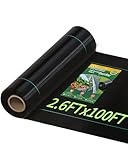
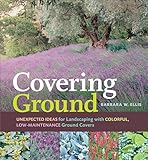
We will review the best landscape ground covers later in this article. But before that, take a look at some relevant products on Amazon:



As an Amazon Associate I earn from qualifying purchases.
Prices and availability are accurate as of November 13, 2026 12:40 and are subject to change.
Introduction to Ground Covers
Ground covers are an essential component of landscape design, serving as a low-maintenance and visually appealing alternative to traditional lawns. These plants are designed to spread and cover large areas, providing a uniform appearance and helping to suppress weeds. With their ability to thrive in a variety of conditions, ground covers have become a popular choice for homeowners and landscapers alike.
One of the primary benefits of ground covers is their ability to reduce soil erosion and prevent weed growth. By covering the soil, these plants help to retain moisture and prevent weeds from taking hold. This can be especially beneficial in areas with steep slopes or poor soil quality, where traditional lawns may struggle to thrive. Additionally, ground covers can help to reduce the need for frequent mowing and maintenance, making them a great option for busy homeowners.
In addition to their practical benefits, ground covers can also add aesthetic value to a landscape. With a wide range of colors, textures, and growth habits to choose from, it’s easy to find a ground cover that complements the existing plants and features of a yard. From the delicate flowers of creeping thyme to the bold foliage of sedum, there’s a ground cover to suit every taste and style. By incorporating the best landscape ground covers into a design, homeowners can create a beautiful and functional outdoor space.
When selecting ground covers, it’s essential to consider factors such as climate, soil type, and intended use. Different ground covers have varying levels of tolerance for sun, shade, and moisture, so it’s crucial to choose plants that are well-suited to the specific conditions of a yard. By doing so, homeowners can create a thriving and attractive landscape that requires minimal maintenance and care. With the right ground covers in place, a yard can be transformed into a stunning outdoor oasis that’s perfect for relaxation and entertainment.
5 Best Landscape Ground Covers
1. Creeping Thyme Ground Cover
Creeping thyme is an excellent choice for landscape ground covers due to its low-maintenance requirements and ability to thrive in a variety of conditions. This ground cover can tolerate light foot traffic and can be walked upon without sustaining damage. It is also drought-tolerant, making it ideal for areas with low rainfall. Creeping thyme has tiny, fragrant leaves and produces small flowers in the summer months, adding beauty and color to any landscape.
One of the benefits of creeping thyme is its ability to spread quickly, making it an excellent choice for large areas. It can be planted in full sun to partial shade and requires minimal care, including watering and fertilization. Creeping thyme is also resistant to pests and diseases, reducing the need for pesticides and other chemicals. With its attractive appearance and low-maintenance requirements, creeping thyme is an excellent choice for anyone looking to add a beautiful and functional ground cover to their landscape.
2. Sweet Woodruff Ground Cover
Sweet woodruff is a popular choice for landscape ground covers due to its ability to thrive in shady areas. This ground cover has delicate, white flowers that bloom in the spring and has a sweet, vanilla-like fragrance. It is also low-maintenance, requiring minimal care and upkeep. Sweet woodruff can tolerate a range of soil conditions and can be planted in areas with poor drainage. It is an excellent choice for areas under trees or in other shady spots where other plants may struggle to grow.
Sweet woodruff is a slow-spreading ground cover, making it ideal for smaller areas or for use as a border plant. It can be planted in partial to full shade and requires regular watering, especially during hot summer months. Sweet woodruff is also deer-resistant, making it an excellent choice for areas with high deer activity. With its attractive flowers and low-maintenance requirements, sweet woodruff is an excellent choice for anyone looking to add a beautiful and functional ground cover to their landscape.
3. Vinca Minor Ground Cover
Vinca minor, also known as periwinkle, is an excellent choice for landscape ground covers due to its ability to thrive in a variety of conditions. This ground cover has blue-purple flowers that bloom in the spring and has a moderate growth rate. It is also evergreen, keeping its leaves year-round and providing a consistent appearance. Vinca minor can tolerate a range of soil conditions and can be planted in areas with poor drainage. It is an excellent choice for areas with high foot traffic, as it can withstand light to moderate wear.
Vinca minor is a fast-spreading ground cover, making it ideal for large areas. It can be planted in full sun to partial shade and requires regular watering, especially during hot summer months. Vinca minor is also resistant to pests and diseases, reducing the need for pesticides and other chemicals. With its attractive flowers and low-maintenance requirements, vinca minor is an excellent choice for anyone looking to add a beautiful and functional ground cover to their landscape. It can be used to control erosion and prevent weeds from growing, making it a practical and attractive choice.
4. Pachysandra Ground Cover
Pachysandra is a popular choice for landscape ground covers due to its ability to thrive in shady areas. This ground cover has glossy, dark green leaves and a slow growth rate, making it ideal for smaller areas or for use as a border plant. It is also low-maintenance, requiring minimal care and upkeep. Pachysandra can tolerate a range of soil conditions and can be planted in areas with poor drainage. It is an excellent choice for areas under trees or in other shady spots where other plants may struggle to grow.
Pachysandra is an excellent choice for areas with high deer activity, as it is deer-resistant. It can be planted in partial to full shade and requires regular watering, especially during hot summer months. Pachysandra is also resistant to pests and diseases, reducing the need for pesticides and other chemicals. With its attractive leaves and low-maintenance requirements, pachysandra is an excellent choice for anyone looking to add a beautiful and functional ground cover to their landscape. It can be used to control erosion and prevent weeds from growing, making it a practical and attractive choice.
5. Sedum Ground Cover
Sedum is an excellent choice for landscape ground covers due to its ability to thrive in a variety of conditions. This ground cover has thick, fleshy leaves and stems that can store water, making it drought-tolerant. It is also low-maintenance, requiring minimal care and upkeep. Sedum can tolerate a range of soil conditions and can be planted in areas with poor drainage. It is an excellent choice for areas with high foot traffic, as it can withstand light to moderate wear.
Sedum is a slow-spreading ground cover, making it ideal for smaller areas or for use as a border plant. It can be planted in full sun to partial shade and requires minimal watering, making it an excellent choice for areas with low rainfall. Sedum is also resistant to pests and diseases, reducing the need for pesticides and other chemicals. With its attractive leaves and low-maintenance requirements, sedum is an excellent choice for anyone looking to add a beautiful and functional ground cover to their landscape. It can be used to control erosion and prevent weeds from growing, making it a practical and attractive choice.
Why People Need to Buy Landscape Ground Covers
Landscape ground covers are an essential element in any garden or yard, serving multiple purposes that benefit both the environment and the homeowner. One of the primary reasons people need to buy landscape ground covers is to prevent soil erosion. Without a protective layer, soil can be easily washed away by heavy rainfall or irrigation, leading to the loss of fertile land and increased sedimentation in waterways. By installing ground covers, homeowners can help hold the soil in place, reducing the risk of erosion and maintaining the health of their garden.
Another important reason to invest in landscape ground covers is to suppress weed growth. Weeds can quickly overtake a garden, competing with desired plants for water and nutrients. Ground covers, on the other hand, can outcompete weeds, preventing them from germinating and growing. This not only reduces the need for herbicides and other chemicals but also minimizes the time spent on weeding and maintenance. Additionally, ground covers can help regulate soil temperature, keeping it cooler in the summer and warmer in the winter, which can benefit plant growth and reduce the need for fertilizers.
Landscape ground covers also play a crucial role in enhancing the aesthetic appeal of a garden or yard. With a wide range of colors, textures, and shapes to choose from, ground covers can add visual interest and depth to any landscape. They can be used to create beautiful borders, fill in gaps between pavers or stones, or even serve as a substitute for lawn in areas with low foot traffic. When selecting the best landscape ground covers for their specific needs, homeowners should consider factors such as climate, soil type, and desired level of maintenance.
In conclusion, buying landscape ground covers is a necessary investment for any homeowner looking to protect their soil, suppress weed growth, and enhance the beauty of their garden or yard. With so many benefits to offer, it’s no wonder why ground covers have become an essential element in landscape design. By choosing the right ground covers for their specific needs, homeowners can create a stunning and sustainable outdoor space that requires minimal maintenance and provides years of enjoyment.
Types of Landscape Ground Covers
Landscape ground covers are available in various types, each with its unique characteristics and benefits. One of the most common types is the flowering ground cover, which produces vibrant flowers and adds color to the landscape. These ground covers are ideal for areas with full sun to partial shade and well-draining soil. They are also low maintenance and can thrive in a variety of conditions. Some popular examples of flowering ground covers include creeping thyme, phlox, and vinca minor.
Another type of landscape ground cover is the foliage ground cover, which is known for its attractive leaves and stems. These ground covers are perfect for areas with shade to partial shade and moist soil. They are also great for suppressing weeds and retaining soil moisture. Some popular examples of foliage ground covers include creeping juniper, sedum, and hostas. These ground covers are also low maintenance and can thrive in a variety of conditions.
In addition to flowering and foliage ground covers, there are also grass ground covers, which are known for their soft texture and delicate appearance. These ground covers are perfect for areas with full sun to partial shade and well-draining soil. They are also great for high-traffic areas and can withstand foot traffic. Some popular examples of grass ground covers include blue grama grass, buffalo grass, and zoysia grass. These ground covers are also drought-tolerant and require minimal maintenance.
When choosing a type of landscape ground cover, it’s essential to consider the climate, soil type, and intended use of the area. Different types of ground covers have different requirements and benefits, so it’s crucial to select the right one for the specific needs of the landscape. By choosing the right type of ground cover, homeowners can create a beautiful and functional outdoor space that requires minimal maintenance and care.
Benefits of Using Landscape Ground Covers
Landscape ground covers offer numerous benefits, including erosion control, weed suppression, and improved soil health. They help to hold the soil in place, preventing erosion and sedimentation in nearby waterways. They also suppress weeds, reducing the need for herbicides and other chemicals. Additionally, ground covers help to improve soil health by increasing the organic matter content and improving the soil structure.
Another benefit of using landscape ground covers is their ability to reduce maintenance. They eliminate the need for mowing, trimming, and other lawn care tasks, making them ideal for busy homeowners or those with limited mobility. They also reduce the need for fertilizers and pesticides, making them a more environmentally friendly option. Furthermore, ground covers can help to reduce noise pollution and improve air quality, making them a great option for urban areas.
In addition to their practical benefits, landscape ground covers also offer aesthetic benefits. They add color, texture, and interest to the landscape, creating a beautiful and inviting outdoor space. They can also help to create a sense of unity and cohesion, tying together different elements of the landscape. Some ground covers, such as flowering ground covers, can also attract pollinators and other beneficial insects, adding to their aesthetic appeal.
When used in combination with other landscape features, such as trees, shrubs, and flowers, ground covers can help to create a stunning and functional outdoor space. They can also help to define different areas of the landscape, such as paths, borders, and beds. By incorporating ground covers into the landscape design, homeowners can create a beautiful and sustainable outdoor space that requires minimal maintenance and care.
How to Choose the Right Landscape Ground Cover
Choosing the right landscape ground cover can be a daunting task, especially for those new to gardening or landscaping. There are many factors to consider, including climate, soil type, sunlight, and intended use. The first step is to assess the conditions of the area where the ground cover will be planted. This includes determining the amount of sunlight the area receives, the type of soil, and the level of foot traffic.
Once the conditions have been assessed, the next step is to select a ground cover that is suitable for those conditions. For example, if the area is shady and has poor soil, a ground cover such as creeping juniper or sedum may be a good option. If the area is sunny and has well-draining soil, a ground cover such as creeping thyme or phlox may be a better choice. It’s also essential to consider the mature size of the ground cover and its growth habits, to ensure that it doesn’t overgrow or become invasive.
In addition to considering the conditions and characteristics of the ground cover, it’s also essential to think about the desired appearance and function of the landscape. For example, if the goal is to create a low-maintenance lawn alternative, a grass ground cover such as blue grama grass or buffalo grass may be a good option. If the goal is to add color and interest to the landscape, a flowering ground cover such as vinca minor or phlox may be a better choice.
By considering these factors and selecting the right ground cover for the specific conditions and needs of the landscape, homeowners can create a beautiful and functional outdoor space that requires minimal maintenance and care. It’s also essential to consult with a gardening or landscaping professional if unsure about the best ground cover for a specific area or condition.
Installation and Maintenance of Landscape Ground Covers
Installing landscape ground covers requires some planning and preparation, but it’s a relatively straightforward process. The first step is to prepare the soil by removing any debris, weeds, or existing vegetation. The next step is to till the soil to a depth of 8-10 inches, adding any necessary amendments such as compost or fertilizer. Once the soil is prepared, the ground cover can be planted, following the specific planting instructions for the variety.
After planting, the ground cover will require some maintenance to establish itself and thrive. This includes watering regularly, especially during the first few weeks after planting. It’s also essential to mulch around the plants to retain moisture, suppress weeds, and regulate soil temperature. As the ground cover grows and spreads, it may need to be trimmed or pruned to maintain its shape and promote healthy growth.
In addition to watering and mulching, landscape ground covers may also require some fertilization and pest control. A balanced fertilizer can be applied in the spring and summer to promote healthy growth, while pest control measures such as insecticidal soap or neem oil can be used to control any pests or diseases that may affect the ground cover. It’s also essential to monitor the ground cover regularly for any signs of stress or disease, taking action promptly to prevent any problems from becoming severe.
By following these installation and maintenance tips, homeowners can enjoy a beautiful and thriving landscape ground cover that requires minimal care and maintenance. It’s also essential to consult with a gardening or landscaping professional if unsure about the best installation and maintenance practices for a specific ground cover or condition. Regular maintenance can help to prevent problems and ensure that the ground cover continues to thrive for years to come.
Buying Guide for Best Ground Covers for Your Landscape
When it comes to enhancing the aesthetic appeal of your outdoor space, ground covers play a crucial role. They not only add beauty to your landscape but also help in preventing soil erosion and reducing maintenance costs. With so many options available in the market, choosing the right ground cover can be a daunting task. In this buying guide, we will discuss the key factors to consider when buying ground covers, helping you make an informed decision and find the best landscape ground covers for your needs.
Climate and Hardiness Zone
The climate and hardiness zone of your area are crucial factors to consider when buying ground covers. Different ground covers have varying levels of tolerance to temperature, humidity, and sunlight. Some ground covers thrive in full sun, while others prefer shade. Similarly, some ground covers are more resistant to extreme temperatures, while others may not survive harsh winters or scorching summers. It is essential to choose a ground cover that is suitable for your climate and hardiness zone to ensure its survival and optimal growth.
The hardiness zone of your area can be determined by checking the USDA Plant Hardiness Zone Map. This map divides the country into different zones based on the average annual extreme minimum temperature. Once you know your hardiness zone, you can choose a ground cover that is suitable for that zone. For example, if you live in a zone with harsh winters, you may want to choose a ground cover that is resistant to frost and freezing temperatures. On the other hand, if you live in a zone with mild winters, you may want to choose a ground cover that thrives in warmer temperatures.
Soil Type and Quality
The type and quality of soil in your landscape are also important factors to consider when buying ground covers. Different ground covers have varying requirements for soil type, pH, and nutrient content. Some ground covers prefer well-draining soil, while others can thrive in moist or wet conditions. Similarly, some ground covers are more tolerant of poor soil quality, while others require rich, fertile soil. It is essential to test your soil type and quality before choosing a ground cover to ensure that it will thrive in your landscape.
The soil type and quality can be determined by conducting a soil test. This test can provide information about the pH level, nutrient content, and drainage of your soil. Based on the test results, you can choose a ground cover that is suitable for your soil type and quality. For example, if your soil is heavy clay, you may want to choose a ground cover that prefers moist conditions, such as creeping thyme or sweet woodruff. On the other hand, if your soil is sandy, you may want to choose a ground cover that prefers well-draining conditions, such as sedum or delosperma.
Growth Habit and Spread
The growth habit and spread of a ground cover are also important factors to consider when buying. Different ground covers have varying growth habits, ranging from slow-spreading to fast-spreading. Some ground covers, such as creeping juniper or phlox, spread quickly and can cover a large area in a short time. Others, such as sedum or echeveria, grow more slowly and may require more time to establish. It is essential to choose a ground cover that fits your needs and preferences, considering the size of your landscape and the amount of maintenance you are willing to perform.
The growth habit and spread of a ground cover can also affect its maintenance requirements. Fast-spreading ground covers may require more frequent pruning or trimming to keep them under control, while slow-spreading ground covers may require less maintenance. Additionally, some ground covers may produce seeds or offsets, which can spread to other areas of the landscape and require removal. Considering the growth habit and spread of a ground cover can help you choose a variety that is easy to maintain and requires minimal care.
Appearance and Texture
The appearance and texture of a ground cover are also important factors to consider when buying. Different ground covers have varying appearances, ranging from delicate, lacy foliage to bold, colorful blooms. Some ground covers, such as thyme or oregano, have a soft, delicate texture, while others, such as sedum or echeveria, have a thick, fleshy texture. It is essential to choose a ground cover that fits your personal style and preferences, considering the color scheme, texture, and overall aesthetic of your landscape.
The appearance and texture of a ground cover can also affect its functionality. For example, a ground cover with a soft, delicate texture may be more suitable for areas with heavy foot traffic, as it can provide a comfortable surface for walking. On the other hand, a ground cover with a thick, fleshy texture may be more suitable for areas with poor soil quality, as it can help to stabilize the soil and prevent erosion. Considering the appearance and texture of a ground cover can help you choose a variety that is both beautiful and functional.
Maintenance Requirements
The maintenance requirements of a ground cover are also important factors to consider when buying. Different ground covers have varying maintenance requirements, ranging from low-maintenance to high-maintenance. Some ground covers, such as sedum or delosperma, require minimal care and can thrive in poor soil conditions, while others, such as thyme or phlox, require more frequent watering, fertilization, and pruning. It is essential to choose a ground cover that fits your lifestyle and maintenance preferences, considering the amount of time and effort you are willing to devote to caring for your landscape.
The maintenance requirements of a ground cover can also affect its overall cost. Ground covers that require more frequent maintenance may be more expensive in the long run, as they may require more water, fertilizer, and pruning. On the other hand, ground covers that require minimal maintenance may be more cost-effective, as they can thrive with minimal care. Considering the maintenance requirements of a ground cover can help you choose a variety that is both beautiful and budget-friendly.
Pest and Disease Resistance
The pest and disease resistance of a ground cover are also important factors to consider when buying. Different ground covers have varying levels of resistance to pests and diseases, ranging from high resistance to low resistance. Some ground covers, such as sedum or echeveria, are highly resistant to pests and diseases, while others, such as thyme or phlox, may be more susceptible to infestations or infections. It is essential to choose a ground cover that is resistant to common pests and diseases in your area, considering the local climate, soil quality, and pest populations.
The pest and disease resistance of a ground cover can also affect its overall health and longevity. Ground covers that are susceptible to pests and diseases may require more frequent treatment with pesticides or fungicides, which can be harmful to the environment and human health. On the other hand, ground covers that are resistant to pests and diseases can thrive with minimal treatment, reducing the need for chemical pesticides and fungicides. Considering the pest and disease resistance of a ground cover can help you choose a variety that is both healthy and sustainable.
Frequently Asked Questions
What are the benefits of using landscape ground covers?
Landscape ground covers offer numerous benefits, including reducing soil erosion, suppressing weed growth, and creating a visually appealing landscape. They also help to conserve water, as they require less watering compared to traditional lawns. Additionally, ground covers can thrive in areas with poor soil quality, making them an ideal solution for areas with compacted or depleted soil.
The use of landscape ground covers can also reduce the need for frequent mowing, edging, and fertilizing, making them a low-maintenance option for homeowners. They can also help to reduce noise pollution and create a natural habitat for wildlife. With so many benefits, it’s no wonder why landscape ground covers are becoming increasingly popular among homeowners and landscapers. By choosing the right ground cover for your specific climate and soil type, you can enjoy a beautiful and sustainable landscape with minimal upkeep.
How do I choose the right landscape ground cover for my yard?
Choosing the right landscape ground cover for your yard depends on several factors, including your climate, soil type, and personal preferences. You should consider the amount of sunlight and shade your yard receives, as well as the soil’s pH level and moisture content. You should also think about the desired texture, color, and growth habit of the ground cover. For example, if you have a sunny yard with well-draining soil, you may want to consider a ground cover like creeping thyme or sedum.
It’s also important to consider the level of maintenance you’re willing to commit to, as some ground covers require more care than others. You should also research the specific growing conditions and requirements of each ground cover to ensure you’re making the best choice for your yard. Additionally, you may want to consult with a landscaper or nursery professional to get personalized recommendations and advice. By taking the time to choose the right ground cover for your yard, you can enjoy a beautiful and thriving landscape that meets your needs and exceeds your expectations.
Can I use landscape ground covers on slopes and hills?
Yes, landscape ground covers can be used on slopes and hills, and they’re often an ideal solution for these areas. Ground covers can help to stabilize the soil and prevent erosion, which can be a major problem on steep slopes. They can also help to reduce the need for retaining walls and other costly solutions. Additionally, ground covers can thrive in areas with poor soil quality, making them a great option for slopes and hills where soil quality may be compromised.
When using ground covers on slopes and hills, it’s especially important to choose a variety that’s well-suited to the conditions. You should look for ground covers that have deep roots or a dense growth habit, as these will be more effective at stabilizing the soil. You should also consider using a ground cover that’s drought-tolerant, as slopes and hills can be prone to dryness. By choosing the right ground cover and installing it properly, you can enjoy a beautiful and stable landscape that reduces erosion and requires minimal maintenance.
How do I install landscape ground covers?
Installing landscape ground covers is a relatively straightforward process that can be done by homeowners or landscapers. The first step is to prepare the soil by removing any debris, weeds, or existing lawn. You should then till the soil to a depth of 8-10 inches to loosen and aerate it. Next, you should lay down a layer of landscape fabric or weed barrier to prevent weeds from growing up through the ground cover.
Once the soil is prepared, you can begin planting the ground cover. The specific planting instructions will vary depending on the type of ground cover you’re using, but most can be planted by spreading the plants out evenly and watering them well. You should then mulch around the plants to retain moisture and suppress weeds. After the ground cover is established, you can reduce watering and maintenance to a minimum. It’s also a good idea to monitor the ground cover regularly and make any necessary adjustments to ensure it continues to thrive.
Can I use landscape ground covers in shady areas?
Yes, there are many landscape ground covers that can thrive in shady areas. In fact, some ground covers prefer shade and can become scorched or discolored in full sun. When choosing a ground cover for a shady area, you should look for varieties that are specifically labeled as “shade-tolerant” or “shade-loving.” Some popular ground covers for shady areas include creeping juniper, vinca minor, and sweet woodruff.
When growing ground covers in shady areas, it’s especially important to choose varieties that are well-suited to the specific conditions. You should also be aware that shady areas can be more prone to moisture retention, which can lead to root rot and other problems. To avoid this, you should make sure the soil is well-draining and avoid overwatering. Additionally, you may need to fertilize the ground cover more frequently, as shady areas can be low in nutrients. By choosing the right ground cover and providing the right care, you can enjoy a beautiful and thriving landscape even in the shadiest areas.
How do I care for landscape ground covers?
Caring for landscape ground covers is relatively easy and requires minimal maintenance. One of the most important things you can do is to water the ground cover regularly, especially during the first year after planting. You should also fertilize the ground cover annually, using a balanced fertilizer that’s specifically formulated for ground covers. Additionally, you should prune or trim the ground cover as needed to maintain its shape and promote healthy growth.
It’s also important to monitor the ground cover regularly for signs of pests or diseases. If you notice any problems, you should take action quickly to prevent them from spreading. You should also keep the area around the ground cover free of debris and weeds, which can compete with the ground cover for water and nutrients. By following these simple care tips, you can enjoy a beautiful and thriving landscape ground cover that requires minimal maintenance and care. Additionally, you can enjoy the many benefits that ground covers provide, including reduced soil erosion and improved water conservation.
Are landscape ground covers pet-friendly and kid-friendly?
Yes, many landscape ground covers are pet-friendly and kid-friendly, but it’s always a good idea to do your research before planting. Some ground covers can be toxic to pets or cause skin irritation, so you should choose varieties that are non-toxic and safe for your furry friends. You should also consider the growth habit of the ground cover and whether it’s likely to cause tripping or other hazards for kids.
When choosing a pet-friendly and kid-friendly ground cover, you should look for varieties that are soft and dense, such as creeping thyme or dwarf mondo grass. You should avoid ground covers with thorns or prickles, such as cacti or roses, as these can cause injury to pets and kids. Additionally, you should consider the maintenance requirements of the ground cover and whether it’s likely to attract pests or create messes. By choosing a pet-friendly and kid-friendly ground cover, you can enjoy a beautiful and safe landscape that’s perfect for the whole family.
Final Thoughts
In conclusion, selecting the right ground cover for your landscape can greatly enhance its aesthetic appeal and overall functionality. With so many options available in the market, it can be overwhelming to make a decision. However, by considering factors such as climate, soil type, and maintenance requirements, you can narrow down your choices and find the perfect fit for your outdoor space. Whether you’re looking to suppress weeds, prevent erosion, or simply add some color and texture to your garden, there’s a ground cover out there that can meet your needs.
By investing in the best landscape ground covers, you can create a beautiful and sustainable outdoor environment that requires minimal upkeep. With the right ground cover, you can enjoy a lush and vibrant landscape all year round, without breaking the bank or sacrificing too much of your time. By following the guidelines and reviews outlined in this article, you can make an informed decision and choose the best ground cover for your specific needs. Remember to consider your unique climate, soil, and maintenance requirements when making your selection, and don’t hesitate to reach out to a professional if you need further guidance or assistance.