Concrete block walls are a popular choice for construction due to their durability and low maintenance requirements. However, their plain and often dull appearance can be a drawback, especially in residential and commercial settings where aesthetics play a crucial role. Fortunately, a fresh coat of paint can instantly transform the look of these walls, making them more visually appealing and enhancing the overall ambiance of the space. With the numerous paint options available in the market, selecting the right one can be overwhelming, especially for those who are not familiar with the specific needs of concrete block walls.
To help you make an informed decision, we have compiled a comprehensive guide to the best paints for concrete block walls, highlighting their key features, benefits, and drawbacks. Whether you are a homeowner looking to give your basement or retaining wall a makeover, or a contractor seeking to enhance the appearance of a commercial building, this guide will provide you with the necessary information to choose the perfect paint for your needs. From factors to consider before making a purchase to detailed reviews of top-rated products, we will cover everything you need to know to achieve a beautiful and long-lasting finish that will withstand the test of time and harsh weather conditions.
We will review the best paints for concrete block walls later in this article. But before that, take a look at some relevant products on Amazon:


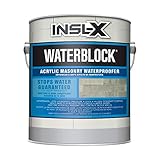


As an Amazon Associate I earn from qualifying purchases.
Prices and availability are accurate as of November 26, 2026 22:16 and are subject to change.
Introduction to Paints for Concrete Block Walls
Paints for concrete block walls are specialized coatings designed to adhere to and protect the surface of concrete block walls. These paints are formulated to withstand the unique challenges of concrete block surfaces, including moisture, weathering, and potential efflorescence. By using the right paint, homeowners and builders can enhance the appearance and durability of their concrete block walls.
Concrete block walls are a common feature in many buildings, and they require a specific type of paint to ensure proper adhesion and performance. The right paint can help to seal the pores of the concrete, preventing moisture from penetrating the surface and causing damage. Additionally, paints for concrete block walls can help to reduce the appearance of efflorescence, which is a common problem on concrete surfaces.
When it comes to selecting a paint for a concrete block wall, there are several factors to consider. The paint should be formulated to withstand the outdoor environment, including exposure to sunlight, rain, and extreme temperatures. It should also be able to adhere well to the concrete surface, without peeling or flaking off over time. By choosing one of the best paints for concrete block walls, homeowners and builders can ensure a long-lasting and attractive finish.
In addition to their functional benefits, paints for concrete block walls can also enhance the appearance of a building. They come in a wide range of colors and finishes, allowing homeowners and builders to choose a look that complements the surrounding architecture and landscape. Whether the goal is to match an existing color scheme or to create a bold new look, there is a paint available to suit every need and preference.
Top 5 Best Paints For Concrete Block Walls
The
1. Behr Premium Plus ULTRA 1
is a high-quality paint specifically designed for concrete block walls. It provides excellent durability and resistance to fading, cracking, and peeling. This paint is also mildew-resistant, making it perfect for areas prone to moisture. With its 100% acrylic latex formula, it adheres well to concrete surfaces, ensuring a long-lasting finish.
The
1. Behr Premium Plus ULTRA 1
is easy to apply and dries quickly, allowing for a rapid transformation of your concrete block walls. It is available in a wide range of colors, giving you the flexibility to choose the perfect shade to match your desired aesthetic. Additionally, it is backed by a manufacturer’s warranty, providing peace of mind and protection for your investment. Whether you’re looking to enhance the appearance of your home’s exterior or protect your walls from the elements, the
1. Behr Premium Plus ULTRA 1
is an excellent choice.
The
2. Sherwin-Williams Luminous 2
is a top-notch paint designed to bring out the best in your concrete block walls. Its unique formula provides exceptional hide and coverage, ensuring a smooth and even finish. This paint is also resistant to fading and cracking, maintaining its vibrant color and integrity over time. With its low VOC and low odor, it is an environmentally friendly option that is safe for use in residential and commercial applications.
The
2. Sherwin-Williams Luminous 2
is highly versatile and can be used on a variety of surfaces, including concrete, masonry, and stucco. It is easy to apply with a brush, roller, or sprayer, and dries quickly to a durable and long-lasting finish. The
2. Sherwin-Williams Luminous 2
is also resistant to mildew and algae, making it perfect for areas with high humidity or exposure to the elements. With its excellent performance and wide range of colors, it is an ideal choice for anyone looking to enhance the appearance and protection of their concrete block walls.
The
3. Valspar Signature 3
is a high-performance paint that provides a durable and long-lasting finish for concrete block walls. Its 100% acrylic latex formula ensures excellent adhesion and flexibility, allowing it to expand and contract with the surface. This paint is also resistant to fading, cracking, and peeling, maintaining its vibrant color and integrity over time. With its low VOC and low odor, it is an environmentally friendly option that is safe for use in residential and commercial applications.
The
3. Valspar Signature 3
is easy to apply and dries quickly, allowing for a rapid transformation of your concrete block walls. It is available in a wide range of colors, giving you the flexibility to choose the perfect shade to match your desired aesthetic. The
3. Valspar Signature 3
is also backed by a manufacturer’s warranty, providing peace of mind and protection for your investment. Whether you’re looking to enhance the appearance of your home’s exterior or protect your walls from the elements, the
3. Valspar Signature 3
is an excellent choice for anyone looking for a high-quality paint.
The
4. Benjamin Moore Aura 4
is a premium paint designed to provide a long-lasting and durable finish for concrete block walls. Its unique formula provides exceptional hide and coverage, ensuring a smooth and even finish. This paint is also resistant to fading and cracking, maintaining its vibrant color and integrity over time. With its low VOC and low odor, it is an environmentally friendly option that is safe for use in residential and commercial applications.
The
4. Benjamin Moore Aura 4
is highly versatile and can be used on a variety of surfaces, including concrete, masonry, and stucco. It is easy to apply with a brush, roller, or sprayer, and dries quickly to a durable and long-lasting finish. The
4. Benjamin Moore Aura 4
is also resistant to mildew and algae, making it perfect for areas with high humidity or exposure to the elements. With its excellent performance and wide range of colors, it is an ideal choice for anyone looking to enhance the appearance and protection of their concrete block walls.
The
5. Rust-Oleum EpoxyShield 5
is a high-performance paint that provides a durable and long-lasting finish for concrete block walls. Its unique epoxy-based formula ensures excellent adhesion and flexibility, allowing it to expand and contract with the surface. This paint is also resistant to fading, cracking, and peeling, maintaining its vibrant color and integrity over time. With its low VOC and low odor, it is an environmentally friendly option that is safe for use in residential and commercial applications.
The
5. Rust-Oleum EpoxyShield 5
is easy to apply and dries quickly, allowing for a rapid transformation of your concrete block walls. It is available in a wide range of colors, giving you the flexibility to choose the perfect shade to match your desired aesthetic. The
5. Rust-Oleum EpoxyShield 5
is also backed by a manufacturer’s warranty, providing peace of mind and protection for your investment. Whether you’re looking to enhance the appearance of your home’s exterior or protect your walls from the elements, the
5. Rust-Oleum EpoxyShield 5
is an excellent choice for anyone looking for a high-quality paint.
Why People Need to Buy Paints for Concrete Block Walls
Concrete block walls are a common feature in many homes and buildings, providing a sturdy and durable structure. However, over time, these walls can become dull and unattractive, affecting the overall appearance of the property. This is where the need for paints arises, as a fresh coat of paint can instantly revitalize the look of the walls and enhance the aesthetic appeal of the space.
One of the primary reasons people need to buy paints for concrete block walls is to protect them from the elements. Concrete is a porous material that can absorb water and moisture, leading to damage and deterioration over time. By applying a layer of paint, homeowners can create a barrier that prevents water from seeping into the concrete, thereby extending its lifespan. Additionally, paint can help to fill in any cracks or gaps in the wall, further protecting it from the elements.
Another reason people need to buy paints for concrete block walls is to improve the appearance of the space. A well-painted wall can add color, texture, and visual interest to a room, making it feel more welcoming and inviting. Moreover, paint can help to cover up any stains or discolorations on the wall, creating a clean and uniform look. When selecting paints, it’s essential to choose the best paints for concrete block walls, as they are specifically designed to adhere well to the surface and withstand the elements.
In conclusion, buying paints for concrete block walls is a necessary investment for homeowners who want to protect and enhance the appearance of their property. With the right paint, homeowners can create a beautiful and durable finish that will last for years to come. Whether you’re looking to revitalize a dull wall or protect it from the elements, painting your concrete block walls is a simple and effective solution that can make a significant difference in the overall look and feel of your space.
Types of Paints Suitable for Concrete Block Walls
Concrete block walls require specialized paints that can withstand the harsh conditions and moisture associated with these surfaces. There are several types of paints suitable for concrete block walls, including acrylic, epoxy, and latex-based paints. Acrylic paints are water-based and offer excellent durability and adhesion to concrete surfaces. Epoxy paints, on the other hand, are two-part paints that harden when mixed, providing a strong and chemical-resistant finish. Latex-based paints are also water-based and offer a flexible and breathable finish that can expand and contract with the concrete.
When choosing a paint for concrete block walls, it’s essential to consider the surface preparation and environmental conditions. For instance, if the wall is exposed to direct sunlight or heavy rainfall, a paint with UV-resistant and water-repellent properties would be ideal. Additionally, the paint should be compatible with the type of concrete block used, as some paints may react with certain types of cement or aggregate. By selecting the right type of paint, homeowners and builders can ensure a long-lasting and attractive finish for their concrete block walls.
In addition to the type of paint, the finish is also an important consideration. A flat or matte finish can help to hide imperfections on the surface, while a glossy finish can provide a sleek and modern appearance. Some paints also offer specialized finishes, such as textured or sandstone finishes, which can add depth and visual interest to the wall. By choosing the right combination of paint type and finish, individuals can achieve a unique and durable look for their concrete block walls.
The durability and maintenance requirements of the paint are also crucial factors to consider. Some paints may require periodic touch-ups or reapplication, while others may be more resistant to fading and cracking. By selecting a paint with a long lifespan and minimal maintenance requirements, homeowners and builders can save time and money in the long run. Furthermore, a durable paint can also help to protect the concrete block wall from damage caused by weathering, moisture, and other environmental factors.
Benefits of Painting Concrete Block Walls
Painting concrete block walls can offer numerous benefits, including improved aesthetics, increased durability, and enhanced protection from the elements. A fresh coat of paint can completely transform the appearance of a concrete block wall, making it look more modern, sleek, and attractive. Additionally, paint can help to conceal imperfections and stains on the surface, creating a uniform and polished finish.
Painting concrete block walls can also help to protect them from damage caused by weathering, moisture, and other environmental factors. Paint acts as a barrier, preventing water and other substances from penetrating the concrete and causing erosion or staining. This can help to extend the lifespan of the wall and reduce the need for costly repairs or replacements. Furthermore, some paints contain specialized additives that can help to repel mold, mildew, and other microorganisms that can grow on concrete surfaces.
In addition to the practical benefits, painting concrete block walls can also have a significant impact on the overall value and appeal of a property. A well-painted concrete block wall can be a major selling point for potential buyers, as it can create a positive first impression and add to the overall curb appeal of the property. Moreover, a painted concrete block wall can also help to enhance the ambiance and atmosphere of outdoor living spaces, such as patios, courtyards, and gardens.
The process of painting concrete block walls can also be a relatively straightforward and cost-effective DIY project. With the right materials and preparation, individuals can achieve professional-looking results without breaking the bank. However, it’s essential to follow proper surface preparation and application techniques to ensure a long-lasting and durable finish. By investing in a high-quality paint and following the manufacturer’s instructions, individuals can enjoy the benefits of a beautifully painted concrete block wall for years to come.
Preparation and Application Techniques for Concrete Block Walls
Proper preparation and application techniques are crucial for achieving a long-lasting and durable paint finish on concrete block walls. The first step is to clean the surface thoroughly, removing any dirt, grime, or efflorescence that may be present. This can be done using a pressure washer or a solution of soap and water. The surface should then be allowed to dry completely before proceeding with the painting process.
Once the surface is clean and dry, any cracks or holes should be filled with a suitable patching compound. The compound should be applied according to the manufacturer’s instructions and allowed to dry before sanding smooth. The surface should then be primed with a high-quality primer, which helps to create a strong bond between the paint and the concrete. The primer should be applied according to the manufacturer’s instructions and allowed to dry before proceeding with the painting process.
When applying the paint, it’s essential to follow the manufacturer’s instructions and use the recommended application techniques. This may include using a roller, brush, or spray gun, depending on the type of paint and the surface texture. The paint should be applied in thin, even coats, allowing each coat to dry before applying the next. This helps to prevent drips, runs, and other imperfections that can ruin the finish.
In addition to the application techniques, the environmental conditions should also be taken into consideration. The paint should be applied in a well-ventilated area, away from direct sunlight and moisture. The temperature and humidity levels should also be within the recommended range for the specific paint product. By following proper preparation and application techniques, individuals can achieve a professional-looking finish that will last for years to come.
Common Mistakes to Avoid When Painting Concrete Block Walls
When painting concrete block walls, there are several common mistakes that can be avoided with proper planning and execution. One of the most common mistakes is failing to properly prepare the surface, which can lead to a poor bond between the paint and the concrete. This can result in peeling, flaking, or cracking of the paint, which can be costly and time-consuming to repair.
Another common mistake is using the wrong type of paint for the surface and environmental conditions. For instance, using a paint that is not UV-resistant or water-repellent can lead to fading, cracking, or erosion of the paint. Additionally, using a paint that is not compatible with the type of concrete block used can lead to adverse reactions or damage to the surface. By selecting the right type of paint and following the manufacturer’s instructions, individuals can avoid these common mistakes and achieve a long-lasting and durable finish.
In addition to the type of paint, the application techniques are also critical. Using the wrong application techniques, such as applying too much paint or using the wrong type of brush or roller, can lead to imperfections and unevenness in the finish. Furthermore, failing to allow each coat to dry before applying the next can lead to drips, runs, and other imperfections that can ruin the finish. By following proper application techniques and allowing each coat to dry, individuals can achieve a smooth and even finish that will last for years to come.
The environmental conditions should also be taken into consideration when painting concrete block walls. Painting in direct sunlight or high temperatures can lead to premature drying and unevenness in the finish. Additionally, painting in humid or wet conditions can lead to moisture trapped in the paint, which can cause peeling, flaking, or cracking. By painting in a well-ventilated area, away from direct sunlight and moisture, individuals can avoid these common mistakes and achieve a professional-looking finish.
Buying Guide: Best Paints For Concrete Block Walls
When it comes to painting concrete block walls, choosing the right paint is crucial to ensure a durable and long-lasting finish. With so many options available in the market, it can be overwhelming to decide on the best paint for your concrete block walls. In this buying guide, we will discuss the key factors to consider when buying paints for concrete block walls to help you make an informed decision.
Adhesion and Bonding
Adhesion and bonding are critical factors to consider when buying paint for concrete block walls. The paint should be able to adhere well to the concrete surface, ensuring a strong bond that can withstand various environmental conditions. A good quality paint with excellent adhesion properties will prevent peeling, flaking, and cracking, thereby extending the lifespan of the paint job. Look for paints that are specifically designed for concrete surfaces and have a high solids content, which indicates better adhesion and durability.
The adhesion and bonding properties of a paint can be determined by its formulation and the type of resin used. For example, paints with acrylic or epoxy resins tend to have better adhesion properties compared to those with latex or oil-based resins. Additionally, some paints may require a primer or a bonding agent to enhance adhesion, which can add an extra step to the painting process. It is essential to read the label carefully and follow the manufacturer’s instructions to ensure proper adhesion and bonding.
Water Resistance and Moisture Protection
Water resistance and moisture protection are vital factors to consider when buying paint for concrete block walls, especially if the walls are exposed to the elements or in areas prone to high humidity. A good quality paint should be able to withstand water and moisture, preventing damage to the concrete surface and ensuring a long-lasting finish. Look for paints that are specifically designed to be water-resistant and have a high level of moisture protection, such as those with a waterproofing additive or a specialized coating.
The water resistance and moisture protection properties of a paint can be determined by its formulation and the type of additives used. For example, paints with silicone or polyurethane additives tend to have better water resistance and moisture protection properties compared to those without. Additionally, some paints may require a specialized coating or a sealant to enhance water resistance and moisture protection, which can add an extra step to the painting process. It is essential to read the label carefully and follow the manufacturer’s instructions to ensure proper water resistance and moisture protection.
UV Resistance and Color Retention
UV resistance and color retention are critical factors to consider when buying paint for concrete block walls, especially if the walls are exposed to direct sunlight. A good quality paint should be able to withstand the harsh effects of UV radiation, preventing fading, discoloration, and degradation of the paint. Look for paints that are specifically designed to be UV-resistant and have a high level of color retention, such as those with a specialized coating or a UV-stabilizing additive.
The UV resistance and color retention properties of a paint can be determined by its formulation and the type of additives used. For example, paints with titanium dioxide or zinc oxide additives tend to have better UV resistance and color retention properties compared to those without. Additionally, some paints may require a specialized coating or a clear sealant to enhance UV resistance and color retention, which can add an extra step to the painting process. It is essential to read the label carefully and follow the manufacturer’s instructions to ensure proper UV resistance and color retention.
Durability and Longevity
Durability and longevity are essential factors to consider when buying paint for concrete block walls. A good quality paint should be able to withstand various environmental conditions, including extreme temperatures, humidity, and weathering. Look for paints that are specifically designed to be durable and long-lasting, such as those with a high solids content or a specialized coating. The best paints for concrete block walls should be able to provide a long-lasting finish that requires minimal maintenance and touch-ups.
The durability and longevity of a paint can be determined by its formulation and the type of resin used. For example, paints with epoxy or polyurethane resins tend to be more durable and long-lasting compared to those with latex or oil-based resins. Additionally, some paints may require a primer or a specialized coating to enhance durability and longevity, which can add an extra step to the painting process. It is essential to read the label carefully and follow the manufacturer’s instructions to ensure proper durability and longevity.
Environmental and Health Considerations
Environmental and health considerations are vital factors to consider when buying paint for concrete block walls. A good quality paint should be environmentally friendly and safe for use around people and pets. Look for paints that are labeled as low-VOC (volatile organic compound) or zero-VOC, which indicates that they emit minimal fumes and are safer for the environment. Additionally, consider paints that are made from natural or sustainable ingredients, which can reduce the environmental impact of the painting process.
The environmental and health considerations of a paint can be determined by its formulation and the type of ingredients used. For example, paints with natural or plant-based ingredients tend to be more environmentally friendly compared to those with synthetic or chemical-based ingredients. Additionally, some paints may require special handling or disposal procedures, which can add an extra step to the painting process. It is essential to read the label carefully and follow the manufacturer’s instructions to ensure proper environmental and health considerations.
Cost and Budget
Cost and budget are critical factors to consider when buying paint for concrete block walls. A good quality paint should be affordable and fit within your budget. Look for paints that offer a good balance between quality and price, and consider the cost of any additional materials or equipment required for the painting process. Additionally, consider the long-term costs of maintenance and touch-ups, which can add up over time.
The cost and budget of a paint can be determined by its formulation and the type of ingredients used. For example, paints with high-end or specialized ingredients tend to be more expensive compared to those with basic or standard ingredients. Additionally, some paints may require a primer or a specialized coating, which can add to the overall cost of the painting process. It is essential to read the label carefully and follow the manufacturer’s instructions to ensure proper cost and budget considerations.
FAQs
What type of paint is best for concrete block walls?
The best type of paint for concrete block walls is a high-quality, waterproof paint specifically designed for masonry surfaces. This type of paint is formulated to withstand the elements and adhere well to the rough texture of concrete blocks. It’s essential to choose a paint that is breathable, allowing moisture to escape while keeping the wall dry. This will help prevent water damage, mold, and mildew from forming on the wall.
When selecting a paint for your concrete block wall, consider the color and finish you want to achieve. You can choose from a variety of colors and finishes, including flat, eggshell, and semi-gloss. It’s also crucial to read the label and look for paints that are labeled as “masonry paint” or “concrete paint.” These paints are specifically designed to work well with concrete surfaces and will provide the best results. Additionally, consider the level of durability and resistance to fading you need, as some paints may be more suitable for high-traffic areas or areas exposed to direct sunlight.
How do I prepare my concrete block wall for painting?
Preparing your concrete block wall for painting is a crucial step to ensure a successful and long-lasting paint job. Start by cleaning the wall thoroughly with a wire brush and a mixture of soap and water to remove any dirt, grime, or efflorescence (a white, powdery substance that forms on the surface of concrete). If there are any cracks or holes in the wall, fill them with a patching compound and allow it to dry completely. Next, apply a concrete primer to the entire wall, making sure to follow the manufacturer’s instructions.
After priming the wall, allow it to dry completely before painting. It’s also essential to repair any damaged or crumbling concrete blocks before painting. If the wall has a glossy or sealed surface, you may need to use a special primer or etching solution to create a surface for the paint to adhere to. Additionally, make sure the wall is completely dry and free of any moisture before painting, as this can affect the paint’s adhesion and durability. By following these preparation steps, you’ll be able to achieve a smooth, even finish and ensure a long-lasting paint job.
Can I use regular latex paint on concrete block walls?
While regular latex paint can be used on concrete block walls, it’s not the best choice. Latex paint is not specifically designed for masonry surfaces and may not provide the same level of durability and adhesion as a paint formulated for concrete. Additionally, latex paint may not be able to withstand the elements as well as a paint designed for exterior use. If you do choose to use latex paint, make sure to select a high-quality, 100% acrylic latex paint and follow the manufacturer’s instructions for application and drying times.
However, it’s generally recommended to use a paint specifically designed for concrete surfaces, as it will provide better adhesion, durability, and resistance to fading and cracking. These paints are formulated to work well with the unique characteristics of concrete and will provide a longer-lasting finish. If you’re looking for a more affordable option, consider using a latex paint specifically designed for masonry surfaces, such as a “masonry latex” or “concrete latex” paint. These paints are formulated to provide better adhesion and durability on concrete surfaces than regular latex paint.
How long does it take for paint to dry on concrete block walls?
The drying time for paint on concrete block walls will depend on several factors, including the type of paint used, the temperature and humidity, and the thickness of the paint application. Generally, most paints will be dry to the touch within 1-2 hours, but it may take longer for the paint to fully cure. It’s essential to follow the manufacturer’s instructions for drying times and to avoid exposing the wall to water or moisture until the paint is fully cured.
As a general rule, it’s recommended to wait at least 24 hours before exposing the wall to water or moisture, and 3-5 days before subjecting the wall to heavy weather conditions. It’s also important to note that some paints may take longer to dry than others, so be sure to read the label and follow the manufacturer’s instructions. Additionally, consider applying a second coat of paint, if recommended by the manufacturer, to ensure a uniform finish and maximum durability.
Can I paint over existing paint on concrete block walls?
Yes, you can paint over existing paint on concrete block walls, but it’s essential to prepare the surface properly first. Start by cleaning the wall thoroughly with a wire brush and a mixture of soap and water to remove any dirt, grime, or flaking paint. If the existing paint is peeling or flaking, scrape off as much of the loose paint as possible and sand the surface to create a smooth finish.
Next, apply a primer specifically designed for use over existing paint on masonry surfaces. This will help create a strong bond between the old paint and the new paint, ensuring a long-lasting finish. Make sure to follow the manufacturer’s instructions for application and drying times, and consider applying a second coat of paint, if recommended. Additionally, if the existing paint is in poor condition or is a dark color, it may be necessary to apply multiple coats of primer or paint to achieve a uniform finish.
How often should I repaint my concrete block walls?
The frequency at which you should repaint your concrete block walls will depend on several factors, including the quality of the paint, the exposure to weather conditions, and the level of maintenance. Generally, most paints will last for 5-10 years before needing to be repainted, but this can vary depending on the specific conditions. If you notice the paint starting to fade, crack, or peel, it’s likely time to repaint.
To extend the life of the paint, make sure to clean the wall regularly and repair any cracks or damage promptly. Additionally, consider applying a clear coat or sealant to protect the paint from the elements and make maintenance easier. If you live in an area with high winds, heavy rainfall, or extreme temperatures, you may need to repaint more frequently. It’s also essential to inspect the wall regularly for signs of wear and tear, and to address any issues promptly to prevent further damage.
Are there any special considerations for painting concrete block walls in high-traffic areas?
Yes, there are several special considerations to keep in mind when painting concrete block walls in high-traffic areas. First, choose a paint that is specifically designed for high-traffic areas and can withstand heavy wear and tear. Look for paints that are labeled as “heavy-duty” or “high-traffic” and follow the manufacturer’s instructions for application and drying times. Additionally, consider applying a clear coat or sealant to protect the paint and make maintenance easier.
It’s also essential to prepare the surface properly before painting, including cleaning and repairing any cracks or damage. Make sure to apply a primer specifically designed for use in high-traffic areas, and consider applying multiple coats of paint to achieve a durable finish. Furthermore, consider using a paint with a textured or non-slip finish to improve traction and safety in high-traffic areas. By following these special considerations, you can ensure a long-lasting and durable paint job that can withstand the demands of high-traffic areas.
Conclusion
In conclusion, selecting the right coating for your concrete block walls can make a significant difference in both aesthetics and durability. A well-chosen paint can enhance the appearance of your walls, protect them from the elements, and even help to reduce maintenance costs over time. With so many options available on the market, it can be overwhelming to decide which product to use. However, by considering factors such as color retention, adhesion, and water resistance, you can narrow down your choices and find a paint that meets your specific needs.
Ultimately, the best paints for concrete block walls are those that provide a strong, lasting bond with the surface, while also offering excellent durability and resistance to fading and cracking. By investing in a high-quality paint, you can enjoy a beautiful and long-lasting finish that enhances the overall appearance of your property. Whether you’re looking to refresh the exterior of your home or protect your walls from the elements, choosing the right paint is essential. With the information and recommendations provided in this article, you’ll be well on your way to finding the perfect coating for your concrete block walls and achieving a professional-looking finish that will last for years to come.