The world of audio has evolved significantly over the years, with advancements in technology leading to improved sound quality and more convenient ways to enhance our listening experiences. For those seeking to elevate their computer’s audio capabilities, external sound cards have become a popular solution. These devices can greatly enhance the sound quality of your computer, allowing you to enjoy immersive audio and crystal-clear music. Whether you’re a gamer, music enthusiast, or simply looking to upgrade your computer’s audio, there are numerous options available on the market.
When it comes to choosing the right device, it’s essential to consider several factors, including compatibility, sound quality, and ease of use. With so many options available, it can be overwhelming to decide which one is right for you. That’s why we’ve put together this comprehensive guide to help you find the best usb sound cards that meet your specific needs and preferences. From budget-friendly options to high-end devices, we’ll explore the key features and benefits of each, ensuring that you make an informed decision and find the perfect sound card to take your audio experience to the next level.
We will review the best usb sound cards later in this article. But before that, take a look at some relevant products on Amazon:
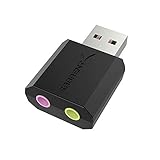
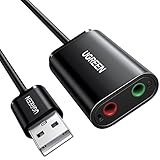
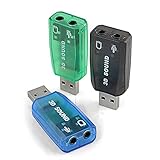

As an Amazon Associate I earn from qualifying purchases.
Prices and availability are accurate as of November 16, 2026 01:12 and are subject to change.
Introduction to USB Sound Cards
A USB sound card is a type of audio interface that connects to a computer via a USB port, providing a way to improve the sound quality of the computer’s audio output. These devices are designed to bypass the computer’s built-in sound card, which can be limited in terms of quality and functionality. By using a USB sound card, users can enjoy higher-quality audio, whether they are listening to music, watching videos, or playing games.
USB sound cards are often used by music producers, audio engineers, and gamers who require high-quality audio for their work or entertainment. They are also useful for people who want to improve the sound quality of their computer’s audio output without having to install a new sound card inside the computer. These devices are usually compact and portable, making them easy to take on the go.
One of the main advantages of USB sound cards is that they are easy to install and use. Most devices are plug-and-play, meaning that they can be connected to a computer and used immediately without the need for complex setup or installation. They also often come with their own software and drivers, which can be used to customize the audio settings and improve the sound quality.
When looking for the best usb sound cards, it’s essential to consider factors such as audio quality, compatibility, and connectivity options. Some USB sound cards offer additional features such as microphone preamps, headphone amplifiers, and MIDI interfaces, which can be useful for specific applications. By choosing the right USB sound card, users can enjoy high-quality audio and improve their overall computing experience.
The Best Usb Sound Cards
The
Focusrite Scarlett 6i6 3rd Gen #001
is a high-end USB sound card that offers exceptional sound quality and a wide range of features. It has six inputs and six outputs, making it ideal for musicians and producers who need to connect multiple instruments and microphones. The sound card also has a high-resolution audio interface, which allows for crystal-clear recordings and playback.
The
Focusrite Scarlett 6i6 3rd Gen #001
is also very easy to use, with a simple and intuitive interface that makes it easy to navigate and adjust settings. The sound card is also very durable and well-built, with a rugged metal construction that can withstand the rigors of frequent use. Overall, the
Focusrite Scarlett 6i6 3rd Gen #001
is an excellent choice for anyone who needs a high-quality USB sound card for music production or other audio applications.
The
PreSonus AudioBox iTwo #002
is a compact and portable USB sound card that is perfect for musicians and producers who need a reliable and easy-to-use audio interface. It has two inputs and two outputs, making it ideal for recording and playback of stereo audio. The sound card also has a high-quality analog-to-digital converter, which ensures that recordings are accurate and detailed.
The
PreSonus AudioBox iTwo #002
is also very affordable and great value for the price. It is compatible with both Mac and PC, and comes with a range of software and plugins to help get started with music production. The sound card is also very compact and lightweight, making it easy to take on the go. Overall, the
PreSonus AudioBox iTwo #002
is a great choice for anyone who needs a reliable and easy-to-use USB sound card for music production or other audio applications.
The
Native Instruments Komplete Audio 1 #003
is a high-end USB sound card that offers exceptional sound quality and a wide range of features. It has two inputs and two outputs, making it ideal for recording and playback of stereo audio. The sound card also has a high-resolution audio interface, which allows for crystal-clear recordings and playback.
The
Native Instruments Komplete Audio 1 #003
is also very easy to use, with a simple and intuitive interface that makes it easy to navigate and adjust settings. The sound card is also very durable and well-built, with a rugged metal construction that can withstand the rigors of frequent use. The sound card also comes with a range of software and plugins, including the popular Komplete Instruments and Effects suite. Overall, the
Native Instruments Komplete Audio 1 #003
is an excellent choice for anyone who needs a high-quality USB sound card for music production or other audio applications.
The
Steinberg UR22C #004
is a high-quality USB sound card that offers exceptional sound quality and a wide range of features. It has two inputs and two outputs, making it ideal for recording and playback of stereo audio. The sound card also has a high-resolution audio interface, which allows for crystal-clear recordings and playback.
The
Steinberg UR22C #004
is also very easy to use, with a simple and intuitive interface that makes it easy to navigate and adjust settings. The sound card is also very durable and well-built, with a rugged metal construction that can withstand the rigors of frequent use. The sound card also comes with a range of software and plugins, including the popular Cubase music production suite. Overall, the
Steinberg UR22C #004
is an excellent choice for anyone who needs a high-quality USB sound card for music production or other audio applications.
The
Behringer UMC404HD #005
is a high-quality USB sound card that offers exceptional sound quality and a wide range of features. It has four inputs and four outputs, making it ideal for musicians and producers who need to connect multiple instruments and microphones. The sound card also has a high-resolution audio interface, which allows for crystal-clear recordings and playback.
The
Behringer UMC404HD #005
is also very affordable and great value for the price. It is compatible with both Mac and PC, and comes with a range of software and plugins to help get started with music production. The sound card is also very durable and well-built, with a rugged metal construction that can withstand the rigors of frequent use. Overall, the
Behringer UMC404HD #005
is a great choice for anyone who needs a reliable and easy-to-use USB sound card for music production or other audio applications.
Why Do People Need to Buy USB Sound Cards
The need for USB sound cards has become increasingly prevalent in recent years, particularly among gamers, music producers, and individuals who rely heavily on high-quality audio. One of the primary reasons people opt for USB sound cards is to enhance the audio capabilities of their computers. Many modern laptops and desktops come equipped with basic sound cards that often struggle to produce clear, crisp sound. By investing in a USB sound card, users can significantly improve the overall audio experience, enjoying richer, more immersive sound.
Another reason people turn to USB sound cards is to address compatibility issues with their existing sound equipment. For instance, some older audio devices may not be compatible with newer computer models, or vice versa. In such cases, a USB sound card can serve as a bridge, allowing users to connect their devices and enjoy uninterrupted audio. Furthermore, USB sound cards often come with multiple input and output options, making it easier for users to connect various audio devices, such as microphones, headphones, and speakers.
In addition to addressing compatibility issues and enhancing audio quality, USB sound cards also offer a high degree of portability and convenience. Unlike internal sound cards, which require technical expertise to install, USB sound cards are plug-and-play devices that can be easily connected to any computer via a USB port. This makes them ideal for individuals who need to use their audio equipment across multiple devices or locations. When searching for a reliable and high-performance USB sound card, it’s essential to look for the best usb sound cards that cater to specific needs and preferences.
The benefits of using a USB sound card extend beyond the realms of gaming and music production. They can also be highly beneficial for individuals who rely on clear, high-quality audio for communication, such as podcasters, voice-over artists, and online educators. By investing in a good-quality USB sound card, users can ensure that their audio is transmitted clearly and without interruption, making it an essential tool for anyone who values professional-grade audio. With the wide range of USB sound cards available on the market, users can choose the one that best suits their needs and budget, and enjoy enhanced audio capabilities without the need for complex installations or technical expertise.
Benefits of Using External Sound Cards
The primary benefit of using external sound cards is that they can significantly enhance the audio quality of your computer. Unlike built-in sound cards, external sound cards are designed to provide a more detailed and nuanced sound experience. They often come with advanced features such as noise reduction, echo cancellation, and equalization, which can greatly improve the overall sound quality. Additionally, external sound cards can also provide more connectivity options, allowing you to connect multiple devices such as headphones, speakers, and microphones.
Another benefit of using external sound cards is that they can be easily upgraded or replaced if needed. This is particularly useful for gamers and audio professionals who require high-quality sound and may need to upgrade their sound card frequently. External sound cards are also often compatible with a wide range of devices, including laptops, desktops, and even mobile devices. This makes them a versatile and convenient option for anyone looking to improve their audio experience.
External sound cards can also provide a range of advanced features that can enhance the audio experience. For example, some sound cards come with built-in amplifiers, which can provide more power and clarity to the sound. Others may come with advanced noise reduction technology, which can help to eliminate background noise and provide a more immersive audio experience. Overall, the benefits of using external sound cards make them a worthwhile investment for anyone looking to improve their audio quality.
In terms of compatibility, external sound cards are often designed to be plug-and-play, making it easy to install and use them with your device. They are also often compatible with a wide range of operating systems, including Windows, Mac, and Linux. This makes them a great option for anyone looking to improve their audio experience, regardless of the device they are using. With their advanced features, ease of use, and versatility, external sound cards are a great way to enhance the audio quality of your computer.
Types of Usb Sound Cards Available
There are several types of USB sound cards available, each with its own unique features and benefits. One of the most common types is the basic USB sound card, which provides a simple and affordable way to improve the audio quality of your computer. These sound cards typically come with a single input and output, and are often compact and portable. They are a great option for anyone looking for a basic sound card that can provide good sound quality without breaking the bank.
Another type of USB sound card is the gaming sound card, which is designed specifically for gamers. These sound cards often come with advanced features such as 3D audio, surround sound, and noise reduction, which can provide a more immersive gaming experience. They may also come with customizable buttons and controls, allowing gamers to tailor their sound experience to their specific needs. Gaming sound cards are a great option for anyone looking to take their gaming experience to the next level.
Professional USB sound cards are another type of sound card available. These sound cards are designed for audio professionals, such as musicians and sound engineers, who require high-quality sound and advanced features. They often come with multiple inputs and outputs, allowing users to connect a range of devices such as microphones, guitars, and keyboards. Professional sound cards may also come with advanced features such as equalization, compression, and reverb, which can help to enhance the sound quality and provide more control over the audio experience.
In addition to these types of sound cards, there are also USB sound cards designed specifically for podcasting and voice-overs. These sound cards often come with advanced features such as noise reduction and echo cancellation, which can help to provide a clear and professional-sounding audio experience. They may also come with built-in pop filters and shock mounts, which can help to reduce plosive sounds and vibrations. With so many types of USB sound cards available, there is sure to be one that meets your specific needs and budget.
Key Features to Consider When Buying a Usb Sound Card
When buying a USB sound card, there are several key features to consider. One of the most important is the sound quality, which can vary significantly depending on the sound card. Look for sound cards with high-quality digital-to-analog converters (DACs) and analog-to-digital converters (ADCs), which can provide a more detailed and nuanced sound experience. You should also consider the sampling rate and bit depth of the sound card, which can affect the overall sound quality.
Another key feature to consider is the number and type of inputs and outputs. If you plan to use the sound card with multiple devices, such as microphones, guitars, and keyboards, look for sound cards with multiple inputs and outputs. You should also consider the type of connectors used, such as USB, RCA, and XLR, which can affect the sound quality and compatibility with other devices. Additionally, consider the sound card’s power requirements, which can affect its portability and convenience.
The software and drivers provided with the sound card are also important to consider. Look for sound cards with user-friendly software and drivers that are compatible with your operating system. You should also consider the sound card’s compatibility with other devices and software, such as digital audio workstations (DAWs) and audio editing software. Some sound cards may also come with advanced features such as noise reduction, echo cancellation, and equalization, which can enhance the sound quality and provide more control over the audio experience.
In terms of durability and build quality, look for sound cards with sturdy construction and high-quality materials. A well-built sound card can provide years of reliable service and withstand the rigors of frequent use. You should also consider the sound card’s warranty and customer support, which can provide peace of mind and protection in case something goes wrong. By considering these key features, you can find a USB sound card that meets your specific needs and provides a high-quality audio experience.
Common Applications of Usb Sound Cards
USB sound cards have a wide range of applications, from gaming and music production to podcasting and voice-overs. One of the most common applications is gaming, where sound cards can provide a more immersive audio experience with features such as 3D audio and surround sound. Gamers can use sound cards to enhance their gaming experience, with more realistic sound effects and a greater sense of presence.
Another common application of USB sound cards is music production. Musicians and producers can use sound cards to connect their instruments and microphones to their computer, and to provide high-quality audio output. Sound cards can also be used to provide advanced features such as equalization, compression, and reverb, which can help to enhance the sound quality and provide more control over the audio experience. With their high-quality audio and advanced features, USB sound cards are a popular choice among musicians and producers.
Podcasting and voice-overs are another common application of USB sound cards. Podcasters and voice-over artists can use sound cards to provide high-quality audio output, with features such as noise reduction and echo cancellation. Sound cards can also be used to provide advanced features such as equalization and compression, which can help to enhance the sound quality and provide more control over the audio experience. With their high-quality audio and advanced features, USB sound cards are a popular choice among podcasters and voice-over artists.
In addition to these applications, USB sound cards can also be used in a wide range of other fields, such as audio post-production, live sound, and public speaking. They can be used to provide high-quality audio output, with features such as equalization, compression, and reverb. With their versatility, ease of use, and high-quality audio, USB sound cards are a popular choice among audio professionals and enthusiasts alike. Whether you’re a gamer, musician, podcaster, or simply someone who wants to enhance their audio experience, a USB sound card can be a valuable investment.
Buying Guide for the Best USB Sound Cards
When it comes to enhancing the audio quality of your computer, a USB sound card can be a great investment. With so many options available in the market, it can be overwhelming to choose the right one. In this buying guide, we will discuss the key factors to consider when buying a USB sound card, to help you make an informed decision.
Compatibility
Compatibility is one of the most important factors to consider when buying a USB sound card. You need to ensure that the sound card is compatible with your computer’s operating system, whether it’s Windows, Mac, or Linux. Some sound cards may only be compatible with certain versions of the operating system, so it’s essential to check the specifications before making a purchase. Additionally, you should also consider the type of USB port your computer has, as some sound cards may require a specific type of USB port, such as USB 3.0 or USB-C.
When checking the compatibility of a USB sound card, you should also consider the type of audio equipment you plan to use with it. For example, if you plan to use a microphone or headphones with the sound card, you need to ensure that it has the necessary input and output ports. Some sound cards may have multiple input and output ports, while others may have only a few. By considering the compatibility of the sound card with your computer and audio equipment, you can ensure that it meets your needs and provides the best possible audio quality.
Audio Quality
The audio quality of a USB sound card is another crucial factor to consider. You need to ensure that the sound card can produce high-quality audio that meets your needs. Some sound cards may have a higher sampling rate or bit depth, which can result in better audio quality. Additionally, some sound cards may have built-in audio processing features, such as noise reduction or equalization, which can enhance the audio quality. When evaluating the audio quality of a USB sound card, you should listen to audio samples or read reviews from other users to get an idea of its performance.
The audio quality of a USB sound card can also depend on the type of audio you plan to use it for. For example, if you plan to use the sound card for music production or recording, you may need a sound card with a higher sampling rate or bit depth. On the other hand, if you plan to use the sound card for casual music listening or streaming, a lower sampling rate or bit depth may be sufficient. By considering the audio quality of the sound card and your specific needs, you can choose a sound card that provides the best possible audio quality for your application.
Connectivity Options
The connectivity options of a USB sound card are also an essential factor to consider. You need to ensure that the sound card has the necessary input and output ports to connect your audio equipment. Some sound cards may have multiple input and output ports, such as XLR, TRS, or RCA, while others may have only a few. Additionally, some sound cards may have digital input and output ports, such as S/PDIF or ADAT, which can be useful for connecting to other audio equipment. When evaluating the connectivity options of a USB sound card, you should consider the type of audio equipment you plan to use with it and ensure that it has the necessary ports.
The connectivity options of a USB sound card can also affect its versatility and flexibility. For example, a sound card with multiple input and output ports can be used with a variety of audio equipment, such as microphones, headphones, and speakers. On the other hand, a sound card with limited connectivity options may be more restrictive in its use. By considering the connectivity options of a USB sound card, you can choose a sound card that meets your needs and provides the necessary flexibility for your audio applications. When looking for the best usb sound cards, you should prioritize the ones with the most comprehensive set of connectivity options.
Power Requirements
The power requirements of a USB sound card are another important factor to consider. Some sound cards may require an external power source, such as a wall adapter or battery, while others may be bus-powered, meaning they draw power directly from the USB port. When evaluating the power requirements of a USB sound card, you should consider the type of audio equipment you plan to use with it and the power requirements of that equipment. For example, if you plan to use a microphone or headphones with the sound card, you may need a sound card with an external power source to provide sufficient power.
The power requirements of a USB sound card can also affect its portability and convenience. For example, a sound card that is bus-powered may be more portable and convenient to use, as it does not require an external power source. On the other hand, a sound card that requires an external power source may be less portable and more cumbersome to use. By considering the power requirements of a USB sound card, you can choose a sound card that meets your needs and provides the necessary convenience and portability for your audio applications.
Software and Drivers
The software and drivers of a USB sound card are also an essential factor to consider. You need to ensure that the sound card comes with the necessary software and drivers to install and configure it on your computer. Some sound cards may come with a CD or DVD that contains the software and drivers, while others may require you to download them from the manufacturer’s website. When evaluating the software and drivers of a USB sound card, you should consider the ease of installation and configuration, as well as the availability of updates and support.
The software and drivers of a USB sound card can also affect its performance and compatibility. For example, a sound card with outdated or poorly designed software and drivers may not perform well or may not be compatible with certain operating systems. On the other hand, a sound card with well-designed software and drivers may perform well and be compatible with a variety of operating systems. By considering the software and drivers of a USB sound card, you can choose a sound card that meets your needs and provides the necessary performance and compatibility for your audio applications.
Durability and Build Quality
The durability and build quality of a USB sound card are also important factors to consider. You need to ensure that the sound card is built with high-quality materials and is designed to withstand regular use. Some sound cards may be built with metal or aluminum, while others may be built with plastic or other materials. When evaluating the durability and build quality of a USB sound card, you should consider the construction and materials used, as well as the warranty and support offered by the manufacturer.
The durability and build quality of a USB sound card can also affect its lifespan and reliability. For example, a sound card that is built with high-quality materials and is designed to withstand regular use may last longer and be more reliable than a sound card that is built with low-quality materials. On the other hand, a sound card that is built with low-quality materials may be more prone to failure or damage. By considering the durability and build quality of a USB sound card, you can choose a sound card that meets your needs and provides the necessary reliability and lifespan for your audio applications.
FAQ
What is a USB sound card and how does it work?
A USB sound card is a device that connects to a computer via a USB port and provides an alternative to the computer’s built-in sound card. It works by taking the digital audio signal from the computer and converting it into an analog signal that can be sent to headphones, speakers, or other audio devices. This process allows for higher quality audio output and can also provide additional features such as noise reduction and echo cancellation.
The USB sound card can also provide multiple input and output options, such as microphone and line-in jacks, allowing users to connect a variety of audio devices. Some USB sound cards also come with software that allows users to customize the audio settings and adjust the sound quality to their preferences. Overall, a USB sound card can be a useful device for anyone who wants to improve the audio quality of their computer or add more audio features to their system.
What are the benefits of using a USB sound card?
Using a USB sound card can provide several benefits, including improved audio quality and increased flexibility. A USB sound card can provide higher quality audio output than a built-in sound card, with features such as higher sampling rates and bit depths. This can result in a more detailed and nuanced sound that is better suited to applications such as music production and gaming. Additionally, a USB sound card can provide multiple input and output options, making it easier to connect a variety of audio devices.
Another benefit of using a USB sound card is that it can be easily installed and removed as needed. This makes it a great option for users who need to use their computer in different locations or who want to be able to switch between different audio setups. Some USB sound cards also come with portable designs, making them easy to take on the go. Overall, a USB sound card can be a useful device for anyone who wants to improve the audio quality of their computer or add more audio features to their system.
What types of USB sound cards are available?
There are several types of USB sound cards available, including basic models that provide simple audio output and more advanced models that offer features such as multiple input and output options and audio effects processing. Some USB sound cards are designed specifically for gaming or music production, and may offer features such as low latency and high-quality digital-to-analog conversion. Other USB sound cards may be designed for more general use, such as watching videos or listening to music.
When choosing a USB sound card, it’s a good idea to consider the specific features and capabilities that you need. For example, if you’re a gamer, you may want a USB sound card that offers low latency and support for surround sound. If you’re a music producer, you may want a USB sound card that offers high-quality audio conversion and multiple input and output options. By considering your specific needs and choosing a USB sound card that meets those needs, you can get the most out of your audio setup.
How do I choose the best USB sound card for my needs?
To choose the best USB sound card for your needs, you should consider several factors, including the type of audio you will be working with, the level of quality you need, and the specific features you require. For example, if you will be working with high-quality audio, you may want a USB sound card that offers high sampling rates and bit depths. If you need to connect multiple audio devices, you may want a USB sound card that offers multiple input and output options.
You should also consider the compatibility of the USB sound card with your computer and other audio devices. Make sure that the USB sound card is compatible with your operating system and that it has the necessary connectors to connect to your audio devices. Additionally, you may want to read reviews and compare prices to find the best value for your money. By considering these factors and doing your research, you can choose a USB sound card that meets your needs and provides the best possible audio quality.
Can I use a USB sound card with a laptop?
Yes, you can use a USB sound card with a laptop. In fact, USB sound cards are often a great option for laptop users, as they can provide a significant improvement in audio quality over the laptop’s built-in sound card. Many USB sound cards are designed to be compact and portable, making them easy to take on the go with a laptop. Additionally, USB sound cards often require no external power source, making them a great option for laptop users who need to conserve battery power.
When using a USB sound card with a laptop, you should make sure that the sound card is compatible with your laptop’s operating system and that it has the necessary connectors to connect to your audio devices. You should also consider the size and weight of the sound card, as well as its power requirements, to ensure that it is a good fit for your laptop. By choosing a USB sound card that is designed for laptop use, you can enjoy high-quality audio on the go without having to worry about compatibility or convenience.
Are USB sound cards compatible with all operating systems?
Most USB sound cards are compatible with multiple operating systems, including Windows, Mac, and Linux. However, it’s always a good idea to check the compatibility of the sound card with your specific operating system before making a purchase. Some USB sound cards may require specific drivers or software to be installed in order to function properly, so be sure to check the manufacturer’s website for compatibility information and to download any necessary drivers or software.
In general, USB sound cards that are designed for general use, such as watching videos or listening to music, are likely to be compatible with a wide range of operating systems. However, USB sound cards that are designed for more specialized applications, such as music production or gaming, may have more specific compatibility requirements. By checking the compatibility of the sound card with your operating system and ensuring that you have the necessary drivers or software, you can ensure that your USB sound card functions properly and provides the best possible audio quality.
How do I install and set up a USB sound card?
Installing and setting up a USB sound card is typically a straightforward process. First, you will need to connect the sound card to your computer via a USB port. Then, you will need to install any necessary drivers or software, which can usually be downloaded from the manufacturer’s website. Once the drivers or software are installed, you can configure the sound card to work with your audio devices and adjust the audio settings to your preferences.
In most cases, the sound card will be automatically recognized by your computer and will be ready to use immediately. However, you may need to configure the sound card settings to optimize the audio quality or to enable specific features such as surround sound or noise reduction. You can usually do this by accessing the sound card settings through your computer’s control panel or by using the software that came with the sound card. By following the manufacturer’s instructions and taking a few minutes to configure the sound card settings, you can enjoy high-quality audio from your USB sound card.
Final Verdict
In today’s world of high-quality audio, having the right equipment can make all the difference. Whether you’re a gamer, musician, or simply someone who appreciates crystal-clear sound, investing in a top-notch sound card is essential. With the numerous options available in the market, it can be overwhelming to choose the perfect one that suits your needs. However, by considering factors such as compatibility, sound quality, and durability, you can make an informed decision that enhances your overall audio experience.
By selecting one of the best usb sound cards, you can significantly improve the sound quality of your computer, allowing you to enjoy immersive audio like never before. With the ability to bypass your computer’s built-in sound card and connect directly to your device, these external sound cards offer unparalleled flexibility and convenience. Whether you’re looking to upgrade your gaming setup or take your music production to the next level, the best usb sound cards are definitely worth considering. With their ease of use, high-quality audio, and compact design, they are an excellent addition to any audio enthusiast’s arsenal, providing a superior sound experience that will leave you wanting more.