As any gardener or plant enthusiast knows, finding the right nutrients for your plants can be a daunting task. With so many different types of fertilizers on the market, it can be difficult to determine which ones will provide the best results for your specific plants. Whether you’re growing vegetables, flowers, or houseplants, providing your plants with the necessary nutrients is crucial for their health and growth. This is where the best fertilizers for all plants come in, offering a convenient and effective way to promote healthy plant development and maximize yields.
When it comes to choosing a fertilizer, there are many factors to consider, including the type of plants you’re growing, the soil conditions, and the desired outcome. Different plants have different nutrient requirements, and using the wrong fertilizer can actually do more harm than good. By understanding the different types of fertilizers available and their specific benefits, you can make informed decisions and select the perfect fertilizer for your plants. In this article, we’ll take a closer look at the various options available, providing you with the knowledge and expertise you need to make the most of your gardening endeavors and help your plants thrive.
We will review the best fertilizers for all plants later in this article. But before that, take a look at some relevant products on Amazon:
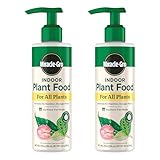


As an Amazon Associate I earn from qualifying purchases.
Prices and availability are accurate as of November 28, 2026 10:14 and are subject to change.
Introduction to Fertilizers
Fertilizers are substances added to soil to promote plant growth and increase crop yield. They can be made from natural or synthetic materials and come in various forms, including liquids, granules, and powders. Fertilizers provide essential nutrients such as nitrogen, phosphorus, and potassium that plants need to thrive. These nutrients help plants develop strong roots, stems, and leaves, and support overall health and productivity.
The use of fertilizers has become a common practice in gardening and agriculture, as they can significantly enhance plant growth and productivity. By providing the necessary nutrients, fertilizers can help plants overcome deficiencies and thrive in a variety of conditions. Whether you are growing flowers, vegetables, or trees, fertilizers can play a crucial role in maintaining their health and promoting optimal growth.
When it comes to choosing the right fertilizer, there are many options available. Different types of fertilizers are suited to specific plants and growing conditions, so it’s essential to select the one that best meets your needs. Some fertilizers are designed for general use, while others are formulated for specific plants or soil types. By selecting the best fertilizers for all plants, you can ensure that your plants receive the nutrients they need to thrive and reach their full potential.
In the world of gardening and agriculture, fertilizers are a vital component of plant care. By providing essential nutrients and promoting healthy growth, fertilizers can help you achieve optimal results and enjoy a bountiful harvest. With so many different types of fertilizers available, it’s essential to do your research and choose the one that best suits your needs. By doing so, you can give your plants the best possible start in life and help them grow strong and healthy.
The Best Fertilizers For All Plants
The
1. Miracle-Gro All Purpose Plant Food
is a well-known and highly-regarded fertilizer that can be used on a wide variety of plants, from flowers and vegetables to trees and shrubs. It is a water-soluble fertilizer that is easy to apply and provides quick results, promoting healthy growth and increasing yields. This fertilizer is also relatively inexpensive compared to other options on the market, making it a great choice for gardeners who are on a budget.
One of the key benefits of the
1. Miracle-Gro All Purpose Plant Food
is its ability to provide a balanced mix of nutrients that can be absorbed quickly by plants. This fertilizer contains a blend of nitrogen, phosphorus, and potassium, which are essential for healthy plant growth. It is also safe to use on all types of plants, including indoor and outdoor plants, and can be applied at any time of the year. Overall, the
1. Miracle-Gro All Purpose Plant Food
is a great choice for gardeners who want a reliable and effective fertilizer that can be used on a wide range of plants.
The
2. Scotts Osmocote 14-14-14 Professional Plant Food
is a high-quality fertilizer that is designed to provide long-lasting nutrition to plants. It is a slow-release fertilizer that is made with a unique blend of nutrients that are released slowly over time, providing a steady supply of nutrients to plants. This fertilizer is ideal for gardeners who want to provide their plants with a consistent supply of nutrients without having to reapply frequently.
One of the key benefits of the
2. Scotts Osmocote 14-14-14 Professional Plant Food
is its ability to provide a long-lasting supply of nutrients to plants. This fertilizer can last for up to 4 months, making it a great choice for gardeners who want to minimize the frequency of application. It is also a great choice for gardeners who are looking for a fertilizer that can provide a balanced mix of nutrients, as it contains a blend of nitrogen, phosphorus, and potassium. Overall, the
2. Scotts Osmocote 14-14-14 Professional Plant Food
is a great choice for gardeners who want a high-quality, long-lasting fertilizer.
The
3. Espoma Organic Bloom! Plant Food
is a popular choice among gardeners who are looking for an organic fertilizer that is safe for the environment. It is made from all-natural ingredients and is free of synthetic chemicals, making it a great choice for gardeners who want to avoid exposing their plants to harsh chemicals. This fertilizer is also highly effective, promoting healthy growth and increasing yields in a wide range of plants.
One of the key benefits of the
3. Espoma Organic Bloom! Plant Food
is its ability to provide a natural and sustainable source of nutrients to plants. This fertilizer is made from a blend of natural ingredients, including bone meal, alfalfa meal, and feather meal, which are all rich in nutrients. It is also a great choice for gardeners who are looking for a fertilizer that can help to improve the overall health and fertility of their soil. Overall, the
3. Espoma Organic Bloom! Plant Food
is a great choice for gardeners who want an organic and environmentally friendly fertilizer.
The
4. E.B. Stone Organics Bloom! 5-3-4 Plant Food
is a high-quality organic fertilizer that is designed to promote healthy growth and increase yields in a wide range of plants. It is made from a blend of natural ingredients, including bone meal, alfalfa meal, and feather meal, which are all rich in nutrients. This fertilizer is also highly effective, providing a balanced mix of nutrients that can be absorbed quickly by plants.
One of the key benefits of the
4. E.B. Stone Organics Bloom! 5-3-4 Plant Food
is its ability to provide a natural and sustainable source of nutrients to plants. This fertilizer is free of synthetic chemicals and is made from all-natural ingredients, making it a great choice for gardeners who want to avoid exposing their plants to harsh chemicals. It is also a great choice for gardeners who are looking for a fertilizer that can help to improve the overall health and fertility of their soil. Overall, the
4. E.B. Stone Organics Bloom! 5-3-4 Plant Food
is a great choice for gardeners who want a high-quality organic fertilizer.
The
5. Schultz All Purpose Plant Food 10-10-10
is a well-known and highly-regarded fertilizer that can be used on a wide variety of plants, from flowers and vegetables to trees and shrubs. It is a water-soluble fertilizer that is easy to apply and provides quick results, promoting healthy growth and increasing yields. This fertilizer is also relatively inexpensive compared to other options on the market, making it a great choice for gardeners who are on a budget.
One of the key benefits of the
5. Schultz All Purpose Plant Food 10-10-10
is its ability to provide a balanced mix of nutrients that can be absorbed quickly by plants. This fertilizer contains a blend of nitrogen, phosphorus, and potassium, which are essential for healthy plant growth. It is also safe to use on all types of plants, including indoor and outdoor plants, and can be applied at any time of the year. Overall, the
5. Schultz All Purpose Plant Food 10-10-10
is a great choice for gardeners who want a reliable and effective fertilizer that can be used on a wide range of plants.
Why People Need to Buy Fertilizers for All Plants
Plants require a variety of nutrients to grow and thrive, including nitrogen, phosphorus, and potassium. These essential nutrients are often depleted from the soil over time, making it necessary for people to supplement their plants with fertilizers. Without adequate nutrients, plants may become weak and susceptible to disease, ultimately affecting their overall health and productivity. Fertilizers help to replenish the soil with the necessary nutrients, promoting healthy plant growth and development.
In addition to replenishing nutrients, fertilizers also help to improve the overall structure and fertility of the soil. This is especially important for plants that are grown in poor or depleted soil, as fertilizers can help to restore the soil’s natural balance and fertility. By using fertilizers, people can create an optimal growing environment for their plants, allowing them to reach their full potential and thrive. Whether you’re growing vegetables, fruits, or flowers, fertilizers play a crucial role in ensuring the health and success of your plants.
When it comes to choosing the right fertilizer for your plants, there are many options available. With so many different types of fertilizers on the market, it can be overwhelming to decide which one is best for your needs. However, by doing some research and reading reviews, you can find the best fertilizers for all plants and ensure that your plants receive the nutrients they need to thrive. It’s also important to follow the instructions carefully and use the fertilizer in moderation, as over-fertilization can be harmful to plants.
Overall, fertilizers are an essential component of plant care, and people need to buy them to ensure the health and success of their plants. By providing plants with the necessary nutrients, fertilizers help to promote healthy growth and development, improve soil fertility, and increase crop yields. Whether you’re a seasoned gardener or just starting out, using fertilizers can make a big difference in the health and productivity of your plants. With the right fertilizer and proper care, you can enjoy a thriving and beautiful garden, filled with vibrant and healthy plants.
Types of Fertilizers For All Plants
Fertilizers for all plants can be broadly categorized into organic and inorganic types. Organic fertilizers are derived from natural sources such as animal waste, plant waste, and minerals. They are rich in nutrients and improve soil structure, but their effects may be slower than inorganic fertilizers. Inorganic fertilizers, on the other hand, are synthesized in a laboratory and contain specific amounts of nitrogen, phosphorus, and potassium. They provide quick results but may have adverse effects on the environment if overused.
Organic fertilizers include compost, manure, green sand, and bone meal. Compost is a rich source of nutrients and can be made at home using kitchen waste and yard trimmings. Manure from animals such as cows and chickens is also a good fertilizer, but it needs to be aged before use to kill pathogens. Green sand is a natural source of potassium, while bone meal is high in phosphorus. These organic fertilizers are suitable for all types of plants and can be used in conjunction with inorganic fertilizers.
Inorganic fertilizers include ammonium nitrate, urea, and diammonium phosphate. These fertilizers are widely available and provide quick results, but they can pollute soil and water if overused. It is essential to follow the instructions on the label and use them in moderation to avoid damaging the environment. Inorganic fertilizers can be further divided into slow-release and fast-release types. Slow-release fertilizers provide nutrients over an extended period, while fast-release fertilizers provide quick results but may need to be reapplied frequently.
The choice of fertilizer depends on the type of plant, soil type, and personal preference. Organic fertilizers are a good choice for gardeners who prioritize environmental sustainability, while inorganic fertilizers may be more suitable for large-scale farming operations. It is also important to consider the nutrient content of the fertilizer and choose one that is balanced and suitable for the specific needs of the plant.
Benefits of Using Fertilizers For All Plants
Fertilizers provide numerous benefits for all plants, including improved growth rates, increased yields, and enhanced plant health. By providing essential nutrients such as nitrogen, phosphorus, and potassium, fertilizers promote healthy plant development and maximize yields. Fertilizers also improve soil structure, increase water retention, and support the growth of beneficial microorganisms.
One of the primary benefits of using fertilizers is improved plant growth. Fertilizers provide plants with the necessary nutrients to grow and develop, resulting in healthier and more robust plants. This, in turn, can lead to increased yields and better fruit quality. Fertilizers also enhance plant health by providing essential micronutrients that help plants resist diseases and pests.
In addition to improving plant growth and health, fertilizers also play a critical role in maintaining soil fertility. By adding nutrients to the soil, fertilizers help to replenish depleted soil nutrients and improve soil structure. This can lead to improved water retention, increased aeration, and enhanced soil biodiversity. Fertilizers also support the growth of beneficial microorganisms, which help to break down organic matter and solubilize minerals.
The benefits of using fertilizers can be seen in various aspects of plant growth and development. For example, fertilizers can improve root development, increase leaf growth, and enhance flower and fruit production. They can also improve plant resistance to environmental stresses such as drought, extreme temperatures, and salinity. By providing essential nutrients, fertilizers help plants to thrive and reach their full potential.
How to Apply Fertilizers For All Plants
Applying fertilizers to all plants requires careful consideration of several factors, including soil type, plant type, and climate. The method of application also varies depending on the type of fertilizer and the specific needs of the plant. Generally, fertilizers can be applied through broadcasting, side-dressing, or foliar spraying.
Broadcasting involves spreading the fertilizer evenly over the soil surface, usually before planting or during the growing season. This method is suitable for most types of fertilizers and provides a uniform distribution of nutrients. Side-dressing involves applying the fertilizer in a band or strip along the plant row, usually during the growing season. This method is more targeted and can help to reduce waste and minimize environmental impact.
Foliar spraying involves applying the fertilizer directly to the leaves of the plant, usually through a spray or mist. This method is suitable for liquid fertilizers and provides a quick and efficient way to deliver nutrients to the plant. It is essential to follow the instructions on the label and take necessary precautions to avoid burning the leaves or causing other damage.
The timing of fertilizer application also depends on the type of plant and the specific growth stage. For example, seedlings and young plants may require more frequent applications of fertilizer to support rapid growth and development. Mature plants, on the other hand, may require less frequent applications, but may benefit from a balanced fertilizer that provides a range of essential nutrients.
Common Mistakes to Avoid When Using Fertilizers For All Plants
Using fertilizers for all plants can be beneficial, but it requires careful consideration and attention to detail to avoid common mistakes. One of the most significant mistakes is overfertilization, which can lead to environmental pollution, soil degradation, and plant damage. Overfertilization can also result in an overabundance of certain nutrients, which can be toxic to plants and microorganisms.
Another common mistake is underfertilization, which can lead to nutrient deficiencies and reduced plant growth. Underfertilization can also result in poor fruit quality and reduced yields. It is essential to follow the instructions on the label and apply fertilizers at the recommended rates to avoid underfertilization.
In addition to overfertilization and underfertilization, other common mistakes include applying fertilizers at the wrong time, using the wrong type of fertilizer, and failing to consider soil type and plant species. For example, applying fertilizers during extreme weather conditions or when the soil is waterlogged can reduce their effectiveness and increase the risk of environmental pollution.
To avoid these mistakes, it is essential to read and follow the instructions on the label, take soil tests to determine nutrient deficiencies, and consider the specific needs of the plant. It is also important to choose the right type of fertilizer, consider the climate and soil type, and apply fertilizers at the recommended rates. By avoiding these common mistakes, gardeners and farmers can maximize the benefits of fertilizers and minimize their negative impacts on the environment.
Ultimate Buying Guide for Best Fertilizers For All Plants
When it comes to choosing the right fertilizer for your plants, it can be overwhelming with the numerous options available in the market. With so many different types of fertilizers, each with its own unique characteristics and benefits, it’s essential to consider several key factors before making a purchase. In this guide, we will walk you through the most important considerations to ensure you find the perfect fertilizer for your plants.
Type of Fertilizer
The type of fertilizer is one of the most critical factors to consider when buying fertilizers for your plants. There are several types of fertilizers available, including organic, inorganic, liquid, and slow-release fertilizers. Each type of fertilizer has its own unique benefits and drawbacks, and the right choice for you will depend on your specific needs and preferences. For example, organic fertilizers are a popular choice for gardeners who want to avoid using synthetic chemicals, while inorganic fertilizers are often preferred by those who want a quick and easy solution.
The type of fertilizer you choose will also depend on the type of plants you are growing. For example, if you are growing acid-loving plants such as azaleas or rhododendrons, you will want to choose a fertilizer that is specifically formulated for these types of plants. On the other hand, if you are growing vegetables or fruits, you will want to choose a fertilizer that is high in nutrients such as nitrogen, phosphorus, and potassium. By considering the type of fertilizer and the type of plants you are growing, you can ensure that you find the best fertilizers for all plants that meet your needs.
Nutrient Content
The nutrient content of a fertilizer is another critical factor to consider when making a purchase. Fertilizers typically contain a combination of nitrogen, phosphorus, and potassium, which are essential nutrients for plant growth. The ratio of these nutrients can vary depending on the type of fertilizer and the intended use. For example, a fertilizer with a high nitrogen content may be suitable for leafy green plants, while a fertilizer with a high phosphorus content may be better suited for plants that are producing flowers or fruits.
When evaluating the nutrient content of a fertilizer, it’s essential to read the label carefully and look for the N-P-K ratio, which indicates the percentage of nitrogen, phosphorus, and potassium in the fertilizer. You should also consider the presence of other nutrients such as micronutrients, which can be beneficial for plant growth. Additionally, some fertilizers may contain additional ingredients such as soil conditioners or plant growth regulators, which can provide additional benefits for your plants. By considering the nutrient content of a fertilizer, you can ensure that you find a product that provides the right balance of nutrients for your plants.
Application Method
The application method of a fertilizer is another important factor to consider when making a purchase. Fertilizers can be applied in a variety of ways, including through the soil, as a foliar spray, or as a slow-release granule. The right application method for you will depend on your specific needs and preferences, as well as the type of plants you are growing. For example, if you are growing plants in containers, you may prefer a fertilizer that can be applied through the soil, while if you are growing plants in a large garden bed, you may prefer a fertilizer that can be applied as a foliar spray.
When evaluating the application method of a fertilizer, it’s essential to consider the ease of use and the potential for over-fertilization. Some fertilizers may require special equipment or techniques to apply, while others may be simple to use and require minimal effort. Additionally, some fertilizers may be more prone to over-fertilization, which can damage your plants and harm the environment. By considering the application method of a fertilizer, you can ensure that you find a product that is easy to use and provides the right amount of nutrients for your plants.
Environmental Impact
The environmental impact of a fertilizer is an important factor to consider when making a purchase. Some fertilizers can have a significant impact on the environment, particularly if they contain synthetic chemicals or other hazardous ingredients. For example, fertilizers that contain high levels of nitrogen can contribute to water pollution and harm aquatic ecosystems. On the other hand, organic fertilizers are generally considered to be more environmentally friendly and can help to promote sustainable gardening practices.
When evaluating the environmental impact of a fertilizer, it’s essential to consider the ingredients and the manufacturing process. Look for fertilizers that are made from natural and sustainable ingredients, and avoid products that contain synthetic chemicals or other hazardous materials. Additionally, consider the packaging and disposal of the fertilizer, as well as the potential for runoff or leaching into the environment. By considering the environmental impact of a fertilizer, you can ensure that you find a product that is safe for your plants and the environment.
Price and Value
The price and value of a fertilizer are important factors to consider when making a purchase. Fertilizers can vary significantly in price, depending on the type, quality, and quantity of the product. While it may be tempting to choose the cheapest option, it’s essential to consider the value of the fertilizer and the potential benefits it can provide for your plants. For example, a high-quality fertilizer may be more expensive upfront, but it can provide longer-lasting benefits and better results for your plants.
When evaluating the price and value of a fertilizer, it’s essential to consider the cost per unit and the potential return on investment. Look for fertilizers that offer a good balance of quality and price, and avoid products that are overly expensive or cheap. Additionally, consider the reputation of the manufacturer and the quality of the ingredients, as well as any additional features or benefits that the fertilizer may offer. By considering the price and value of a fertilizer, you can ensure that you find a product that meets your needs and provides good value for your money.
Brand Reputation and Customer Support
The brand reputation and customer support of a fertilizer manufacturer are important factors to consider when making a purchase. A reputable manufacturer can provide assurance that the product is of high quality and safe to use, while good customer support can provide assistance and guidance if you have any questions or concerns. Look for manufacturers that have a strong reputation in the industry and a history of producing high-quality products.
When evaluating the brand reputation and customer support of a fertilizer manufacturer, it’s essential to research the company and read reviews from other customers. Look for manufacturers that have a strong commitment to quality and customer satisfaction, and avoid products that have a history of complaints or problems. Additionally, consider the availability of customer support and the responsiveness of the manufacturer to questions and concerns. By considering the brand reputation and customer support of a fertilizer manufacturer, you can ensure that you find a product that is reliable and effective, and that you can get the help and guidance you need to get the best results for your plants.
Frequently Asked Questions
What type of fertilizer is best for indoor plants?
The type of fertilizer best for indoor plants depends on the specific needs of the plant. For example, some indoor plants require more nitrogen, while others require more phosphorus or potassium. It’s also important to consider the pH level of the fertilizer, as some indoor plants are sensitive to high or low pH levels. A balanced fertilizer with a pH level between 6.0 and 7.0 is usually a good choice for most indoor plants.
When choosing a fertilizer for indoor plants, it’s also important to consider the form of the fertilizer. Liquid fertilizers are often easier to use and can be more effective than granular fertilizers. However, granular fertilizers can provide a slower release of nutrients, which can be beneficial for plants that require a consistent supply of nutrients. Additionally, some fertilizers are specifically formulated for indoor plants and may contain additional ingredients such as micronutrients or growth promoters.
How often should I fertilize my outdoor plants?
The frequency of fertilization for outdoor plants depends on the type of plant, the climate, and the soil conditions. In general, outdoor plants require more frequent fertilization than indoor plants, especially during the growing season. For most outdoor plants, fertilization once a month is sufficient, but some plants may require more frequent fertilization. It’s also important to consider the time of year and the growth stage of the plant, as fertilization needs may vary.
During the growing season, outdoor plants require more nutrients to support growth and development. Fertilization during this time can help promote healthy growth, increase yields, and improve the overall appearance of the plant. However, over-fertilization can be detrimental to outdoor plants, so it’s essential to follow the recommended application rates and frequencies. Additionally, it’s crucial to choose a fertilizer that is suitable for the specific needs of the plant and the soil conditions, and to consider factors such as soil pH, nutrient deficiencies, and potential environmental impacts.
What is the difference between organic and inorganic fertilizers?
The main difference between organic and inorganic fertilizers is the source of the nutrients. Organic fertilizers are derived from natural sources such as animal waste, plant residues, and microorganisms, while inorganic fertilizers are synthesized from chemical compounds. Organic fertilizers release nutrients slowly, providing a longer-lasting supply of nutrients, while inorganic fertilizers release nutrients quickly, providing a rapid but short-lived supply of nutrients.
Organic fertilizers are generally considered to be more environmentally friendly and sustainable than inorganic fertilizers. They can help improve soil structure, increase soil biota, and promote healthy plant growth. However, organic fertilizers may have some drawbacks, such as lower nutrient content, slower release rates, and potential for weed seeds or pathogens. In contrast, inorganic fertilizers are often more convenient and cost-effective, but may have negative environmental impacts, such as soil degradation, water pollution, and loss of biodiversity.
Can I use the same fertilizer for all my plants?
While it may be tempting to use the same fertilizer for all your plants, it’s generally not recommended. Different plants have different nutrient requirements, and using the same fertilizer for all plants can lead to nutrient deficiencies or excesses. For example, some plants require high levels of nitrogen, while others require more phosphorus or potassium. Using a fertilizer that is not tailored to the specific needs of each plant can result in poor growth, reduced yields, or increased susceptibility to disease.
It’s essential to choose a fertilizer that is specifically formulated for the type of plant you are growing. For example, acid-loving plants such as azaleas and rhododendrons require a fertilizer with a lower pH, while plants that prefer alkaline soils such as succulents and cacti require a fertilizer with a higher pH. Additionally, some plants may require specialized fertilizers, such as bloom boosters or fruiting fertilizers, to promote healthy growth and development. By choosing the right fertilizer for each plant, you can ensure that your plants receive the nutrients they need to thrive.
How do I choose the best fertilizer for my plants?
Choosing the best fertilizer for your plants involves considering several factors, including the type of plant, the climate, the soil conditions, and the desired outcome. It’s essential to read the label carefully and look for a fertilizer that is specifically formulated for your type of plant. You should also consider the N-P-K ratio, which indicates the levels of nitrogen, phosphorus, and potassium in the fertilizer. A balanced fertilizer with a ratio of 10-10-10 is often a good choice for most plants.
When selecting a fertilizer, it’s also important to consider additional factors such as the presence of micronutrients, the pH level, and the form of the fertilizer. Some fertilizers may contain additional ingredients such as growth promoters, soil conditioners, or pest control agents. You should also consider the environmental impact of the fertilizer, including its potential to pollute waterways or harm beneficial microorganisms. By taking the time to research and choose the right fertilizer for your plants, you can ensure that they receive the nutrients they need to thrive and grow.
Are fertilizers safe for pets and children?
While fertilizers are generally safe when used as directed, they can pose a risk to pets and children if not handled properly. Many fertilizers contain chemicals that can be toxic if ingested, and some may cause skin or eye irritation. It’s essential to keep fertilizers out of reach of pets and children and to follow the recommended application rates and safety precautions.
To minimize the risk of exposure, it’s a good idea to choose fertilizers that are specifically labeled as “pet-friendly” or “child-safe.” These fertilizers are often formulated with safer ingredients and may have additional safety features such as child-resistant packaging. Additionally, it’s crucial to follow proper handling and storage procedures, including wearing gloves and protective clothing when applying fertilizers, and washing hands thoroughly after handling fertilizers. By taking these precautions, you can help ensure a safe and healthy environment for your pets and children.
Can I make my own fertilizer at home?
Yes, you can make your own fertilizer at home using a variety of natural ingredients. One popular method is to create a compost tea by steeping compost in water, which can provide a nutrient-rich fertilizer for your plants. You can also use kitchen scraps such as eggshells, coffee grounds, and vegetable peels to create a homemade fertilizer. Additionally, you can use manure from animals, such as chickens or rabbits, to create a nutrient-rich fertilizer.
Making your own fertilizer at home can be a fun and rewarding experience, and it can also help reduce waste and save money. However, it’s essential to follow proper procedures to ensure that your homemade fertilizer is safe and effective. This includes using the right ingredients, following proper composting procedures, and testing the pH and nutrient levels of your fertilizer. By making your own fertilizer at home, you can create a customized and sustainable fertilizer that meets the specific needs of your plants, and helps promote healthy growth and development.
Verdict
In conclusion, selecting the right fertilizer can be a daunting task, especially with the numerous options available in the market. However, by considering the specific needs of your plants, including the type of plant, soil, and climate, you can make an informed decision. It is essential to choose a fertilizer that provides a balanced mix of nutrients to promote healthy growth and development. A good fertilizer should also be easy to apply, environmentally friendly, and cost-effective.
Ultimately, the best fertilizers for all plants are those that cater to the diverse needs of various plant species, providing them with the necessary nutrients to thrive. By investing in a high-quality fertilizer, you can enjoy a lush, vibrant garden, and a bountiful harvest. Whether you are a seasoned gardener or a beginner, choosing the right fertilizer can make all the difference in the success of your plants. With the information provided in this article, you are now equipped to make an informed decision and select the best fertilizer for your plants, ensuring they receive the nutrients they need to flourish.